
The global aviation industry is a cornerstone of the modern macroeconomy. To the casual observer, a plane in the sky is a feat of engineering; to an investor or a business analyst, it is a mobile asset generating cash flow, facilitating trade, and driving global GDP. When we ask “how many planes fly a year,” we are not merely counting takeoffs and landings—we are measuring the pulse of international commerce. Understanding the volume of global flight activity provides a unique lens through which to view market health, consumer confidence, and the shifting tides of global wealth.

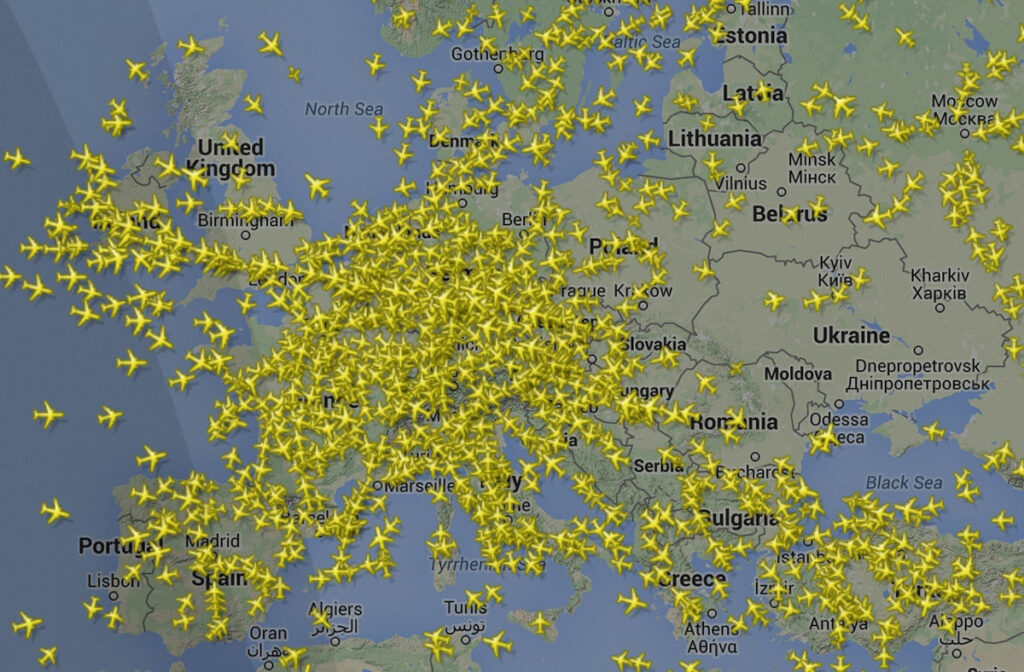
Before the global disruptions of 2020, the aviation industry was on a seemingly infinite upward trajectory. In a standard high-growth year, the world witnesses between 35 million and 40 million commercial flights. This figure represents an incredible density of economic activity. To put it in perspective, that averages out to roughly 100,000 flights per day. For the savvy investor or business leader, these numbers are more than just statistics; they represent a multi-trillion dollar ecosystem that spans manufacturing, logistics, energy, and luxury services.
The Global Scale: Quantifying Flight Volume and Its Revenue Impact
To grasp the financial magnitude of the aviation sector, one must look at the sheer volume of operations. While the “number of flights” is a broad metric, it is categorized by the nature of the mission: commercial, cargo, and general aviation. Each category has a distinct financial profile and contributes differently to the global bottom line.
Commercial Aviation by the Numbers
Commercial aviation is the primary driver of the industry’s visibility. In peak years, commercial airlines carry over 4.5 billion passengers annually. From a business finance perspective, this equates to hundreds of billions of dollars in ticket revenue alone. However, the volume of flights is influenced by “load factors”—the percentage of available seats filled by paying passengers.
For an airline to remain profitable, it isn’t enough for planes to be in the air; they must be in the air with high utilization rates. The financial health of the sector is often measured in Revenue Passenger Kilometers (RPK), which tracks the volume of passengers multiplied by the distance flown. As the number of annual flights approaches the 40 million mark, the operational efficiency of these flights determines whether the industry sees a net profit or a thin-margin struggle.
Cargo and Logistics: The Silent Profit Engine
While passenger flights garner the most headlines, the global cargo fleet is a massive contributor to the “flights per year” metric. Dedicated freighters and the “belly cargo” of passenger planes move approximately 35% of global trade by value. For high-value industries like electronics, pharmaceuticals, and luxury goods, air transport is the only viable option.
The financial performance of cargo flights is often decoupled from passenger trends. During periods of economic expansion, cargo volumes surge as consumer demand for imported goods rises. Even when passenger numbers dip, the necessity of maintaining global supply chains ensures that a baseline of tens of thousands of cargo flights continues daily, providing a diversified revenue stream for major carriers and logistics giants like FedEx and UPS.
The Economics of High-Frequency Flight: Revenue Streams and Profitability
The reason so many planes are in the air at any given moment is rooted in the complex financial modeling of airline operations. An aircraft is a depreciating asset that only generates revenue when it is moving. Consequently, the business strategy of modern aviation is built around maximizing flight frequency and optimizing the yield of every single hour in the sky.
Yield Management and Seat Occupancy
Airlines utilize sophisticated AI-driven software to manage “yield”—the amount of revenue earned per passenger per mile. Because the fixed costs of a flight (fuel, crew, insurance, and airport fees) are so high, the marginal profit of the last few seats sold is where the actual wealth is generated. This is why we see dynamic pricing models that fluctuate by the hour.
The financial success of 40 million annual flights depends on the industry’s ability to maintain a global load factor of roughly 80% or higher. When load factors drop, the “break-even” point for a flight becomes harder to reach, leading to consolidated routes and tailwinds for mergers and acquisitions within the sector.
Ancillary Revenue: Beyond the Ticket Price
In the last decade, the financial structure of a flight has shifted. While the number of planes in the air has grown, the price of the base ticket has often remained competitive or even decreased in real terms. This has been offset by the explosion of ancillary revenue.
Airlines now generate billions from baggage fees, seat selection, onboard Wi-Fi, and co-branded credit cards. In fact, for many major carriers, the frequent flyer program is a more valuable financial asset than the fleet of aircraft itself. By analyzing the “flights per year” through the lens of ancillary spending, we see that every takeoff is a gateway to a series of high-margin micro-transactions.
Investing in the Skies: Aerospace Stocks and Infrastructure Finance
The massive volume of annual flights creates a ripple effect throughout the financial markets. It isn’t just the airlines that represent an investment opportunity; the entire supply chain is fueled by the requirement to keep those 40 million flights safe, efficient, and frequent.
The Manufacturing Duopoly and the Secondary Market
The global demand for flights necessitates a constant influx of new, fuel-efficient aircraft. This supports a massive manufacturing sector dominated by Boeing and Airbus, but it also supports a secondary market of aircraft leasing.
Interestingly, about half of the world’s commercial fleet is not owned by the airlines themselves but is leased from specialized aircraft leasing firms. This sector—aircraft finance—is a high-stakes world where institutional investors and private equity firms purchase “tail numbers” and lease them back to carriers. It provides a steady, asset-backed yield that is highly attractive to long-term capital providers. As long as the number of planes flying each year continues to trend upward, the demand for these multi-million dollar assets remains robust.
Airport Infrastructure as a High-Yield Asset Class
Every flight requires a point of origin and a destination. This has turned airport infrastructure into a prized asset class for sovereign wealth funds and pension funds. Airports are essentially “toll booths” for global trade. They collect landing fees from airlines, parking fees from passengers, and rent from luxury retailers in the terminal.
The financial stability of an airport is directly tied to the “flights per year” metric of its hub carriers. As global flight volumes increase, airports expand their capacity, often funded by municipal bonds or private infrastructure investment. This creates a feedback loop: more infrastructure allows for more flights, which generates more revenue for the bondholders and private owners.
Future Fiscal Projections: Growth Drivers and Financial Risks
Looking ahead, the number of planes flying per year is projected to double over the next two decades. This growth is driven by fundamental shifts in global demographics and wealth distribution, but it is not without significant financial risks.
The Rise of the Emerging Market Middle Class
The primary driver of future flight volume is the expanding middle class in Asia, particularly in China and India. As per capita income rises in these regions, the propensity to travel for business and leisure increases exponentially. For investors, this represents a massive shift in capital. We are seeing a move away from the traditional transatlantic profit centers toward intra-Asia routes. This shift requires billions in new aircraft orders and the construction of “mega-hubs” that will rival the financial throughput of London or New York.
Volatility Factors: Fuel Prices and Carbon Taxation
While the volume of flights is expected to grow, the profitability of those flights faces two major financial headwinds: energy costs and environmental regulation. Jet fuel is typically an airline’s largest variable expense, often accounting for 20% to 30% of total operating costs. Fluctuations in Brent crude prices can instantly erase a year’s worth of profit.
Furthermore, the “Green Tax” is becoming a reality. As governments move toward carbon neutrality, the cost of carbon credits and the transition to Sustainable Aviation Fuel (SAF) will impose a significant financial burden on the industry. The winners in the next era of aviation will be the companies that can maintain high flight volumes while successfully navigating the complex financial transition to a low-carbon economy.
In conclusion, when we evaluate how many planes fly a year, we are looking at the ultimate barometer of global connectivity and financial health. Each of the tens of millions of annual flights represents a complex web of investment, labor, and technology. For those in the world of finance and business, the sky is not just a limit—it is a vast, high-velocity marketplace that continues to offer unparalleled opportunities for growth and wealth creation. As the world becomes more integrated, the number of planes in the air will remain one of the most critical indicators of our collective economic trajectory.
aViewFromTheCave is a participant in the Amazon Services LLC Associates Program, an affiliate advertising program designed to provide a means for sites to earn advertising fees by advertising and linking to Amazon.com. Amazon, the Amazon logo, AmazonSupply, and the AmazonSupply logo are trademarks of Amazon.com, Inc. or its affiliates. As an Amazon Associate we earn affiliate commissions from qualifying purchases.