
The scale of the United States aviation industry is a cornerstone of global commerce, representing a massive intersection of logistics, consumer behavior, and capital flow. On any given day, the Federal Aviation Administration (FAA) manages approximately 45,000 flights across the national airspace. This figure, while impressive from a logistical standpoint, serves as a vital pulse point for the American economy. When we ask how many flights occur per day in the USA, we are not merely counting takeoffs and landings; we are measuring the velocity of capital, the health of the tourism sector, and the efficiency of the global supply chain.
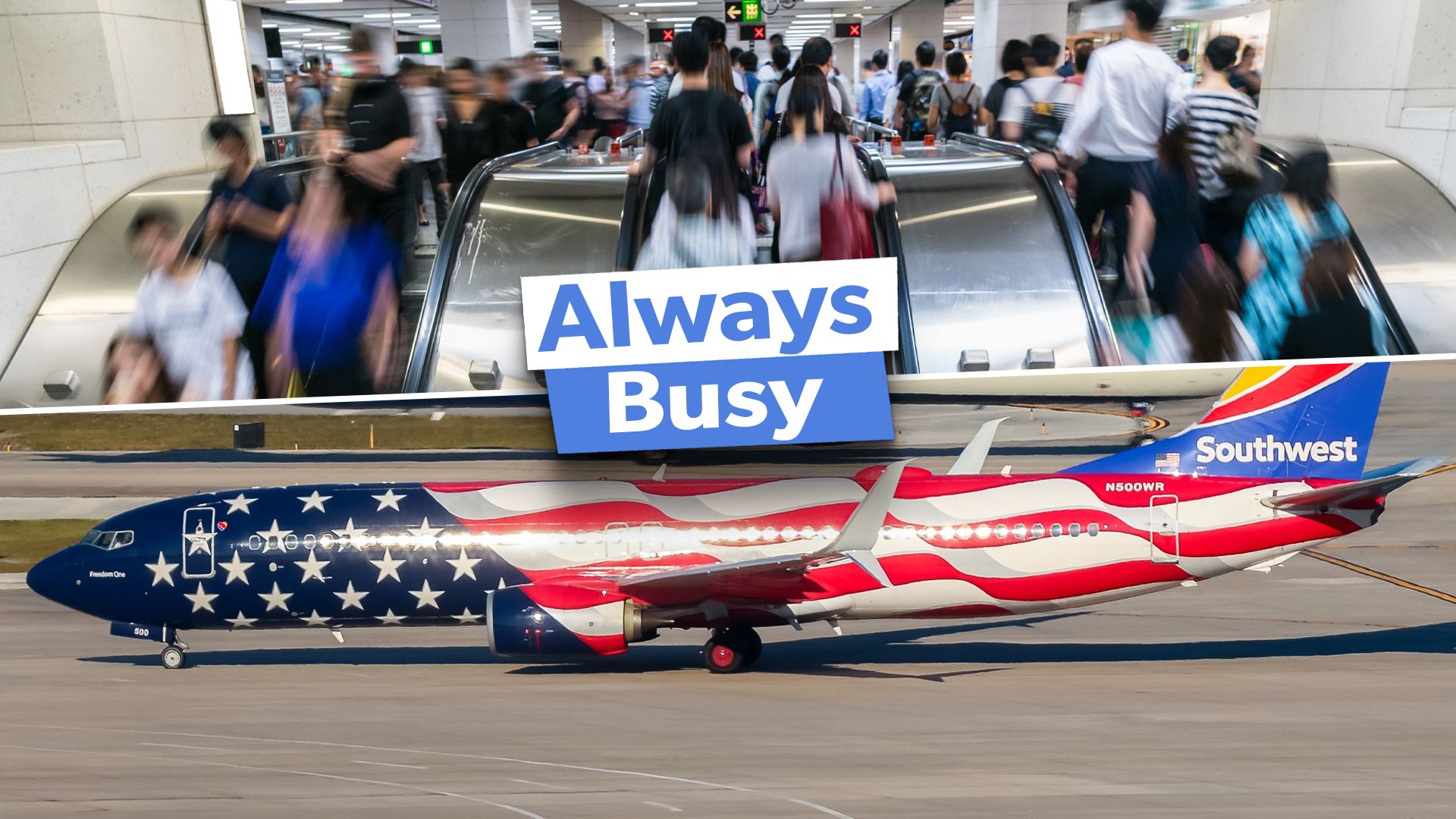
For investors, business owners, and financial analysts, this daily volume represents a multi-billion dollar ecosystem. The aviation sector contributes roughly $1.9 trillion to the U.S. Gross Domestic Product (GDP) and supports over 10 million jobs. Understanding the fiscal mechanics behind these 45,000 daily flights requires a deep dive into revenue models, infrastructure investment, and the macroeconomic variables that keep the industry airborne.
The Financial Scale of US Aviation: Understanding the Numbers
The sheer volume of daily flights is categorized into several distinct financial sectors: commercial airlines, general aviation, and air cargo. Of the 45,000 daily flights, commercial scheduled carriers account for a significant portion, but the diversity of the traffic is what provides the industry with its financial resilience.
Daily Throughput as a Market Indicator
The number of daily flights serves as a high-frequency economic indicator. In periods of economic expansion, flight volume climbs as corporate travel budgets expand and consumer discretionary spending increases. Conversely, a dip in daily flight counts often precedes broader economic contractions. For those managing portfolios, monitoring the “load factor”—the percentage of available seating capacity that is filled with passengers—alongside the total flight count provides a clear picture of the industry’s profitability.
The Billion-Dollar Logistics of Modern Skyways
Maintaining 45,000 flights a day requires a monumental capital expenditure (CAPEX) in infrastructure. This includes not only the aircraft themselves, which can cost anywhere from $90 million to over $400 million each, but also the ground operations and Air Traffic Control (ATC) systems. The U.S. government and private sector invest billions annually into airport improvements and NextGen satellite-based GPS technology. These investments are designed to increase capacity, allowing for more flights per day, which in turn generates more landing fees, terminal leases, and passenger facility charges (PFCs) that fund the cycle of growth.
Revenue Optimization: The Math Behind the 45,000 Flights
The profitability of a single flight among the thousands that take off daily is the result of sophisticated yield management and diverse revenue streams. The modern airline is no longer just a transportation company; it is a financial services entity that happens to fly planes.
Ancillary Revenue Streams
While ticket sales remain the primary source of income, ancillary revenue has become the bedrock of airline balance sheets. This includes fees for checked baggage, seat selection, on-board refreshments, and priority boarding. In the U.S. market, ancillary revenue has grown from a secondary thought to a multi-billion dollar juggernaut. For a major carrier, these “add-on” costs can represent up to 15% to 25% of total revenue, often making the difference between a net loss and a profitable quarter. When we calculate the financial weight of 45,000 daily flights, we must factor in the millions of micro-transactions occurring in cabins every hour.
Loyalty Programs as Collateralized Assets
One of the most profound financial shifts in the aviation industry is the monetization of frequent flyer programs. During recent economic downturns, major U.S. airlines used their loyalty programs as collateral for multi-billion dollar loans. These programs are often valued higher than the airlines’ actual flight operations. The revenue generated from selling “miles” to credit card issuers like American Express, Chase, and Citi creates a steady stream of high-margin cash flow that is decoupled from the actual cost of operating the 45,000 daily flights. This financial engineering provides a safety net that allows the industry to maintain high flight volumes even when fuel prices or labor costs fluctuate.
Investing in the Infrastructure of Flight
For the individual and institutional investor, the daily flight volume in the USA offers various entry points beyond simply buying stock in a specific airline. The ecosystem surrounding these flights is vast and capital-intensive.

The Role of Aircraft Leasing Firms
A significant portion of the aircraft contributing to the daily flight count are not owned by the airlines themselves but are leased from specialized financial firms. Companies like AerCap and Air Lease Corporation operate on a model of purchasing aircraft in bulk from manufacturers like Boeing and Airbus and leasing them to carriers. This allows airlines to manage their balance sheets more flexibly, avoiding the heavy debt associated with direct ownership. For investors, these leasing firms offer a way to gain exposure to the aviation sector with a different risk profile, focusing on long-term lease contracts rather than the volatility of daily ticket prices.
Airport Revenue Bonds and Public Finance
The airports that facilitate these 45,000 daily flights are often funded through the municipal bond market. Airport revenue bonds are a popular tool for institutional investors seeking steady, tax-exempt income. These bonds are secured by the revenues generated by the airport, such as parking fees, concessions, and landing fees paid by the airlines. As long as the volume of flights remains stable or grows, these bonds are considered relatively safe investments, backed by the essential nature of air travel in the modern American economy.
Navigating Economic Headwinds: Costs and Risks
Operating tens of thousands of flights daily is a high-stakes financial endeavor, fraught with volatile costs that can erode margins in a matter of weeks. The primary drivers of financial risk in this sector are fuel, labor, and regulatory compliance.
Fuel Hedging and Commodity Markets
Fuel is typically the first or second-largest expense for any airline, often accounting for 20% to 30% of total operating costs. To mitigate the risk of price spikes, many airlines engage in fuel hedging—a financial strategy involving derivatives and futures contracts to lock in fuel prices at a set rate. A successful hedging strategy can save an airline hundreds of millions of dollars annually, allowing them to maintain their daily flight schedules without passing immediate cost increases to the consumer. However, if fuel prices drop below the hedged price, the airline is stuck paying a premium, illustrating the complex financial tightrope walk required to keep the sky full of planes.
Labor Costs and Margin Compression
The aviation industry is one of the most highly unionized sectors in the USA. Labor costs for pilots, flight attendants, mechanics, and ground crews are a massive component of the daily operating expense. As the demand for more daily flights grows, the industry faces a shortage of skilled personnel, particularly pilots. This scarcity has led to significant wage inflation, which puts pressure on profit margins. Financial analysts closely watch contract negotiations between major carriers and unions, as a single cent-per-mile increase in labor costs can translate to billions of dollars in added expense across the 45,000 daily flights.
The Macroeconomic Ripple Effect: Aviation as a GDP Catalyst
The impact of daily U.S. flight volume extends far beyond the airport fence. Each flight is a catalyst for economic activity in other sectors, creating a multiplier effect that is essential for national prosperity.
Tourism and the Service Economy
A large percentage of the 2.9 million passengers flying daily within the USA are traveling for leisure. This movement of people fuels the hospitality industry, from hotels and restaurants to car rentals and local attractions. In many U.S. cities, the local economy is entirely dependent on the “lift” provided by daily flights. When a new route is added to a city’s airport, it brings an immediate infusion of capital into the local business ecosystem. Conversely, the loss of daily flight frequency can lead to a localized economic depression.
High-Value Cargo and Just-in-Time Manufacturing
While passenger travel gets most of the attention, the 45,000 daily flights include thousands of dedicated cargo flights and the “belly cargo” carried by passenger planes. This infrastructure is vital for just-in-time manufacturing and the high-speed delivery of e-commerce goods. The financial efficiency of the modern supply chain relies on the predictability and volume of these flights. Pharmaceuticals, high-end electronics, and perishable goods all move through this network, representing hundreds of billions of dollars in trade value every year.
Future Fiscal Trends: Decarbonization and the Cost of Growth
As we look toward the future of the 45,000 daily flights in the USA, the industry is facing a new financial frontier: the transition to a low-carbon economy. This shift represents both a significant risk and a massive investment opportunity.
The Rise of Sustainable Aviation Fuel (SAF)
To meet environmental targets, the aviation industry must transition from traditional jet fuel to Sustainable Aviation Fuel (SAF). Currently, SAF is significantly more expensive than conventional fuel. The financial challenge for the next decade will be scaling the production of SAF to a level where it is economically viable to support the daily flight volume. This transition will require hundreds of billions of dollars in private and public investment in bio-refineries and supply chain logistics.

Fleet Modernization and Capital Markets
To reduce fuel burn and carbon emissions, airlines are aggressively retiring older aircraft in favor of new, more efficient models. This fleet modernization is a massive undertaking for the capital markets. Financing the next generation of aircraft will require innovative debt structures and a continued partnership between airlines, banks, and private equity firms. For those focused on the “money” aspect of aviation, the greening of the 45,000 daily flights is likely to be the most significant theme of the next two decades, defining which players remain profitable and which are grounded by the costs of the energy transition.
aViewFromTheCave is a participant in the Amazon Services LLC Associates Program, an affiliate advertising program designed to provide a means for sites to earn advertising fees by advertising and linking to Amazon.com. Amazon, the Amazon logo, AmazonSupply, and the AmazonSupply logo are trademarks of Amazon.com, Inc. or its affiliates. As an Amazon Associate we earn affiliate commissions from qualifying purchases.