
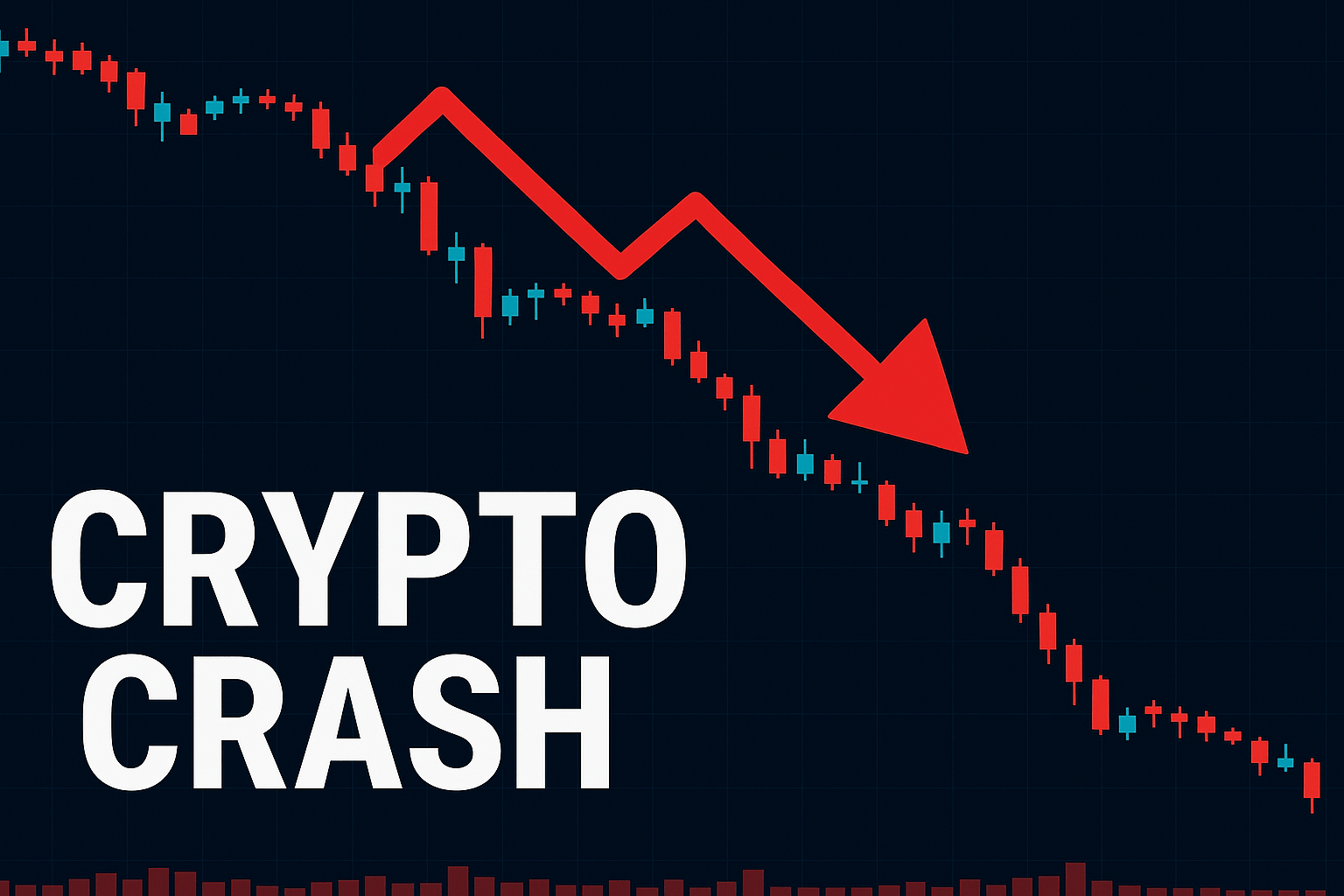
The cryptocurrency market is renowned for its meteoric rises, but it is equally defined by its dramatic, often stomach-churning declines. For the modern investor, a “crypto crash”—typically defined as a double-digit percentage drop within a very short timeframe—can feel like a chaotic event devoid of logic. However, beneath the surface of the price charts, these corrections are usually driven by a complex interplay of macroeconomic shifts, structural vulnerabilities within the blockchain ecosystem, and the raw psychology of market participants.
Understanding why these crashes occur is not merely an academic exercise; it is a fundamental requirement for anyone looking to manage a portfolio in the digital age. By deconstructing the financial mechanisms and external pressures that lead to market sell-offs, investors can better prepare for the inherent risks of this high-growth asset class.
The Macroeconomic Landscape: Why Global Markets Dictate Crypto’s Path
For many years, proponents of Bitcoin and other digital assets argued that cryptocurrency was a “non-correlated” asset—a digital gold that would remain unaffected by the movements of traditional stock markets or fiat currency fluctuations. However, as institutional capital flowed into the space through ETFs, hedge funds, and corporate balance sheets, the “uncorrelated” narrative shifted. Today, crypto is largely viewed by the broader financial world as a “risk-on” asset, meaning it moves in tandem with high-growth tech stocks and other speculative investments.
Interest Rates and the Cost of Capital
The single most influential factor in modern crypto crashes is the policy of central banks, specifically the U.S. Federal Reserve. When inflation rises and central banks increase interest rates, the “cost of money” goes up. This shift has a two-fold effect on the crypto market. First, higher interest rates make “safe” investments, such as Treasury bonds, more attractive. Investors who were previously chasing high returns in the volatile crypto market often rotate their capital back into these lower-risk instruments.
Second, high interest rates reduce the amount of liquidity in the global financial system. Because cryptocurrency thrives on excess liquidity, a “tightening” of the money supply often leads to a withdrawal of capital from the most speculative sectors first. When the “cheap money” era ends, the crypto market is often the first to feel the burn.
The Strengthening Dollar and Risk-Off Sentiments
There is a historical inverse relationship between the strength of the U.S. Dollar (DXY) and the price of digital assets. When global economic uncertainty rises—due to geopolitical tensions or recession fears—investors flock to the dollar as a safe haven. As the dollar strengthens, assets priced in dollars, including Bitcoin and Ethereum, naturally face downward pressure. This “risk-off” sentiment can trigger a cascading sell-off as institutional desks rebalance their portfolios to mitigate potential losses in high-volatility sectors.
Structural Vulnerabilities: Leverage and Liquidation Spirals
While macroeconomic factors set the stage, the internal mechanics of the crypto market often turn a minor correction into a full-scale crash. Unlike traditional stock markets, which have “circuit breakers” that pause trading during extreme volatility, the crypto market operates 24/7 with massive amounts of embedded leverage.
The Danger of Over-Leveraged Positions
In the crypto world, it is common for traders to use 10x, 50x, or even 100x leverage on their positions. While this can amplify gains, it creates an incredibly fragile market structure. When the price of an asset drops even slightly, it can hit the “liquidation price” of these leveraged positions. When a position is liquidated, the exchange automatically sells the asset to cover the debt.
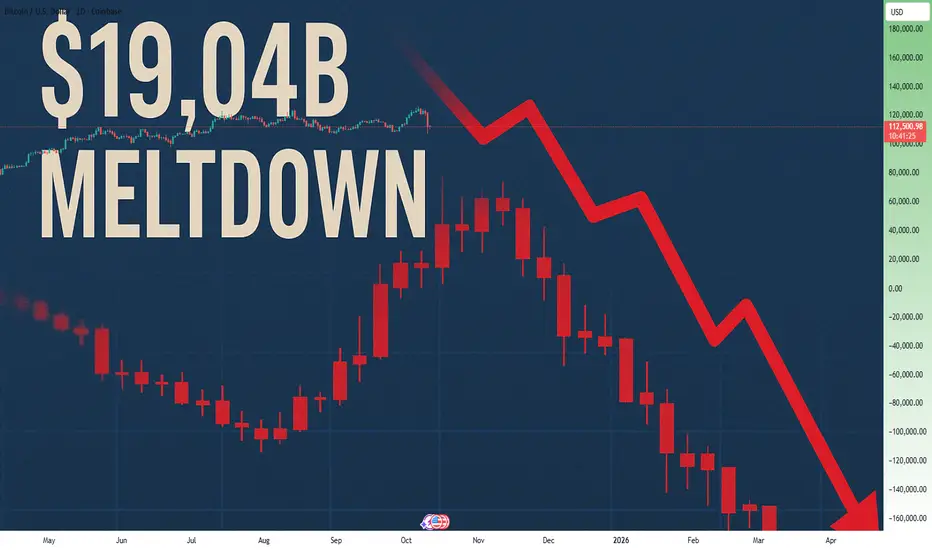
This creates a “liquidation cascade.” The automatic selling from the first wave of liquidations pushes the price down further, which triggers the next wave of liquidations, and so on. In a matter of minutes, billions of dollars in forced sell orders can hit the books, causing the price to “flash crash” far below what traditional supply and demand would dictate.
On-Chain Liquidity and Protocol Failures
The rise of Decentralized Finance (DeFi) has introduced new systemic risks. Many DeFi protocols rely on algorithmic stablecoins or over-collateralized loans. If the underlying collateral (such as ETH) drops too quickly in value, the smart contracts governing these loans may trigger mass liquidations.
Furthermore, the failure of a single major player—such as a large lending platform or an ecosystem like Terra/Luna—can cause a contagion effect. When one large entity fails, it often owes money to several others, leading to a “domino effect” of bankruptcies and forced asset sales that can depress the market for months.
Regulatory Headwinds and the Price of Compliance
The decentralized nature of cryptocurrency has long been at odds with the centralized nature of global financial regulation. As the market has grown in size, it has moved from the periphery of the financial system to the center of regulatory scrutiny. News of regulatory crackdowns is one of the most frequent catalysts for a crypto crash.
SEC Enforcement and Security Designations
In the United States, the Securities and Exchange Commission (SEC) plays a pivotal role in market sentiment. When the SEC announces lawsuits against major exchanges or labels specific altcoins as “unregistered securities,” it creates a wave of uncertainty. Institutional investors, who are bound by strict compliance mandates, may be forced to divest from these assets immediately. This sudden loss of “smart money” support can lead to sustained price declines as the market prices in the risk of legal battles and potential delistings from major platforms.
International Policy and Capital Flight
Regulatory shifts are not limited to the West. Historically, some of the most significant crypto crashes have been triggered by policy changes in major markets like China, India, or Europe. Bans on mining, restrictions on fiat-to-crypto on-ramps, or the implementation of heavy capital gains taxes can lead to massive capital flight. Because crypto is a global market, a restrictive policy in one major economy can dry up liquidity and trigger selling pressure across the entire world.
Investor Psychology: The Cycle of Fear and Greed
Despite all the talk of algorithms and macroeconomics, the crypto market is ultimately driven by human emotion. Because the market is relatively young and lacks the established valuation metrics of traditional equities (like P/E ratios), price discovery is heavily influenced by social sentiment and psychological triggers.
Sentiment Analysis and the “FUD” Factor
In the crypto space, the term “FUD” (Fear, Uncertainty, and Doubt) is used to describe negative news or rumors that can trigger panic selling. Because information travels at the speed of social media, a single viral post or a misinterpreted headline can cause a localized panic. When investors see the price start to slip, the fear of “holding the bag” (being the last person left with a devalued asset) kicks in, leading to a mass exodus. This is the opposite of “FOMO” (Fear Of Missing Out), which drives speculative bubbles.
The “Blow-off Top” and Market Cycles
Cryptocurrency markets historically move in four-year cycles, often tied to the Bitcoin halving. These cycles typically end with a “blow-off top,” where prices move vertically as retail investors rush in at the peak of the hype. When the buying exhausted—meaning there are no more “greater fools” left to buy at higher prices—the market becomes top-heavy. At this point, even a minor piece of bad news can cause the entire structure to collapse as early investors rush to book their profits, leaving latecomers to face the brunt of the crash.
Tactical Responses: Managing a Portfolio Through a Crash
For those focused on the “money” aspect of crypto—investing and wealth preservation—a crash is not just a disaster; it is a test of strategy. Successful investors view crashes as part of the market’s natural respiration and use specific tools to mitigate the impact.
Rebalancing and Hedging Strategies
Professional investors often use “hedging” to protect their portfolios during downturns. This might involve taking a short position on Bitcoin futures or moving a portion of their holdings into “stablecoins” (assets pegged to the dollar) when market indicators suggest an overheating. Portfolio rebalancing—the act of selling assets that have grown too large and buying those that are undervalued—can also help stabilize returns over the long term.

Understanding Long-Term Value vs. Short-Term Noise
Finally, the most effective tool against a crypto crash is a clear investment thesis. Investors who focus on the underlying utility of a protocol, its adoption rates, and its developer activity are less likely to panic during a price drop. In the world of business finance, a crash is often seen as a “shakeout” where weak projects with no real-world use case are eliminated, allowing the most robust and valuable technologies to consolidate their market share.
In conclusion, crypto crashes are the result of a “perfect storm” of high leverage, global economic shifts, regulatory pressure, and human psychology. While they are a source of significant financial risk, they are also the mechanism through which the market corrects excesses and paves the way for the next cycle of growth. For the informed investor, the goal is not to avoid the crash entirely, but to understand its causes deeply enough to navigate the volatility without losing sight of the long-term financial objective.
aViewFromTheCave is a participant in the Amazon Services LLC Associates Program, an affiliate advertising program designed to provide a means for sites to earn advertising fees by advertising and linking to Amazon.com. Amazon, the Amazon logo, AmazonSupply, and the AmazonSupply logo are trademarks of Amazon.com, Inc. or its affiliates. As an Amazon Associate we earn affiliate commissions from qualifying purchases.