
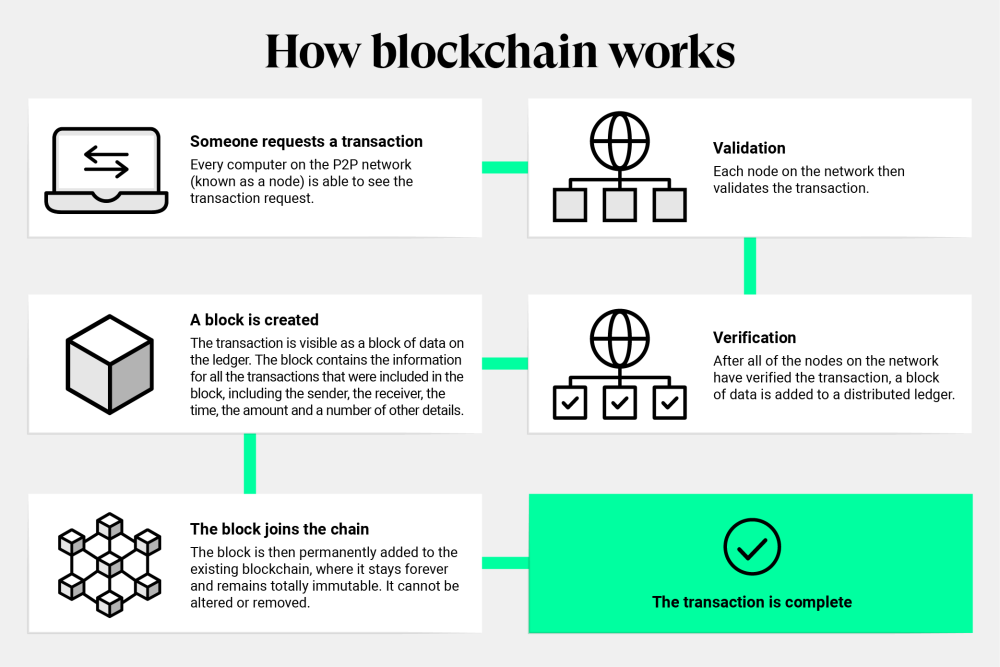
In the landscape of modern computing, few innovations have generated as much discourse, experimentation, and structural change as blockchain technology. At its core, blockchain is a distributed, decentralized, and immutable digital ledger used to record transactions across many computers. This ensures that any involved record cannot be altered retroactively, without the alteration of all subsequent blocks. While often associated with the rise of digital currencies, the underlying architecture of blockchain represents a fundamental shift in how data is stored, verified, and secured in the digital age.
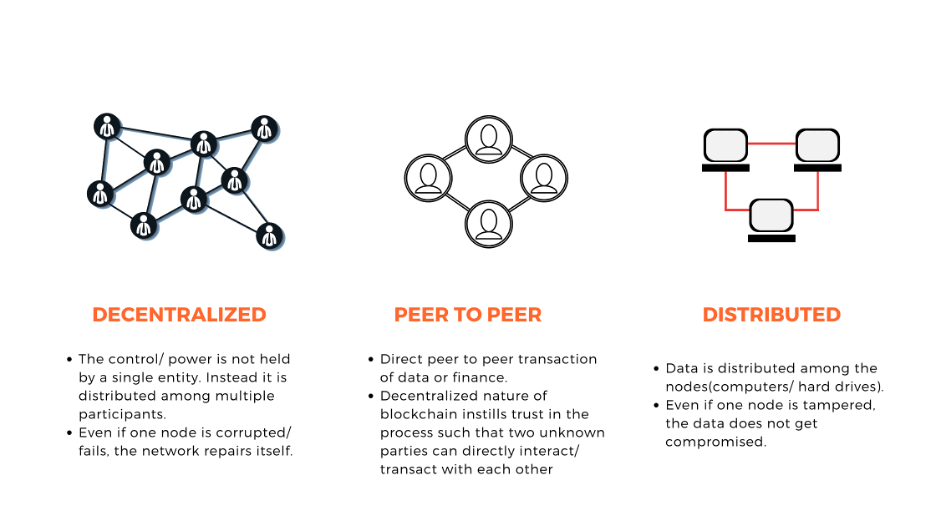
To understand blockchain is to understand the transition from centralized database management to a peer-to-peer (P2P) architecture. In traditional systems, a central authority—be it a bank, a government, or a private corporation—acts as the gatekeeper of information. Blockchain removes this intermediary, replacing institutional trust with algorithmic certainty. This technological paradigm is not merely a new way to store data; it is a new protocol for value exchange and data integrity.
Understanding the Architecture of Decentralized Systems
The technical foundation of blockchain is built upon a specific arrangement of data structures and network protocols. To comprehend how it functions, one must look at the three primary components: the block, the chain, and the network of nodes.
The Anatomy of a Block
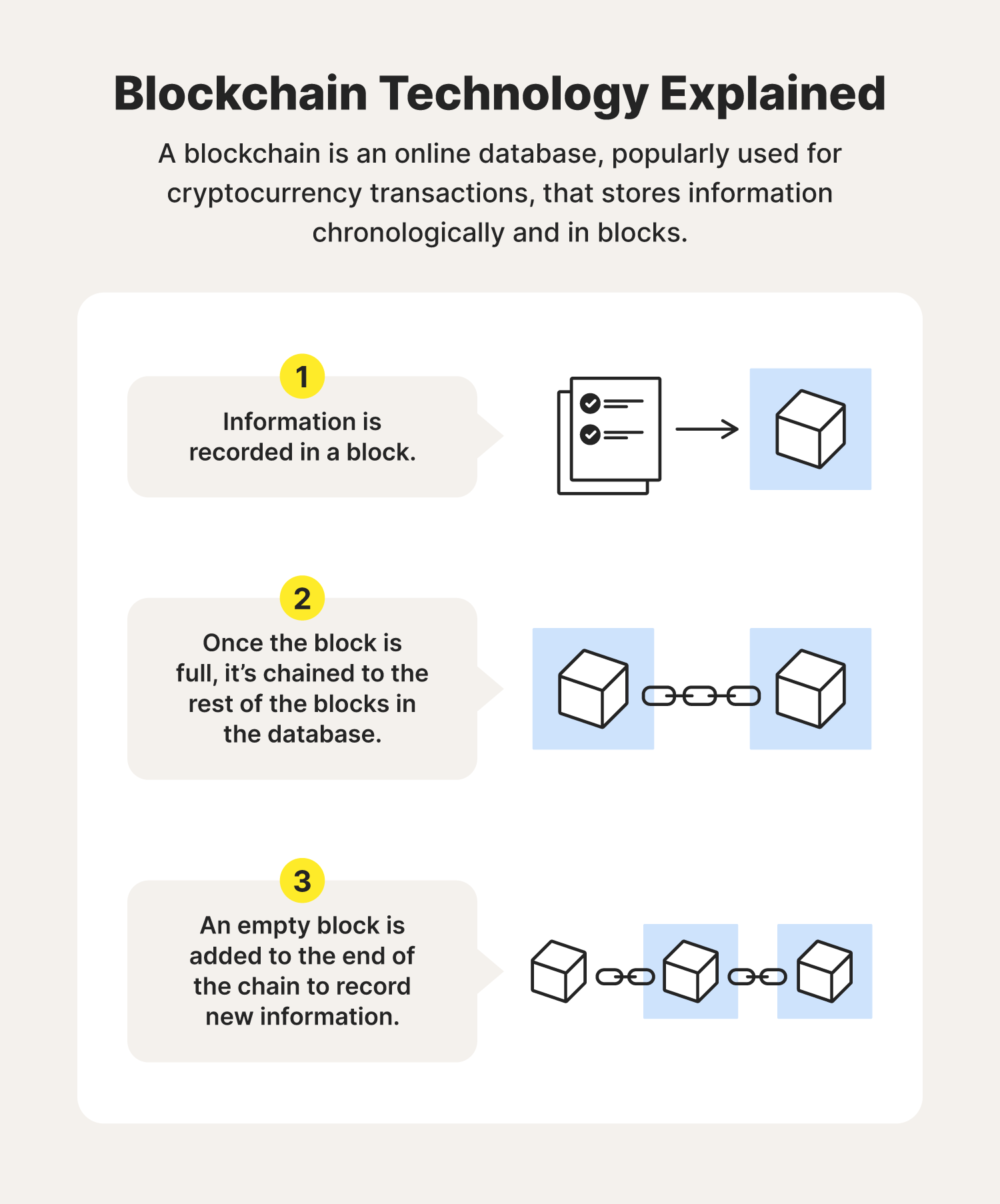
Every blockchain is composed of individual units of data known as “blocks.” Each block contains three essential elements: the data itself, a unique identifier called a “hash,” and the hash of the previous block in the sequence. The data stored within a block depends on the type of blockchain; for instance, in a ledger designed for supply chain management, the data might include shipping timestamps, GPS coordinates, and temperature readings.
The hash is created using a cryptographic algorithm (such as SHA-256). It functions like a digital fingerprint. Once a block is created, its hash is calculated. Changing anything inside the block will cause the hash to change completely. This is the first layer of security: it makes tampering immediately visible.
The Chain and Cryptographic Hashing
The “chain” element refers to the chronological and mathematical link between blocks. Because each block contains the hash of the block that preceded it, they form a continuous sequence. If a malicious actor attempts to alter a transaction in an older block, the hash of that block changes. Consequently, the “previous hash” pointer in the next block becomes invalid, breaking the entire chain from that point forward.
This interconnectedness creates a system where the history of the ledger is self-validating. To successfully change a single record, an attacker would have to recalculate the hashes of every subsequent block in the chain, a task that becomes exponentially difficult as the network grows and the computational power required increases.
Decentralization vs. Centralization
In a centralized system, a single server holds the master copy of the database. If that server is compromised or goes offline, the system fails. Blockchain utilizes a decentralized P2P network. Every computer on the network, known as a “node,” maintains a complete copy of the blockchain.
When a new block is added, it is broadcast to every node. The nodes then reach a consensus on the validity of the new data. This distribution ensures that there is no “single point of failure.” Even if half the nodes on the network were destroyed, the remaining nodes would still hold the full history of the ledger, ensuring 100% uptime and data persistence.
How Consensus Mechanisms Secure the Network
Without a central authority to verify data, a blockchain must rely on a consensus mechanism—a set of rules that allow the distributed nodes to agree on the state of the ledger. This solves the “Byzantine Generals Problem,” a classic dilemma in computer science regarding how to reach agreement in a distributed system where some participants may be unreliable or malicious.
Proof of Work (PoW)
Proof of Work was the first consensus mechanism, popularized by the Bitcoin protocol. In PoW, nodes (often called miners) compete to solve complex mathematical puzzles. The first miner to solve the puzzle earns the right to add the next block to the chain.
This process requires significant computational energy, which serves as a deterrent against spam and attacks. To subvert a PoW network, an attacker would need to control more than 50% of the network’s total computing power—a feat that is economically and logistically prohibitive for large-scale blockchains.
Proof of Stake (PoS)
As concerns regarding the energy consumption of PoW grew, the tech community developed Proof of Stake. In a PoS system, the creators of new blocks are chosen based on the number of tokens they “stake” or lock up as collateral. This removes the need for high-powered hardware and massive electricity consumption.
PoS shifts the security model from computational power to economic incentive. If a validator attempts to process fraudulent transactions, they lose a portion of their staked assets. This ensures that those with the power to validate the network have a vested interest in its continued integrity and performance.
Emerging Protocols: DPoS and PoA
Beyond PoW and PoS, other mechanisms like Delegated Proof of Stake (DPoS) and Proof of Authority (PoA) are gaining traction in specialized enterprise environments. DPoS allows users to vote for a few “delegates” who handle the validation, increasing transaction speed and scalability. PoA, often used in private blockchains, grants validation rights to specific, pre-approved entities whose reputations are at stake. These variations allow developers to balance the “blockchain trilemma”—the trade-off between security, decentralization, and scalability.
Smart Contracts and Programmable Blockchains
The evolution of blockchain technology moved from simple value transfer to “programmable money” with the advent of smart contracts. These are self-executing contracts where the terms of the agreement are written directly into lines of code.
The Evolution from Bitcoin to Ethereum
While the first iteration of blockchain was designed primarily as a ledger for transactions, the “Blockchain 2.0” movement—led by Ethereum—introduced the Ethereum Virtual Machine (EVM). This allowed the blockchain to function as a global, decentralized computer. Instead of just recording “A sent 5 units to B,” the blockchain could now execute complex logic: “If A sends 5 units to B, and B provides proof of delivery, then release the funds to C.”
Real-World Applications of Smart Contracts
Smart contracts eliminate the need for legal intermediaries and escrow services in many digital transactions. In software development, they can be used to manage API access or automate royalty payments for digital content. In the legal tech space, they can automate the execution of wills or insurance claims. Because the code is stored on the blockchain, it is immutable and transparent; all parties can see the logic, and once the conditions are met, the execution is guaranteed.
Decentralized Applications (dApps)
Smart contracts serve as the back-end logic for Decentralized Applications (dApps). Unlike traditional apps where the data is stored on a corporate server (like Google or Facebook), dApps interact directly with the blockchain. This architecture provides users with greater control over their data and prevents censorship, as no single entity can “shut down” a dApp that is distributed across thousands of global nodes.
Security, Privacy, and the Future of Digital Trust
Security is the primary driver of blockchain adoption. By utilizing advanced cryptography and decentralized validation, blockchain addresses many of the vulnerabilities inherent in modern digital infrastructure.
Immutable Ledgers and Data Integrity
The concept of immutability is perhaps the most significant contribution of blockchain to digital security. In traditional databases, an administrator has “CRUD” privileges—Create, Read, Update, and Delete. In a blockchain, there is no “Update” or “Delete” for historical data. You can only append new information. This creates a permanent, audit-ready trail of every action ever taken on the network, which is invaluable for sectors requiring high levels of compliance and transparency.
Private vs. Public Blockchains
Not all blockchains are open to everyone. Public blockchains (like Bitcoin or Ethereum) are permissionless; anyone can join and participate. However, many enterprises utilize “Permissioned” or Private Blockchains. These are restricted to a specific group of participants, such as a consortium of banks or a group of companies within a supply chain. These hybrid models offer the security benefits of distributed ledgers while maintaining the privacy required for sensitive corporate data.
Scaling Solutions and Layer 2 Networks
The biggest hurdle for blockchain technology today is scalability. Because every node must verify every transaction, public blockchains can become slow and expensive during high usage. To solve this, developers are building “Layer 2” solutions—protocols that sit on top of the main blockchain (Layer 1). These protocols handle transactions off-chain and then bundle them together to be settled on the main chain in a single transaction. Technologies like “Rollups” and “State Channels” are currently the frontier of blockchain engineering, aiming to bring the speed of traditional payment processors to decentralized networks.
The Transformative Potential Across Industries
As the technology matures, we are seeing blockchain integrate with other pillars of the Fourth Industrial Revolution, including Artificial Intelligence (AI) and the Internet of Things (IoT).
Supply Chain and Logistics
Blockchain provides a single source of truth for complex global supply chains. By tagging physical goods with IoT sensors and recording their movement on a blockchain, companies can track products from the raw material stage to the end consumer. This prevents counterfeiting, reduces paperwork, and allows for immediate identification of the source of contaminated products in the food industry.
Digital Identity and Cybersecurity
Current identity systems are fragmented and prone to data breaches. Blockchain enables “Self-Sovereign Identity” (SSI), where individuals own and control their digital credentials without relying on a central provider. Furthermore, blockchain-based Domain Name Systems (DNS) are being developed to prevent DDoS attacks and hijacking by removing the centralized registries that hackers currently target.
Convergence with AI
The marriage of AI and blockchain could solve some of the most pressing issues in tech. AI requires massive datasets, often held by silos like Big Tech. Blockchain can facilitate “Data Marketplaces” where data is shared securely and transparently. Additionally, as AI becomes more autonomous, blockchain can provide an immutable audit log of AI decision-making processes, ensuring accountability in automated systems.
Blockchain is far more than a buzzword or a niche financial tool. It is a fundamental advancement in software engineering and digital security. By providing a way to establish trust in a trustless environment, it paves the way for a more transparent, secure, and efficient digital future. Whether through the automation of smart contracts or the security of distributed ledgers, blockchain technology is rewriting the rules of the digital world.
aViewFromTheCave is a participant in the Amazon Services LLC Associates Program, an affiliate advertising program designed to provide a means for sites to earn advertising fees by advertising and linking to Amazon.com. Amazon, the Amazon logo, AmazonSupply, and the AmazonSupply logo are trademarks of Amazon.com, Inc. or its affiliates. As an Amazon Associate we earn affiliate commissions from qualifying purchases.