
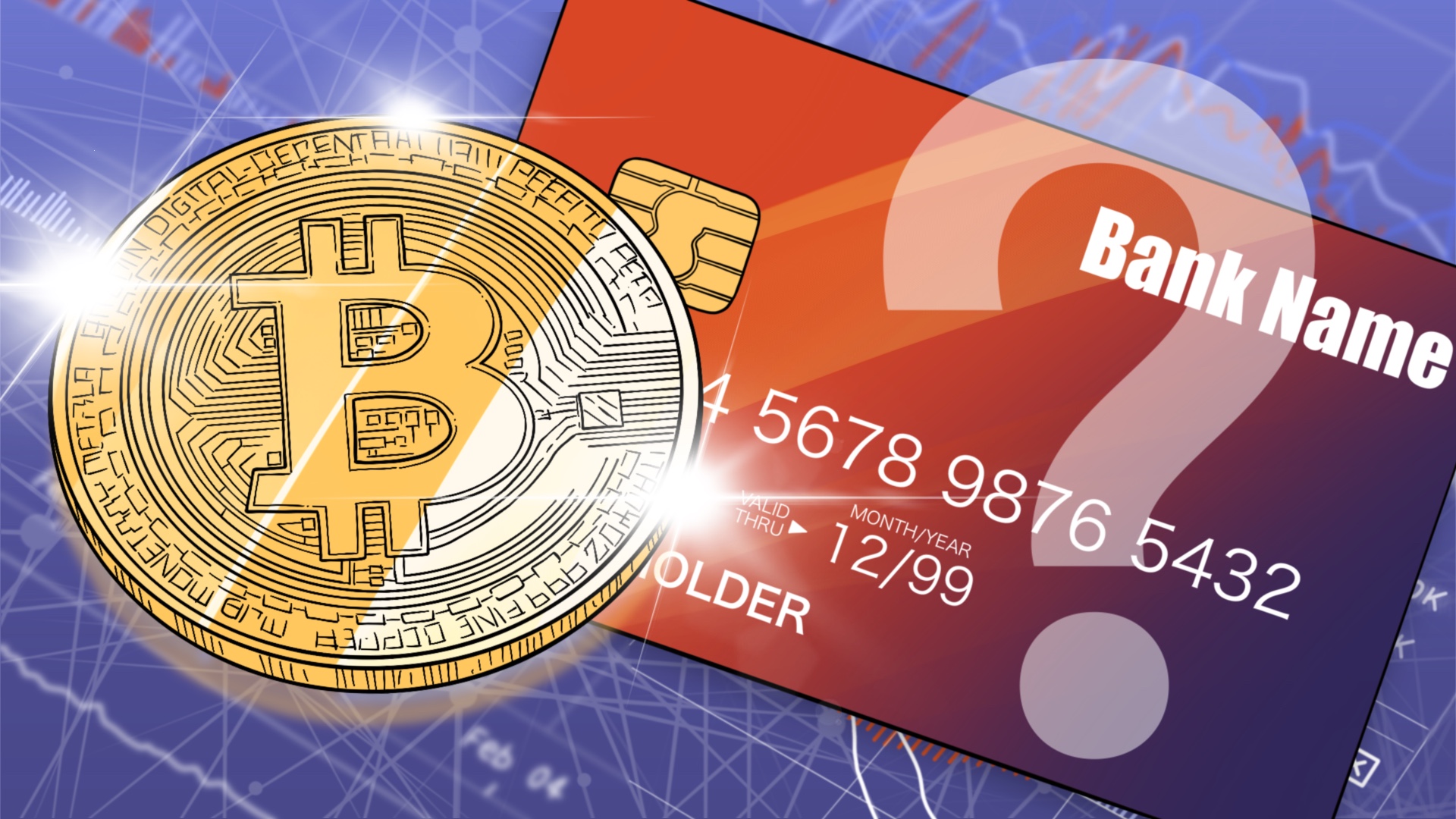
The financial landscape has undergone a seismic shift over the last decade. What was once considered a fringe digital experiment is now a cornerstone of modern portfolio diversification. Bitcoin, the world’s first and largest cryptocurrency, has evolved into a recognized asset class, often referred to as “digital gold.” For many investors, the primary barrier to entry is no longer a lack of interest, but rather the perceived complexity of the acquisition process. Fortunately, the integration of traditional banking infrastructure with digital asset exchanges has simplified the journey. Using a debit card to purchase Bitcoin is currently one of the fastest, most accessible methods available for both novice and experienced investors.

By leveraging a debit card, individuals can bypass the multi-day waiting periods associated with traditional bank wires or ACH transfers. This guide explores the strategic, financial, and logistical aspects of using a debit card to build your digital asset holdings, ensuring you maximize efficiency while maintaining high standards of security.
The Advantages of Using a Debit Card for Bitcoin Purchases
In the realm of personal finance, speed and convenience are often prioritized alongside security. When purchasing Bitcoin, the volatility of the market means that timing can significantly impact your entry price. Using a debit card offers several distinct advantages over other payment methods.
Instant Transaction Settlement
The most compelling reason to use a debit card is the immediacy of the transaction. When you use a standard bank transfer (ACH or SEPA), it can take anywhere from three to five business days for the funds to clear and the Bitcoin to appear in your account. In a market where prices can move double-digit percentages in a single day, this delay can be costly. A debit card purchase typically settles instantly, allowing you to lock in the current market price the moment you click “buy.”
Seamless Integration with Existing Banking
Most investors already have a debit card linked to their primary checking account. This eliminates the need to set up new types of accounts or navigate the complexities of international wire transfers. Because the funds are drawn directly from your available balance, it also encourages a more disciplined approach to investing. Unlike credit cards, which involve borrowing money and often incur high-interest “cash advance” fees when used for crypto, debit cards ensure you are only investing capital you actually possess.
Lower Barrier to Entry for Beginners
For those just starting their journey into digital finance, the user interface of most major exchanges is designed to mirror traditional e-commerce experiences. Buying Bitcoin with a debit card feels very similar to purchasing a product from an online retailer. This familiarity reduces the “analysis paralysis” that often plagues new investors when confronted with complex order books or cryptographic addresses.
A Step-by-Step Guide to Purchasing Your First Bitcoin
Navigating the transition from fiat currency to digital assets requires a structured approach. To ensure your funds are handled safely, follow these essential steps to complete your purchase using a debit card.
Choosing a Reputable Exchange or Brokerage
The first step is selecting a platform that supports debit card transactions and maintains high regulatory standards. Prominent exchanges like Coinbase, Binance, Kraken, and Gemini are popular choices due to their robust security protocols and user-friendly interfaces. When choosing a platform, consider its fee structure, the geographic regions it serves, and its history of uptime during periods of high market activity.
Account Creation and Identity Verification (KYC)
Once you have selected a platform, you will need to create an account. Because Bitcoin is now heavily integrated into the global financial system, reputable exchanges must comply with “Know Your Customer” (KYC) and “Anti-Money Laundering” (AML) regulations. You will be required to provide personal information, including a government-issued ID and potentially proof of residence. While this may seem intrusive, it is a critical safeguard that protects both the exchange and the investor from fraudulent activity.
Adding Your Debit Card as a Payment Method
After your identity is verified, navigate to the “Payment Methods” or “Linked Accounts” section of the exchange. Select the option to add a debit card. You will enter your card details just as you would for any online purchase. Many exchanges will perform a “micro-transaction”—a temporary charge of a few cents—to verify that the card is active and belongs to you. You will then need to log into your online banking portal to confirm the exact amount of that micro-transaction to complete the linking process.
Executing the Trade
With your card linked, you are ready to buy. Go to the “Buy/Sell” section, select Bitcoin (BTC), and enter the amount you wish to spend. The platform will display a preview of the transaction, showing the amount of Bitcoin you will receive, the current exchange rate, and the fees associated with the purchase. Once you confirm, the transaction is processed, and the Bitcoin is credited to your exchange-hosted wallet.
Understanding Fees and Limits

While debit cards offer speed, they often come with a higher price tag than other funding methods. For a strategic investor, understanding these costs is vital for calculating the “all-in” cost of an investment.
Transaction Fees vs. Convenience Fees
Most exchanges charge two types of fees for debit card purchases: a spread (the difference between the buy and sell price) and a flat or percentage-based transaction fee. Debit card fees typically range from 1.5% to 4%, which is significantly higher than the 0% to 0.5% often charged for ACH transfers or bank wires. This premium is essentially a “convenience fee” for the speed and ease of the service.
Bank-Side Charges and Foreign Transaction Fees
Beyond the exchange’s fees, your own bank may impose charges. Some banks categorize cryptocurrency purchases as “quasi-cash” transactions, which may trigger additional fees. Furthermore, if the exchange is based in a different country, you might be hit with a foreign transaction fee (usually around 3%). It is advisable to check your bank’s policy on digital asset purchases before making a large transaction.
Managing Purchase Limits
New accounts often have lower daily or weekly purchase limits when using a debit card. These limits are in place to mitigate the risk of fraud. As you build a history of successful transactions and provide additional verification, these limits are usually increased. If you intend to make a large, one-time investment, a bank wire may be more appropriate; however, for regular, smaller increments, the debit card limits are usually more than sufficient.
Security and Best Practices for Digital Asset Management
In the world of digital finance, you are your own bank. This sovereignty comes with a high level of responsibility. Securing your investment is just as important as the act of buying it.
Enabling Two-Factor Authentication (2FA)
The first line of defense for any investment account is Two-Factor Authentication. Avoid SMS-based 2FA, as it is vulnerable to “SIM-swapping” attacks. Instead, use an app-based authenticator like Google Authenticator or a physical security key like a YubiKey. This ensures that even if someone steals your password, they cannot access your account without your physical device.
Choosing the Right Wallet: Hot vs. Cold Storage
When you buy Bitcoin on an exchange, it is initially stored in a “hot wallet”—a wallet connected to the internet. While convenient for quick trading, hot wallets are more susceptible to hacks. For long-term holdings, many investors move their Bitcoin to “cold storage,” such as a hardware wallet (e.g., Ledger or Trezor). Cold storage keeps your private keys offline, making it virtually impossible for remote hackers to steal your funds.
Recognizing Phishing and Fraudulent Platforms
As Bitcoin’s value has grown, so has the sophistication of scams. Always ensure you are on the official website of your chosen exchange. Be wary of emails or text messages asking you to “reset your password” or “verify your account” through a link. A legitimate exchange will never ask for your private keys or your login credentials over the phone or via social media.
Strategic Considerations for the Long-Term Investor
Buying Bitcoin is not just a technical process; it is a financial strategy. Integrating Bitcoin into your broader financial plan requires a disciplined approach to risk and volatility.
Dollar-Cost Averaging (DCA) via Debit Card
One of the most effective strategies for investing in volatile assets is Dollar-Cost Averaging. Instead of trying to “time the market” with a single large purchase, you commit to buying a fixed dollar amount of Bitcoin at regular intervals (e.g., $50 every week). Many exchanges allow you to automate this process using your linked debit card. Over time, this strategy smooths out the impact of price swings and reduces the emotional stress of investing.
Tax Implications of Small, Frequent Purchases
In many jurisdictions, Bitcoin is treated as property for tax purposes. Every time you sell, swap, or spend Bitcoin, it is considered a taxable event. If you are making frequent purchases via a debit card, it is essential to keep meticulous records of your “cost basis” (the price at which you bought the Bitcoin). Using crypto-specific tax software can help automate this tracking, ensuring you remain compliant with local tax laws.
The Role of Bitcoin in a Diversified Portfolio
Bitcoin is often characterized by its high volatility, but it also has a low correlation with traditional assets like stocks and bonds. This makes it a powerful tool for diversification. Financial advisors who are pro-crypto often suggest a small allocation—typically 1% to 5% of a total portfolio—to digital assets. This allows an investor to capture the potential upside of the technology while limiting the downside risk to the overall portfolio.
By understanding the mechanics of debit card purchases and the strategic nuances of the crypto market, you can navigate this new financial frontier with confidence. The ability to instantly convert fiat currency into a global, decentralized asset is a hallmark of the modern age, providing individuals with unprecedented control over their financial future.
aViewFromTheCave is a participant in the Amazon Services LLC Associates Program, an affiliate advertising program designed to provide a means for sites to earn advertising fees by advertising and linking to Amazon.com. Amazon, the Amazon logo, AmazonSupply, and the AmazonSupply logo are trademarks of Amazon.com, Inc. or its affiliates. As an Amazon Associate we earn affiliate commissions from qualifying purchases.