
The landscape of digital streaming underwent a seismic shift in early 2024 when Amazon, one of the world’s most powerful corporate entities, officially integrated advertisements into its Prime Video service. For a decade, the Prime brand had been synonymous with “frictionless” consumption—a premium ecosystem where a single annual fee unlocked a world of logistics, music, and ad-free cinematic entertainment. However, on January 29, 2024, that brand promise evolved.
The decision to introduce ads was not merely a technical update or a minor monetization tweak; it was a calculated move in brand strategy that signaled the end of the “Golden Age” of ad-free streaming. By understanding the timeline and the strategic imperatives behind this transition, we can gain insight into how modern corporate giants balance brand equity with the relentless pursuit of high-margin revenue.
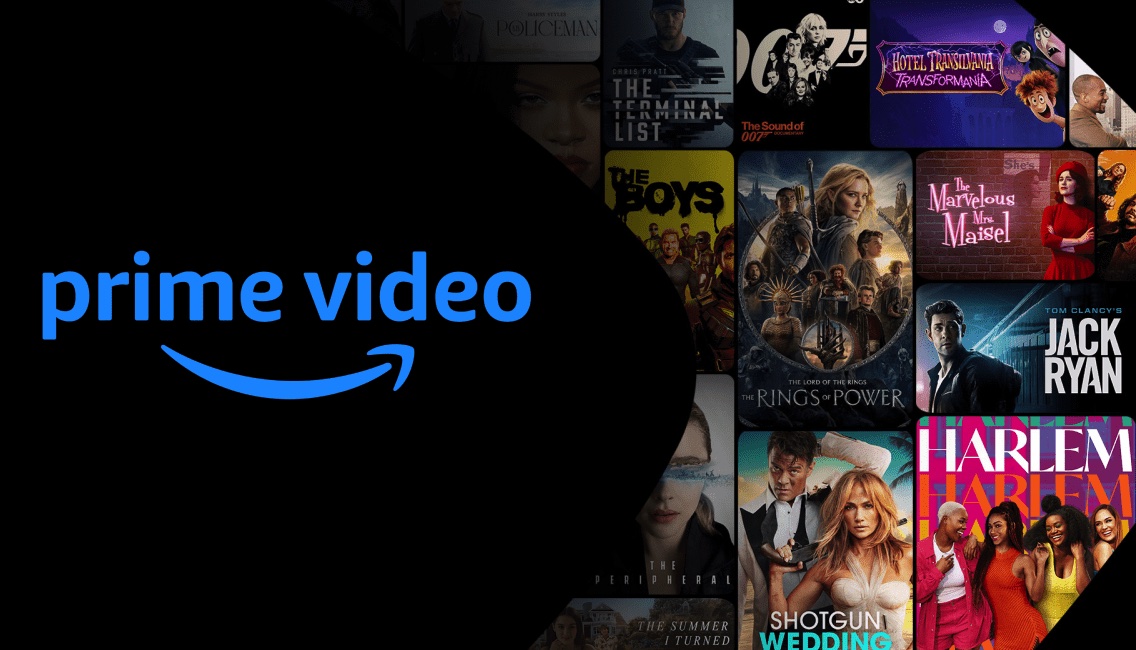
The Official Timeline: January 2024 and the New Prime Architecture
The formal rollout of advertisements on Amazon Prime Video began on January 29, 2024, for users in the United States, United Kingdom, Germany, and Canada. This was followed shortly by expansions into France, Italy, Spain, Mexico, and Australia later in the year. Unlike other streaming services that launched separate “Basic with Ads” tiers at a lower price point, Amazon took a more aggressive brand approach: it integrated ads into the existing default subscription.
The Default Pivot
This strategy was distinct in the world of brand management. While competitors like Netflix and Disney+ invited users to opt-in to a cheaper tier to view ads, Amazon opted its entire base into the ad-supported tier. To remain ad-free, subscribers were required to pay an additional monthly surcharge (typically $2.99 in the U.S.). From a brand psychology perspective, this shifted the narrative from “saving money by watching ads” to “paying extra to maintain the status quo.”
Communication and Brand Messaging
Amazon’s communication leading up to the launch was carefully curated to minimize “brand friction.” The company framed the introduction of ads as a necessity to “continue investing in compelling content and keep increasing that investment over a long period of time.” By positioning the move as a commitment to quality, Amazon sought to shield its corporate identity from accusations of corporate greed, instead highlighting the high costs of prestige television like The Rings of Power and The Boys.
Brand Strategy: Why Amazon Risked Consumer Friction
To understand why Amazon would risk the goodwill associated with the Prime brand, one must look at the evolution of Amazon’s corporate identity from an “everything store” to a “data and advertising powerhouse.” Amazon is no longer just a retailer; it is one of the largest advertising platforms in the world, trailing only Google and Meta.
Leveraging the Prime Ecosystem
The Prime brand is built on a “flywheel” effect. Every element of the membership—from free shipping to Whole Foods discounts—is designed to keep the consumer within the Amazon ecosystem. Integrating ads into Prime Video was the final piece of the puzzle for their brand’s advertising wing. It allowed Amazon to offer brands something no other streamer could: a closed-loop attribution system. Because Amazon knows what users watch and what they buy, the brand can sell advertising slots that are backed by unparalleled consumer purchase data.
High-Margin Revenue vs. Subscription Growth
In the current era of brand strategy, growth for growth’s sake has been replaced by a focus on profitability. Subscription fees are “sticky,” but they have a ceiling. Advertising revenue, however, is highly scalable and carries significantly higher margins. By introducing ads, Amazon successfully converted its massive Prime Video audience into a high-value product for marketers. This shift repositioned Prime Video from a “value-added perk” of the shipping service to a standalone revenue driver that competes directly with traditional broadcast networks and digital giants like YouTube.
Navigating the Risk of Brand Dilution

One of the greatest risks in brand management is dilution—the weakening of a brand’s premium status through cost-cutting or the introduction of negative consumer experiences. For many, the “Prime” name represented a sanctuary from the cluttered, ad-heavy world of traditional cable.
The UX vs. Revenue Paradox
The introduction of ads inherently creates friction in the user experience (UX). In the world of brand design, friction is usually the enemy. Amazon mitigated this risk by promising “meaningfully fewer ads than linear TV and other streaming TV providers.” This “less-is-more” branding strategy was designed to reassure premium subscribers that while the experience was changing, it would not descend into the cluttered environment of free-to-air television.
Managing Customer Sentiment
The backlash to the January 2024 launch was predictable, ranging from social media outcry to class-action lawsuits centered on the “bait and switch” of a service that was sold as ad-free. Amazon’s brand resilience was put to the test. However, the company relied on the “lock-in” effect of the broader Prime membership. Because the Prime brand is so deeply integrated into the daily logistics of the modern household—through shipping and grocery—the company calculated that the brand equity in logistics would outweigh the temporary frustration in the entertainment sector.
The New Industry Standard: Normalizing the Ad-Tier
Amazon did not make this move in a vacuum. The January 2024 start date was the culmination of a broader industry trend where the “premium” label no longer automatically equated to “ad-free.”
The Competitive Context
When Netflix launched its ad tier in late 2022 and Disney+ followed shortly after, the psychological barrier for consumers was lowered. Amazon’s entry into the ad-supported space was the final signal that the subscription-only model of the 2010s was a historical anomaly. From a branding standpoint, Amazon was able to leverage “social proof” from its competitors; if the biggest names in the industry were doing it, the move became an industry standard rather than a brand-specific failure.
Fragmentation of the “Premium” Identity
This shift has led to a fragmentation of what it means to be a “Premium” brand. In the current market, there are now levels of “Premium.”
-
Premium Lite: Access to the brand’s ecosystem but with commercial interruptions.
-
Ultra-Premium: The original ad-free experience, now positioned as a luxury upgrade.
By creating these tiers, Amazon and its peers have successfully rebranded “ad-free” as an elite feature rather than a baseline expectation.
The Future of the Prime Brand in an Ad-Supported World
As we move further past the January 2024 start date, the Prime brand continues to evolve. The integration of ads was not the end of the strategy, but the beginning of a more sophisticated, data-driven brand identity.
Interactive and Shoppable Ads
Amazon is already experimenting with the next phase of its brand evolution: shoppable ads. Because the Prime Video app lives on the same devices where the Amazon shopping app resides, the brand is uniquely positioned to turn ads into direct retail opportunities. Imagine watching a cooking show and being able to add the featured cookware to your Amazon cart via a remote control click. This integrates the “Brand as Store” and “Brand as Content Creator” identities into a singular, seamless experience.

Conclusion: A Calculated Evolution
When Amazon Prime started showing ads in early 2024, it wasn’t just changing a software setting; it was redefining its relationship with over 200 million subscribers. The move represented a pivot from a consumer-centric “service” model to a dual-sided “marketplace” model where both viewers and advertisers are the customers.
While the “Prime” brand may have lost some of its luster as a pure, uninterrupted sanctuary for cinema lovers, it has gained a more formidable identity as an indispensable, vertically integrated media and retail titan. In the world of high-level brand strategy, Amazon demonstrated that if a brand is essential enough to a consumer’s daily life, it can rewrite the rules of its own value proposition—even if that means bringing back the commercials we all thought we had left behind.
aViewFromTheCave is a participant in the Amazon Services LLC Associates Program, an affiliate advertising program designed to provide a means for sites to earn advertising fees by advertising and linking to Amazon.com. Amazon, the Amazon logo, AmazonSupply, and the AmazonSupply logo are trademarks of Amazon.com, Inc. or its affiliates. As an Amazon Associate we earn affiliate commissions from qualifying purchases.