
In the modern global economy, Amazon has redefined the logistics of retail, transforming the way consumers spend and how businesses scale. However, the convenience of “one-click” purchasing often masks a complex web of financial variables. Whether you are a household consumer trying to optimize your monthly budget or an entrepreneur building a side hustle through Amazon’s platform, understanding the nuances of shipping costs is critical. Shipping is rarely “free”; it is a cost that is either subsidized by a membership fee, baked into the product’s retail price, or calculated as a direct overhead expense for a business.
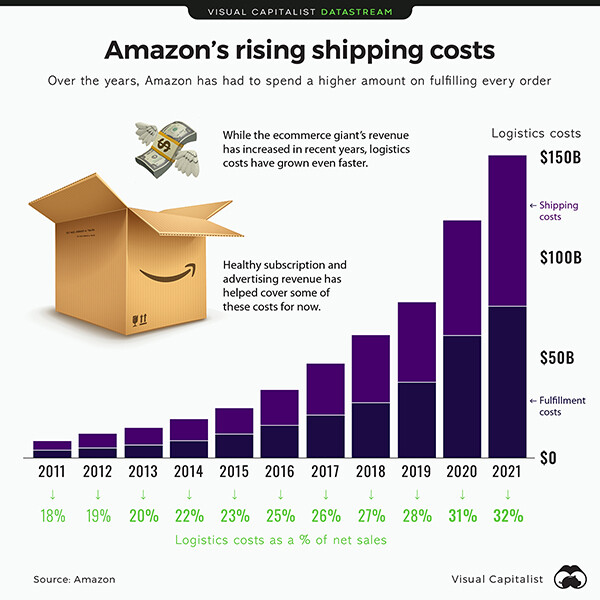
To master the financial ecosystem of Amazon, one must look beyond the checkout button and analyze the underlying cost structures that dictate profitability and purchasing power.
The Consumer Perspective: Balancing Membership Costs and Shipping Fees
For the average individual, Amazon shipping costs are divided into two distinct categories: the Prime experience and the non-Prime experience. Each has a significant impact on personal finance and annual spending habits.
The Prime Subscription Model: Is the Annual Fee Justifiable?
Amazon Prime is a masterclass in behavioral economics. By paying an upfront annual or monthly fee, consumers unlock “free” shipping on millions of items. From a financial planning perspective, this is a sunk cost that requires a break-even analysis. If a standard shipping charge is roughly $5.99 to $9.99 per order, a consumer must place at least 15 to 20 orders per year to justify the membership cost solely on shipping savings.
However, the value proposition extends into cash flow management. Prime members often benefit from “Same-Day” or “One-Day” delivery at no additional cost, which can reduce the need for local travel and the associated fuel expenses. For a high-volume shopper, the subscription acts as a hedge against the rising costs of third-party logistics and fuel surcharges that often plague traditional e-commerce platforms.
Non-Prime Shipping: Calculating the Real Cost of One-Off Purchases
For those who opt out of the Prime ecosystem, shipping costs are transparent but potentially volatile. Amazon typically employs a tiered pricing strategy for non-Prime members. These costs are often calculated based on weight, dimensions, and the speed of delivery requested.
A standard order might incur a base fee plus a per-item or per-pound charge. This can significantly alter the “true price” of a product. For example, a $15 household item might suddenly cost $22 after shipping and taxes are applied—a 46% increase in the total acquisition cost. For budget-conscious consumers, this necessitates a more disciplined approach to shopping, such as “batching” orders to hit the free shipping threshold.
The “Free Shipping” Threshold: A Financial Strategy
Amazon frequently offers free shipping to non-Prime customers who meet a minimum purchase requirement, usually ranging from $25 to $35. While this appears to be a saving, it often leads to “cart padding”—the practice of adding unnecessary items to the basket just to reach the threshold. From a personal finance standpoint, spending an extra $10 to save $7 in shipping is a net loss of $3. Mastering the financial side of Amazon shipping requires the discipline to only use this threshold when the additional items were already on your planned shopping list.
The Seller Perspective: Fulfillment Costs and Business Profitability
For entrepreneurs and businesses, shipping on Amazon is not just a fee; it is a fundamental component of the Cost of Goods Sold (COGS). The choice between Fulfillment by Amazon (FBA) and Fulfillment by Merchant (FBM) can make or break a business’s net margin.
Fulfillment by Amazon (FBA) Fees: Trading Margin for Logistics
FBA is the cornerstone of many successful Amazon side hustles and corporate brands. Under this model, the seller sends inventory to Amazon’s warehouses, and Amazon handles the picking, packing, and shipping. The cost for this service is comprehensive but can be expensive.
FBA fees are generally split into two categories: fulfillment fees and storage fees. Fulfillment fees are flat rates per unit, based on the size and weight of the product. For instance, a “Small Standard” item might cost a seller $3.22 to ship, whereas a “Large Bulky” item could cost $10 or more.
Furthermore, storage fees are calculated per cubic foot. In the fourth quarter (October through December), these fees often triple to account for the high demand during the holiday season. A business that fails to manage its inventory turnover ratio during these months will see its profits evaporated by these escalating logistics costs.
Fulfillment by Merchant (FBM): Controlling Overhead through Direct Management
FBM allows sellers to maintain control over their logistics. This is often the preferred route for businesses with existing warehouse infrastructure or those selling products with low margins that cannot absorb FBA fees.
In the FBM model, the shipping cost is determined by the seller’s negotiated rates with carriers like UPS, FedEx, or the USPS. While this allows for more competitive pricing on certain items, FBM sellers must account for the “hidden” costs: packaging materials, labor for packing, and the financial risk of returns. When a customer returns an item, the shipping cost is often a total loss for the seller, necessitating a robust risk management strategy in their business model.
Variable Closing Fees and Referral Interactions
It is a common misconception that shipping is a standalone cost. On Amazon, shipping fees often interact with referral fees (the commission Amazon takes on each sale). For certain categories, such as Media (books, DVDs, music), Amazon applies a “Variable Closing Fee.” If a seller is not careful, the combination of the referral fee, the closing fee, and the actual shipping expense can result in a negative ROI on low-cost items.
The Impact of Geography and Scale on Shipping Logistics
The geography of the buyer and the seller creates a massive variance in the actual cost of fulfillment. This is where business finance meets global logistics.
Domestic vs. International Shipping: Navigating Customs and Surcharges
Shipping internationally via Amazon Global opens a business to a massive market, but it introduces significant financial complexity. Cross-border shipping involves Import Fees Deposits, customs duties, and international carrier surcharges.
For a consumer, these costs are often presented at checkout, but they can sometimes double the price of the item. For a seller, international shipping requires a sophisticated understanding of “Incoterms” and tax obligations in different jurisdictions. A failure to accurately estimate these costs can lead to blocked shipments and heavy financial penalties, turning a profitable international expansion into a significant liability.
Heavy and Bulky Items: The Margin Killers
Weight and dimensions are the two most influential factors in shipping costs. Amazon uses a “Dimensional Weight” calculation for larger packages, which bills the shipper based on the package’s volume rather than its actual weight if the volume is high.
From a business finance perspective, this makes product design and packaging optimization a high-ROI activity. Reducing a box size by just one inch in any direction can sometimes drop a product into a lower shipping tier, saving thousands of dollars in monthly overhead for high-volume sellers.
Strategic Financial Optimization for Amazon Users
To navigate the Amazon ecosystem successfully, one must treat shipping as a variable cost that can be optimized through strategic planning.
For the Individual: Maximizing Rewards and Consolidated Deliveries
Consumers can offset shipping-related costs by using Amazon-branded credit cards that offer 3% to 5% cash back on all purchases. This effectively acts as a discount on the total “landed cost” of their goods. Additionally, choosing “Amazon Day Delivery” (consolidating multiple orders into one delivery day) sometimes rewards users with digital credits for eBooks or streaming, providing a small but tangible return on their shipping patience.
For the Entrepreneur: Reducing Dimensional Weight and Multi-Channel Fulfillment
For those running a business on Amazon, the goal is to maximize the “Profit per Unit.” This is achieved by:
-
Packaging Optimization: Using vacuum-sealing for soft goods or custom-fitted boxes to avoid “Dead Air” charges.
-
Inventory Placement: Utilizing Amazon’s Inventory Placement Service to reduce the number of shipments sent to different fulfillment centers, thereby lowering inbound shipping costs.
-
Multi-Channel Fulfillment (MCF): Using Amazon’s logistics network to fulfill orders from other platforms (like Shopify or eBay). This allows a business to leverage Amazon’s discounted shipping rates across their entire enterprise, improving overall business finance health.
The Long-Term Financial Outlook
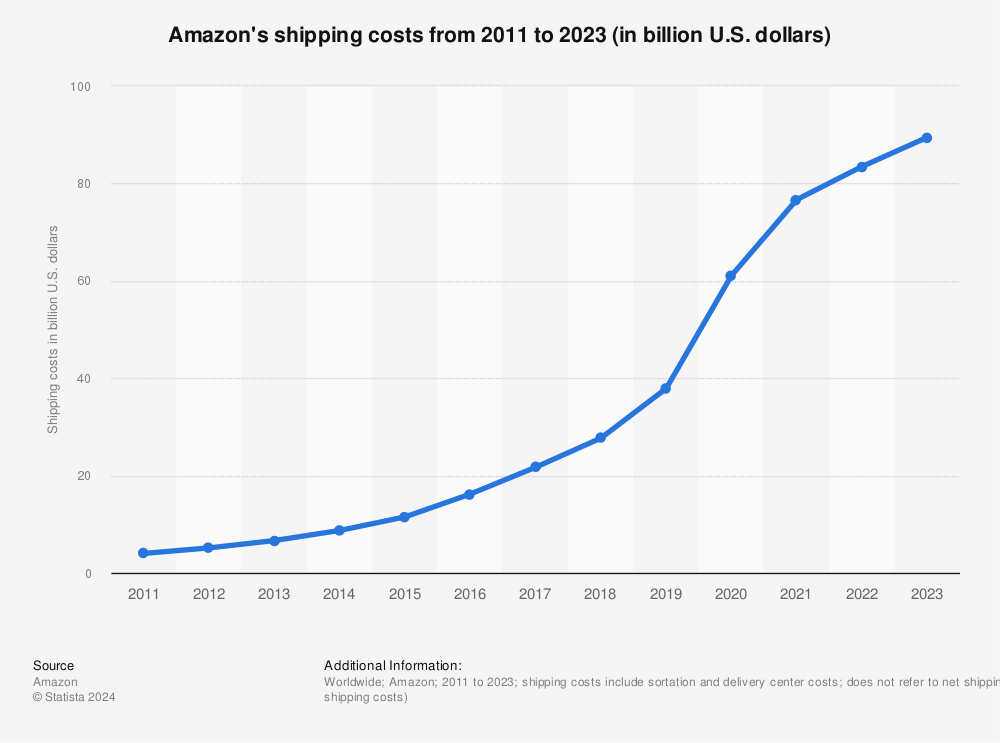
As fuel prices fluctuate and labor costs in the logistics sector rise, Amazon shipping costs are likely to remain dynamic. For the savvy consumer, this means being more selective about membership and order frequency. For the business owner, it means constantly auditing fulfillment reports and staying agile.
In conclusion, the cost of shipping on Amazon is a multifaceted financial metric. It is a blend of subscription models, logistical fees, and strategic choices. By understanding the granular details of how these costs are calculated and applied, both consumers and sellers can protect their margins, optimize their budgets, and navigate the world’s largest marketplace with financial precision. Shipping is never just a line item; it is a critical component of modern wealth management and business strategy.
aViewFromTheCave is a participant in the Amazon Services LLC Associates Program, an affiliate advertising program designed to provide a means for sites to earn advertising fees by advertising and linking to Amazon.com. Amazon, the Amazon logo, AmazonSupply, and the AmazonSupply logo are trademarks of Amazon.com, Inc. or its affiliates. As an Amazon Associate we earn affiliate commissions from qualifying purchases.