
For entrepreneurs, side-hustlers, and established brands, Amazon represents the most significant marketplace on the planet. However, the question of “how much it costs” to leverage this platform is multifaceted. It is not merely a single subscription fee; it is a complex ecosystem of referral percentages, fulfillment overheads, storage costs, and advertising expenditures. To build a sustainable business model on Amazon, one must look past the surface and understand the granular financial mechanics that dictate profitability.
Whether you are launching a private label brand or scaling a retail arbitrage operation, your success depends on your ability to calculate “landed costs” and “net margins” with precision. This guide breaks down the tiered financial structure of Amazon’s selling platform to provide a clear roadmap for your business investment.
The Foundation: Selecting a Selling Plan
Before a single product is listed, an entrepreneur must decide on the administrative framework of their account. Amazon offers two primary paths, each designed for a different stage of business growth.
The Individual Selling Plan: For Low-Volume Testing
The Individual plan is designed for those who are either testing a niche or selling fewer than 40 units per month. There is no monthly subscription fee, which makes it an attractive low-risk entry point. However, Amazon charges a $0.99 fee for every item sold, in addition to referral fees.
From a financial strategy perspective, the Individual plan is a “pay-as-you-go” model. While it keeps fixed overhead low, it lacks access to critical business tools such as automated pricing, advanced reports, and, most importantly, the ability to apply for restricted categories.
The Professional Selling Plan: The Scalable Standard
Once a business surpasses 40 sales per month, the Professional plan becomes the mathematically superior choice. At a flat rate of $39.99 per month, the per-item fee is waived. Beyond the cost-per-unit savings, this plan is essential for any serious brand because it provides access to the “Buy Box”—the section of the product page where customers can click “Add to Cart.” Without the Buy Box, a seller’s conversion rates typically plummet.
The Professional plan also unlocks Amazon Advertising, the ability to create customized shipping rates, and eligibility for top-placement search results. For a serious business, the $39.99 is not a cost but a foundational investment in marketplace visibility.
The Core Expenses: Referral Fees and Variable Costs
Regardless of the selling plan chosen, Amazon takes a percentage of every transaction. This is known as the Referral Fee, and it essentially acts as a commission for bringing the customer to your product.
Understanding Referral Fee Percentages
Referral fees vary significantly by category. Most sellers can expect to pay an average of 15%. However, the spectrum is wide:
-
Electronics and Computers: Usually lower, ranging from 6% to 8%, due to the high price point and low margins of the hardware industry.
-
Clothing and Accessories: Often 17%, reflecting the higher return rates and marketing costs associated with fashion.
-
Amazon Device Accessories: Can be as high as 45%.
-
Books and Media: Generally 15%, but these categories also incur “Closing Fees” (typically $1.80 per item), which cover the specific logistics of media distribution.
Minimum Referral Fees and Small-Margin Impacts
In many categories, Amazon enforces a minimum referral fee (often $0.30). While this sounds negligible, it is a critical factor for those selling low-cost items (e.g., $3.00 keychains). If your item is priced very low, the minimum fee can represent a massive portion of your margin. Calculating these “micro-costs” is essential for high-volume, low-margin business models.
Fulfillment by Amazon (FBA) vs. Fulfillment by Merchant (FBM)
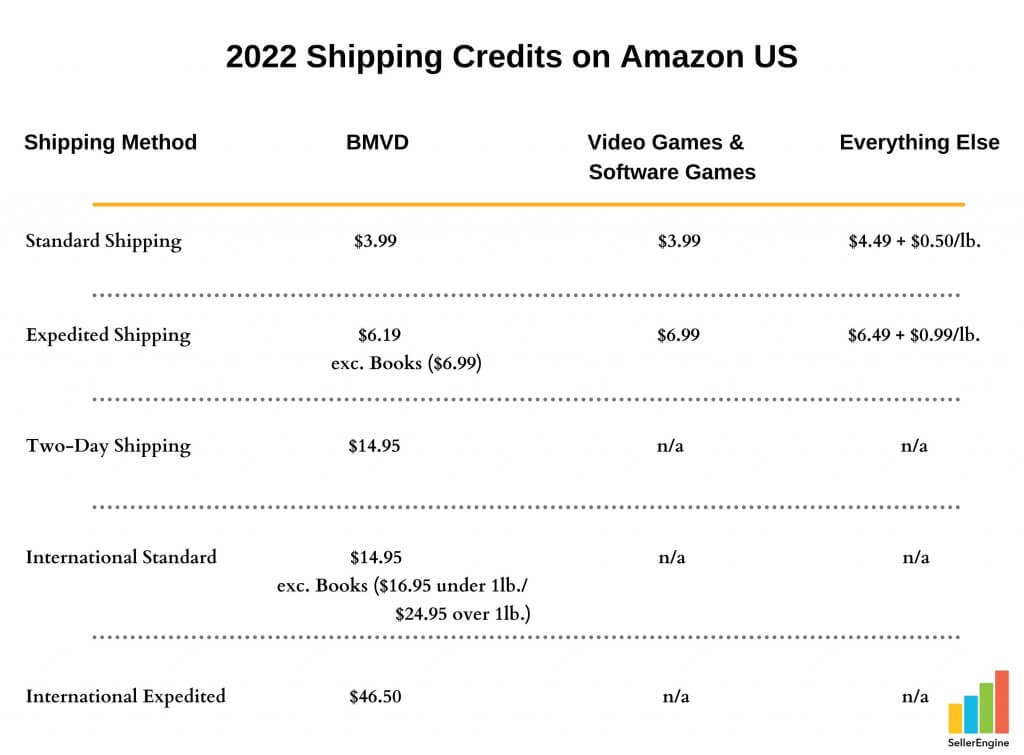
One of the most significant financial decisions an Amazon seller makes is how the product reaches the customer. This choice fundamentally alters the cost structure of the business.
The Costs of Fulfillment by Amazon (FBA)
Under the FBA model, you ship your inventory to Amazon’s warehouses, and they handle storage, picking, packing, shipping, and customer service. The fees are broken down by:
-
Fulfillment Fees: A per-unit fee based on the weight and dimensions of the product. This fee covers the labor and shipping costs. Small, light items (under 1 lb) are relatively inexpensive to ship, whereas “Oversize” items can incur heavy surcharges.
-
Monthly Inventory Storage Fees: This is the cost of the physical space your products occupy in the fulfillment center. These rates are dynamic; they increase significantly during the “Peak Season” (October through December) to encourage sellers to move inventory quickly rather than using Amazon as a long-term warehouse.
-
Aged Inventory Surcharges: Previously known as long-term storage fees, these are applied to items that have remained in a warehouse for more than 271 days. This is a punitive cost designed to maintain the flow of goods and prevent “dead stock” from clogging the network.
Fulfillment by Merchant (FBM) and Hidden Logistics
FBM allows the seller to store and ship products themselves. While this avoids FBA-specific fees, it introduces other costs: warehouse rent, packing materials, labor, and commercial shipping rates. For many small businesses, FBA is actually more cost-effective because Amazon’s shipping volume allows them to offer rates that an individual seller could never negotiate with carriers like UPS or FedEx.
Marketing and Brand Growth: The Cost of Visibility
In the modern Amazon landscape, “if you build it, they will come” no longer applies. The marketplace is saturated, and organic reach is difficult to achieve without a dedicated marketing budget.
Amazon Advertising (PPC)
Pay-Per-Click (PPC) advertising is a primary expense for most sellers. You bid on keywords to have your product appear in the “Sponsored Products” sections of search results.
-
ACOS (Advertising Cost of Sales): This is the key metric to monitor. If you spend $20 to make a $100 sale, your ACOS is 20%.
-
The Launch Phase: New products often require a high “initial burn” where marketing costs might exceed profits for the first 30–60 days to build the sales velocity and review count necessary for organic ranking.
Brand Registry and Content Enhancement
For those building a “Brand” rather than just selling a “Product,” Amazon Brand Registry is a must. While the registry itself is free, it requires a registered trademark. The cost of a trademark (including legal fees and filing) typically ranges from $500 to $1,500. This investment unlocks “A+ Content”—enhanced product descriptions with images and layouts that can improve conversion rates by 5% to 10%, effectively lowering the long-term cost of customer acquisition.
The “Hidden” Operational Costs
Beyond the dashboard fees, several secondary costs can erode the bottom line if not accounted for in a business finance plan.
Sourcing and Inbound Logistics
Getting your product to Amazon is a major expense. This includes the manufacturing cost (COGS), customs duties, and freight. Many sellers use “Amazon Global Logistics” to streamline this, but these costs must be amortized across every unit to find the true break-even point.
Returns and Disposal Fees
Amazon’s customer-centric policy means returns are frequent, especially in categories like apparel or home goods. When a customer returns an item, you may be charged a return processing fee. If the item is damaged and cannot be resold, you must pay a “Disposal Fee” or a “Removal Fee” to have the item sent back to you or destroyed. High return rates can be the difference between a profitable year and a net loss.
Professional Services: Software and Accounting
To manage an Amazon business efficiently, most sellers utilize third-party software for inventory management, keyword research, and financial tracking (e.g., Helium 10 or Jungle Scout). These subscriptions usually range from $50 to $200 per month. Additionally, specialized sales tax software or an accountant familiar with e-commerce nexus laws is often necessary as the business grows.
Final Financial Outlook
Starting a business on Amazon requires a calculated approach to capital. For a modest launch, a seller might need between $2,000 and $5,000 to cover initial inventory, professional fees, branding, and the first month of advertising.
The cost of Amazon is not just a price tag; it is a complex margin-management challenge. By understanding the interplay between referral fees, fulfillment overhead, and marketing spend, an entrepreneur can transition from simply “selling” to building a sophisticated, profitable financial asset. Profitability on Amazon is found in the margins—the careful balance of minimizing storage duration, optimizing ad spend, and selecting high-value, low-weight categories.
aViewFromTheCave is a participant in the Amazon Services LLC Associates Program, an affiliate advertising program designed to provide a means for sites to earn advertising fees by advertising and linking to Amazon.com. Amazon, the Amazon logo, AmazonSupply, and the AmazonSupply logo are trademarks of Amazon.com, Inc. or its affiliates. As an Amazon Associate we earn affiliate commissions from qualifying purchases.