
Deciding what to watch on Amazon Prime has evolved from a simple browsing exercise into a complex interaction with one of the most sophisticated recommendation engines in the streaming industry. As the platform matures, the “what to watch” question is increasingly answered by a synergy of high-speed data processing, machine learning, and an expansive library of tech-centric content. For the modern viewer, navigating Amazon Prime Video is not just about finding a movie; it is about leveraging a technological ecosystem designed to predict preference and deliver high-fidelity entertainment.
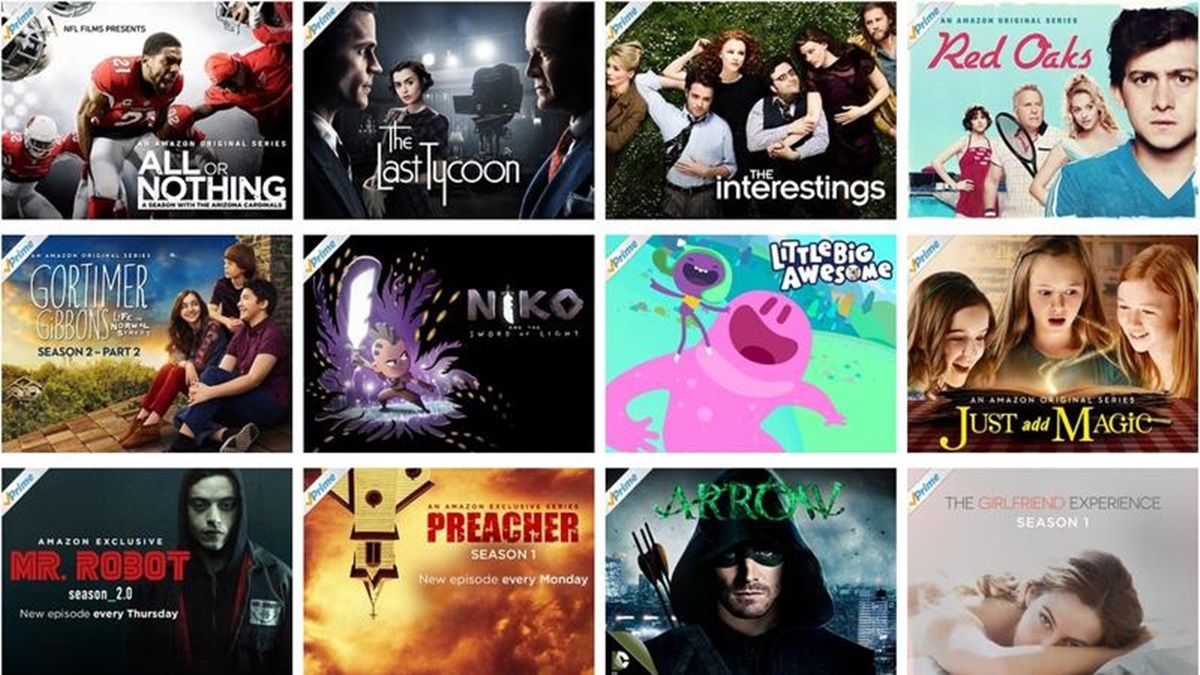
Leveraging the AI Engine: How Amazon Prime Recommends Your Next Binge
At the heart of the “what should I watch” dilemma is Amazon’s proprietary recommendation system. Unlike traditional linear television, Prime Video operates on a foundation of big data, utilizing many of the same machine learning principles that power Amazon’s e-commerce dominance. When you open the application, the interface is the result of thousands of data points being processed in real-time.
Collaborative Filtering and Neural Networks
Amazon’s recommendation engine primarily uses collaborative filtering, a technique that analyzes the viewing habits of millions of users to find patterns. If a significant cohort of viewers who enjoyed the hard sci-fi series The Expanse also frequently watched the high-concept thriller Outer Range, the algorithm creates a weighted link between those titles.
In recent years, Amazon has integrated deep learning and neural networks into this process. This allows the software to move beyond simple “if this, then that” logic. It now understands temporal dynamics—recognizing that your viewing preferences on a Friday night (perhaps high-octane action) differ significantly from a Sunday afternoon (perhaps educational documentaries). By analyzing watch time, completion rates, and even the “pause and resume” behavior, the software refines its suggestions to minimize the paradox of choice.
The Role of Metadata and Natural Language Processing
Behind every thumbnail on the Prime Video app is a rich layer of metadata. Amazon uses Natural Language Processing (NLP) to categorize content based on themes, moods, and specific technological tropes. This is why the “Because you watched…” section feels increasingly intuitive. The system isn’t just looking at genres; it is looking at the technical DNA of the content, identifying sub-strata like “cyberpunk,” “near-future dystopia,” or “silicon valley satire.”
The Tech Enthusiast’s Watchlist: High-Concept Content and Digital Realism
For those embedded in the technology sector, the “what to watch” question often leads to content that mirrors the complexities of our digital world. Amazon Prime has carved out a niche by producing and hosting some of the most technologically literate programming available today.
Exploring the Frontiers of Artificial Intelligence
One of the flagship recommendations for any tech-savvy viewer is The Peripheral. Based on William Gibson’s novel, the series explores the convergence of haptic technology, quantum tunneling, and virtual reality. It serves as a visual case study for the “metaverse” concepts currently being debated in boardrooms across the tech industry. Watching it through the lens of current VR/AR developments provides a professional insight into how creators envision the future of user interfaces and digital immersion.
Cyber-Security and Technical Veracity
While many platforms dramatize hacking with nonsensical “green text” scrolling across screens, Prime Video’s inclusion of shows like Mr. Robot (available in many regions via Prime) set a new standard for technical accuracy. The series highlights real-world vulnerabilities, social engineering, and the fragility of global financial infrastructure. For IT professionals and digital security experts, these titles are more than entertainment; they are cultural touchstones that reflect the ethical and technical challenges of the modern era.
The Engineering of Space and Physics
For fans of aerospace engineering and physics, The Expanse remains the gold standard. The show is frequently cited by scientists for its commitment to Newtonian physics and the realistic depiction of life in low-gravity environments. It addresses the logistics of space travel, the limitations of communication lag across vast distances, and the resource management required for interplanetary colonization—topics that are increasingly relevant as private tech firms look toward Mars.
X-Ray and Beyond: Enhancing the Viewing Experience Through Integrated Data
A unique software feature that sets Prime Video apart from its competitors is the “X-Ray” functionality. Powered by IMDb (an Amazon subsidiary), X-Ray is a testament to the power of integrated data in software design.
Real-Time Information Overlays
X-Ray uses computer vision and time-synchronized metadata to identify actors, songs, and trivia on-screen at any given moment. From a tech perspective, this is a masterful application of data mapping. By clicking or tapping during a scene, viewers can access a breakdown of the production, providing an interactive layer that transforms passive watching into an active, educational experience.
The Impact on User Engagement
This feature solves a common user pain point: the urge to leave the app to search for information on a mobile device. By keeping the user within the ecosystem, Amazon maintains engagement while providing value. For developers and UI/UX designers, X-Ray serves as a prime example of how to integrate secondary information without disrupting the primary user flow. It turns the “what should I watch” query into an opportunity to learn about the craft of digital cinematography and software-driven storytelling.
Maximizing Visual Fidelity: The Gadgets and Specs Powering Your Stream
What you watch on Amazon Prime is often dictated by the hardware you use to watch it. The platform has been a pioneer in adopting high-end streaming protocols that push the boundaries of current consumer electronics.
4K UHD, HDR10+, and High Bitrates
To truly experience the technological prowess of Prime Video, one must look at the delivery specs. Amazon was an early adopter of HDR10+, an open-standard high dynamic range video technology that uses dynamic metadata to adjust brightness levels on a frame-by-frame basis. For gadget enthusiasts, matching the content with a compatible OLED or QLED display is essential.
The platform’s support for Dolby Atmos and 5K streaming on select devices also pushes the envelope of home theater technology. When choosing what to watch, users with high-end setups often prioritize titles labeled as “UHD” to see the full potential of their hardware’s processing power and color gamut.
Hardware Integration: The Fire TV Ecosystem
The synergy between Prime Video software and Fire TV hardware provides a seamless experience that other apps often struggle to replicate. The integration of Alexa Voice Remote allows for sophisticated natural language queries. Instead of scrolling, a user can simply ask, “Alexa, find me tech documentaries in 4K,” and the system’s backend will filter the library instantly. This integration of voice-AI and streaming software represents the current peak of the “smart home” entertainment experience.
The Future of the Interface: AI Search and Generative Trends
As we look toward the future of what to watch on Amazon Prime, the platform is beginning to experiment with Generative AI to further personalize the discovery phase. We are moving toward a period where the interface itself may become dynamic—rewriting descriptions or creating personalized trailers based on a user’s specific tech interests.
AI-Generated Summaries
Amazon has already begun deploying AI-generated review summaries, which use Large Language Models (LLMs) to distill thousands of viewer comments into a concise paragraph. This helps viewers quickly gauge the sentiment of a show or movie without spoilers. This application of AI provides a more nuanced “vibe check” than a simple star rating, allowing the viewer to make more informed decisions based on communal data.

Interactive Media and Gamification
The boundaries between streaming apps and interactive software are blurring. With the expansion of Amazon’s Luna cloud gaming service and its integration into the Fire TV interface, the answer to “what should I watch” might soon include “what should I play?” The convergence of streaming video and interactive software suggests a future where viewers can switch between a cinematic episode and an interactive digital environment within the same branded ecosystem.
In conclusion, choosing what to watch on Amazon Prime is an experience deeply rooted in the latest technological advancements. From the machine learning algorithms that populate your home screen to the high-fidelity codecs that deliver every pixel, the platform is a flagship for how technology enhances modern media consumption. Whether you are seeking hard sci-fi that challenges your understanding of AI or simply looking for the most visually stunning 4K content to test your new display, Prime Video stands as a premier destination where the tech-minded viewer can find content that matches their professional curiosity and personal taste.
aViewFromTheCave is a participant in the Amazon Services LLC Associates Program, an affiliate advertising program designed to provide a means for sites to earn advertising fees by advertising and linking to Amazon.com. Amazon, the Amazon logo, AmazonSupply, and the AmazonSupply logo are trademarks of Amazon.com, Inc. or its affiliates. As an Amazon Associate we earn affiliate commissions from qualifying purchases.