
For many seniors living on a fixed income, every monthly subscription fee must be weighed against its practical utility and financial return on investment. Amazon Prime has evolved from a simple expedited shipping service into a comprehensive ecosystem of digital media, grocery discounts, and healthcare perks. However, the question of cost remains paramount. While Amazon does not offer a discount based strictly on age—such as a traditional “senior discount” for those over 65—there are specific financial pathways, most notably the Prime Access program, that allow many seniors to access the service at a significantly reduced rate.
Understanding the financial structure of an Amazon Prime membership is essential for effective household budgeting. Whether you are looking to save on prescription medications, reduce the cost of household essentials, or find low-cost entertainment options, evaluating the true cost of Prime requires a deep dive into its pricing tiers, eligibility requirements, and the hidden financial benefits that can offset the annual fee.
The Cost Structure of Amazon Prime for Seniors
To determine how much a membership costs, one must first distinguish between the standard market rate and the discounted “Prime Access” tier. For the vast majority of consumers, Amazon Prime follows a dual-pricing model: a monthly subscription or an annual commitment.
Standard Pricing Tiers
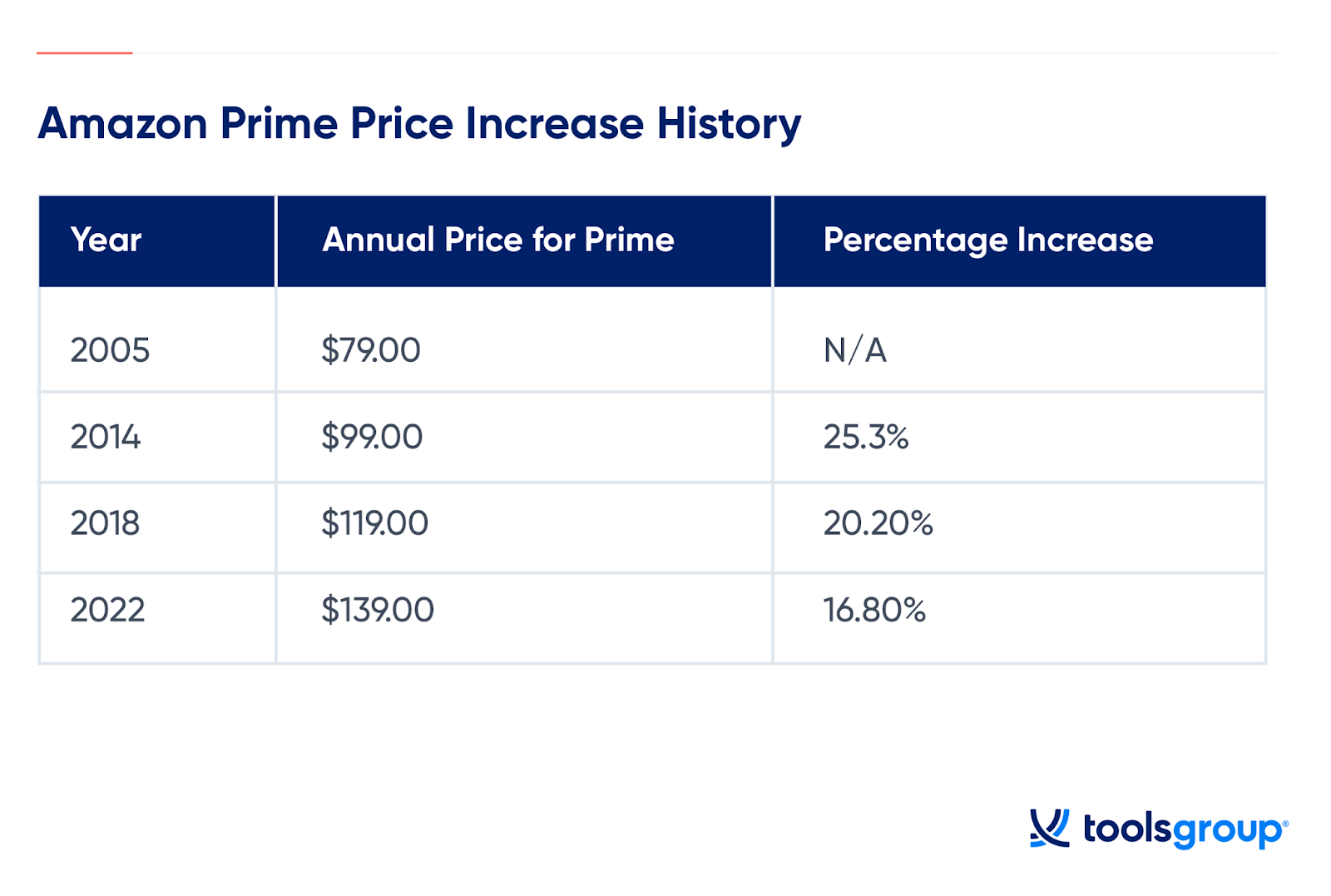
As of 2024, the standard price for an Amazon Prime membership is $14.99 per month. If a senior chooses to pay annually, the cost is $139 per year. When broken down, the annual plan offers a significant financial advantage, effectively bringing the monthly cost down to approximately $11.58. For seniors who have the liquidity to pay the lump sum upfront, the annual plan represents a savings of about $40 per year compared to the month-to-month option.
The Prime Access Discount
The most critical piece of financial information for many seniors is the existence of “Prime Access.” This is Amazon’s dedicated program for individuals receiving various types of government assistance. For those who qualify, the cost of an Amazon Prime membership is slashed to $6.99 per month.
This $6.99 rate is a vital financial tool for seniors on Social Security or those with limited retirement savings. At less than half the price of a standard monthly membership, Prime Access provides the exact same suite of benefits—free shipping, streaming, and pharmacy discounts—without the premium price tag. Over the course of a year, a senior on Prime Access pays roughly $84, which is a $55 saving over the standard annual rate and a nearly $100 saving over the standard monthly rate.
Qualifying for the $6.99 Senior Rate: Eligibility and Verification
Since Amazon does not offer a discount based solely on an ID card showing a birth date before 1959, seniors must qualify for Prime Access through specific financial assistance programs. Many seniors are already enrolled in these programs, making them eligible for the $6.99 rate without any additional financial burden.
Qualifying Government Programs
The most common way for a senior to qualify for the discounted membership is through Medicaid or Supplemental Security Income (SSI). While Social Security Retirement benefits do not automatically qualify a person for the discount, SSI—which is a needs-based program for seniors with limited income and resources—does.
Other qualifying programs include:
-
SNAP (Supplemental Nutrition Assistance Program): Commonly known as EBT or food stamps.
-
Medicaid: Seniors who have “Dual Eligibility” (qualifying for both Medicare and Medicaid) are perfectly positioned for this discount.
-
LIHEAP (Low Income Home Energy Assistance Program): This is often used by seniors to manage utility costs.
-
Tribal Assistance: For seniors living on indigenous lands receiving specific federal aid.
-
TANF (Temporary Assistance for Needy Families): Though less common for seniors unless they are legal guardians of grandchildren.
The Verification Process
To secure the lower rate, seniors must navigate a verification process on the Amazon website. This typically involves uploading a photo of an EBT card, a Medicaid card, or an eligibility letter from the Social Security Administration regarding SSI.
From a financial planning perspective, it is important to note that this verification is not a one-time event. Amazon requires users to re-verify their eligibility every 12 months. Seniors should keep their documentation organized to ensure they don’t see a sudden jump in their monthly statement from $6.99 to $14.99 because their verification expired.
Maximizing the ROI: Is the Membership Fee Worth It?

A membership fee is only “expensive” if the value derived from it is less than the cost. For seniors, the return on investment (ROI) for an Amazon Prime membership often comes from areas outside of simple package delivery. To justify the $6.99 or $14.99 monthly expense, one must look at the specific financial perks tailored to the needs of older adults.
Amazon Pharmacy and RxPass
One of the most significant financial benefits for seniors is the Amazon Pharmacy integration. Prime members have access to a program called RxPass. For a flat fee of $5 per month, members can get all of their eligible generic medications delivered to their door.
For a senior managing multiple chronic conditions—such as high blood pressure, cholesterol, or diabetes—the RxPass can replace multiple insurance co-pays. If a senior currently pays $20 or $30 a month in co-pays for generic drugs, switching to RxPass can result in a net gain, effectively making the Prime membership “pay for itself” through healthcare savings alone.
Savings on Household Essentials and Groceries
Amazon owns Whole Foods Market, and Prime members receive an additional 10% discount on sale items, along with rotating weekly deals. For seniors who live near a Whole Foods, this can shave a significant amount off the monthly grocery bill.
Furthermore, the “Subscribe & Save” feature, when combined with Prime, allows for automated deliveries of household staples like paper towels, vitamins, and cleaning supplies. This doesn’t just save time; it offers a discount of up to 15% on those items. For a senior with mobility issues, the financial value of having heavy household items delivered to the door at a discount, rather than paying for transportation or delivery services from a local grocery store, is substantial.
Consolidation of Entertainment Expenses
Many seniors pay for separate cable packages, movie rentals, or book clubs. An Amazon Prime membership includes Prime Video and Prime Reading. Prime Video offers thousands of classic films, documentaries, and original series at no extra cost. Prime Reading provides a rotating library of thousands of e-books and magazines. By leveraging these services, a senior may be able to cancel other monthly subscriptions—such as a $15 Netflix account or a $10 magazine subscription—leading to a net reduction in monthly discretionary spending.
Strategic Financial Management of a Prime Membership
Deciding to pay for Amazon Prime is a budget decision, and like any financial commitment, it should be managed strategically. There are several ways seniors can optimize their membership to ensure they are getting the maximum possible value.
The Power of Amazon Household
Amazon allows “Amazon Household,” a feature that lets two adults share a single Prime membership. This is a vital financial hack for seniors. If two friends live together, or if a senior lives with an adult child, they do not need two separate memberships. By linking accounts, both individuals get free shipping and streaming benefits while splitting the cost of a single membership. This effectively cuts the price of Prime in half for both parties.
Avoiding the “Impulse Buy” Trap
One financial risk of an Amazon Prime membership is the ease of spending. The “Buy Now” button and free shipping can lead to increased impulse purchases. For seniors on a strict budget, it is helpful to use the “List” feature. By adding items to a list and waiting 24 to 48 hours before purchasing, seniors can maintain the convenience of Prime without falling into the trap of overspending.
Evaluating the Opportunity Cost
When evaluating the $139 annual fee, one must consider the opportunity cost. If that $139 were sitting in a high-yield savings account at 4.5% interest, it would earn about $6.25 in a year. Therefore, for the membership to be a sound financial move, the senior must save at least $145.25 in shipping costs, grocery discounts, and pharmacy savings throughout the year.
For a senior who orders just two items a month, the shipping savings (assuming a standard $5–$10 shipping fee per order) already exceed $120 to $240 a year. When you add in the value of the video and music streaming services, the financial case for the membership becomes quite strong for the average user.

Conclusion: Final Financial Assessment
So, how much is an Amazon Prime membership for seniors? The answer is $6.99 per month for those who qualify via government assistance, or roughly $11.58 per month (paid annually) for those who do not.
From a personal finance perspective, the membership is rarely just an expense; for many seniors, it serves as a cost-saving tool. Between the deep discounts on prescription medications through RxPass, the reduction in transportation costs for heavy goods, and the consolidation of entertainment subscriptions, a Prime membership can actually increase a senior’s monthly disposable income if used correctly.
The key is to verify eligibility for Prime Access immediately. If you are a senior on Medicaid or SSI, paying the full price for Prime is an unnecessary financial drain. By securing the $6.99 rate and leveraging the shared “Household” features, seniors can enjoy the logistical advantages of the modern digital economy while maintaining the fiscal discipline required in retirement.
aViewFromTheCave is a participant in the Amazon Services LLC Associates Program, an affiliate advertising program designed to provide a means for sites to earn advertising fees by advertising and linking to Amazon.com. Amazon, the Amazon logo, AmazonSupply, and the AmazonSupply logo are trademarks of Amazon.com, Inc. or its affiliates. As an Amazon Associate we earn affiliate commissions from qualifying purchases.