
In the modern landscape of personal finance, the recurring subscription model has transitioned from a niche convenience to a dominant line item in the average household budget. At the center of this ecosystem lies Amazon Prime—often referred to as Amazon’s “premium subscription.” While the service began as a simple shipping perk, it has evolved into a multi-faceted financial commitment that touches on logistics, entertainment, groceries, and digital storage. For the disciplined consumer, understanding the true cost of Amazon Prime requires looking beyond the sticker price and analyzing the return on investment (ROI) relative to individual spending habits.
Understanding the Current Cost Structure of Amazon Prime
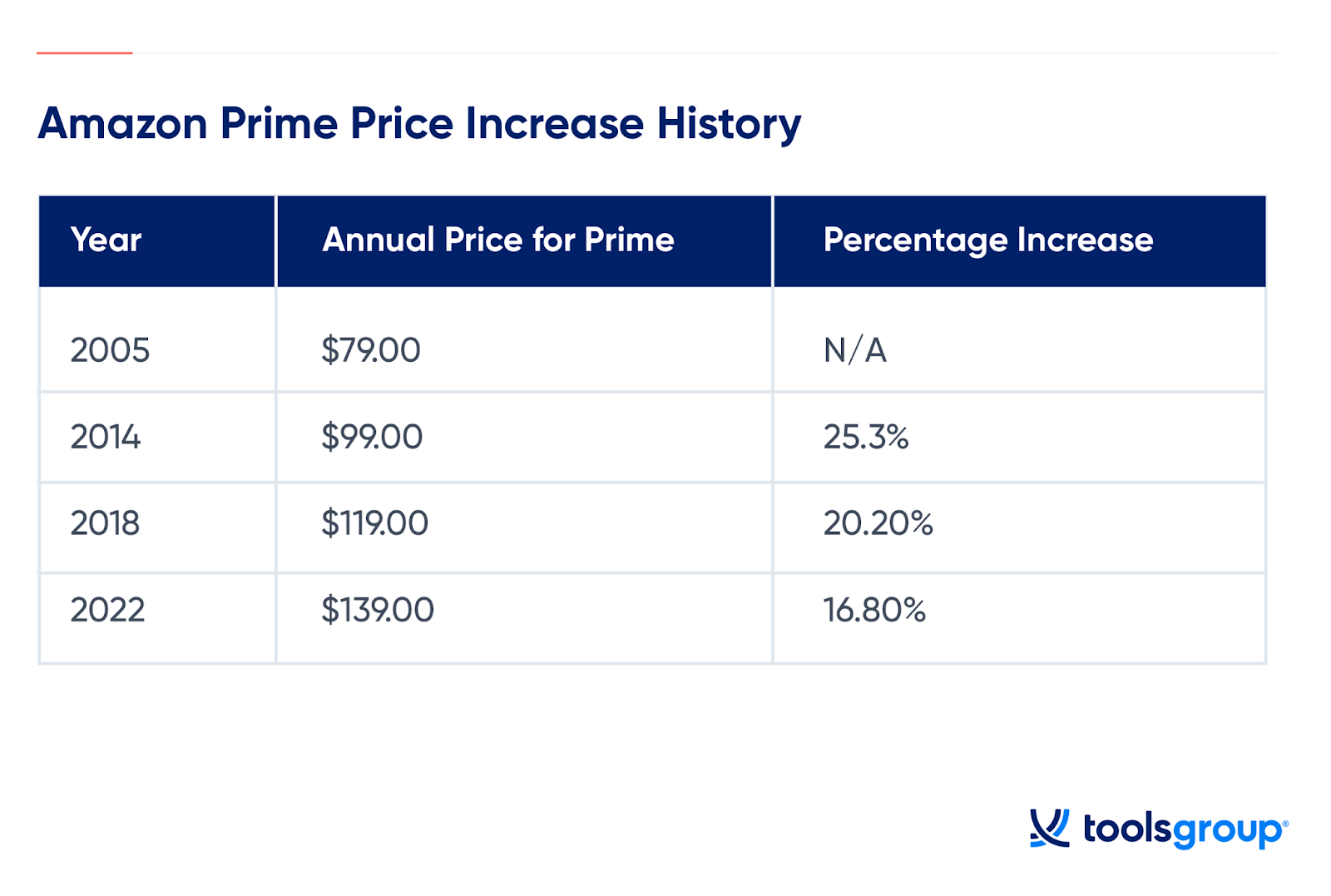
The first step in any financial audit is identifying the exact cash outflow. As of 2024, the pricing for Amazon Prime in the United States is segmented into several tiers designed to capture different demographic segments. The standard consumer faces a choice between a monthly and an annual commitment, each carrying its own fiscal implications.
Monthly vs. Annual Plans: Which Offers Better Value?
The standard monthly subscription for Amazon Prime is priced at $14.99 per month. For those who prefer a long-term commitment to lower their total expenditure, the annual plan is priced at $139 per year. When we break down the math, the annual plan averages out to approximately $11.58 per month.
From a personal finance perspective, opting for the annual plan results in a yearly saving of roughly $40.88, or a discount of nearly 23% compared to the month-to-month billing. However, the “value” here is contingent on liquidity and usage. A consumer who only uses Amazon during the holiday season may find it more financially sound to pay for three months of service ($44.97) rather than committing to a full year, even with the discounted rate.
Discounted Tiers: Student and Qualified Government Assistance Rates
Amazon leverages tiered pricing to maintain market penetration among lower-income or transitional demographics. The Prime Student program is currently priced at $7.49 per month or $69 per year. This 50% discount is a strategic move to build brand loyalty in a demographic that will eventually transition into higher-earning brackets.
Similarly, the “Prime Access” tier is available to recipients of certain government assistance programs, such as SNAP, EBT, or Medicaid. This tier is priced at $6.99 per month. From a budgeting standpoint, these discounted rates significantly lower the barrier to entry, allowing households with tighter margins to access the logistics and grocery benefits that might otherwise be cost-prohibitive.
The Impact of Taxes and Regional Pricing
It is a common oversight in financial planning to ignore the impact of local sales tax. In many jurisdictions, the $139 annual fee is subject to state and local taxes, which can push the total cost closer to $150. Furthermore, regional pricing varies globally. For instance, Prime in the United Kingdom or India carries different price points and benefit structures tailored to those specific logistical infrastructures and purchasing power parities. When calculating your “all-in” cost, always account for the tax hit on the renewal date.
The ROI of Convenience: Analyzing the Tangible and Intangible Benefits
To determine if the premium subscription is “worth it,” one must conduct a cost-benefit analysis. This involves quantifying the services provided and comparing them to the cost of procuring those services individually.
Shipping Savings: Calculating the Break-Even Point
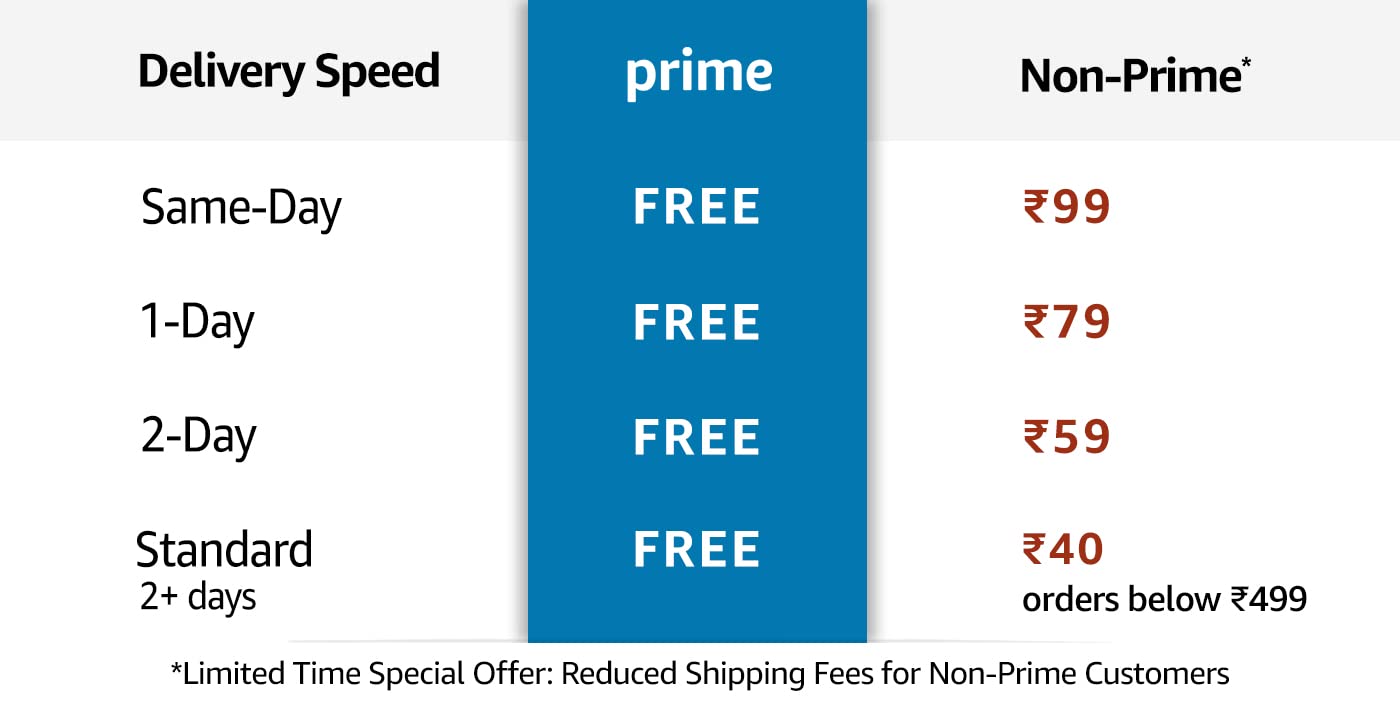
The primary driver of Prime’s value proposition remains its shipping infrastructure. In a world without Prime, standard shipping for a single item often ranges from $5.00 to $10.00 depending on weight and speed. If we use the annual price of $139 as our baseline, a consumer needs to make approximately 14 to 20 orders per year to break even on shipping costs alone.
For a household that averages two orders per month, the shipping benefits alone justify the annual fee. However, for the “minimalist consumer” who shops infrequently, the subscription may actually encourage unnecessary spending—a phenomenon known as the “sunk cost fallacy,” where the user feels compelled to shop more to “get their money’s worth” from the membership.
Prime Video and Digital Entertainment: A Substitute for Cable?
The inclusion of Prime Video adds a significant layer to the financial equation. With standalone streaming services like Netflix or Max charging between $10 and $20 per month, the “entertainment value” of Prime Video can theoretically offset the entire cost of the subscription.
If a household cancels a $15/month streaming service in favor of Prime Video, the subscription effectively pays for itself, leaving the shipping and other perks as “free” add-ons. However, the recent introduction of advertisements within the base Prime Video tier—and the subsequent $2.99/month surcharge to remove them—has altered this value. Financially savvy users must now decide if they are willing to tolerate ads or if the “hidden” cost of an ad-free experience ($175.88 annually) fits their media budget.
Grocery Savings through Whole Foods and Amazon Fresh
For urban and suburban consumers, the integration of Whole Foods Market provides another avenue for financial optimization. Prime members receive an additional 10% off sale items and exclusive weekly deals. For a family that spends $200 a week on groceries, even a modest 5% overall saving through Prime-exclusive deals can result in $520 of annual savings, far exceeding the cost of the membership.
Hidden Financial Perks and Consumer Tools within the Ecosystem
Beyond the headline features, Amazon Prime offers several “stealth” benefits that can enhance a user’s overall financial health if utilized correctly.
The Amazon Prime Rewards Visa Card Strategy
Perhaps the most potent financial tool associated with the premium subscription is the Amazon Prime Rewards Visa Signature Card. This card offers 5% back on all Amazon and Whole Foods purchases for Prime members. For a high-volume shopper, this is an incredible yield.
If a household spends $3,000 a year on Amazon (including groceries and household essentials), they earn $150 in cash back. In this scenario, the cash back alone covers the $139 annual membership fee, making the subscription effectively free. This “cash-back loop” is a cornerstone of advanced personal finance management within the Amazon ecosystem.
Early Access to Deals and Prime Day Economics
Prime Day has become a significant event in the retail calendar. Members get exclusive access to deep discounts on electronics, home goods, and essentials. From a strategic spending perspective, Prime Day allows consumers to “bulk buy” non-perishables or time-major electronics purchases to capitalize on historical lows. However, the risk here is the psychological pressure to spend on items that were not previously budgeted for, which can negate the savings of the subscription itself.
Family Sharing: Maximizing the Household Budget
Amazon allows “Amazon Household,” which enables two adults to share Prime benefits while keeping their personal accounts and payment methods separate. This effectively cuts the cost of the subscription in half per person. For roommates or domestic partners, leveraging this feature is the most immediate way to double the ROI of the $139 annual fee.
Strategic Alternatives and Budgeting for Subscription Fatigue
No financial assessment is complete without considering the alternatives. As the subscription economy grows, “subscription fatigue” has become a genuine concern for many households.
When to Cancel: Indicators of Low Utility
A subscription should be viewed as a tool, not a permanent fixture. It is time to cancel or pause the subscription if:
-
You make fewer than 10 orders per year.
-
You rarely use Prime Video or Prime Music.
-
You do not live near a Whole Foods or use Amazon Fresh.
-
You find yourself buying items just to “utilize” the free shipping.
Tracking your “Price Per Use” over a 90-day period is a professional-grade method for determining if the $14.99 monthly charge is a waste of capital that could be better served in a high-yield savings account or an index fund.
Competitor Comparison: Walmart+ and Targeted Subscriptions
Walmart+ has emerged as a direct competitor, priced at $98 per year. It offers similar shipping benefits and a membership to Paramount+. For consumers who prioritize grocery prices over tech gadgets, Walmart+ may offer a higher utility-to-cost ratio. Diversifying or switching subscriptions based on current household needs is a sign of an active and healthy financial mindset.

Long-Term Financial Outlook: Is the Premium Subscription Worth It?
The “Premium” in Amazon Prime is no longer just about the speed of a package arriving at your door; it is about the consolidation of digital and physical services into a single recurring fee. From a Money and Personal Finance perspective, the $139 annual price point is a bargain for a power user who leverages the 5% cash-back card, shares the account with a partner, and utilizes Prime Video as their primary entertainment source.
Conversely, for the casual user, Amazon Prime can be a “leak” in the monthly budget—a quiet $15 withdrawal that provides little tangible benefit. The key to mastering this subscription is intentionality. By auditing your order history, calculating your grocery savings, and utilizing the credit card rewards, you can transform Amazon Prime from a standard expense into a strategic financial asset.
Ultimately, the cost of the subscription is fixed, but its value is variable. The successful manager of personal finance ensures that the value extracted always exceeds the price paid, maintaining a positive net flow in the household’s digital economy.
aViewFromTheCave is a participant in the Amazon Services LLC Associates Program, an affiliate advertising program designed to provide a means for sites to earn advertising fees by advertising and linking to Amazon.com. Amazon, the Amazon logo, AmazonSupply, and the AmazonSupply logo are trademarks of Amazon.com, Inc. or its affiliates. As an Amazon Associate we earn affiliate commissions from qualifying purchases.