
In the landscape of modern personal finance, subscription services have transitioned from luxury add-ons to significant line items in the average household budget. Among these, Amazon Prime stands as a titan, commanding a massive user base while continuously evolving its pricing structure. For the savvy consumer, understanding the cost of an Amazon Prime membership is not merely about knowing the monthly fee; it is about evaluating the return on investment (ROI), analyzing cash flow impact, and understanding the psychological triggers that subscription models use to influence spending habits.
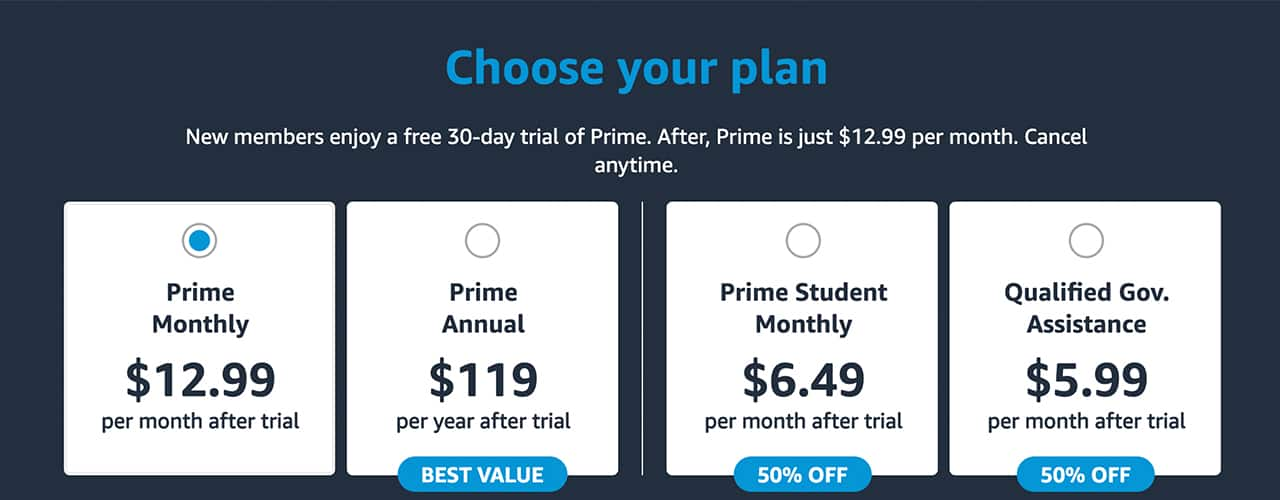
Currently, for the majority of individual consumers in the United States, the standard Amazon Prime membership is priced at $14.99 per month or $139 per year. While these numbers represent the direct cost, a deeper financial analysis reveals a complex ecosystem of tiered pricing, hidden benefits, and potential pitfalls that can either save a household thousands or lead to significant “subscription creep.”
Current Pricing Tiers and Strategic Budgeting
When evaluating the cost of Prime, the first step is to identify which tier fits your financial profile. Amazon has segmented its audience to capture different demographics through varied pricing structures.
Standard Monthly vs. Annual Plans
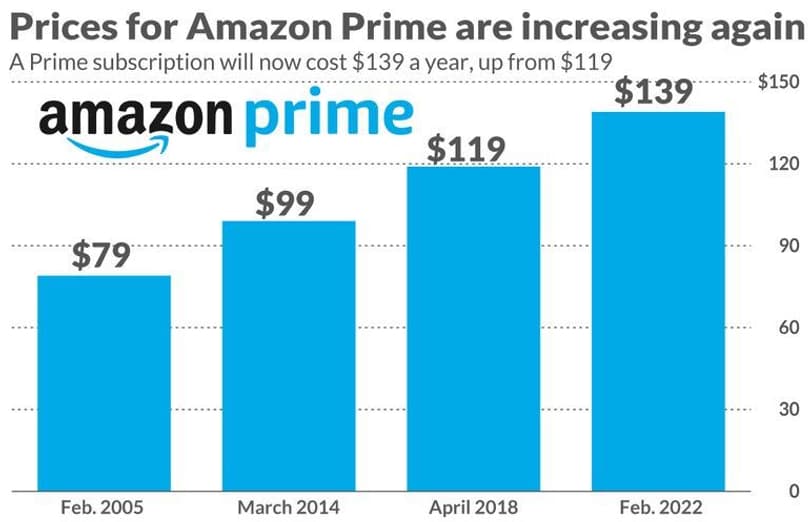
The most common choice for consumers is the choice between the $14.99 monthly plan and the $139 annual plan. From a wealth-management perspective, the annual plan is almost always the superior choice for consistent users. By paying upfront, the annual cost averages out to approximately $11.58 per month, representing a savings of $40.88 over the course of a year. For those with stable cash flow, the 23% discount offered by the annual commitment provides a “guaranteed return” that far outpaces traditional savings account interest rates.
Discounted Rates: Prime Student and Prime Access
Amazon offers targeted subsidies for specific groups, which can drastically alter the cost-benefit analysis.
-
Prime Student: At $7.49 per month or $69 per year, this tier is designed for those in higher education. It offers a six-month trial followed by a 50% discount. For a student on a tight budget, this reduces the “break-even” point significantly.
-
Prime Access: Recognizing the needs of lower-income households, Amazon offers a discounted rate of $6.99 per month for recipients of select government assistance programs, such as SNAP, EBT, or Medicaid. This ensures that the logistical benefits of Prime remain accessible to those who may benefit most from the time and transportation savings of home delivery.
Business Prime: An Operational Expense
For entrepreneurs and small business owners, Business Prime starts at $69 per year for a single user and scales upward based on the number of users. From a business finance perspective, this cost is often tax-deductible as an operational expense, provided the account is used exclusively for business purposes. The primary financial value here lies in volume discounts and enhanced procurement tools that assist in expense tracking and budgetary control.
Analyzing the Value Proposition: Is the ROI Worth the Investment?
To determine if the $139 annual fee is a sound financial move, one must conduct a personal audit of the services provided. The “cost” of the membership should be offset by the savings generated in other areas of your financial life.
Shipping and Logistics Savings
The cornerstone of Prime is “free” shipping. In a world where standard shipping can range from $5 to $15 per order, a consumer needs to place between 10 and 25 orders per year to recoup the membership fee purely on shipping costs. For families who rely on Amazon for household staples, pet food, and bulky items, the savings often exceed the membership fee within the first quarter. Furthermore, the “Value of Time” (VOT) should be calculated; the hours saved by avoiding physical trips to big-box retailers can be redirected toward income-generating side hustles or essential rest.
Digital Content and Entertainment Value
A common mistake in personal finance is over-subscribing to multiple streaming platforms. Amazon Prime includes Prime Video, Prime Music, and Prime Reading. If a Prime membership allows a consumer to cancel a $15/month Netflix subscription or a $10/month Spotify plan, the membership effectively pays for itself multiple times over. When viewing Prime as an entertainment bundle rather than a shipping service, the $139 annual fee looks remarkably competitive against the combined cost of standalone digital services.
Grocery and Essentials: The Whole Foods Factor
Through its acquisition of Whole Foods Market, Amazon has integrated Prime into the grocery sector. Members receive an additional 10% discount on sale items and exclusive weekly deals. For regular Whole Foods shoppers, these discounts can easily save $10 to $20 per grocery trip. If you shop there bi-weekly, the membership fee is neutralized by grocery savings alone, turning the shipping and streaming benefits into “pure profit” from a budgetary standpoint.
The Hidden Costs of Convenience
While the direct cost is transparent, the indirect financial impact of an Amazon Prime membership can be detrimental to those without disciplined spending habits. This is where the psychology of money meets consumer technology.
The Psychology of “One-Click” Spending
Amazon’s greatest innovation is the removal of friction. The “Buy Now” button and the promise of next-day delivery bypass the traditional “cooling-off period” that helps prevent impulse purchases. In personal finance, friction is a friend; it forces you to reconsider whether a purchase is a “want” or a “need.” By paying for a Prime membership, consumers often feel a subconscious pressure to “get their money’s worth,” leading to increased frequency of shopping and higher overall monthly expenditures.
Evaluating Opportunity Cost
Every dollar spent on a Prime membership (and the subsequent impulse buys) is a dollar that isn’t being invested in a 401(k), an IRA, or an emergency fund. For a young professional, $139 invested annually in a total stock market index fund with a 7% average return would grow to nearly $13,000 over 30 years. While this doesn’t mean one shouldn’t get Prime, it does mean the membership must provide tangible value that exceeds its long-term opportunity cost.
Strategies to Maximize Your Membership Dollars
If you decide that the cost of Prime fits your financial strategy, there are several ways to optimize the expense and increase your net benefit.
Utilizing Household Sharing
One of the most effective ways to slash the cost of Prime in half is through Amazon Household. This feature allows two adults to share a single Prime membership while maintaining separate accounts and payment methods. By splitting the $139 fee with a spouse or partner, the individual cost drops to $69.50 per year—an unbeatable price for the level of service provided.
Timing Your Subscription Around Prime Day
Amazon’s annual Prime Day and subsequent “Big Smile” or “Holiday” sales events offer deep discounts exclusively for members. From a personal finance perspective, the key is to use these events for planned purchases of high-ticket items (like electronics or appliances) rather than browsing for deals you don’t need. If you save $200 on a necessary laptop or kitchen appliance during Prime Day, you have covered the cost of your membership for the year in a single transaction.
The Amazon Store Card and Credit Integration
For those with a strong credit profile, the Amazon Prime Rewards Visa Signature Card offers 5% back on all Amazon and Whole Foods purchases for Prime members. If a household spends $3,000 a year on Amazon (roughly $250 a month), they earn $150 in rewards. This cash back effectively pays the $139 membership fee in full, making the service “free” while leaving a small surplus. However, this strategy only works if the balance is paid in full every month; the high interest rates on retail cards will quickly negate any rewards earned.

Conclusion: Making the Financial Decision
The cost for Amazon Prime membership is a variable figure that depends heavily on how you utilize the platform. At $139 per year, it is an expense that requires justification through regular use. To determine if it belongs in your budget, perform a simple three-month audit:
-
Calculate Shipping Savings: How much would you have spent on shipping for the items you ordered?
-
Assess Entertainment Substitution: Which other paid subscriptions can you cancel by using Prime Video or Music?
-
Track Grocery Discounts: If you shop at Whole Foods, what was your total “Prime Member” savings?
If the sum of these benefits exceeds $11.58 per month, the membership is a productive financial tool. If not, you may be falling victim to a “subscription tax”—paying for a convenience you don’t actually use. In the realm of personal finance, the goal is always to ensure that every dollar spent is working toward your long-term stability and satisfaction. Prime can be a powerful ally in that quest, provided it is managed with discipline and strategic intent.
aViewFromTheCave is a participant in the Amazon Services LLC Associates Program, an affiliate advertising program designed to provide a means for sites to earn advertising fees by advertising and linking to Amazon.com. Amazon, the Amazon logo, AmazonSupply, and the AmazonSupply logo are trademarks of Amazon.com, Inc. or its affiliates. As an Amazon Associate we earn affiliate commissions from qualifying purchases.