
In the landscape of modern personal finance, subscription services have transitioned from luxury add-ons to significant line items in the average household budget. Among these, Amazon Prime stands as perhaps the most ubiquitous. What began as a simple expedited shipping service has evolved into a massive ecosystem of digital media, grocery discounts, and logistics perks. However, as subscription fatigue sets in and the cost of living fluctuates, consumers are increasingly asking a fundamental question: How much is an Amazon membership really, and does the financial return justify the annual or monthly outlay?
To answer this, one must look beyond the sticker price and analyze the membership through the lens of a cost-benefit analysis. For the savvy financial planner, an Amazon Prime membership isn’t just a fee; it is a tool for consolidation and potential savings—provided it is used strategically.
The Current Price Structure: Navigating the Tiers
As of 2024, the pricing for Amazon Prime reflects the company’s increasing investments in logistics and original content. Understanding the different tiers is the first step in determining which option aligns best with your cash flow and spending habits.
Standard Annual and Monthly Plans
The primary offering for most consumers is the standard Prime membership. Currently, this is priced at $14.99 per month or $139 per year. From a personal finance perspective, the annual option is the clear winner for those who have the liquidity to pay upfront. By opting for the annual payment, members save approximately $40 per year compared to the monthly installments. This represents a roughly 22% discount, a return on investment that far exceeds what most traditional savings accounts offer for “parked” cash.
Prime Student: The Budget-Friendly Alternative
For those currently enrolled in higher education, Amazon offers a significantly subsidized rate known as Prime Student. This tier is priced at $7.49 per month or $69 per year. Beyond the lower price point, Prime Student often includes exclusive “off-to-college” deals and partner offers from companies like Grubhub and LinkedIn. For a student managing a tight budget, this membership can often pay for itself within the first few textbook orders or grocery deliveries.
Prime Access: Financial Inclusivity
Recognizing the diverse economic backgrounds of its user base, Amazon provides “Prime Access” for recipients of certain government assistance programs, such as SNAP, WIC, or Medicaid. This tier is priced at $6.99 per month. This initiative serves two financial purposes: it allows lower-income households to access the logistical savings of online shopping (often cheaper than local convenience stores) and ensures that the digital divide doesn’t prevent access to essential goods and services.
The Hidden ROI: Quantifying the Benefits
To determine if the $139 annual fee is a sound investment, it is necessary to quantify the “hidden” financial value of the included perks. A membership is only as valuable as the services you actually utilize.
Shipping and Logistics Savings
The cornerstone of Prime is free, fast shipping. For the non-Prime user, Amazon typically requires a minimum order of $35 for free shipping, and even then, delivery can take five to seven days. If we estimate the average cost of standard shipping at $5 to $7 per order, a member would only need to place 20 to 25 orders per year to reach the “break-even” point on the membership fee based on shipping alone. For families who rely on Amazon for household essentials, this threshold is often met within the first few months.
Consolidating Digital Entertainment
In an era of “subscription bloat,” Prime Video, Prime Music, and Prime Reading offer a powerful opportunity for budget consolidation. If a consumer is paying $10 per month for a standalone video streaming service, $10 for a music service, and $10 for a digital book subscription, they are spending $360 annually. By utilizing the versions included with a Prime membership, a household could theoretically cancel several other subscriptions, potentially saving hundreds of dollars per year while maintaining a similar level of digital entertainment.
Grocery Savings via Whole Foods and Amazon Fresh
Since the acquisition of Whole Foods, Amazon has integrated Prime discounts into the grocery experience. Members receive an additional 10% off sale items and exclusive weekly “member-only” deals. For those who do their primary grocery shopping at Whole Foods, these incremental savings can easily add up to $10 or $20 per month, effectively neutralizing the cost of the membership.
Is Amazon Prime Still a Sound Financial Investment?
While the benefits are numerous, the financial utility of Amazon Prime is not universal. Calculating your personal “break-even point” requires an honest assessment of your consumer behavior.
The “Prime Trap”: Analyzing Impulse Spending
From a behavioral finance perspective, the greatest risk of a Prime membership is the “Prime Trap.” The convenience of one-click ordering and “free” shipping can lower the psychological barrier to spending. Studies have shown that Prime members tend to spend significantly more on the platform than non-members—not necessarily because they are getting better deals, but because the friction of the transaction has been removed. If the membership leads to $500 in unplanned impulse purchases annually, the “savings” on shipping become irrelevant.
Evaluating Frequency and Necessity
If you live in an urban area with high walkability and easy access to diverse retailers, the logistical value of Prime may be lower. Conversely, for rural residents or those with limited mobility, the membership serves as a critical cost-saving tool for transportation and time. Financially, you must ask: Am I paying for a service I use daily, or am I paying for the idea of convenience that I only use once a month? If you order fewer than 15 times a year and don’t watch Prime Video, the $139 is better served in a high-yield savings account or a low-cost index fund.
Managing Subscription Bloat and Alternatives
In the current market, Amazon is no longer the only player in the membership game. Walmart+ offers a competing service at a lower price point ($98/year) which includes fuel discounts and free delivery from local stores. For some households, particularly those focused on grocery savings rather than digital media, the Walmart+ ROI might be higher. Periodically auditing your subscriptions—including Prime—is a vital habit for maintaining a healthy personal balance sheet.
The Future Outlook: Subscription Inflation and Value Management
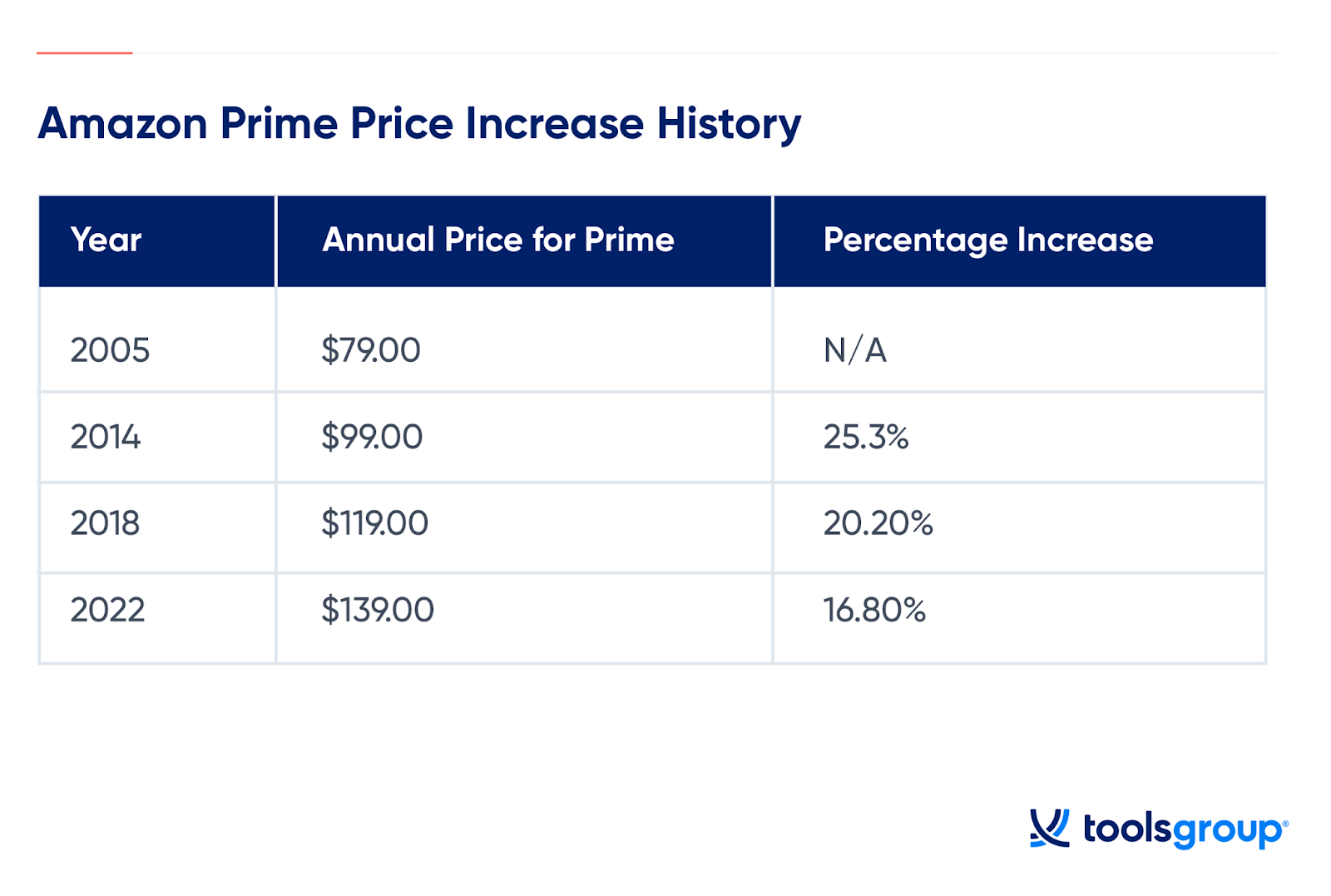
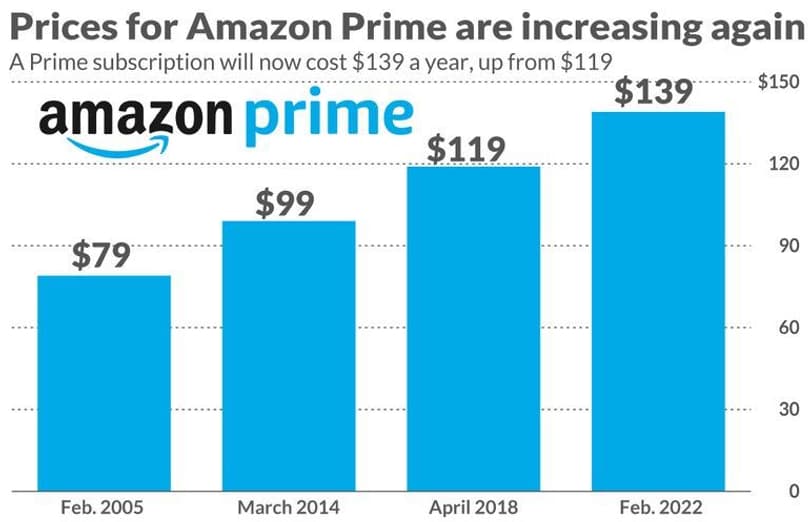
As we look toward the future, the cost of an Amazon membership is likely to continue its upward trajectory. Amazon has historically raised the price of Prime every four to five years to account for rising fuel costs, labor wages, and content production budgets.
Preparing for Price Hikes
For the financially proactive consumer, the best way to handle rising subscription costs is to build them into a “sinking fund” or an automated monthly budget category. Rather than viewing the $139 as a sudden shock in a random month, allocating roughly $12 per month ensures the expense is always covered. Furthermore, users should take advantage of “price locking” by renewing their annual membership immediately before a scheduled price increase goes into effect.
The Strategy of Turning Membership “On and Off”
One of the most effective financial strategies for Prime is the “on-and-off” method. Since Amazon allows you to cancel and rejoin at any time, some savvy consumers only subscribe during the holiday shopping season or when a specific series they want to watch is released on Prime Video. By paying for only three or four months of service per year, you can enjoy the peak benefits (like Prime Day or December shipping) for approximately $45 to $60, saving nearly $80 compared to an annual commitment.

Final Financial Verdict
Ultimately, the question of “how much is an Amazon membership” is answered not by the price tag, but by the net value added to your specific financial situation. For a power user who leverages the shipping, grocery discounts, and streaming services, the membership provides a massive surplus of value. For the occasional shopper who values intentionality over convenience, the membership may be an unnecessary drain on capital.
In the world of personal finance, every dollar must have a job. If your Amazon Prime membership is saving you time, reducing your grocery bill, and consolidating your entertainment costs, it is an efficient employee. If it is merely a gateway to impulse spending and unused digital libraries, it may be time to give it a pink slip. The key is to remain the CFO of your own life, constantly evaluating the ROI of every recurring expense in your portfolio.
aViewFromTheCave is a participant in the Amazon Services LLC Associates Program, an affiliate advertising program designed to provide a means for sites to earn advertising fees by advertising and linking to Amazon.com. Amazon, the Amazon logo, AmazonSupply, and the AmazonSupply logo are trademarks of Amazon.com, Inc. or its affiliates. As an Amazon Associate we earn affiliate commissions from qualifying purchases.