
In the modern landscape of digital consumption, subscription services have transitioned from luxury add-ons to significant line items in the average household budget. Among these, Amazon Prime Video stands as a dominant force, not merely because of its vast content library, but because of its unique integration into a broader retail ecosystem. For the financially conscious consumer, the question is no longer just “how much does it cost?” but rather “what is the total value proposition relative to the expense?” Understanding the pricing structure of Prime Video requires a detailed look at its various tiers, hidden costs, and the economic benefits that may or may not offset the monthly or annual fee.
Understanding the Pricing Structure: Subscription Models and Options
Amazon offers several entry points for those looking to access its streaming service. Unlike many of its competitors, Prime Video’s pricing is tied to the larger Amazon Prime membership, though a standalone option does exist for those who wish to avoid the retail giant’s shipping perks.
The Standalone Prime Video Option
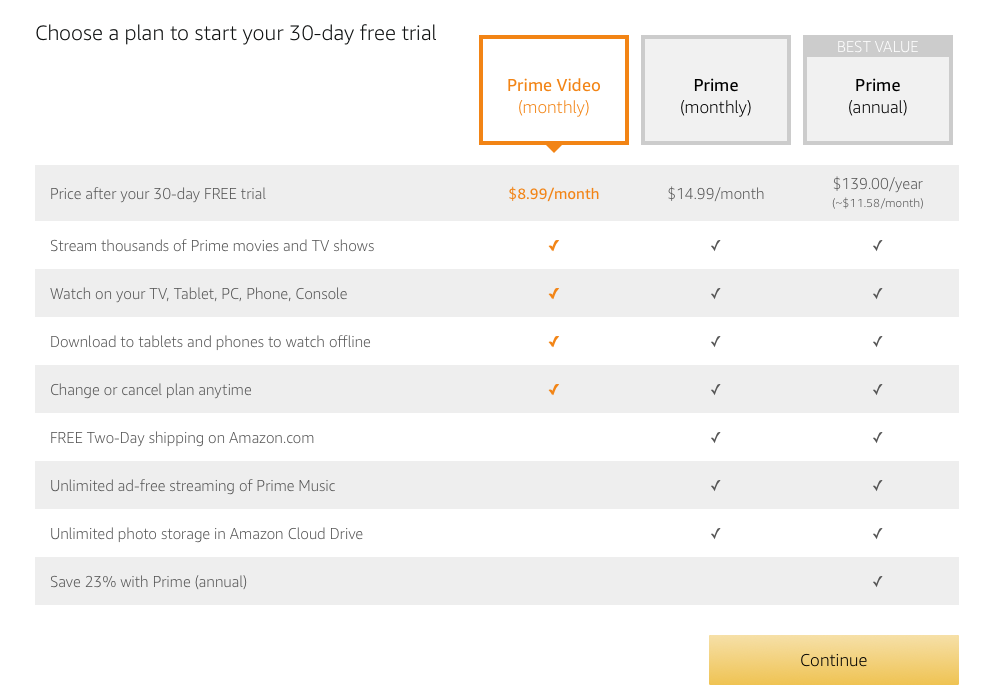
For individuals who do not shop frequently on Amazon and have no need for expedited shipping, Amazon offers a standalone Prime Video membership. As of current market rates, this service is priced at $8.99 per month. From a budgeting perspective, this is often viewed as a “pure” entertainment expense. It provides access to the full streaming library, including original programming and licensed films, without the overhead of the full Prime suite. However, when analyzed over a year, this costs approximately $107.88, which brings it close to the cost of the full annual membership.
The Full Amazon Prime Membership: Monthly vs. Annual
The most common way to access Prime Video is through a comprehensive Amazon Prime membership. This presents consumers with a classic financial dilemma: the choice between liquidity and long-term savings.
-
Monthly Membership: Priced at $14.99 per month. This option offers maximum flexibility, allowing users to cancel at any time without a long-term commitment. It is ideal for those who may only want the service during specific periods—such as the release of a high-profile series or the holiday shopping season.
-
Annual Membership: Priced at $139 per year. When broken down, the annual commitment costs approximately $11.58 per month. For a household certain of its long-term use of the service, the annual plan represents a significant saving of roughly $40 per year compared to the monthly plan.
Discounted Tiers: Student and Government Assistance Rates
One of the most effective ways Amazon captures market share while providing financial relief to specific demographics is through its discounted tiers. These programs are essential for individuals managing tight budgets.
-
Prime Student: Designed for higher education students, this tier offers a six-month trial followed by a significantly reduced rate of $7.49 per month or $69 per year. This is a 50% discount off the standard rate, making it one of the most cost-effective streaming options on the market.
-
Prime Access: Amazon provides a discounted rate for recipients of certain government assistance programs, such as SNAP, EBT, or Medicaid. This tier costs $6.99 per month. Financially, this serves as an inclusive entry point, ensuring that low-income households can access digital entertainment and the logistical benefits of Prime at a price point that fits a restricted budget.
Evaluating the ROI: Is the Price Justified in Your Budget?
In personal finance, the value of a service is rarely determined by its price alone, but by its “Return on Investment” (ROI). To determine if Prime Video is worth the cost, one must look at the competitive landscape and the ancillary benefits provided.
Comparing Prime Video to Netflix, Hulu, and Max
When audited against other major streaming platforms, Prime Video’s pricing is competitive, particularly when considering the multi-faceted nature of the membership.
-
Netflix: With its standard ad-free plan often exceeding $15.49 per month and its premium 4K plan reaching over $22.99, Netflix is a more expensive pure-play streaming service.
-
Max (formerly HBO Max): Similar to Netflix, Max positions itself as a premium service with pricing that often exceeds the $15 mark for ad-free viewing.
-
Hulu/Disney+: While these services offer lower entry points through ad-supported tiers, their combined “bundle” price is comparable to a monthly Amazon Prime membership.
The financial advantage of Prime Video lies in the “bundle” included with the $139 annual fee. If a consumer uses Amazon for shipping at least twice a month, the shipping savings alone can often cover the entire cost of the membership, essentially making the Prime Video component “free” from an accounting standpoint.
The Impact of the New Ad-Supported Model
In a significant shift in its financial strategy, Amazon recently introduced advertisements to its standard Prime Video tier. For users who wish to maintain an ad-free experience, an additional surcharge of $2.99 per month is now required. This change has altered the “cost-to-value” ratio. For a standard annual member, the “true” ad-free cost now effectively rises to approximately $175 per year. From a financial planning perspective, users must now decide if the interruption of ads is worth a $36 annual saving.
The Hidden Costs of Add-on Channels
One area where consumers often see their monthly expenses “leak” is through Prime Video Channels. Amazon acts as a central hub for other services like Paramount+, AMC+, and Discovery+. While the convenience of having one bill is high, these add-ons can quickly balloon a $14.99 monthly fee into a $50 or $60 monthly expense. Auditing these subscriptions quarterly is a vital practice for maintaining healthy digital finances.
Strategies to Minimize Subscription Costs and Maximize Savings
Managing digital subscriptions is a core component of modern personal finance. There are several strategic ways to interact with Prime Video to ensure you are getting the most for every dollar spent.
Utilizing Amazon Household for Shared Expenses
One of the most underutilized financial features of Amazon Prime is “Amazon Household.” This feature allows two adults (and up to four children) to share the benefits of a single Prime membership. In a two-adult household, this effectively cuts the cost of Prime Video in half. Instead of two individuals paying for separate accounts, they can split a single $139 annual fee, reducing the per-person cost to $69.50 per year. This is a powerful tool for couples or roommates looking to optimize their shared expenses.
The “Sprinting” Strategy
For those looking to be highly aggressive with their savings, the “sprinting” strategy involves subscribing to a service for only one or two months a year. Instead of paying for a year-round membership, a consumer might wait until a full season of their favorite show is released, pay for one month ($14.99), watch the content, and then immediately cancel. This reduces an annual $139 expense to $14.99, a 90% reduction in cost for the same entertainment value.
Leveraging Credit Card Rewards and Points
Many credit cards offer 5% cash back on Amazon purchases or specific categories for “streaming services.” By set-and-forgetting the Prime membership on a high-yield rewards card, consumers can effectively shave another $7 to $10 off their annual cost through cash back. Furthermore, some premium credit cards offer “entertainment credits” that can be applied directly to streaming services, potentially neutralizing the cost entirely.
The Broader Economic Impact of the Prime Ecosystem
To fully understand the “cost” of Prime Video, one must look at the behavioral economics at play. Amazon’s pricing strategy is designed to keep users within its ecosystem, which can have both positive and negative impacts on personal wealth.
The “Prime Effect” on Personal Spending Habits
Financial studies have often highlighted that Prime members tend to spend more on the Amazon retail platform than non-members. The convenience of “free” two-day shipping, combined with the integrated Prime Video experience, creates a frictionless shopping environment. From a personal finance standpoint, the “cost” of the membership is not just the $139 fee; it is also the potential for increased impulse spending. A disciplined budgeter must ensure that the convenience of the service doesn’t lead to “lifestyle creep” or unnecessary retail purchases.
Inflation and the Future of Subscription Pricing
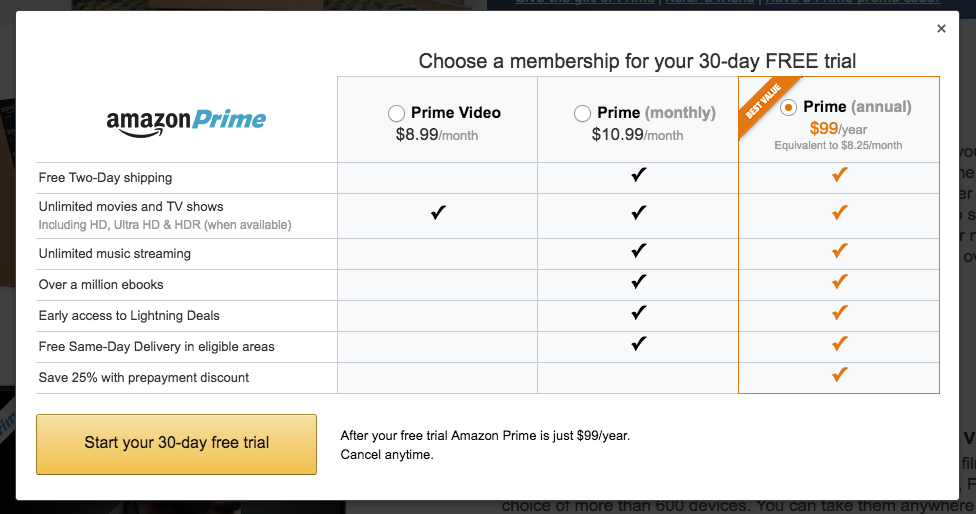
Like all digital services, Prime Video is not immune to inflation. The price of Prime has historically risen every few years (from $79 to $99 to $119 and now $139). As Amazon continues to invest billions into original content like “The Lord of the Rings: The Rings of Power” and live sports rights (such as Thursday Night Football), the upward pressure on subscription fees will likely continue. For the consumer, this means that the “value” of the membership is in a constant state of flux.

Conclusion: Making the Financial Choice
Ultimately, the cost of a Prime Video membership is a variable figure that depends entirely on how the consumer chooses to engage with the Amazon ecosystem. For the savvy individual who shares the account through Amazon Household, utilizes the annual discount, and uses the shipping benefits to save on household essentials, Prime Video represents one of the highest-value entertainment investments available today. Conversely, for the casual viewer who pays the monthly rate and succumbs to impulse purchases through the app, the “true” cost of membership may be much higher than the sticker price. By applying rigorous financial scrutiny to these subscriptions, consumers can enjoy the best of digital entertainment without compromising their long-term financial health.
aViewFromTheCave is a participant in the Amazon Services LLC Associates Program, an affiliate advertising program designed to provide a means for sites to earn advertising fees by advertising and linking to Amazon.com. Amazon, the Amazon logo, AmazonSupply, and the AmazonSupply logo are trademarks of Amazon.com, Inc. or its affiliates. As an Amazon Associate we earn affiliate commissions from qualifying purchases.