
In the modern household budget, the “streaming line item” has evolved from a minor convenience to a significant monthly expenditure. As the pioneer of the bundled service model, Amazon Prime Video remains a central figure in this financial landscape. However, determining the actual cost of Prime Video is no longer a simple matter of looking at a single price tag. Between tiered memberships, ad-supported models, and secondary “channel” subscriptions, the financial commitment required to access Amazon’s content library requires a nuanced cost-benefit analysis.
For the savvy consumer, understanding the pricing structure of Prime Video is essential for optimizing personal cash flow and ensuring that discretionary spending aligns with actual usage. This guide breaks down the current costs, the hidden financial implications of the platform, and how to determine the return on investment (ROI) for your specific financial situation.
Understanding the Pricing Structure: Monthly vs. Annual Commitments
Amazon’s pricing strategy for Prime Video is unique in the streaming industry because it is fundamentally tethered to a broader logistics and retail ecosystem. While most competitors are standalone digital services, Prime Video is often treated as a “loss leader” or a value-add for the larger Amazon Prime membership.
The Standard Prime Membership
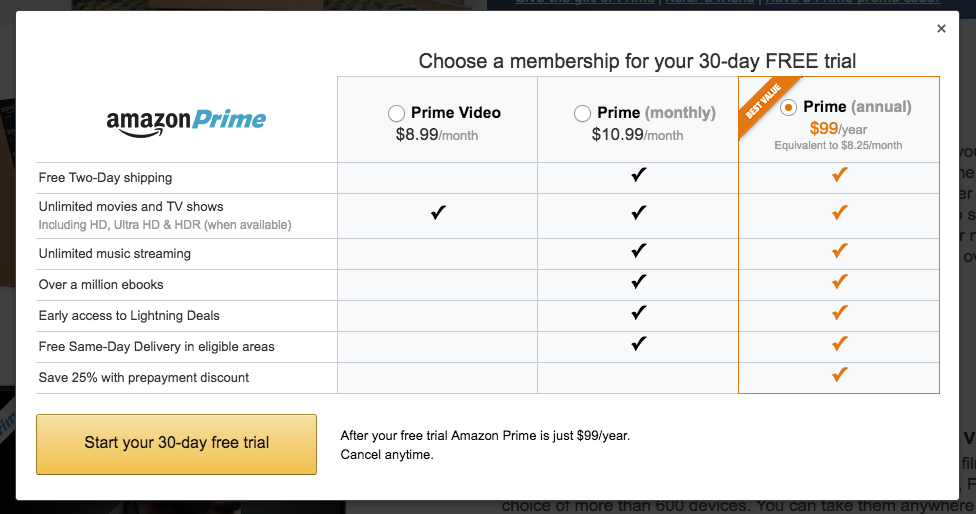
For the vast majority of users, Prime Video is accessed through a full Amazon Prime membership. As of 2024, the standard cost for this membership is $14.99 per month or $139 per year. From a personal finance perspective, the annual option offers a significant discount, reducing the effective monthly cost to approximately $11.58. This represents a savings of nearly $40 annually, or about 23%. For individuals who have the liquidity to pay the upfront cost, the annual plan is the mathematically superior choice, offering a guaranteed “return” on that capital compared to the monthly outlay.
Prime Video Standalone Options
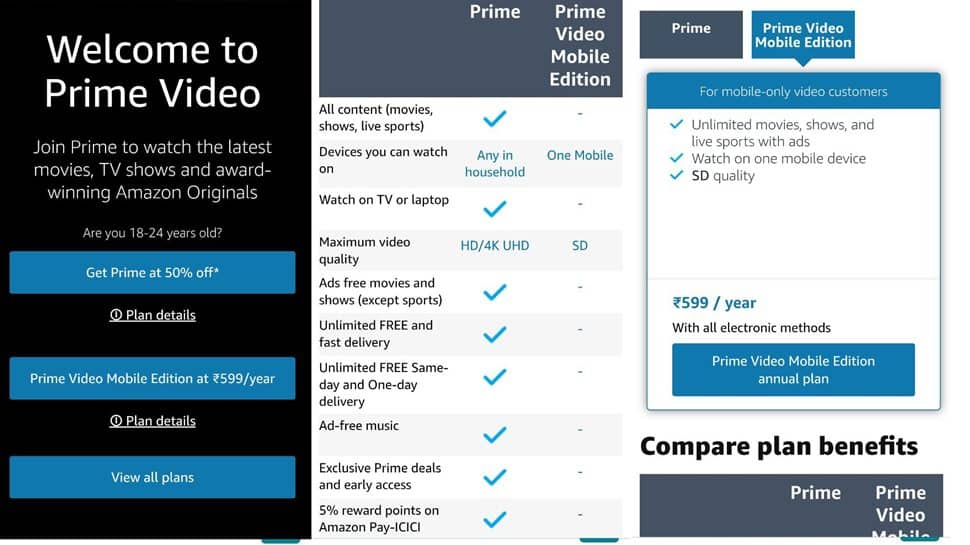
Recognizing that not every consumer needs expedited shipping or grocery delivery, Amazon offers a standalone Prime Video subscription. This is priced at $8.99 per month. While this is the lowest barrier to entry for the content library, it is rarely the most cost-effective choice for frequent Amazon shoppers. If a user places even two orders a month that would otherwise incur shipping fees, the full Prime membership usually pays for itself. From a budgeting standpoint, the standalone option is best suited for “minimalist” consumers who strictly want the content and do not participate in the Amazon retail ecosystem.
Student and Government Assistance Discounts
One of the most effective ways to lower the cost of Prime Video is through demographic-based discounts. Amazon Student memberships are currently priced at $7.49 per month or $69 per year, offering a 50% discount for those with a valid .edu email address. Furthermore, recipients of certain government assistance programs (such as SNAP or Medicaid) can access the full Prime membership for $6.99 per month. These targeted pricing tiers are vital for maintaining a lean budget while still accessing premium entertainment and the associated logistical savings of Prime.
The Financial Impact of the Ad-Supported Model
In early 2024, Amazon implemented a strategic shift in its revenue model by introducing advertisements into the standard Prime Video experience. This change altered the financial calculus for every subscriber.
The Ad-Free Premium
Under the new structure, the base Prime membership ($14.99/mo) now includes “limited advertisements.” For users who wish to maintain the uninterrupted experience they previously enjoyed, Amazon requires an additional $2.99 per month. This effectively raises the price of an ad-free Prime experience to approximately $18 per month.
The Cost of Time vs. Money
From a financial planning perspective, the choice between the ad-supported tier and the ad-free tier is a classic study in the “value of time.” If a viewer watches 10 hours of content per week and encounters 4 minutes of ads per hour, they are spending approximately 160 minutes—nearly 2.7 hours—per month watching commercials. For some, paying $2.99 to “buy back” nearly three hours of their time is a high-yield investment. For others, particularly those on a strict budget, the $36 annual savings of tolerating ads is a necessary trade-off to keep the subscription viable.
The Financial Ecosystem: Hidden Costs and Add-ons
A common pitfall in personal finance is accounting only for the base subscription fee while ignoring the “incidental” spending that a platform encourages. Prime Video is designed as a gateway to a much larger marketplace.
Prime Video Channels
Amazon operates as a central hub for other streaming services, known as Prime Video Channels. Through the interface, users can subscribe to Paramount+, Max, Starz, or BritBox. While this centralizes billing—which can be helpful for tracking expenses—it often leads to “subscription creep.” Because these services are so easy to add with a single click, many households find their monthly Prime bill ballooning to $50 or $60 without a conscious reassessment of their budget.
Rentals and Digital Purchases
Unlike Netflix, which provides all its content under a flat fee, Prime Video’s interface mixes “Free to Me” content with titles available for rent or purchase. This hybrid model can be a financial trap. It is easy to inadvertently spend $3.99 to $19.99 on a single movie rental, bypassing the value of the monthly subscription fee entirely. To manage this risk, financial advisors often suggest setting a “digital entertainment cap” within a banking app or using parental controls to require a PIN for any additional purchases.
Maximizing ROI: Is Prime Video Worth the Line Item?
To determine if the cost of Prime Video is justified, one must look beyond the sticker price and calculate the actual Return on Investment (ROI) based on household habits.
Cost-Per-Hour Analysis
The most objective way to measure the value of a streaming service is the cost-per-hour of entertainment. If a household pays $14.99 a month and watches 30 hours of content, the cost is $0.50 per hour. Compare this to a single movie ticket, which can cost $15 for two hours of entertainment ($7.50/hour). If Prime Video is your primary source of entertainment, it remains one of the most cost-effective leisure expenses available. However, if the service goes unused for weeks at a time, that $14.99 is essentially a “subscription tax” on your wealth.
The “Free Shipping” Subsidy
For many, the cost of Prime Video is effectively zero because the membership is justified by shipping savings. If you live in an area where gas is expensive or if your time is better spent working than commuting to big-box retailers, the shipping benefits can save a household hundreds of dollars a year in transportation costs and time. In this scenario, Prime Video is a “free” financial bonus.
Comparing Costs with the Competitive Landscape
In the current market, Prime Video’s standalone price of $8.99 is competitive with Netflix’s “Standard with Ads” ($6.99) and Disney+ ($7.99 with ads). However, when looking at ad-free tiers, Prime Video’s total cost (approx. $18) sits in the higher bracket alongside Max and Netflix’s premium plans. When making a choice between these services, consumers should rotate their subscriptions based on content availability rather than paying for all of them simultaneously.
Strategies for Reducing Your Streaming Expenses
If the rising costs of digital services are putting pressure on your financial goals, there are several strategic moves to lower the “Prime burden.”
The “Subscribe and Cancel” Rotation
One of the most effective personal finance strategies for the streaming era is the “rotation method.” Instead of paying for Prime Video, Netflix, and Disney+ year-round, a consumer can subscribe to one for two months, watch the desired content, cancel, and move to the next. Amazon’s monthly billing option, though more expensive per month than the annual plan, provides the flexibility needed for this strategy.
Leveraging Credit Card Benefits and Rewards
Many premium credit cards offer “streaming credits” or higher cash-back percentages for digital subscriptions. For example, some cards provide a $10 to $20 monthly credit for entertainment services. Additionally, using an Amazon-branded credit card can yield 5% cash back on the membership fee itself and all purchases made through the platform. This effectively reduces the cost of the service by 5% through a simple change in payment method.
Annual Audit of “Ghost” Subscriptions
A “ghost” subscription is a service you pay for but no longer use. Every six months, perform a financial audit of your Prime Video “Channels.” It is common to find an active $9.99 subscription for a channel you signed up for to watch a single miniseries six months ago. Pruning these add-ons is the fastest way to reduce your monthly Amazon bill without losing the core benefits of the Prime membership.
In conclusion, while the base price of Prime Video is fixed, its true cost is variable and depends heavily on how you manage the associated ecosystem. By choosing the right membership tier, utilizing available discounts, and being mindful of the “ad-free” upsell, you can ensure that your entertainment spending remains a source of value rather than a drain on your long-term financial health.
aViewFromTheCave is a participant in the Amazon Services LLC Associates Program, an affiliate advertising program designed to provide a means for sites to earn advertising fees by advertising and linking to Amazon.com. Amazon, the Amazon logo, AmazonSupply, and the AmazonSupply logo are trademarks of Amazon.com, Inc. or its affiliates. As an Amazon Associate we earn affiliate commissions from qualifying purchases.