
In the landscape of modern personal finance, the subscription economy has transformed from a niche convenience into a major budgetary pillar. At the center of this shift is Amazon Prime, a service that has evolved from a simple free-shipping program into a multifaceted ecosystem of digital services, retail benefits, and financial incentives. For the savvy consumer, the question is no longer just “what does it cost?” but rather “is the investment yielding a positive return?” To answer this, one must look beyond the sticker price and analyze the membership through the lens of cash flow, opportunity cost, and strategic spending.
Understanding the Pricing Structure: Monthly vs. Annual Tiers
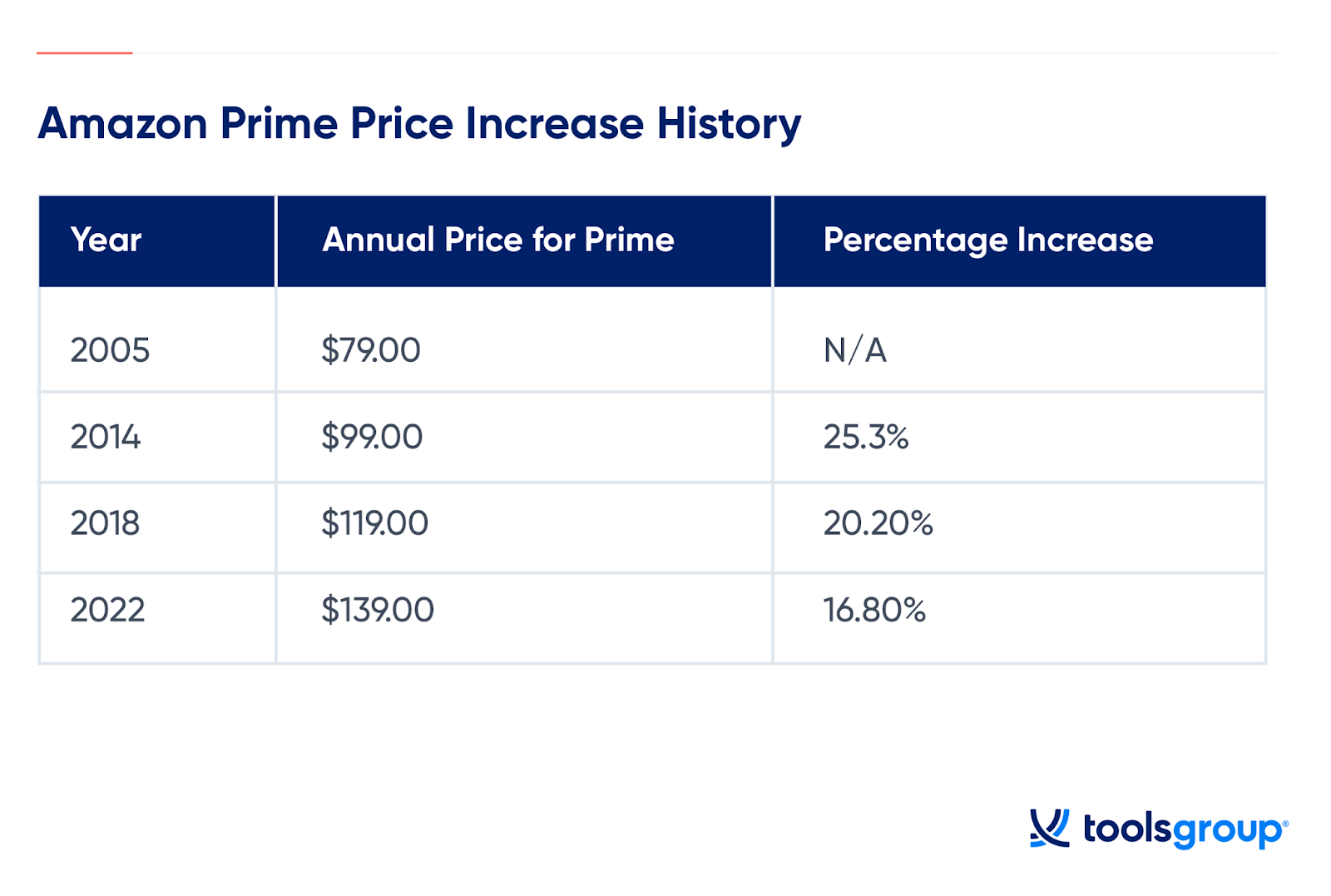
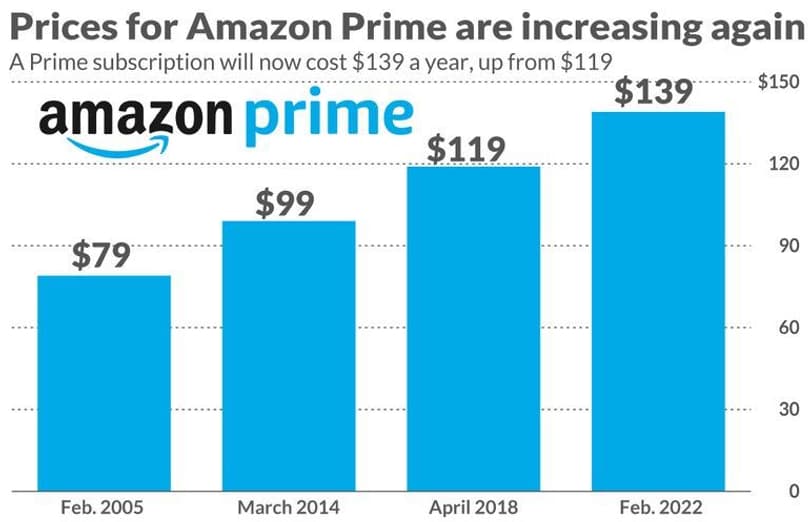
The most immediate answer to the cost of Amazon Prime is found in its tiered pricing model. As of 2024, the standard membership rates reflect the platform’s expansion and the broader inflationary pressures within the digital service sector.
Standard Membership Rates
For the majority of consumers, Amazon Prime is available at two primary price points. The monthly subscription is priced at $14.99, while the annual commitment is $139. From a personal finance perspective, the annual option is the clear winner for long-term users, offering a significant discount over the 12-month period. By opting for the annual payment, consumers effectively reduce their monthly cost to approximately $11.58, representing a savings of nearly $41 per year. This 23% discount is a simple but effective way to optimize fixed expenses for those who know they will utilize the service year-round.
Student and Government Assistance Discounts
Amazon employs a strategic pricing model for specific demographics, offering reduced rates that significantly alter the value proposition. Prime Student is currently priced at $7.49 per month or $69 per year. This tier is an exceptional financial tool for those in higher education, as it includes almost all the benefits of a standard membership at half the price.
Similarly, Amazon offers “Prime Access” for recipients of certain government assistance programs, such as SNAP, WIC, or TANF. Priced at $6.99 per month, this tier ensures that the logistical benefits of Prime—such as access to grocery delivery in food deserts—remain accessible to lower-income households. From a budgeting standpoint, these discounted tiers are often “no-brainer” investments if the user utilizes even a fraction of the shipping or grocery benefits.
Business Prime and Professional Scaling
For entrepreneurs and small business owners, Business Prime offers a different structure geared toward organizational efficiency. Unlike the consumer model, Business Prime is tiered based on the number of users. Rates start at roughly $69 per year for the “Essentials” plan (up to 3 users) and can scale significantly for enterprise-level needs. For a side hustle or a small LLC, these costs are often tax-deductible as a business expense, making the “real” cost lower after accounting for tax liabilities.
Evaluating the ROI: Is the Membership Fee a Smart Financial Move?
To determine if the $139 annual fee is a sound financial decision, one must conduct a cost-benefit analysis based on individual spending habits. The “break-even point” is the metric most relevant to personal finance.
Shipping Savings vs. Impulse Spending
The foundational benefit of Prime is free shipping. If the average cost of standard shipping is estimated at $5.95 per order, a member would need to place roughly 24 orders per year to break even on the annual membership fee through shipping savings alone. For frequent online shoppers, this threshold is easily met.
However, there is a psychological component to consider: the “Prime Effect.” Studies in consumer behavior suggest that Prime members tend to spend more overall because the friction of shipping costs is removed. From a strict wealth-building perspective, if the membership induces $500 of unnecessary impulse spending annually, the $139 fee becomes a liability rather than an asset. Managing this requires a disciplined approach to “needs vs. wants” and utilizing features like “Save for Later” to prevent emotional purchasing.
Digital Content Value and Expense Substitution
One of the most effective ways to justify the cost of Prime is through expense substitution. A standard Amazon Prime membership includes Prime Video, Prime Music, and Prime Reading.
-
Prime Video: If this replaces a standalone streaming service like Netflix (approx. $15.49/month), the membership pays for itself in just nine months.
-
Prime Music: For casual listeners, this can replace a $10.99/month Spotify subscription.
-
Prime Reading and First Reads: For book lovers, the access to a rotating library of Kindle books can save significant amounts on digital media purchases.
By consolidating these digital subscriptions into a single Prime membership, a household can potentially save $200–$400 annually in “subscription leak”—the phenomenon where small, unnoticed monthly charges drain a bank account.
Grocery Savings through Whole Foods and Amazon Fresh
For those who live near Whole Foods or utilize Amazon Fresh, the membership offers exclusive discounts (often an additional 10% off sale items). In a high-inflation environment where grocery costs are a major pain point, these savings can be substantial. A household spending $200 a week on groceries could recoup the annual membership fee in just a few months through strategic shopping of Prime-member deals.
Hidden Financial Benefits and Perk Optimization
The true “pro” users of Amazon Prime look beyond shipping and video to the secondary financial tools integrated into the ecosystem. These features can turn the membership into a net-profit center.
The Prime Visa and Cash Back Strategies
One of the most powerful financial tools associated with the membership is the Amazon Prime Visa. This card typically offers 5% cash back on all Amazon.com and Whole Foods Market purchases for Prime members.
For a household that spends $3,000 a year on Amazon (including groceries, household essentials, and gifts), the 5% cash back yields $150. This cash back alone completely covers the $139 annual membership fee and leaves a $11 profit. When used responsibly—meaning the balance is paid in full each month to avoid interest—the Prime Visa transforms the membership from a cost into a discount mechanism.
Sharing the Burden: Amazon Household
Amazon allows users to share certain Prime benefits with one other adult through “Amazon Household.” From a personal finance perspective, this effectively allows two people to split the $139 fee. If two roommates or family members share a household account, the individual cost drops to $69.50 per year. This is one of the most underutilized strategies for reducing recurring expenses while maintaining full access to the platform’s utility.
No-Rush Shipping Credits
For those who do not need their items immediately, Amazon frequently offers “No-Rush Shipping” credits. These are typically $1 to $3 credits that can be applied toward digital purchases like movie rentals, Kindle books, or apps. A member who places 30 orders a year and opts for no-rush shipping on half of them could earn $15–$30 in digital currency. While not “cash in hand,” it offsets the cost of digital entertainment that the user might have otherwise paid for with post-tax dollars.
The Opportunity Cost of Subscription Fatigue
In any financial audit, one must address the opportunity cost of the capital tied up in subscriptions. While $139 per year may seem negligible, it is the cumulative effect of multiple “small” subscriptions that hampers long-term wealth building.
Managing Recurring Expenses in a High-Inflation Economy
The primary risk of an Amazon Prime membership is not the fee itself, but the “set it and forget it” mentality. Financial advisors often recommend a “subscription audit” every six months. If your lifestyle has shifted—perhaps you are shopping more at local farmers’ markets or you’ve switched to a different streaming service—the $139 might be better served in a High-Yield Savings Account (HYSA) or a low-cost index fund.
$139 invested annually for 30 years at a 7% average market return would grow to approximately $13,100. While this doesn’t mean one should live a life devoid of convenience, it illustrates the importance of ensuring every dollar in the budget is working toward a specific goal.
When to Cancel or Pause Your Membership
There are specific scenarios where the membership ceases to be a sound financial move:
-
Low Volume: If you place fewer than 15 orders a year and don’t use the streaming services.
-
Impulse Control: If the “Buy Now” button leads to consistent overspending and debt.
-
Redundancy: If you already pay for Walmart+, Target 360, or other retail memberships that offer similar logistics.
Amazon allows users to cancel and rejoin with relative ease. A strategic financial move for some is to pay for the monthly membership only during high-volume months (like November and December) and cancel for the remainder of the year. This targeted approach costs $29.98 (for two months) vs. $139 for the year, saving over $100.

Conclusion: Making the Final Financial Call
The cost of an Amazon Prime membership is a variable figure that depends entirely on the user’s ability to leverage its internal tools. At a base level, the $139 annual fee is a payment for convenience. However, for the consumer who utilizes the Prime Visa for cash back, substitutes other streaming services with Prime Video, and shares the account through Amazon Household, the membership becomes a high-yielding financial asset.
To make the right call for your personal finances, calculate your “Prime ROI” by adding up your annual shipping savings, the cost of the digital services you would otherwise pay for, and the cash back earned through the Prime Visa. If that sum exceeds $139, the membership is a productive part of your financial ecosystem. If not, it may be time to reallocate those funds toward your high-interest debt or investment goals. In the world of money management, even small recurring costs deserve a rigorous audit.
aViewFromTheCave is a participant in the Amazon Services LLC Associates Program, an affiliate advertising program designed to provide a means for sites to earn advertising fees by advertising and linking to Amazon.com. Amazon, the Amazon logo, AmazonSupply, and the AmazonSupply logo are trademarks of Amazon.com, Inc. or its affiliates. As an Amazon Associate we earn affiliate commissions from qualifying purchases.