
In the landscape of modern personal finance, the recurring subscription model has transitioned from a niche convenience to a dominant budgetary line item. Among these, Amazon Prime stands as a behemoth, influencing not only how we shop but how we consume media and manage household logistics. Understanding exactly how much per month for Amazon Prime—and more importantly, what that capital outlay represents in terms of a return on investment—is essential for any consumer dedicated to rigorous financial planning. As of 2024, the cost of an Amazon Prime membership is no longer a simple, static figure; it is a multi-tiered pricing structure designed to capture different demographic segments and usage patterns.
Understanding the Current Pricing Tiers and Membership Structures
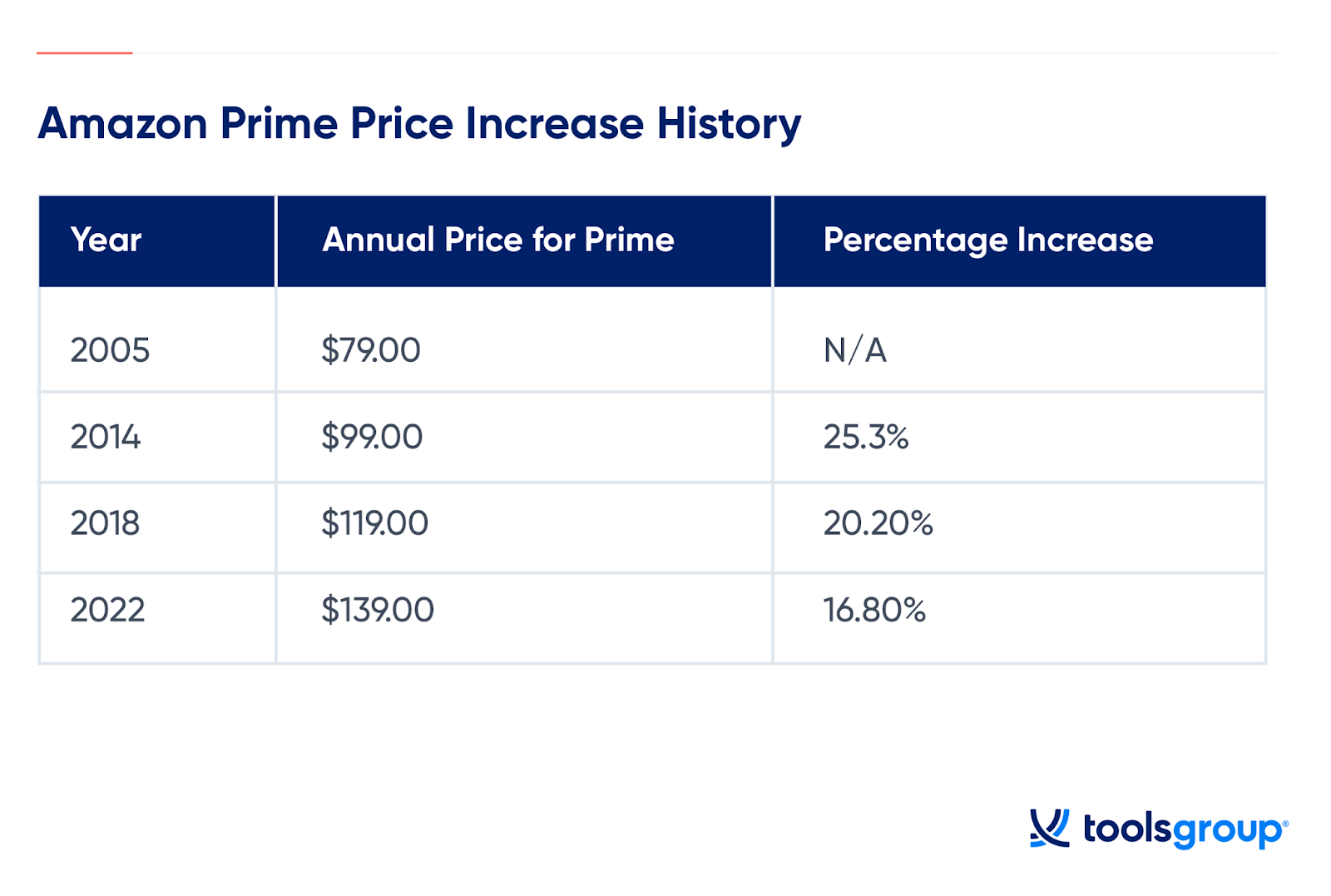
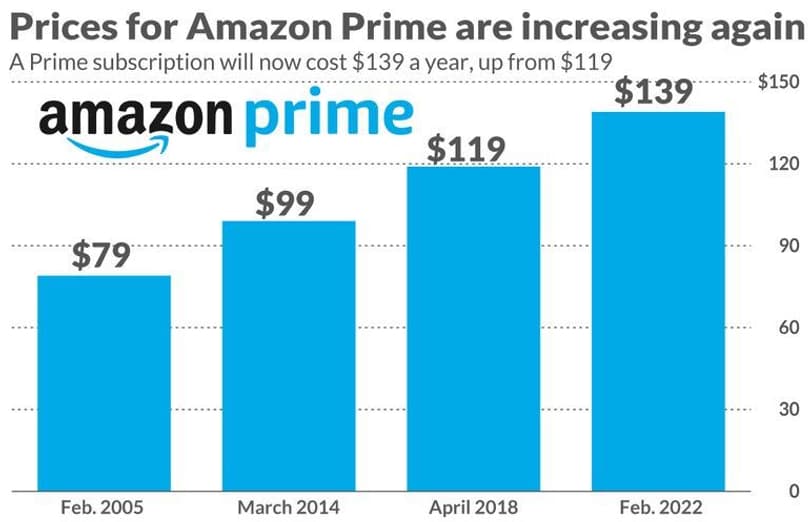
To accurately answer the question of monthly cost, one must look at the specific tier for which a consumer qualifies. The baseline standard for an individual Amazon Prime membership is currently $14.99 per month. For those who opt to pay annually, the cost is $139 per year, which effectively lowers the monthly average to approximately $11.58. This $3.41 monthly difference represents a significant 22% discount for those who can afford the upfront liquidity, illustrating a classic principle of personal finance: liquidity often buys a lower cost of living.
Standard Individual Plans: Monthly vs. Annual
The choice between the $14.99 monthly rate and the $139 annual rate is a matter of cash flow management. The monthly plan offers the ultimate flexibility, allowing users to cancel during months of low usage—perhaps during summer months when shopping or streaming activity dips—and reactivate during high-volume periods like the holiday season. However, for a permanent household fixture, the annual plan is the superior financial move. The $40 annual savings, when viewed as a return on a $139 investment, yields a “gain” that far outpaces most traditional savings accounts or conservative bond yields.
Discounted Tiers: Prime Student and Access
Amazon has strategically priced its service to capture younger demographics and those with limited disposable income through its Student and Access tiers. Prime Student is priced at $7.49 per month or $69 per year, following a generous six-month trial period. This is a vital tool for students to manage the costs of textbooks and essential supplies.
Simultaneously, the “Prime Access” program is designed for recipients of select government assistance programs, such as SNAP, WIC, or TANF. This tier costs $6.99 per month. From a social and financial equity perspective, this reduced rate allows low-income households to access the logistical efficiencies of e-commerce, which can often be cheaper than local retail options in “food deserts” or areas with limited competitive commerce.
The Hidden Costs: Ad-Free Video and Add-ons
A recent and significant shift in the Prime value proposition is the introduction of tiers within the digital services themselves. While Prime Video remains included in the base price, Amazon recently transitioned to an ad-supported model for all users. To maintain an ad-free experience, members must now pay an additional $2.99 per month. For the consumer who views Prime primarily as a streaming service, the “true” monthly cost for a seamless experience rises to $17.98. When auditing one’s monthly expenses, failing to account for this “subscription creep” can lead to a distorted view of one’s digital entertainment budget.
Quantifying the Value: A Personal Finance Perspective
Determining whether $14.99 per month is “worth it” requires a move away from emotional convenience toward hard data. In financial terms, a subscription is an asset only if its utility or cost-saving potential exceeds its price. To perform a break-even analysis, one must categorize the savings across shipping, digital media, and grocery expenditures.
Shipping Savings: The Break-Even Point
For most, the primary driver of a Prime subscription is “free” shipping. Without Prime, standard shipping on Amazon typically ranges from $3.99 to $9.99 depending on the item and speed. If we take a conservative average of $7.00 per shipment, a monthly subscriber must place at least three orders per month to justify the $14.99 fee. An annual subscriber, averaging $11.58 per month, needs only two orders to reach the break-even point. If your household shopping habits involve fewer than 20 orders per year, the financial logic of a Prime membership begins to crumble, and you may be better served by consolidating orders to meet the “free shipping over $35” threshold available to non-members.
Aggregating Digital Services (Video, Music, and Photos)
A sophisticated approach to budgeting involves viewing Amazon Prime not as a single service, but as a bundle of several. To find the true value, compare Prime to its individual competitors:
-
Streaming Video: Competitors like Netflix or Max cost between $10 and $20 per month.
-
Music Streaming: Services like Spotify or Apple Music cost roughly $11 per month.
-
Cloud Storage: Google One or iCloud storage for photos can cost $2 to $10 per month.

If a consumer utilizes Prime Video for their primary entertainment, Prime Music for their workouts, and Amazon Photos for their backups, they are effectively replacing $25–$35 worth of external subscriptions with a single $14.99 (or $11.58) payment. In this scenario, the membership isn’t an expense; it is a consolidation strategy that nets a monthly surplus.
Grocery and Pharmacy Perks: Whole Foods and Beyond
For the budget-conscious shopper, the 10% discount on sale items at Whole Foods Market and the “Prime Rx” savings at pharmacies add another layer of financial return. Prime Rx claims to save users up to 80% on prescriptions when not using insurance. For individuals with high recurring medical costs, the pharmacy savings alone can pay for the entire annual membership in a single quarter.
The Subscription Creep: Managing Prime Within Your Budget
Despite the benefits, a Prime membership can act as a “Trojan Horse” for discretionary spending. The removal of the shipping “friction” often leads to impulsive purchasing. From a wealth-building perspective, it is essential to monitor whether the convenience of the $14.99 monthly fee is actually causing a drain on your overall savings rate.
Identifying the “Prime Effect” on Discretionary Spending
Behavioral economics suggests that when shipping is “free,” consumers are more likely to buy items they don’t need or to buy items in smaller increments. This leads to a higher volume of transactions, which can make tracking a budget difficult. A disciplined financial plan requires a monthly audit of Amazon order history. If you find that the ease of Prime is leading to “boredom shopping,” the $15 monthly fee is the least of your financial concerns—the real cost is the hundreds of dollars in unnecessary goods arriving at your door.
Comparing Prime to Competitor Value Propositions
The landscape of retail subscriptions is more competitive than ever. Walmart+ ($12.95/mo or $98/yr) and Target Circle 360 are direct competitors that may offer better value depending on your geographic location. Walmart+, for instance, includes a Paramount+ subscription and fuel discounts, which might offer a higher ROI for families who spend significantly on gasoline. A savvy financial manager will compare these ecosystems annually to ensure they are anchored in the one that offers the most relevant utility for their specific lifestyle.
Periodic Auditing: Is the Fee Still Justified?
Subscriptions should never be “set and forget.” Every six months, perform a “Subscription Audit.” Ask: How many Prime Video originals did I watch this month? How many Amazon Music playlists did I stream? If the answer is “zero” and you only ordered one package, it is financially prudent to cancel the service. You can always re-subscribe for a single month ($14.99) during a busy period, such as October for Prime Big Deal Days or December for the holidays.
Advanced Financial Strategies for Prime Members
For those committed to the Amazon ecosystem, there are ways to manipulate the financial mechanics of the membership to drive the effective cost even lower, potentially even making the membership “pay for itself.”
Leveraging Cashback and Rewards Systems
The most effective way to offset the monthly cost of Prime is through the Amazon Prime Rewards Visa Signature Card. This card offers 5% back on all Amazon and Whole Foods purchases. For an annual member paying $139, you only need to spend $2,780 per year on Amazon (or roughly $232 per month) to earn enough cashback to cover the membership fee entirely. For families who buy groceries, household essentials, and gifts through the platform, this 5% rebate transforms the membership from a cost into a neutral or even profitable line item.
Household Sharing to Split Costs
Amazon allows “Amazon Household,” which enables two adults to share Prime benefits while keeping their accounts and payment methods separate. From a personal finance standpoint, this effectively halves the cost of the membership. Two roommates or partners can split the $139 annual fee, bringing the monthly cost down to $5.79 per person. This is one of the most underutilized strategies for reducing digital overhead.
The Strategy of Seasonal Subscribing
If the $139 annual commitment feels too heavy, consider the “On-Off” strategy. By subscribing only during months of high need (e.g., November/December for holidays and July for Prime Day), a consumer can spend only $44.97 for three months of service. This provides the bulk of the year’s value for less than a third of the annual cost. In the world of savvy money management, paying for access only when you intend to use it is a hallmark of the high-net-worth mindset.
Ultimately, whether you pay $14.99, $7.49, or $6.99 per month for Amazon Prime, the figure is only relevant when measured against the value extracted. By treating the subscription as a financial tool rather than a passive utility, you can ensure that your digital ecosystem supports your long-term wealth goals rather than detracting from them.
aViewFromTheCave is a participant in the Amazon Services LLC Associates Program, an affiliate advertising program designed to provide a means for sites to earn advertising fees by advertising and linking to Amazon.com. Amazon, the Amazon logo, AmazonSupply, and the AmazonSupply logo are trademarks of Amazon.com, Inc. or its affiliates. As an Amazon Associate we earn affiliate commissions from qualifying purchases.