
In today’s hyper-connected and rapidly evolving world, the word “disruption” is everywhere. From the latest tech startup promising to revolutionize an industry to a sudden shift in consumer behavior, disruption feels like an ever-present force. But what does it truly mean? Is it simply a buzzword, or does it represent a fundamental shift in how we innovate, build brands, and manage our finances?
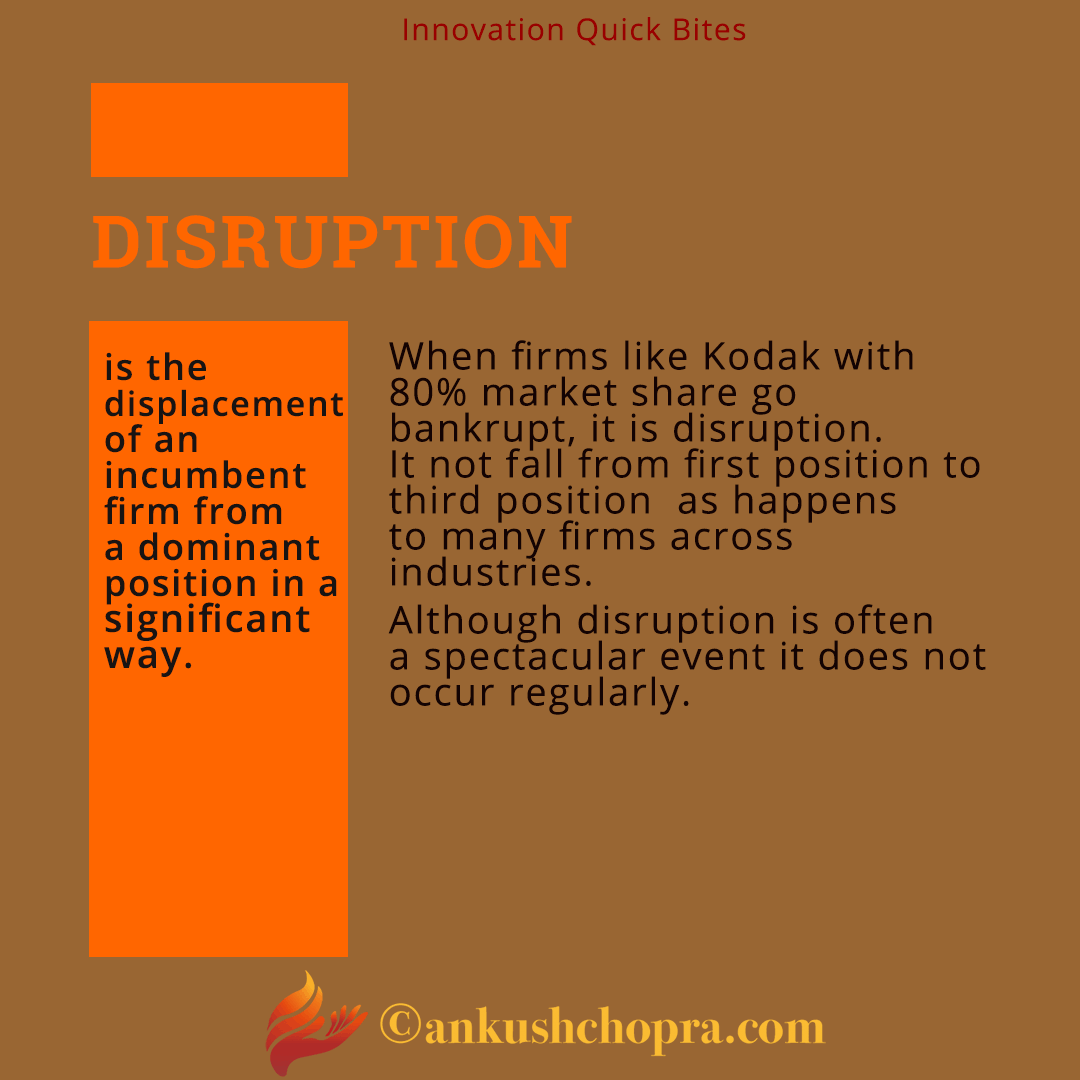
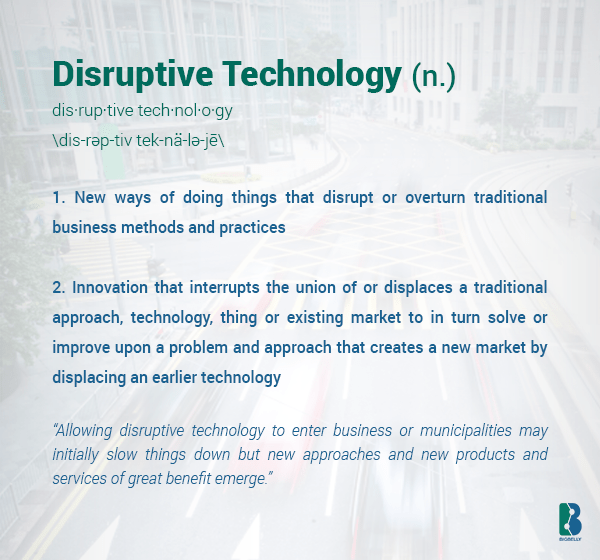
At its core, disruption refers to an innovation, product, or service that creates a new market and value network, eventually disrupting an existing market and value network by displacing established market-leading firms, products, and alliances. Often, disruptive innovations are initially simpler, cheaper, or more convenient than existing offerings, targeting overlooked or underserved customer segments. Over time, they improve and eventually displace established competitors.
This article will delve into the multifaceted nature of disruption, exploring its impact across three critical domains that define our modern landscape: Technology, Brand, and Money. We’ll examine how disruptive forces manifest in each area, the strategies for navigating them, and how individuals and businesses can not only survive but thrive in an era of constant change.
Disrupting the Technological Landscape: The Engine of Innovation
Technology is arguably the most potent catalyst for disruption. The relentless pace of innovation in software, AI, gadgets, and digital tools constantly redefines possibilities and challenges the status quo. What was once cutting-edge becomes obsolete at an alarming rate, forcing industries to adapt or face irrelevance.
The Evolution of Disruption in Tech
Historically, disruptive technologies often emerged from the fringes. Think of the personal computer disrupting the mainframe era, or the internet dismantling traditional retail. These innovations offered new value propositions – accessibility, affordability, and new functionalities – that gradually chipped away at the dominance of established players.
Today, the nature of tech disruption is accelerating and diversifying. We’re seeing disruptions driven by:
- Artificial Intelligence (AI) and Machine Learning (ML): AI tools are no longer confined to research labs. They are powering everything from personalized recommendations and automated customer service to sophisticated data analysis and creative content generation. AI is disrupting industries like healthcare with diagnostic tools, finance with algorithmic trading, and even art with AI-generated masterpieces. The accessibility of AI tools, often through cloud-based platforms, democratizes its power, allowing smaller players to compete with giants.
- The Rise of the App Economy and SaaS (Software as a Service): Mobile apps and subscription-based software have fundamentally changed how we consume and interact with technology. Instead of expensive, one-time purchases, we now have access to a vast array of tools and services on demand. This model has disrupted traditional software licensing and even hardware industries by enabling greater flexibility and lower upfront costs. Productivity apps, collaborative platforms, and specialized niche software are constantly emerging, offering tailored solutions that traditional, monolithic software struggles to match.
- The Internet of Things (IoT) and Connected Devices: The proliferation of smart devices – from wearables and smart home appliances to industrial sensors – is creating a new layer of interconnectedness. This interconnectedness generates vast amounts of data, which in turn fuels further AI-driven insights and automation. IoT is disrupting traditional manufacturing, logistics, and even urban planning by providing real-time data and enabling remote control and monitoring.
- Immersive Technologies (VR/AR/XR): While still in its nascent stages, virtual, augmented, and extended reality holds immense disruptive potential. These technologies could revolutionize education, entertainment, training, and even remote collaboration by creating entirely new ways of experiencing and interacting with digital content and physical spaces.
Adapting to Technological Disruption
For businesses and individuals, understanding and responding to technological disruption is paramount. This involves:
- Continuous Learning and Skill Development: Staying abreast of emerging technologies and acquiring new skills is no longer optional. Individuals need to embrace a mindset of lifelong learning, particularly in areas like digital literacy, AI fundamentals, and data analysis.
- Agile Development and Iterative Innovation: Traditional, long-term product development cycles are ill-suited for a disruptive environment. Embracing agile methodologies, focusing on rapid prototyping, and incorporating user feedback iteratively allows for faster adaptation and response to changing market demands.
- Embracing Open Innovation and Collaboration: No single entity can possess all the necessary insights and resources. Open innovation, collaborating with startups, research institutions, and even competitors, can accelerate the adoption of new technologies and foster creative solutions.
- Prioritizing Digital Security: As technology becomes more pervasive, so do the risks. Robust digital security measures are not just a technical necessity but a foundational element of trust and brand integrity in the digital age. Disruptions can also stem from cybersecurity breaches, making proactive defense crucial.
Brand in the Age of Disruption: Reinventing Identity and Connection
Disruption isn’t just about new products; it’s also about how those products and the companies behind them connect with their audiences. Brand strategy, personal branding, marketing, and design are all undergoing profound transformations as a result of shifting consumer expectations and new communication channels.
The Shifting Nature of Brand Value
In the past, brand value was often built on mass marketing, consistent messaging, and perceived quality. Today, disruption has introduced new dynamics:
- The Rise of Authenticity and Transparency: Consumers, armed with social media and review platforms, demand authenticity. Brands that are perceived as inauthentic or opaque are quickly called out, leading to reputational damage. Disruptive brands often emerge by being more transparent, communicating their values openly, and fostering genuine connections with their communities.
- Personalization and Niche Marketing: Mass-market approaches are becoming less effective. Disruptive marketing often focuses on highly personalized experiences and catering to specific niche audiences. AI-powered analytics and targeted digital advertising enable brands to reach the right people with the right message at the right time.
- The Power of Community and User-Generated Content: Brands are no longer solely in control of their narrative. Online communities, influencer marketing, and user-generated content play a significant role in shaping brand perception. Disruptive brands often leverage these channels to build loyalty and advocacy.
- Purpose-Driven Branding: Consumers are increasingly aligning their purchasing decisions with brands that share their values and have a positive social or environmental impact. Brands that can articulate a clear purpose and demonstrate tangible action are gaining a competitive edge. This is a form of disruption to traditional profit-centric business models.
- Visual Identity and Experiential Design: In a crowded digital space, a strong and adaptable visual identity is crucial. Beyond logos, this encompasses the entire customer experience, from website design and app interfaces to physical store layouts and packaging. Disruptive design often prioritizes user-friendliness, emotional connection, and a memorable aesthetic.
Navigating Brand Disruption
To thrive amidst brand disruption, businesses and individuals must:
- Define and Live Your Core Values: In a world of fleeting trends, a strong set of core values provides an anchor. Brands that consistently embody their values build trust and resonance.
- Embrace Agility in Brand Messaging: The brand narrative needs to be flexible enough to adapt to new platforms and evolving consumer sentiments. This doesn’t mean abandoning core principles, but rather finding new ways to express them.
- Invest in Customer Experience: Every touchpoint a customer has with a brand is an opportunity to build or erode value. Prioritizing seamless, positive, and personalized customer experiences is a powerful differentiator.
- Monitor and Engage with Your Audience: Actively listen to what your audience is saying online and offline. Engage in conversations, address concerns, and leverage feedback for continuous improvement.
- Learn from Disruptive Brands: Analyze the strategies of brands that are successfully challenging the status quo. What are they doing differently in terms of communication, community building, and value proposition?
Money and Disruption: Reshaping Finance and Economic Opportunity
The financial world is no stranger to disruption. From new investment vehicles and online income streams to shifts in personal and business finance, the way we earn, save, and spend money is undergoing a significant transformation.
The Democratization and Decentralization of Finance
Disruption in the realm of money is characterized by:
- The Fintech Revolution: Financial technology (fintech) has been a major disruptive force. Mobile banking apps, peer-to-peer lending platforms, digital payment solutions, and robo-advisors have made financial services more accessible, affordable, and convenient. This has challenged traditional banks and financial institutions, forcing them to innovate.
- The Rise of Online Income and the Gig Economy: The internet has opened up a myriad of new avenues for earning income. Freelancing, online courses, content creation, affiliate marketing, and e-commerce have created side hustles and full-time careers that were unimaginable a few decades ago. This disrupts traditional employment models and offers greater financial flexibility.
- Cryptocurrencies and Decentralized Finance (DeFi): While still evolving, cryptocurrencies and DeFi represent a potentially radical disruption to traditional financial systems. By offering decentralized alternatives to banking, lending, and trading, they aim to reduce reliance on intermediaries and increase transparency and accessibility.
- New Investment Opportunities: Beyond traditional stocks and bonds, disruptive investment trends include crowdfunding, alternative assets, and micro-investing platforms. These democratize access to investment opportunities previously only available to institutional investors.
- Personal Finance Tools and Automation: A wave of apps and digital tools are empowering individuals to take greater control of their personal finances. Budgeting apps, debt management tools, and automated savings plans are making financial planning more accessible and less daunting.
Navigating Financial Disruption
To effectively navigate the disruptive forces in finance, individuals and businesses should:
- Embrace Financial Literacy and Continuous Learning: Understanding new financial tools, investment options, and economic trends is crucial. Staying informed about emerging opportunities and risks in areas like fintech and digital assets is essential.
- Diversify Income Streams: Relying on a single source of income is increasingly risky in a disruptive economy. Exploring side hustles, online businesses, and passive income opportunities can build financial resilience.
- Adopt a Proactive Approach to Investing: Don’t shy away from new investment avenues, but approach them with caution and thorough research. Understand the risks and rewards associated with emerging asset classes and platforms.
- Leverage Technology for Financial Management: Utilize personal finance apps and digital tools to track spending, manage budgets, and automate savings. This can lead to greater financial discipline and improved outcomes.
- Understand the Psychology of Money: Disruption can create both opportunities and anxieties around money. Developing a healthy mindset towards financial risk, reward, and change is as important as understanding the technical aspects.
Conclusion: Embracing Disruption as an Opportunity
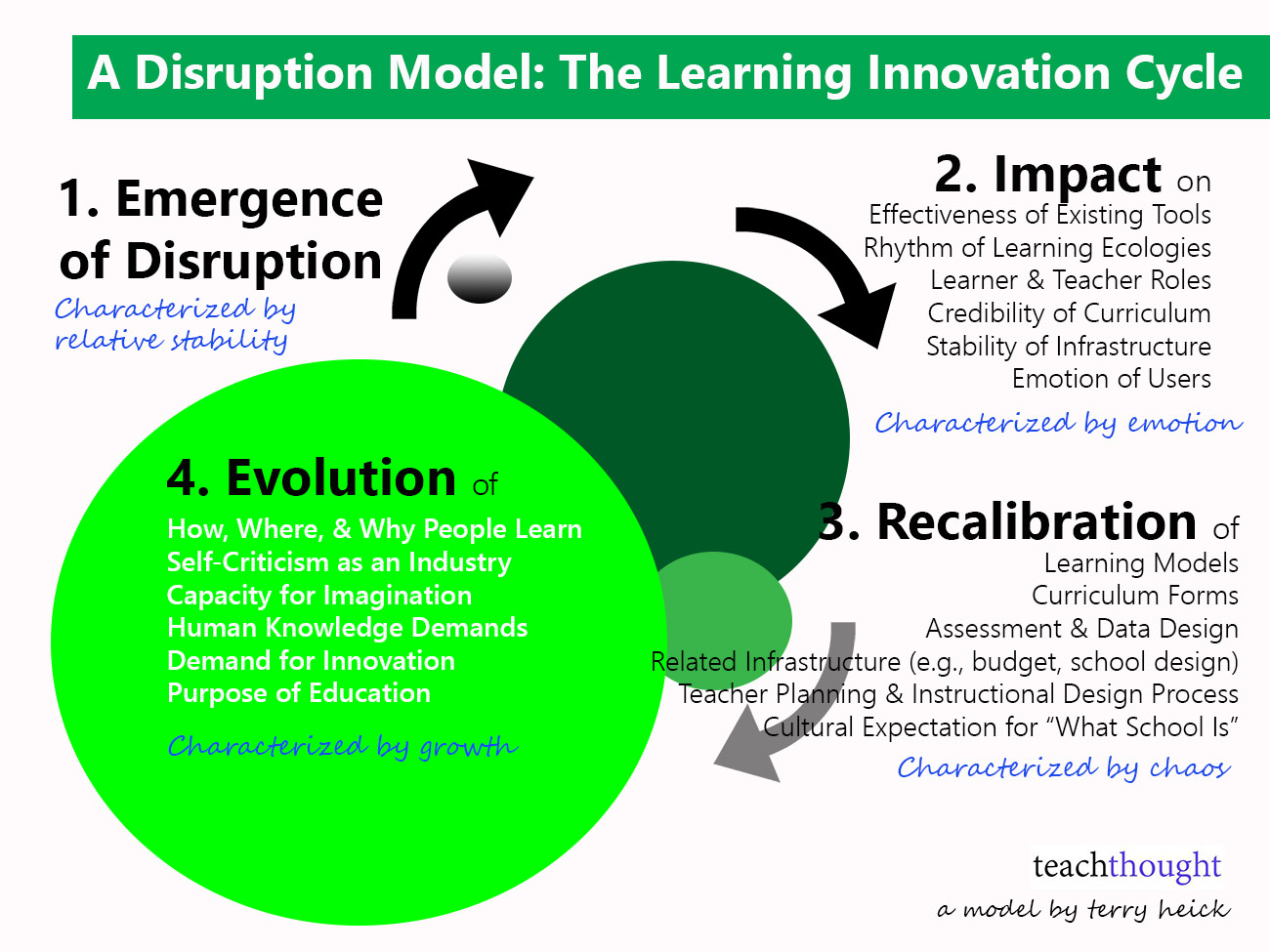
The title “What is Disruption?” hints at a quest for understanding a complex phenomenon. It’s not a singular event, but an ongoing process that reshapes our world. From the groundbreaking advancements in Tech that redefine what’s possible, to the evolving strategies for building authentic Brands that resonate with modern audiences, and the fundamental shifts in how we manage our Money and create economic opportunity, disruption is a constant.
Instead of fearing disruption, we can choose to embrace it. By fostering a culture of continuous learning, adaptability, and strategic foresight, individuals and organizations can transform challenges into opportunities. The ability to anticipate change, leverage new technologies, build resilient brands, and navigate the evolving financial landscape will be the defining characteristic of success in the years to come. Disruption isn’t the end of the road; it’s the beginning of a new, often more dynamic and rewarding, journey.
aViewFromTheCave is a participant in the Amazon Services LLC Associates Program, an affiliate advertising program designed to provide a means for sites to earn advertising fees by advertising and linking to Amazon.com. Amazon, the Amazon logo, AmazonSupply, and the AmazonSupply logo are trademarks of Amazon.com, Inc. or its affiliates. As an Amazon Associate we earn affiliate commissions from qualifying purchases.