
Closing a bank account is often viewed as a simple administrative task, yet it represents a significant shift in your personal financial infrastructure. Whether you are moving to a high-yield online savings account, switching to a local credit union for better service, or consolidating your assets to simplify your portfolio, the process requires a methodical approach. Failing to follow the correct steps can lead to “zombie” accounts that reappear due to automated fees, missed payments that damage your credit, or unexpected service charges.
To execute a clean break from your current financial institution, you need a combination of specific documentation, a strategic timeline for your cash flow, and a clear understanding of the bank’s internal protocols. This guide outlines everything you need to navigate the closure process efficiently while protecting your financial health.
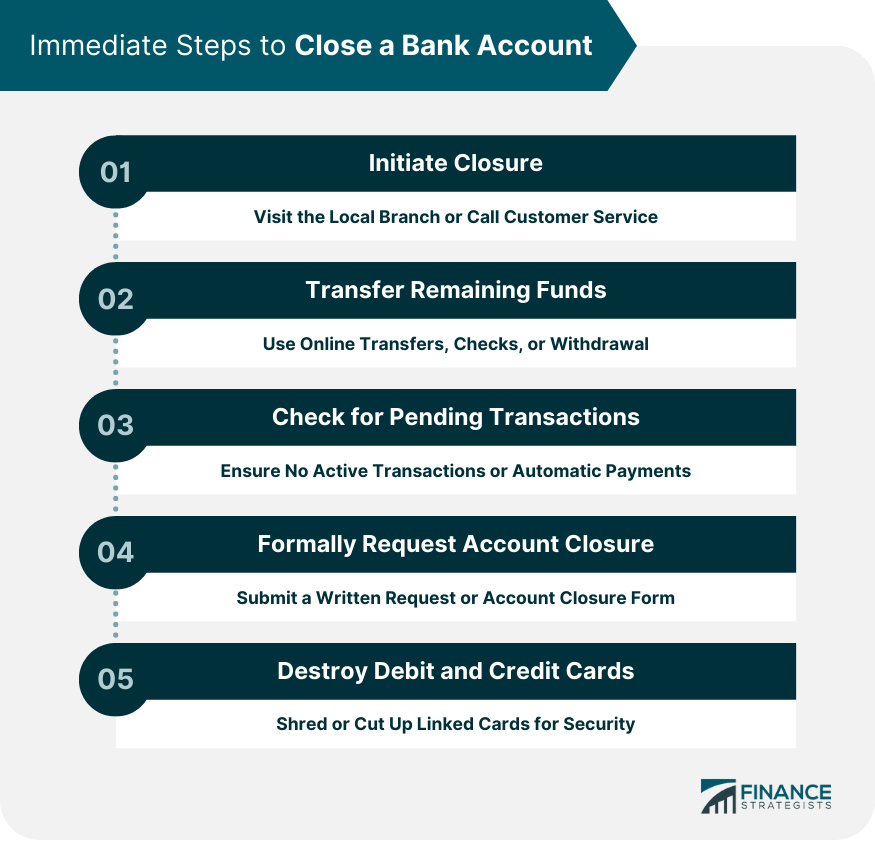
The Essential Checklist: Documentation and Verification
The first step in closing any financial account is proving your identity and authority over the funds. Banks are legally obligated to prevent unauthorized closures and ensure that the person requesting the liquidation is the rightful owner. Depending on whether you close the account in person, over the phone, or through a digital portal, your requirements may vary slightly.
Personal Identification and Account Details
If you are visiting a physical branch, you must carry a valid, government-issued photo ID. A driver’s license, passport, or military ID is standard. If you are handling the process remotely, the bank will likely use multi-factor authentication or ask security questions related to your credit history.
Beyond identification, have your account numbers ready. While the bank can look these up with your Social Security Number (SSN), having the specific account strings for your checking, savings, or money market accounts ensures there is no confusion—especially if you intend to keep one account open while closing another.
Physical Assets: Cards and Checks
When you close an account, the physical tools associated with it become obsolete. Banks generally require you to destroy or return:
-
Debit Cards: Once the account is closed, the card is a security risk. Most banks advise you to shred the chip and magnetic stripe.
-
Unused Checks: These contain your routing and account numbers. To prevent fraud, these should be professionally shredded or marked as “VOID” and destroyed.
-
Passbooks: For older savings accounts that utilize physical passbooks, the bank may require you to present the book to finalize the closing entry.
The Joint Account Hurdle
If the account is held jointly, you must determine the bank’s “survivorship” or “authorization” rules. In many cases, either party can withdraw the funds, but the bank may require both signatures to officially close the account and remove it from their system. If the relationship with the co-owner is strained, this becomes a critical legal and financial hurdle that requires early intervention.
Financial Housekeeping: Managing Your Cash Flow Transition
The most common mistake in closing a bank account is timing the exit poorly. You cannot simply withdraw your balance to zero and walk away. Modern personal finance is built on a web of automated clearing house (ACH) transfers, and any “stray” transaction that hits a closed account can trigger significant headaches.
Auditing Your Automated Transactions
Before initiating the closure, perform a three-month audit of your bank statements. You are looking for two specific types of transactions:
-
Direct Deposits: Ensure your employer, Social Security administration, or investment brokerage has updated your details to your new account. It often takes one to two pay cycles for these changes to take effect.
-
Automatic Bill Pays: Subscription services, utility companies, insurance providers, and mortgage lenders often pull funds automatically. If a provider attempts to pull funds from a closed account, you may face late fees from the provider and “non-sufficient funds” (NSF) notices from the bank, even if the account is technically in the process of closing.
Establishing a “Buffer” Period
Financial experts generally recommend keeping both the old and new accounts open simultaneously for at least 30 to 60 days. During this transition period, keep a “buffer” amount—enough to cover any forgotten automated payments or outstanding checks—in the old account. Only once you have seen a full month pass with zero activity on the old account should you proceed to the final liquidation.
Handling Outstanding Checks
In an era of digital payments, it is easy to forget about paper checks. If you have written a check to a small business or an individual that has not yet been cashed, closing the account will cause that check to bounce. This can lead to civil penalties or, at the very least, a strained professional relationship. Ensure every check you have written has cleared the system before you pull the plug.
Navigating the Closing Process and Avoiding Fees
Banks are businesses, and they often have specific protocols designed to retain customers or recover costs associated with closing an account. Knowing these rules beforehand can save you money and time.
Understanding Early Account Closure Fees
Many institutions, particularly traditional retail banks, charge an “early closure fee” if an account is shut down within a specific timeframe after opening—usually 90 to 180 days. These fees can range from $25 to $50. If you recently opened the account and realized it wasn’t the right fit, check the fine print to see if waiting a few more weeks could save you the penalty.
The Method of Closure
You generally have three avenues to close an account:
-
In-Person: This is the most definitive method. You receive immediate paperwork and can walk out with a cashier’s check for the remaining balance.
-
Phone or Secure Message: Most online-first banks allow closure via their customer service lines or authenticated messaging systems.
-
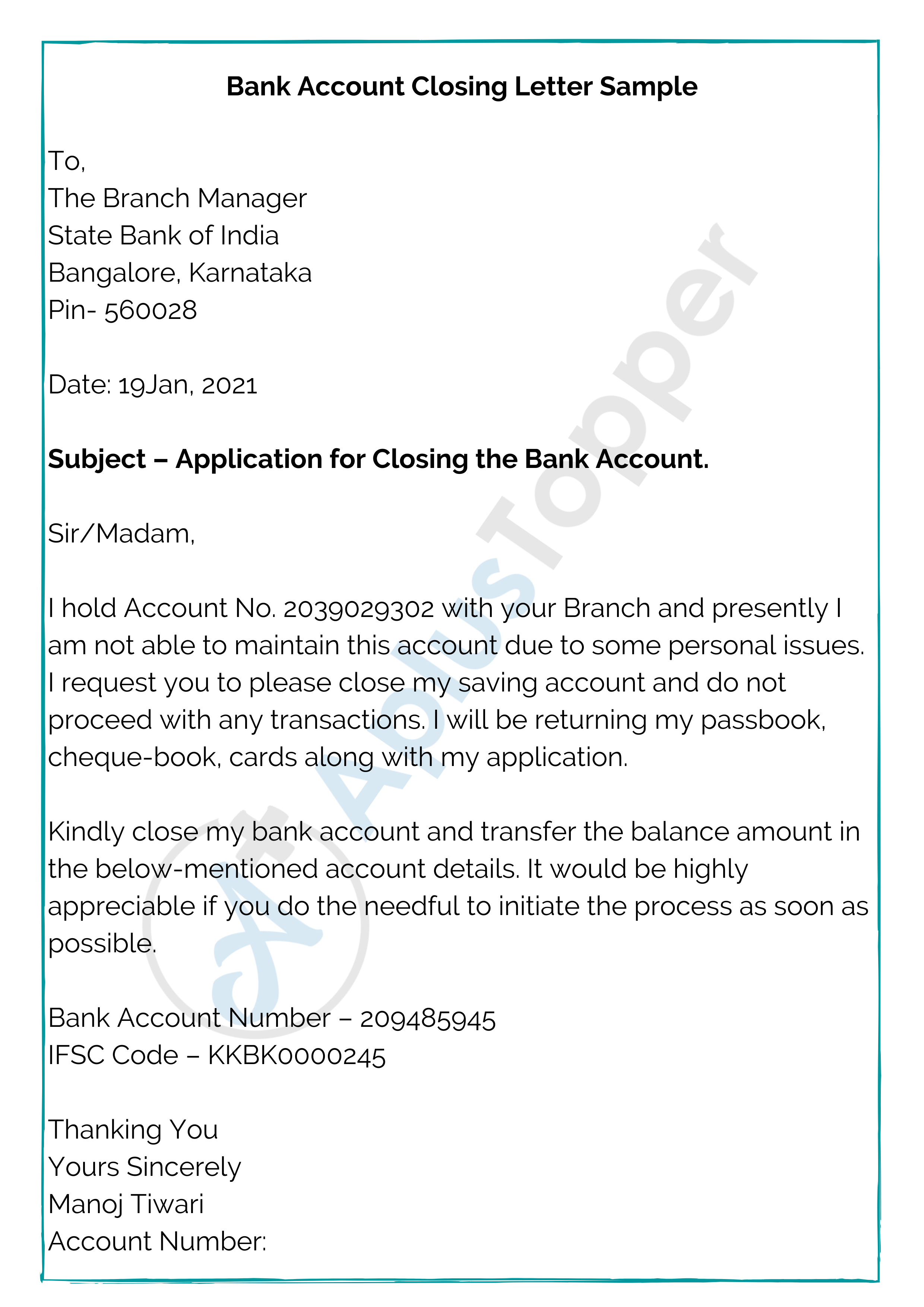
Written Request: Some institutions require a formal, notarized letter mailed to their corporate headquarters. This is more common with credit unions or specialized investment accounts.
Regardless of the method, you should never simply “drain the account to zero.” Many banks have automated systems that charge a monthly maintenance fee if the balance drops below a certain threshold. If you leave the account at $0 without officially closing it, the bank might charge a $15 fee, putting the account into a negative balance. This can lead to a report to ChexSystems, which may make it difficult for you to open bank accounts in the future.
Requesting the Final Balance Transfer
When you close the account, you must decide how to receive your remaining funds. You can typically request:
-
Wire Transfer: The fastest but most expensive option (usually costing $20–$40).
-
ACH Transfer: Sending the money to your new linked account (free, but takes 1–3 business days).
-
Cashier’s Check: A physical check mailed to your address or handed to you in the branch. This provides a clear paper trail for your records.
Post-Closure Protection: Finalizing the Paperwork
The process is not truly over until you have written confirmation that the account is settled and inactive. This is the most overlooked step in the “Money” niche of personal finance management, yet it is vital for long-term security.
The Written Confirmation
Always demand a “Certificate of Closure” or a formal letter stating that the account is closed and has a zero balance. This document is your shield if the bank later claims you owe fees or if a “zombie” transaction reopens the account without your knowledge. Keep this document in your permanent financial records for at least seven years.
Monitoring Your Credit and ChexSystems
While closing a bank account does not directly impact your FICO credit score (unlike closing a credit card), it does impact your standing with ChexSystems. ChexSystems is a consumer reporting agency that tracks “mishandled” checking accounts. If a bank closes your account due to unpaid fees or overdrafts, it will appear on this report, potentially barring you from opening accounts at other institutions for five years. Verify that your account was closed in “good standing.”

Tax Implications and Record Keeping
Closing an account does not absolve you of your tax obligations. If your account earned more than $10 in interest during the calendar year, the bank is still required to issue a Form 1099-INT. Ensure the bank has your updated mailing address so you receive your tax documents the following January. Furthermore, download your last two years of electronic statements before losing access to the online banking portal. Once the account is closed, your digital access is usually revoked immediately, and requesting paper copies of old statements later can be an expensive and slow process.
By approaching the closure of a bank account with the same diligence you would use for a major investment, you ensure that your transition to a new financial partner is seamless. It is not just about moving money; it is about maintaining the integrity of your financial identity and ensuring that every dollar is accounted for as you move toward your next financial goal.
aViewFromTheCave is a participant in the Amazon Services LLC Associates Program, an affiliate advertising program designed to provide a means for sites to earn advertising fees by advertising and linking to Amazon.com. Amazon, the Amazon logo, AmazonSupply, and the AmazonSupply logo are trademarks of Amazon.com, Inc. or its affiliates. As an Amazon Associate we earn affiliate commissions from qualifying purchases.