
Navigating a period of financial instability requires more than just resilience; it demands a strategic approach to resource management. When liquid assets are unavailable, the focus must shift from traditional purchasing power to leveraging community infrastructure, digital tools, and human capital. Food insecurity is a complex financial challenge, but by applying the principles of personal finance and resource optimization, individuals can secure nutritious sustenance even with a zero-dollar balance.
This guide explores the systemic ways to access food through institutional safety nets, technological innovations in food waste mitigation, and strategic labor exchanges, providing a comprehensive roadmap for those in immediate financial need.
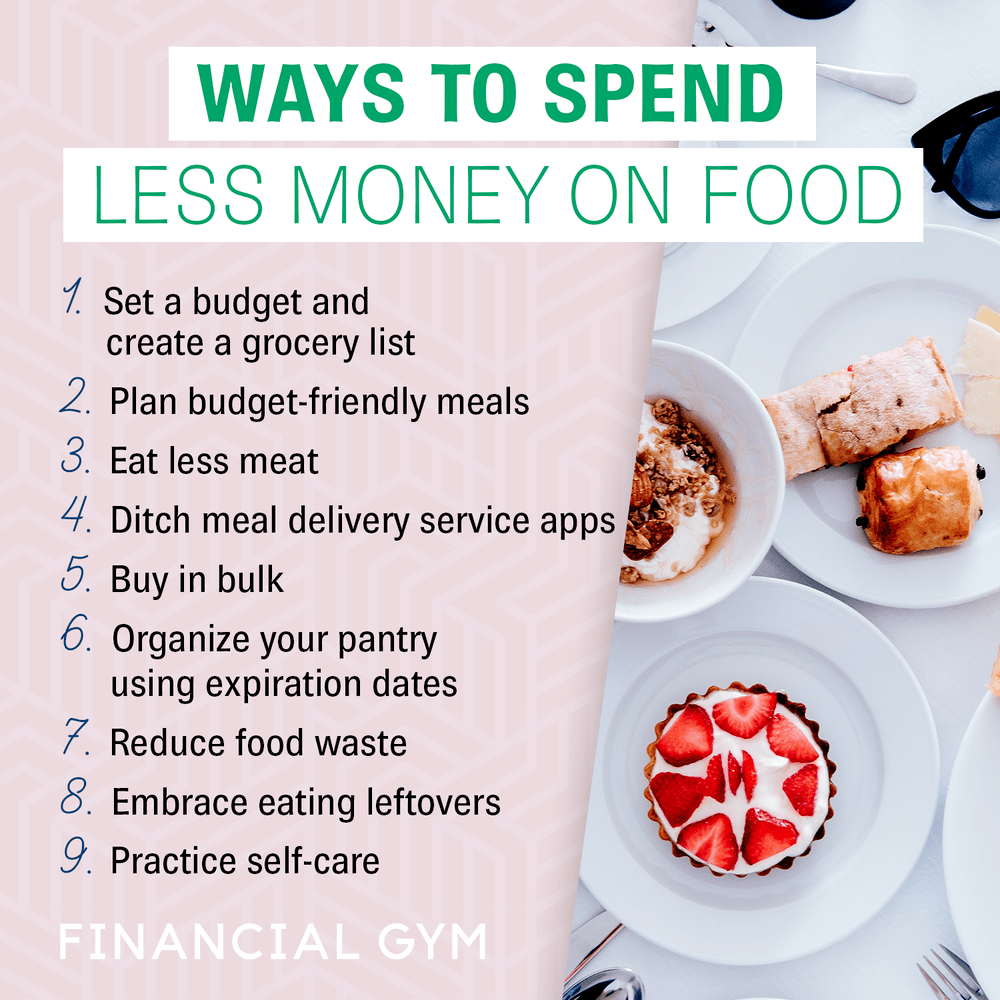
Navigating the Financial Safety Net: Institutional and Community Resources
When personal capital is depleted, the first line of defense is the established social safety net. These resources are designed to act as a macroeconomic buffer, ensuring that temporary financial downturns do not lead to permanent health or nutritional deficits. Understanding how to navigate these systems is a vital skill in financial crisis management.
Federal and State Assistance Programs
In the United States and many other developed economies, government-funded programs represent the most stable form of food security for those with low or no income. The Supplemental Nutrition Assistance Program (SNAP), often referred to as food stamps, functions as a direct transfer of purchasing power. Applying for SNAP should be the primary objective for anyone facing long-term financial hardship. It effectively increases your monthly budget specifically for groceries, allowing you to allocate what little cash you may have toward other fixed costs like housing or utilities.
Similarly, the Special Supplemental Nutrition Program for Women, Infants, and Children (WIC) provides targeted nutritional support. From a financial perspective, these programs are non-taxable benefits that drastically reduce the “burn rate” of a household’s remaining cash reserves.
Food Banks and Pantries as Resource Hubs
While federal programs often have a bureaucratic waiting period, food banks and pantries offer immediate liquidity in the form of tangible goods. Food banks act as wholesalers, distributing large quantities of food to smaller, localized pantries.
To maximize the utility of these resources, it is essential to understand their operational cycles. Many pantries operate on specific days of the week or month. By mapping out a “pantry circuit” within your local geography, you can ensure a steady influx of dry goods, produce, and protein. From a logistics standpoint, this requires minimal “investment” in the form of transportation, but the return on investment (ROI) in terms of caloric value is substantial.
Religious and Community Organizations
Beyond government and large non-profits, many religious institutions (churches, mosques, synagogues, and temples) operate “benevolence funds” or community kitchens. These organizations often provide “no-questions-asked” hot meals. This is an essential resource for those who may lack the kitchen infrastructure—such as a stove or refrigerator—to process raw ingredients from a food pantry. Utilizing these services preserves your personal energy and utility costs, which are secondary financial burdens of food preparation.
Leveraging Digital Platforms and the Sharing Economy
The rise of the “sharing economy” and digital fintech tools has created new avenues for accessing food at zero cost. Technology has made it possible to bridge the gap between surplus supply and urgent demand, often through mobile applications designed to reduce waste.
Food Waste Mitigation Apps
Apps like Too Good To Go and Olio have revolutionized how we think about surplus inventory. While Too Good To Go often requires a small payment for a “mystery bag” of surplus food from restaurants, it offers a massive discount (often 70-80% off retail prices). For those with absolutely zero funds, Olio is a superior alternative. It is a peer-to-peer sharing app where neighbors and local businesses post food items that are nearing their expiration date or are no longer needed.
From a personal finance perspective, these apps represent a high-efficiency procurement strategy. By monitoring these platforms in real-time, you can intercept high-quality food that would otherwise be discarded, effectively “earning” the value of that food through digital vigilance.
Digital Reward Systems and Loyalty Arbitrage
Most major fast-food chains and grocery stores offer mobile apps with robust loyalty programs. Upon downloading these apps and creating a new account, users are frequently rewarded with a “sign-up bonus” in the form of a free meal or a significant discount.
Strategic use of these introductory offers can provide a temporary bridge during a cash-flow gap. Furthermore, many of these apps offer “points” for every interaction or small purchase. If you have a few cents left on a gift card or a digital wallet, you can often “stack” rewards to obtain food for free. This is a form of digital arbitrage—converting digital data and loyalty into physical assets.

Community Fridges and “Little Free Pantries”
A decentralized movement of “community fridges” has gained momentum in urban centers. These are publicly accessible refrigerators where individuals and businesses leave food for anyone to take. Unlike formal food banks, these require no paperwork or proof of income. They represent a pure “gift economy,” which is a vital component of a zero-budget survival strategy. Locating these via social media groups or community maps can provide 24/7 access to fresh produce and prepared meals.
Human Capital Exchanges: Trading Labor for Sustenance
When financial capital is absent, human capital—your time, skills, and labor—becomes your primary currency. Trading labor for food is one of the oldest forms of economic exchange and remains highly effective in modern contexts.
The Hospitality “Shift Meal” Economy
The restaurant industry is unique in its inherent relationship with food inventory. Almost all culinary establishments provide a “shift meal” to their employees. If you are in a position to take on part-time or gig work, seeking employment in a commercial kitchen is a strategic financial move.
Even if the hourly wage is low, the addition of one or two high-quality meals per day significantly inflates the “total compensation” of the job. For those who cannot commit to long-term employment, offering to help with closing tasks (like washing dishes or taking out trash) in exchange for surplus food at the end of the night is a common, though informal, economic arrangement in many local diners and bakeries.
Volunteering as a Strategic Entry Point
Many food-based non-profits, such as “Meals on Wheels” or local soup kitchens, rely heavily on volunteer labor. While the primary goal of these organizations is to serve the community, there is often a reciprocal culture where volunteers share in the meals being prepared.
By investing your time into the infrastructure that supports others, you gain proximity to the supply chain. This is not just about getting a free meal; it’s about networking within the social services sector. Volunteers often receive “insider knowledge” about when shipments of fresh produce arrive or which local businesses are donating surplus items, allowing for better strategic planning of your own food procurement.
Urban Foraging and Gleaning
Gleaning is the practice of gathering leftover crops from farmers’ fields after they have been commercially harvested. In urban environments, this translates to “foraging” for fruit trees in public spaces or participating in community garden harvests. Many community gardens allow people to take a portion of the harvest in exchange for a few hours of weeding or watering. This is a high-value labor exchange that provides access to nutrient-dense organic produce that would otherwise be expensive to purchase.
Developing Financial Resilience to Minimize Future Scarcity
Securing food today is an immediate necessity, but the ultimate goal is to transition from a state of crisis to a state of financial stability. This requires a shift in mindset from “survival” to “sustainability,” utilizing personal finance tools to ensure that a zero-balance situation does not recur.
The “Food First” Budgeting Priority
In the hierarchy of financial obligations, food and shelter must always be the priority. When income begins to flow again—whether through a new job, a side hustle, or government benefits—the first step is to implement a “Food First” budget. This means allocating the necessary funds for a monthly grocery baseline before addressing unsecured debts or discretionary spending.
Using budgeting apps like YNAB (You Need A Budget) or Mint can help track where every dollar goes, ensuring that the “food fund” is never compromised. Treat your grocery budget as a non-negotiable business expense.
Building an Emergency Sinking Fund
The most effective way to prevent food insecurity is to have a dedicated emergency fund. In personal finance, a “sinking fund” is a pot of money set aside for a specific purpose. Aim to build a “Food Security Fund” that covers at least one month of basic groceries. This fund acts as your personal insurance policy against job loss or unexpected expenses. Even saving $5 or $10 a week when possible will eventually create a buffer that eliminates the stress of wondering where your next meal will come from.
Strategic Bulk Procurement and Inventory Management
Once you have regained some financial liquidity, transition to a “stockpile” strategy. Buying in bulk—items like rice, beans, oats, and pasta—drastically reduces the price per unit. These shelf-stable items provide a “base layer” of food security.
View your pantry as a physical savings account. When you buy a 20-pound bag of rice at a low price per pound, you are essentially “locking in” a low cost for future meals, protecting yourself against food price inflation and future cash flow interruptions.

Conclusion: The Economics of Resilience
Getting food with no money is an exercise in resourcefulness and the strategic application of alternative currencies. By understanding the formal systems of the social safety net, leveraging the digital tools of the sharing economy, and utilizing labor as a tradeable asset, you can navigate financial hardship with dignity and nutrition. The goal is to use these immediate strategies as a bridge toward long-term financial health, where proactive budgeting and emergency planning ensure that your table is always set, regardless of the fluctuations in the broader economy.
aViewFromTheCave is a participant in the Amazon Services LLC Associates Program, an affiliate advertising program designed to provide a means for sites to earn advertising fees by advertising and linking to Amazon.com. Amazon, the Amazon logo, AmazonSupply, and the AmazonSupply logo are trademarks of Amazon.com, Inc. or its affiliates. As an Amazon Associate we earn affiliate commissions from qualifying purchases.