
The modern financial landscape is vast and increasingly digital, making it surprisingly easy for bank accounts to slip through the cracks of our busy lives. Whether you are trying to track down a dormant account from your youth, searching for assets left behind by a deceased relative, or simply looking for the best new institution to house your capital, the process requires a strategic approach. Finding a bank account is not merely about a Google search; it involves navigating state databases, understanding federal regulations, and analyzing market offerings to ensure your money is working as hard as possible for you.
Rediscovering Lost and Dormant Accounts
Billions of dollars currently sit in unclaimed property offices across the country. A significant portion of these funds originates from “dormant” bank accounts—accounts that have had no owner-initiated activity for a period of several years. When a bank cannot reach the account holder, they are legally required to turn those funds over to the state treasury through a process known as escheatment.
The Phenomenon of Unclaimed Property
Escheatment laws vary by state, but the core principle remains the same: the state acts as a custodian of your funds until you or your heirs claim them. Accounts become dormant for various reasons, such as a move where the forwarding address expired, the death of an account holder, or simply forgetting about a small savings balance. Because banks are required to report these funds, a paper trail always exists. The first step in finding a lost account is realizing that the money hasn’t disappeared; it has simply changed hands from a private institution to a government entity.
Utilizing National and State Databases
To begin your search, you do not need to hire a private investigator. The most effective tool is the National Association of Unclaimed Property Administrators (NAUPA). Their website, often linked through portals like MissingMoney.com, allows users to search across multiple state databases simultaneously. You should search using your full legal name, any previous names (such as a maiden name), and the names of any relatives for whom you might be an heir.
If a search of national aggregators yields nothing, visit the individual “Unclaimed Property” website for every state in which you have lived. These databases are free to use and are updated regularly. When you find a match, you will typically need to provide proof of identity, such as a Social Security number and a current utility bill, to prove you lived at the address associated with the account.
Searching for Accounts Belonging to Deceased Relatives
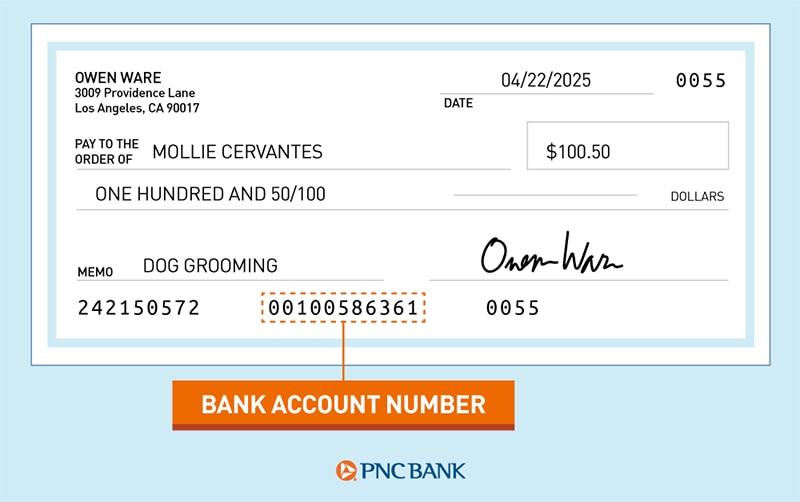
Finding a bank account for a deceased family member is a common challenge for executors and heirs. If the individual did not leave a clear financial ledger, you must look for clues. Start by checking for physical evidence: bank statements, tax returns (specifically 1099-INT forms which report interest earned), and checkbooks.
If physical documents are unavailable, you can check with the Internal Revenue Service (IRS). By requesting a transcript of the deceased’s tax returns, you can see which financial institutions reported interest income. Additionally, the FDIC’s “BankFind” tool can help you locate where a bank might have ended up if it was merged or acquired by another institution over the decades.
Strategic Research for Opening New Accounts
Finding a bank account isn’t always about looking backward; it is often about looking forward. In an era of high inflation and shifting interest rates, “finding” the right bank account involves a rigorous comparison of features, yields, and security protocols. The institution that served you well five years ago may no longer be the most competitive option for your current financial goals.
Defining Your Banking Needs
Before you start searching for a new account, you must define the account’s primary purpose. Are you looking for a transactional hub for daily expenses, or a high-yield vehicle for your emergency fund?
-
Checking Accounts: Focus on low fees, ATM accessibility, and seamless integration with payment apps.
-
Savings Accounts: The priority is the Annual Percentage Yield (APY) and the ease of liquidity.
-
Certificates of Deposit (CDs): These are best for fixed-term goals where you can afford to lock away capital in exchange for a guaranteed rate.
Comparing Traditional vs. Neobanks
The search for a bank account today inevitably leads to a choice between traditional brick-and-mortar institutions and digital-only “neobanks.”
-
Traditional Banks: These offer the advantage of physical branches and a wide array of in-person services like notary publics and safe deposit boxes. However, they often have higher overhead costs, which translate to lower interest rates on savings.
-
Neobanks and Online High-Yield Accounts: Without the cost of physical locations, online banks can offer significantly higher APYs—often ten to twenty times the national average of traditional banks. When finding a bank in this category, ensure they are FDIC-insured. This ensures that even if the digital startup fails, your deposits are protected up to $250,000.
Understanding Fee Structures and Interest Rates
A common pitfall when finding a new account is ignoring the “fine print” regarding fees. A high-interest rate can be quickly negated by monthly maintenance fees, overdraft charges, or out-of-network ATM fees. Look for accounts that offer “fee-free” structures or easy ways to waive monthly costs, such as maintaining a minimum balance or setting up a recurring direct deposit.
Practical Methods for Tracing Financial History
If you are trying to find an account you know exists but cannot remember where, you need to employ more forensic financial methods. This is particularly relevant in the age of digital banking where we might have opened an account on a whim or for a specific sign-up bonus.
Reviewing Tax Returns and 1099 Forms
Your tax history is the most reliable map of your financial life. Every year, financial institutions are required to send a Form 1099-INT to any account holder who earned more than $10 in interest. By reviewing your tax filings from the last five to ten years, you can identify every bank that held an interest-bearing account in your name. Even if the account is currently empty or dormant, the institution name on the 1099 is the key to reopening the door to those funds.
Analyzing Past Employment and Retirement Records
Sometimes, a bank account is tied to a previous employer. For example, you might have had a Health Savings Account (HSA) or a specific payroll card that you forgot to close when you changed jobs. Contact the HR departments of your former employers to ask which financial institutions they partnered with for employee benefits. Often, these accounts remain open even after you leave, continuing to hold your contributions or employer matches.
Using Bank Statement Aggregators
If you are currently managing multiple accounts and feel overwhelmed, using a financial aggregator can help you “find” and organize your disparate accounts in one place. Tools that utilize secure APIs to link various institutions allow you to see your entire net worth on one dashboard. This prevents future instances of “losing” an account because every linked balance is updated in real-time.
Safeguarding Your Future Financial Visibility
Once you have successfully found your lost accounts or established the perfect new banking relationship, the goal shifts to organization. Financial fragmentation is the primary reason people lose track of their money. By implementing a few structural habits, you can ensure that your assets—and those of your heirs—remain visible and accessible.
Centralizing Financial Documentation
Maintain a secure, encrypted digital folder or a physical “legacy drawer” that contains a list of every financial institution you do business with. This list should include account types and, if possible, account numbers. You do not need to store passwords in this file (for security reasons), but simply knowing that “Bank A” holds a savings account and “Bank B” holds a CD is enough to guide a search in the future.
The Importance of Designating Beneficiaries
One of the most effective ways to ensure a bank account is “found” after your passing is to keep your beneficiary designations up to date. Most bank accounts allow for a Transfer on Death (TOD) or Payable on Death (POD) designation. This allows the funds to bypass the lengthy and expensive probate process, moving directly to your chosen recipient upon your death. It also ensures the bank has a record of who to contact, preventing the account from ever entering the state’s unclaimed property system.
Conducting Annual Financial Audits
Set a recurring date once a year to perform a personal financial audit. Use this time to log into every account you own. This simple act of logging in is often enough to reset the “dormancy” clock, preventing the bank from initiating the escheatment process. During this audit, check for updated terms of service, ensure your contact information is current, and evaluate if the account’s interest rate is still competitive relative to the market.
Finding a bank account is a process of diligence. Whether it is the excitement of discovering unclaimed funds from years ago or the strategic satisfaction of moving your money into a high-performance modern account, taking control of your financial geography is an essential component of wealth management. By utilizing government databases, tax records, and modern comparison tools, you can ensure that no dollar is left behind and that every cent you own is positioned for maximum growth and security.
aViewFromTheCave is a participant in the Amazon Services LLC Associates Program, an affiliate advertising program designed to provide a means for sites to earn advertising fees by advertising and linking to Amazon.com. Amazon, the Amazon logo, AmazonSupply, and the AmazonSupply logo are trademarks of Amazon.com, Inc. or its affiliates. As an Amazon Associate we earn affiliate commissions from qualifying purchases.