
The transition toward a cashless society has been a central theme in personal finance for over a decade. As digital transactions become the standard, online-only institutions like Discover Bank have risen to prominence, offering competitive interest rates, lower fees, and streamlined user interfaces that traditional brick-and-mortar banks struggle to match. However, for many consumers, a significant hurdle remains: the management of physical currency. Whether it is tips from a side hustle, proceeds from a garage sale, or a cash gift from a relative, the need to move physical bills into a digital account is a reality that digital-first customers must navigate.
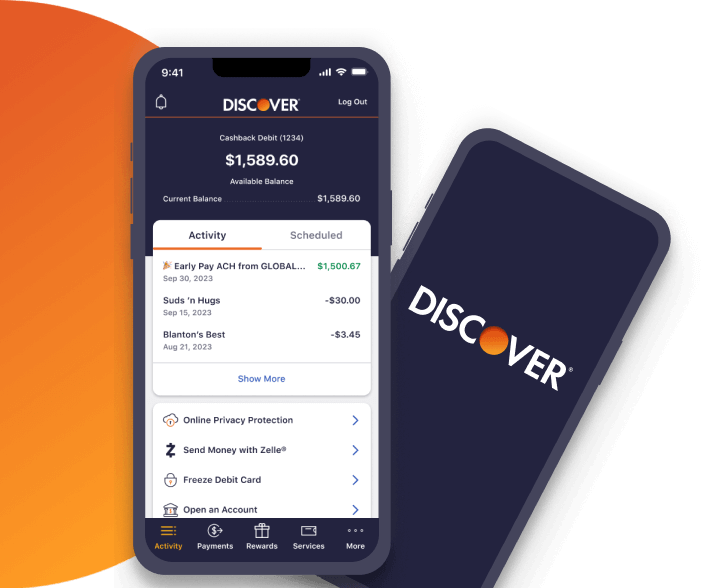
Discover Bank has positioned itself as a leader in the fintech space by bridging the gap between digital convenience and physical necessity. While Discover does not operate a vast network of physical branches like a traditional commercial bank, it has developed several strategic pathways to ensure that its customers are not locked out of the cash economy. Understanding these methods is essential for any savvy depositor looking to maximize their financial flexibility while enjoying the high-yield benefits of an online account.
The Primary Method: Leveraging the Discover Retail Deposit Network
The most direct way to deposit cash into a Discover Bank account is through their partnership with major retail networks. Unlike the early days of online banking, where users were often forced to purchase money orders or mail in checks, Discover has modernized the process by integrating with the infrastructure of massive retail chains, most notably Walmart.
The Walmart Cash Deposit Integration
Through a strategic partnership, Discover Bank customers can deposit cash at any Walmart location across the United States. This service is typically handled at the MoneyCenter or the Customer Service desk. The process is designed to be frictionless and near-instantaneous. To initiate a deposit, the customer must have the Discover Mobile app installed on their smartphone.
Inside the app, users navigate to the “Deposit” section and select “Cash.” The app then generates a unique barcode or provides instructions for the retail associate. Once the associate scans the code and accepts the cash, the funds are electronically transmitted to the Discover account. This method is particularly advantageous because it bypasses the standard 1-3 business day waiting period associated with ACH transfers. For those who need immediate access to their liquidity for bill payments or online purchases, this retail integration is the gold standard.
Understanding Limits and Fees
While the convenience of retail deposits is high, it is vital for users to understand the operational constraints. Discover generally allows cash deposits at Walmart without charging a service fee, which is a significant advantage over many prepaid debit cards that charge “load fees” ranging from $3.00 to $5.95 per transaction. However, there are typically limits on the amount of cash that can be deposited in a single transaction or within a 24-hour window. Usually, these limits hover around $1,000 to $2,500 per day, depending on the specific terms of the account and the retailer’s internal policies. For users handling larger sums, such as the sale of a vehicle, this method may require multiple trips or an alternative strategy.
Security Protocols at the Point of Sale
Depositing cash at a retail location involves a human element, which necessitates strict adherence to security best practices. Users should always ensure they receive a printed receipt from the retail associate before leaving the counter. This receipt serves as the primary evidence of the transaction should there be a discrepancy in the digital reflection of the balance. Furthermore, because the transaction is initiated through a secure, time-sensitive barcode within the Discover app, the risk of “skimming” or unauthorized access is significantly lower than using an external ATM.
Alternative Workarounds for Cash Management
For users who do not live near a Walmart or who find the retail deposit process inconvenient, there are several “workaround” strategies that are common in the world of personal finance. These methods involve using other financial tools as intermediaries to bridge the gap between physical cash and a Discover Bank balance.
The “Hub and Spoke” Method: Using a Secondary Local Bank
The most robust strategy for managing physical cash while using an online bank is the “Hub and Spoke” model. In this setup, the consumer maintains a basic, no-fee checking account at a local credit union or a traditional brick-and-mortar bank (the “Spoke”). This account serves as the entry point for all physical cash transactions.
When the customer receives cash, they deposit it into the local branch or a local ATM. Once the funds have cleared—usually within one business day—the customer uses the Discover Bank “Link External Account” feature to initiate an ACH transfer from the local bank to the Discover account (the “Hub”). This method allows for the deposit of much larger sums of cash than retail networks allow and provides the added benefit of having a local banker for services like notarization or safe deposit boxes.
Utilizing Money Orders and Mobile Deposit
For those who prefer not to maintain a second bank account, the money order remains a reliable tool. A customer can take their physical cash to a United States Post Office, a grocery store, or a pharmacy and purchase a money order made out to themselves. Once the money order is in hand, the customer can use the Discover Mobile app’s “Mobile Check Deposit” feature to scan the money order as if it were a standard check.

While this method involves a small fee (the cost of the money order, typically between $1.00 and $2.00), it allows for deposits from virtually any location in the country. It is important to note that Discover may have specific daily limits for mobile deposits, and money orders may occasionally be subject to longer holding periods for verification compared to standard payroll checks.
Peer-to-Peer (P2P) Payment Apps as Intermediaries
Platforms like Venmo, Cash App, and PayPal can also serve as conduits for cash. Many of these apps now offer the ability to “load” cash at retailers like 7-Eleven or Walgreens. Once the cash is loaded onto the P2P balance, the user can then transfer those funds to their linked Discover Bank account. While this adds an extra step and potentially extra fees from the P2P provider, it expands the geographic footprint of where a Discover customer can turn their paper money into digital assets.
The Strategy of Liquidity: Why Cash Deposits Matter in Wealth Building
From a financial planning perspective, the ability to deposit cash is not just a matter of convenience; it is a component of a larger liquidity strategy. Discover Bank is often used for high-yield savings accounts (HYSA) or certificates of deposit (CDs), which are foundational tools for emergency funds and long-term savings goals.
Maximizing Compound Interest
Every day that cash sits in a physical wallet or a “coffee can” at home, it loses value due to inflation. By moving that cash into a Discover High-Yield Savings Account as quickly as possible, the depositor begins earning compound interest. Over a lifetime, the habit of promptly depositing “found money” or side-income cash can result in thousands of dollars in additional interest. Professional money management is often a game of margins, and reducing the time cash spends in a non-interest-bearing state is a key win.
Budgeting and Cash-Flow Tracking
Digital banking excels at categorization and expense tracking. When cash is deposited into a Discover account, it enters an ecosystem where it can be tagged, tracked, and analyzed. This is crucial for individuals who use cash for certain parts of their business or personal life but want a holistic view of their financial health. By funneling all cash through the deposit methods mentioned above, a user ensures that their Discover monthly statements provide an accurate and complete picture of their total income and savings rate.
Emergency Preparedness
While the goal is to get cash into the bank, the “Hub and Spoke” method also facilitates the reverse: getting cash out. By maintaining a relationship with a local bank for cash deposits, Discover users ensure they have a secondary way to access physical currency during regional power outages or digital network failures. A balanced financial life involves a digital-first approach for growth and a physical-access plan for resilience.
Security, Compliance, and Best Practices
In the modern financial landscape, the movement of cash is closely monitored to prevent illicit activities like money laundering. Discover Bank, like all regulated U.S. financial institutions, must comply with the Bank Secrecy Act (BSA) and other federal regulations.
Transparency and Large Deposits
If a user is depositing significant amounts of cash (generally over $10,000 in a single transaction or a series of related transactions), the bank is required to file a Currency Transaction Report (CTR). This is a standard procedure and not something to be feared by law-abiding citizens. However, users should avoid “structuring”—the practice of breaking up a large cash deposit into several smaller deposits specifically to avoid the $10,000 threshold. Structuring is an illegal activity and can lead to account closures or legal scrutiny. The best practice is to be transparent and use the “Hub and Spoke” method for large sums, as traditional banks are well-equipped to handle high-value cash transactions.
Protecting Your Digital Credentials
Since the Discover Mobile app is the gateway for both retail deposits and mobile check deposits, securing the device is paramount. Users should enable multi-factor authentication (MFA) and biometric locks (fingerprint or facial recognition). When depositing cash at a retail location, one should never share their Discover login credentials with a retail associate; the generated barcode is the only information the associate needs to complete the transaction.
Maintaining a Paper Trail
In the event of a technical glitch or a deposit error, the burden of proof often falls on the depositor. Keeping a dedicated folder (either physical or digital scans) of all cash deposit receipts and money order stubs is a hallmark of professional financial management. These records are also invaluable during tax season, particularly for those who are self-employed or managing a small business where cash income must be reported to the IRS.
The Future of Cash in the Discover Ecosystem
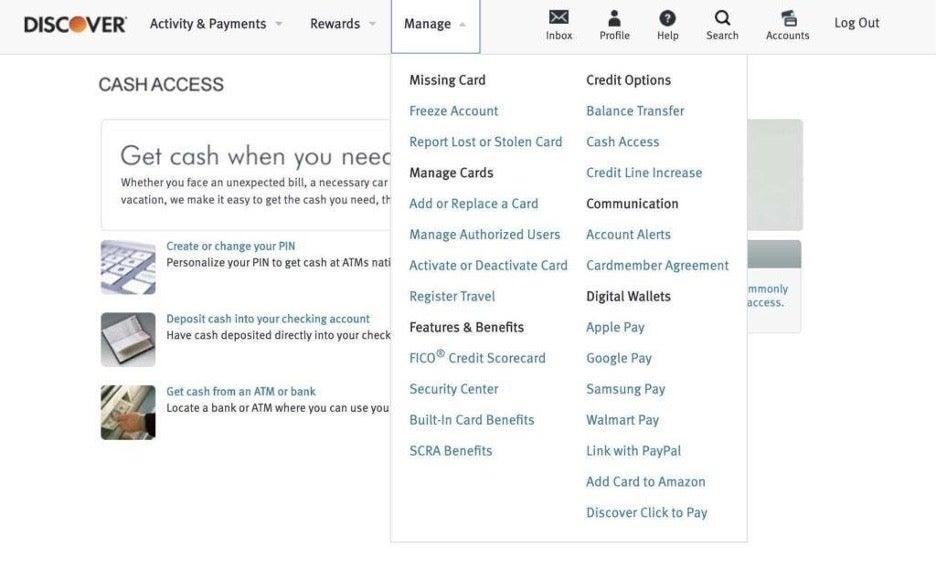
As Discover continues to innovate, the friction associated with cash deposits is likely to decrease further. The expansion of the “Allpoint” ATM network and similar partnerships suggests a future where more ATMs may accept deposits on behalf of online banks. Furthermore, the rise of “smart” retail terminals means that more local businesses may soon act as mini-branches for digital banks.
For now, the combination of Walmart retail deposits and the strategic use of a local intermediary bank remains the most effective way to manage cash within a Discover Bank account. By mastering these tools, consumers can enjoy the best of both worlds: the high-yield, low-fee advantages of modern fintech, and the reliability and tangibility of physical currency. Managing money in the 21st century requires a hybrid approach, and Discover provides the framework necessary to execute that strategy with confidence and precision.
aViewFromTheCave is a participant in the Amazon Services LLC Associates Program, an affiliate advertising program designed to provide a means for sites to earn advertising fees by advertising and linking to Amazon.com. Amazon, the Amazon logo, AmazonSupply, and the AmazonSupply logo are trademarks of Amazon.com, Inc. or its affiliates. As an Amazon Associate we earn affiliate commissions from qualifying purchases.