
Managing your personal finances requires agility. As your financial goals evolve, the banking institutions that once served your needs may no longer align with your long-term strategy. Whether you are moving to a high-yield online savings account, consolidating your assets, or relocating to an area where US Bank lacks a physical footprint, closing a checking account is a significant administrative task that requires precision.
Closing a bank account is not as simple as withdrawing your cash and walking away. If handled incorrectly, an improperly closed account can lead to unexpected fees, negative credit reporting, and the revival of “zombie” transactions that can haunt your financial health for months. This guide provides a comprehensive roadmap to closing your US Bank checking account while safeguarding your fiscal integrity.
Essential Pre-Closure Steps to Protect Your Financial Health
Before you contact US Bank to initiate a closure, you must perform a thorough audit of your current financial ecosystem. An account closure is the final step in a transition process that should ideally begin thirty to sixty days in advance.
Auditing Your Automated Transactions
In the modern digital economy, our checking accounts serve as the central nervous system for our monthly expenses. Most users have a web of Automated Clearing House (ACH) transfers and recurring debit card payments linked to their accounts.
To ensure a seamless transition, review your bank statements from the last twelve months. This helps identify annual subscriptions or quarterly tax payments that you might otherwise miss. You must proactively move these obligations to your new financial institution. Common items to redirect include:
-
Direct deposits from employers or government agencies (Social Security, tax refunds).
-
Automatic utility payments (electricity, water, internet).
-
Subscription services (streaming, gym memberships, software).
-
Insurance premiums (health, auto, life).
-
Linked investment accounts or brokerage transfers.
Failing to redirect a single automated payment can result in a “Non-Sufficient Funds” (NSF) fee if the merchant attempts to pull money from a closed or empty account.
Managing the Final Balance and Pending Activity
The most common mistake consumers make is emptying their account to zero before the bank officially processes the closure. If a stray check or a forgotten subscription hits the account after you have withdrawn the balance, the account will fall into a negative status. US Bank generally cannot close an account with a negative balance or pending transactions.
Wait until all outstanding checks have cleared and all pending “authorized” transactions have posted. Once the account is “quiet”—meaning no activity has occurred for at least one full business cycle—you are ready to move the bulk of your funds. Leave a small buffer (approximately $50) to cover any potential trailing fees until the moment of closure.
Methods for Closing Your US Bank Account
US Bank provides several channels for account closure, allowing customers to choose the method that best fits their schedule and geographic location.
Closing via Phone or Online Support
For most individuals, closing an account via phone is the most convenient option. You can reach US Bank’s 24-hour customer service line to speak with a representative. When you call, be prepared to verify your identity through a series of security questions or multi-factor authentication codes.
Clearly state that you wish to close your account and request that the remaining balance be sent to you via a physical check or transferred to another linked account. It is vital to ask the representative for a “service ticket number” or a confirmation ID for your records.
While US Bank has a robust mobile app and online banking portal, some users find that full account closure requires a direct conversation with a representative to ensure all terms and conditions are met. If you prefer a digital-first approach, use the “Secure Messaging” feature within the online banking portal to initiate the request in writing.
Visiting a Local Branch for Immediate Resolution
If you live near a US Bank branch, visiting in person is often the most secure method. This approach provides immediate closure and physical documentation of the transaction. You should bring a valid government-issued ID and any debit cards or unused checks associated with the account.
Speaking with a personal banker allows you to settle the final balance on the spot. You can choose to receive your remaining funds as a cashier’s check or in cash. Before leaving the branch, ensure you receive a signed document stating that the account is closed with a zero balance. This document is your primary defense should any disputes arise in the future regarding “unpaid” fees.
Submitting a Formal Written Request

For those who are currently abroad or prefer a paper trail, US Bank accepts account closure requests via standard mail. This method is the slowest but provides a permanent record of your intent. Your letter should include:
-
Your full name and current mailing address.
-
The specific account number you wish to close.
-
Instructions on how to handle the remaining balance.
-
Your notarized signature (this is often required for high-balance accounts to prevent fraud).
Send this correspondence via Certified Mail with a Return Receipt Requested. This ensures you have proof that the bank received your request.
Navigating Potential Fees and Account Requirements
Banking institutions often have specific stipulations buried in the fine print of their account agreements. Understanding these can save you from unnecessary financial friction.
Avoiding Early Account Closure Fees
Many banks, including US Bank, may charge an “early closure fee” if an account is shut down within a short window of being opened—typically 90 to 180 days. This fee is designed to recoup the administrative costs of onboarding a new customer. If you recently opened the account and realized it is not the right fit, check your specific account disclosure to see if waiting a few more weeks could save you $25 or more in fees.
Handling Overdrawn or Negative Balances
You cannot close a US Bank account if it has a negative balance. If your account is overdrawn, you must first bring the balance to zero. In some cases, if the negative balance was caused by a bank error or an unexpected fee, you may be able to negotiate a waiver with a branch manager before closing the account. However, if the balance remains negative, the bank may eventually charge off the account and report the debt to ChexSystems, which can make it difficult to open bank accounts at other institutions for several years.
Post-Closure Checklist and Record Keeping
Once the bank confirms that your account is closed, your work is not quite finished. Proper “financial hygiene” requires a few final steps to ensure the account stays closed and your data remains secure.
Securing Your Final Statement
Most banks disable online access shortly after an account is closed. This means you will lose access to your digital statements and tax documents (like 1099-INT forms). Before you initiate the closure, download the last two years of statements and any relevant tax documents.
After the account is closed, US Bank will typically mail a final statement. This statement should show a balance of $0.00 and a status of “Closed.” Retain this document in your permanent financial records for at least seven years, as it is essential for resolving any future credit disputes or tax audits.
Safe Disposal of Physical Banking Tools
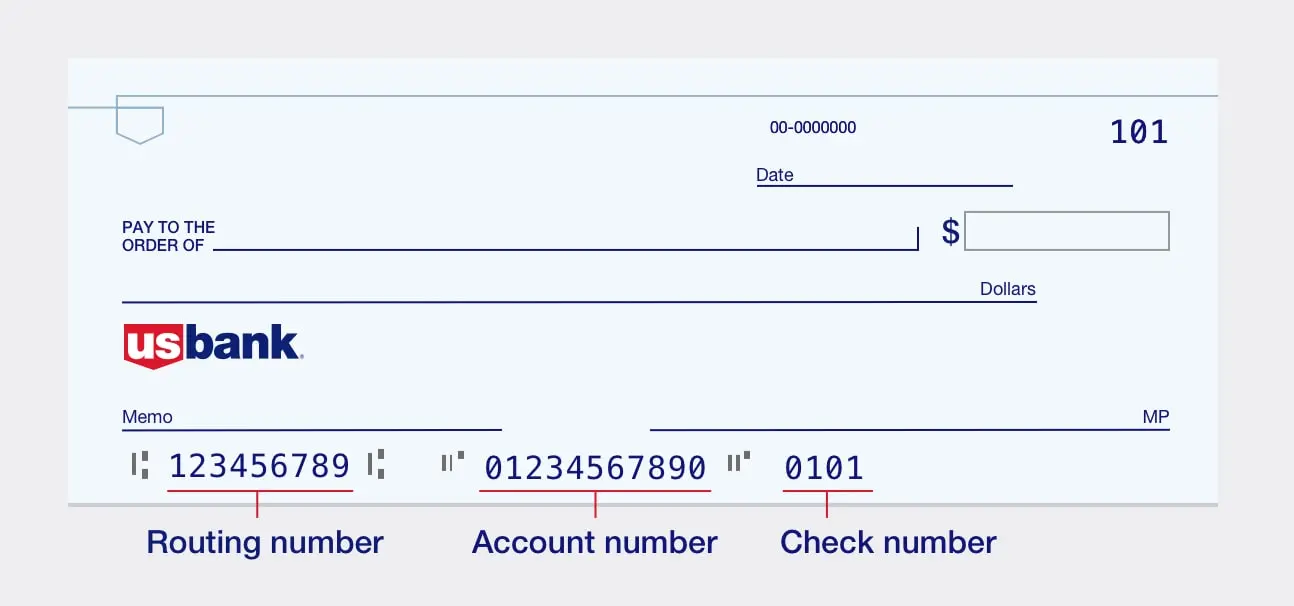
A closed account still has associated physical tools that carry sensitive information. Old checkbooks contain your account number and routing number, while debit cards contain your card number and security code.
Do not simply toss these items in the trash. Use a cross-cut shredder for checkbooks and a dedicated card shredder (or heavy-duty scissors) for debit cards, ensuring you cut through the EMV chip and the magnetic stripe. This prevents “dumpster divers” from obtaining the information necessary to attempt fraudulent transactions or identity theft.
Strategic Financial Planning After Closing Your Account
Closing an account is often a symptom of a larger shift in your financial strategy. Once the US Bank account is successfully shuttered, take the opportunity to evaluate your new banking structure.

Evaluating Your New Banking Relationship
As you move your capital to a new institution, monitor the transition closely for the first 90 days. Ensure that your new bank offers the tools you need—such as robust mobile check deposits, competitive interest rates, or low-fee structures.
If you closed your US Bank account to simplify your life, ensure you aren’t over-complicating it elsewhere. The goal of modern personal finance is to create a frictionless system where your money works for you with minimal manual intervention. By following a structured closure process, you protect your credit score, avoid the headache of hidden fees, and clear the path for your next financial milestone.
Closing a US Bank checking account is a straightforward process when approached with a plan. By auditing your automated life, choosing the right closure method, and maintaining rigorous records, you ensure that this transition is a positive step toward your broader financial objectives.
aViewFromTheCave is a participant in the Amazon Services LLC Associates Program, an affiliate advertising program designed to provide a means for sites to earn advertising fees by advertising and linking to Amazon.com. Amazon, the Amazon logo, AmazonSupply, and the AmazonSupply logo are trademarks of Amazon.com, Inc. or its affiliates. As an Amazon Associate we earn affiliate commissions from qualifying purchases.