
In today’s rapidly evolving digital world, the way we consume entertainment has undergone a dramatic transformation. Gone are the days when television viewing was limited to scheduled broadcasts and a handful of cable channels. We’ve entered the era of Connected TV (CTV), a term that has become increasingly prevalent and is reshaping how brands reach audiences and how consumers interact with content. But what exactly is a CTV, and why is it so important? This article delves into the multifaceted world of Connected TV, exploring its definition, the technologies that power it, its impact on the advertising landscape, and its implications for consumers and businesses alike, all within the context of technology, branding, and money.
Deconstructing Connected TV: More Than Just a Smart TV
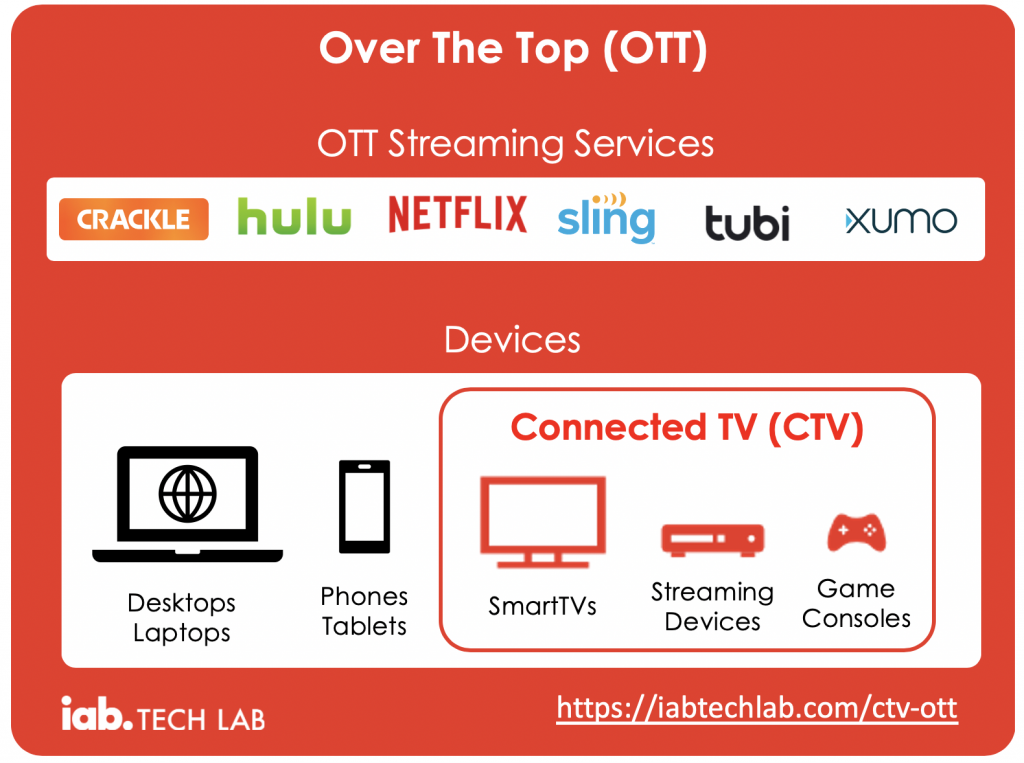
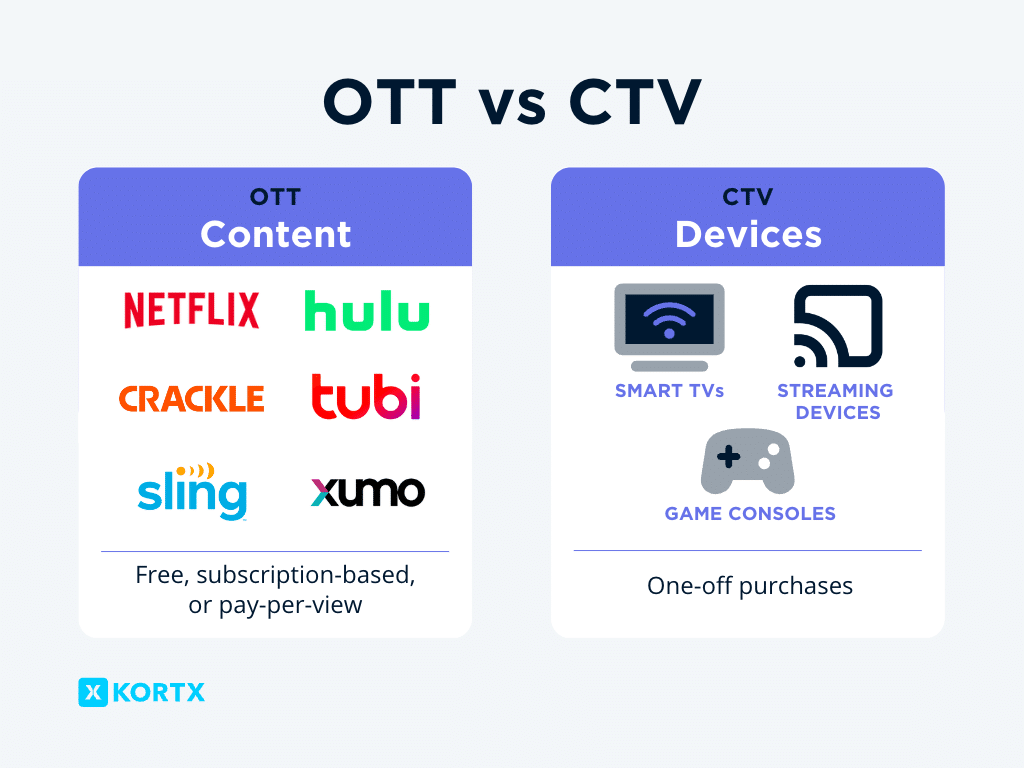
At its core, Connected TV (CTV) refers to any television that can connect to the internet and stream content beyond traditional broadcast or cable television. This encompasses a wide range of devices, including:
- Smart TVs: These are televisions with built-in internet connectivity and operating systems, allowing users to directly download and access streaming apps like Netflix, Hulu, Disney+, and YouTube.
- Streaming Devices/Sticks: Devices such as Roku, Amazon Fire TV Stick, Apple TV, and Google Chromecast plug into a standard TV’s HDMI port, turning it into a “smart” TV by providing internet access and an interface for streaming applications.
- Gaming Consoles: Modern gaming consoles like PlayStation and Xbox also offer robust streaming capabilities, allowing users to access various video-on-demand services and live TV apps.
- Blu-ray Players and Set-Top Boxes: Some advanced Blu-ray players and cable/satellite set-top boxes now integrate internet connectivity and app functionality.
Essentially, if a television or a device connected to it can access the internet to deliver video content, it falls under the umbrella of CTV. This distinction is crucial because it signifies a shift from passive viewing to active, on-demand content consumption.
The Technological Pillars of CTV
The rise of CTV is underpinned by several key technological advancements:
Internet Infrastructure and Bandwidth
The widespread availability of high-speed internet, both wired (DSL, cable, fiber optic) and wireless (5G), has been fundamental. Without sufficient bandwidth, streaming high-definition video content would be a frustrating, pixelated experience. The continuous improvement in internet speeds globally has made seamless streaming a reality for a vast majority of households.
Smart Operating Systems and App Ecosystems
Smart TVs and streaming devices rely on sophisticated operating systems (e.g., Android TV, webOS, Tizen, Roku OS) that provide a user-friendly interface for navigating content and managing applications. The development of a rich app ecosystem is equally vital. App stores on these devices offer a plethora of streaming services, from major global players to niche content providers, allowing consumers to personalize their viewing experience. This technological foundation is a testament to the advancements in software development and user interface design.
Advanced Display and Audio Technologies
While not strictly defining CTV, the parallel advancements in television display technologies (like 4K, HDR, OLED) and audio formats (like Dolby Atmos) significantly enhance the viewing experience on CTV devices. These technologies complement the streaming capabilities, making the overall entertainment proposition far more compelling.
The Advertising Revolution: How CTV is Reshaping Brand Strategies
The proliferation of CTV has created a seismic shift in the advertising world. For brands, CTV represents a powerful new frontier to reach engaged audiences with precision and impact, bridging the gap between the reach of traditional television and the targeting capabilities of digital advertising.
Programmatic Advertising on the Big Screen
One of the most significant implications of CTV for Brand strategy is the advent of programmatic advertising. Unlike the static, one-size-fits-all approach of traditional TV ads, CTV allows for the dynamic insertion of advertisements into streaming content. This means:
- Targeted Ad Delivery: Advertisers can leverage vast amounts of data to target specific demographics, interests, geographic locations, and even household behaviors. This allows for a much more efficient allocation of marketing budgets, ensuring ads are shown to the most relevant audience.
- Personalized Ad Experiences: Imagine seeing an advertisement for a local car dealership on your favorite streaming show, tailored to your interest in SUVs. This level of personalization, previously only achievable in digital channels, is now a reality on the largest screen in the house.
- Measurable Campaigns: CTV advertising offers robust analytics and measurement capabilities. Brands can track metrics like ad impressions, video completion rates, clicks, and even conversions, providing invaluable insights into campaign performance and ROI. This data-driven approach allows for continuous optimization of advertising strategies.
- Reduced Ad Fraud: While not entirely eliminated, the more controlled environment of CTV, compared to some areas of open web advertising, can offer greater transparency and potentially reduce instances of ad fraud.
The Rise of Addressable TV Advertising
Addressable TV advertising is a key component of programmatic CTV. It allows advertisers to send specific ads to specific households based on their characteristics, even if they are watching the same program. This is a significant departure from traditional broadcasting where everyone watching a particular show sees the same commercial. This capability is transforming how brands think about their audience segmentation and the messages they deliver.
Content is King, and Context is Queen: Brand Storytelling in the CTV Era
The nature of content consumption on CTV also influences how brands approach their messaging. With viewers actively choosing what they want to watch, brands need to be more engaging and less intrusive.
- Brand Integration and Sponsorships: Beyond traditional ad breaks, brands are exploring deeper integrations within content, such as product placements, sponsored segments, or even branded entertainment. The goal is to align the brand with the content in a way that feels natural and adds value to the viewer’s experience.
- Data-Driven Creative Development: Insights gleaned from CTV ad performance can inform the creative development of future campaigns. Understanding what resonates with specific audience segments on the big screen allows for more effective storytelling and stronger brand recall.
- The Importance of High-Quality Creative: With the visual and auditory fidelity of modern CTV experiences, the quality of advertising creative is paramount. Brands need to invest in compelling visuals, engaging narratives, and clear calls to action to capture attention amidst a sea of content.

Monetizing the Connected Screen: New Opportunities in the Digital Economy
CTV is not just about entertainment and advertising; it’s also a significant economic driver, creating new avenues for revenue generation and financial opportunities within the digital economy.
New Revenue Streams for Content Creators and Platforms
For content creators, broadcasters, and platform providers, CTV opens up lucrative new revenue streams:
- Subscription Video on Demand (SVOD): Services like Netflix, Disney+, and HBO Max have built their empires on subscription models, offering vast libraries of content for a recurring fee. This model has proven incredibly successful and continues to be a dominant force.
- Advertising-Supported Video on Demand (AVOD): Platforms like YouTube, Pluto TV, and Tubi offer free content supported by advertising. This model democratizes access to entertainment and provides advertisers with a highly engaged audience.
- Transactional Video on Demand (TVOD): This includes services like Apple TV (rentals/purchases), Google Play Movies, and Amazon Prime Video where users pay on a per-title basis to rent or buy content.
- Hybrid Models: Many platforms are experimenting with hybrid models, offering both ad-free premium tiers and cheaper, ad-supported options to cater to a wider range of consumer preferences and financial capabilities.
The “Free” but Not So Free Model: Advertising as the Currency
It’s important to note that many “free” CTV services are not truly free. Instead, viewers “pay” for access with their attention, by watching advertisements. This has led to a significant shift in how digital advertising is valued and monetized, especially in comparison to traditional display ads. The higher engagement rates associated with the “lean-back” experience of television viewing make CTV advertising particularly attractive to advertisers looking for strong return on investment.
Personal Finance and Investing in the CTV Ecosystem
For individuals interested in Personal Finance and Investing, the CTV landscape presents both opportunities and considerations:
- Investment in Streaming Companies: Investors can gain exposure to the burgeoning CTV market by investing in publicly traded companies that operate streaming platforms (e.g., Netflix, Disney, Amazon) or in companies that provide the technology and infrastructure for CTV (e.g., Roku, semiconductor manufacturers).
- Advertising as a Career Path: The growth of CTV advertising has created a significant demand for professionals in areas such as programmatic buying, ad operations, data analysis, and creative development. These roles offer competitive salaries and opportunities for career growth within the Tech and Brand sectors.
- Understanding Consumer Spending Habits: By observing the types of content and services people subscribe to or watch on CTV, one can gain insights into consumer spending habits and emerging trends, which can be valuable for personal financial planning or for those looking for business opportunities.
- The Cost of Subscriptions: While CTV offers vast entertainment options, the cumulative cost of multiple streaming subscriptions can add up. Consumers need to be mindful of their spending and regularly review their subscriptions to ensure they are getting value for money, which ties directly into effective Personal Finance management.
The Consumer Experience: Navigating the World of Connected Entertainment
For consumers, CTV represents an unprecedented level of choice, convenience, and personalization. However, it also brings new considerations regarding data privacy and content overload.
Personalization and Content Discovery
- Tailored Recommendations: CTV platforms leverage algorithms to analyze viewing habits and provide personalized content recommendations, helping users discover new shows and movies they’re likely to enjoy. This is a significant improvement over the limited discovery options of traditional TV.
- On-Demand Access: The ability to watch what you want, when you want, has fundamentally changed viewing habits. Binge-watching entire seasons of shows has become a cultural phenomenon, driven by the instant availability of content on CTV.
- Cross-Platform Integration: Many CTV services offer features like watchlists that sync across devices, allowing users to start a show on their TV and finish it on their tablet or smartphone.
The Double-Edged Sword of Personalization: Data and Privacy
The personalization that makes CTV so appealing is powered by the collection and analysis of user data. This raises important questions about Digital Security and data privacy.
- Data Collection: CTV platforms collect data on viewing habits, search queries, app usage, and even device information. This data is used for ad targeting, content recommendations, and platform improvement.
- Privacy Concerns: Consumers need to be aware of what data is being collected and how it’s being used. Understanding privacy policies and utilizing available privacy settings on devices and apps is crucial.
- The Role of Digital Security: As more of our entertainment consumption moves online, the importance of robust digital security practices, including strong passwords and awareness of phishing attempts, becomes even more critical.
Content Overload and Curation
The sheer volume of content available on CTV can be overwhelming. With hundreds of channels and thousands of titles at one’s fingertips, making a choice can be challenging.
- The Paradox of Choice: While choice is generally good, an excessive number of options can lead to decision fatigue and a feeling of not being able to find anything to watch.
- The Rise of Curated Content: This has led to an increased demand for curated content experiences, whether through expertly crafted playlists on streaming services, recommendations from friends and influencers, or specialized content discovery apps.
The Future of the Connected Screen
The evolution of CTV is far from over. We can anticipate further innovations in areas such as:
- Interactive Advertising: Moving beyond passive ad viewing to more engaging, interactive ad formats.
- AI-Powered Content Creation and Recommendation: Leveraging AI to generate personalized content and predict viewing trends.
- Enhanced Measurement and Attribution: Developing more sophisticated methods to measure the effectiveness of CTV advertising across the entire marketing funnel.
- The Metaverse and Immersive Experiences: As virtual and augmented reality technologies mature, CTV may evolve to offer more immersive and interactive entertainment experiences.
In conclusion, Connected TV is a dynamic and rapidly expanding ecosystem that sits at the intersection of Tech, Brand, and Money. It has fundamentally altered how we consume media, how brands connect with their audiences, and how economic value is generated in the digital age. Understanding what CTV is, and the forces driving its evolution, is essential for anyone looking to navigate the future of entertainment, advertising, and the digital economy.
aViewFromTheCave is a participant in the Amazon Services LLC Associates Program, an affiliate advertising program designed to provide a means for sites to earn advertising fees by advertising and linking to Amazon.com. Amazon, the Amazon logo, AmazonSupply, and the AmazonSupply logo are trademarks of Amazon.com, Inc. or its affiliates. As an Amazon Associate we earn affiliate commissions from qualifying purchases.