
In the modern financial landscape, your bank account number is more than just a string of digits; it is a primary key that unlocks the door to your personal economy. As one of the largest financial institutions in the world, Bank of America (BoA) serves tens of millions of customers, each of whom relies on these unique identifiers to facilitate direct deposits, pay bills, and manage wire transfers. However, for many users, the specific architecture of their account information can be confusing. Knowing exactly how many digits are in a Bank of America account number, and how that number differs from other identifiers like routing numbers, is a fundamental aspect of financial literacy.
Understanding these details is not merely a matter of convenience. It is a critical component of ensuring that your financial transactions are executed accurately and that your sensitive data remains protected against the growing threat of financial fraud. In this comprehensive guide, we will explore the structure of Bank of America account numbers, the various ways to locate them, and the best practices for managing your financial identity.
Decoding the Bank of America Account Number Structure
When you open a checking or savings account with Bank of America, you are assigned a unique sequence of numbers that identifies your specific ledger within their massive institutional database. While many people confuse the account number with the routing number or the digits found on a debit card, each serves a distinct purpose in the banking ecosystem.
The Standard Digit Length
A standard Bank of America account number typically consists of 12 digits. However, it is important to note that this can vary slightly based on the history of the account and the specific region where it was opened. Some older “legacy” accounts, or those acquired through mergers with other banks over the decades, might feature 10 or 11 digits.
If you are setting up an electronic transfer and the form requires a specific number of digits, Bank of America accounts are generally flexible. For instance, if a system requires a 12-digit format and your account number is only 10 digits, you generally do not add leading zeros unless specifically instructed by a bank representative. The 12-digit format is the modern standard for the institution, ensuring enough numerical permutations to accommodate their vast global customer base.
Routing Number vs. Account Number: Avoiding Common Mistakes
One of the most frequent errors in personal finance management is the conflation of the routing number and the account number. While they often appear together on checks and in digital portals, they serve entirely different functions.
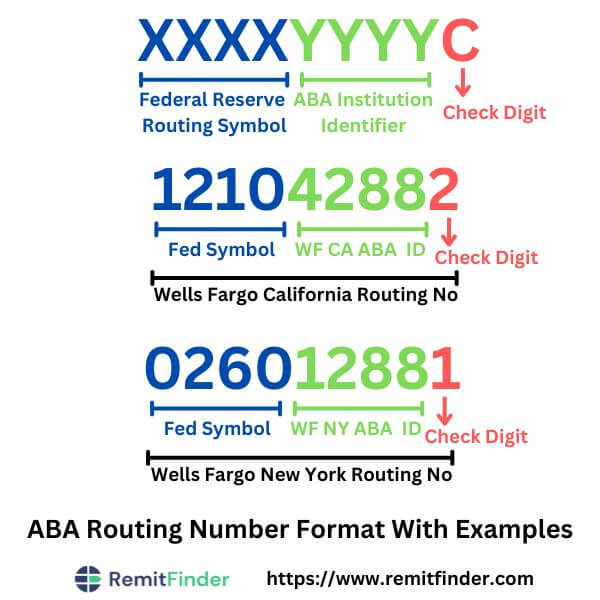
The routing number, also known as the ABA (American Bankers Association) routing transit number, is a nine-digit code that identifies the financial institution itself. It acts like a digital zip code, telling the financial system which bank “house” the money needs to go to. Bank of America uses several different routing numbers depending on the state where the account was opened and whether the transaction is an ACH transfer or a domestic wire transfer.
The account number, by contrast, identifies the specific “room” within that house. Without both pieces of information, a transaction cannot be completed. If you provide an incorrect routing number, the funds might be rejected by the banking network. If you provide an incorrect account number, the funds could potentially end up in the wrong person’s account—a situation that is often difficult and time-consuming to reverse.
How to Securely Locate Your Bank of America Account Number
In an era of digital-first banking, the days of carrying a physical checkbook are fading. Consequently, many consumers find themselves searching for their account numbers through various digital and physical channels. Bank of America provides several secure methods to retrieve this information.
Digital Methods: Mobile App and Online Portals
The most efficient way to find your account number is through the Bank of America mobile app or the online banking portal. Once logged in, you can typically find the account details by selecting the specific account (Checking, Savings, etc.) and clicking on an “Information” or “Account Details” tab.
For security reasons, many banking interfaces mask the account number, showing only the last four digits. To view the full 12-digit sequence, you often need to click a “view” or “show” icon, which may require a secondary authentication step, such as a fingerprint scan or a one-time passcode sent to your mobile device. This layer of security is vital, as it prevents unauthorized individuals from gaining access to your full account details even if they manage to gain temporary physical access to your unlocked phone.
Traditional Methods: Physical Checks and Monthly Statements
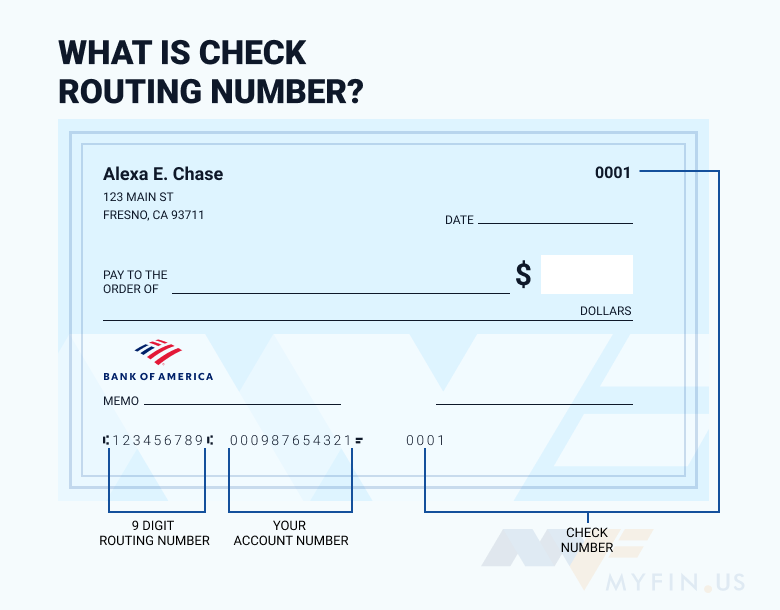
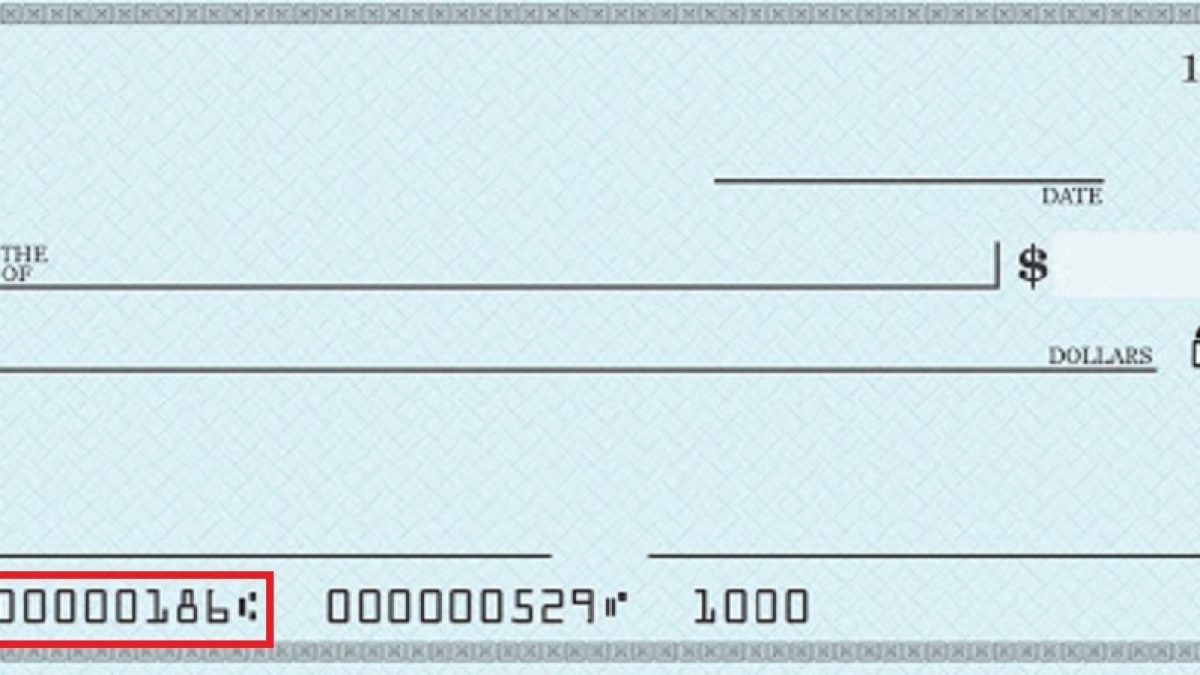
For those who still use paper checks, the account number is conveniently printed at the bottom of every check. At the bottom of a standard check, you will see three sets of numbers printed in a specialized magnetic ink (MICR). The first set is the nine-digit routing number. The second set is your account number. The third set is the specific check number.
Monthly statements, whether received by mail or downloaded as a PDF, also contain your account number. Usually located in the top right or left corner of the first page, the account number identifies the summary of transactions for that period. When disposing of these documents, it is imperative to use a cross-cut shredder, as a discarded statement is a goldmine for identity thieves.
The Role of Account Numbers in Financial Transactions
Your account number is the primary vehicle for moving money in and out of your possession. Understanding how it interacts with different payment systems can help you manage your cash flow more effectively and avoid unnecessary fees.
Direct Deposits and Automated Clearing House (ACH) Transfers
The most common use for your Bank of America account number is the setup of direct deposits. Whether it is a paycheck from an employer, a tax refund from the IRS, or a dividend payment from an investment, these transactions rely on the ACH network. To set this up, you must provide your 12-digit account number along with the specific nine-digit routing number designated for ACH transfers.
ACH transfers are generally preferred for recurring payments because they are highly reliable and typically free for the consumer. When you provide your account number for a gym membership or a utility bill, you are authorizing an “ACH debit.” It is wise to monitor these transactions closely, as providing your account number to a third party gives them the technical ability to pull funds from your account.
Wire Transfers: Domestic vs. International Requirements
Wire transfers represent a faster, albeit more expensive, method of moving money. Unlike ACH transfers, which are processed in batches, wire transfers are processed individually and often in real-time. For a domestic wire transfer, you will use the same 12-digit account number but may require a different routing number than the one used for your paycheck.
For international wire transfers, the process becomes more complex. In addition to your account number, you will likely need a SWIFT/BIC code, which identifies Bank of America on the global stage. While some countries use an IBAN (International Bank Account Number) format, the United States does not. For an international sender to reach your BoA account, they need your full account number, the bank’s SWIFT code, and the bank’s physical address.
Protecting Your Financial Identity: Security Best Practices
Because your account number is the primary identifier for your wealth, it is a high-value target for cybercriminals. Protecting this number is a cornerstone of modern personal finance security.
Why Your Account Number is a Target for Fraud
An account number on its own is often not enough to drain an account, but it is a significant piece of the puzzle. In “Account Takeover” (ATO) fraud, criminals use your account number in conjunction with other leaked data—such as your Social Security number or date of birth—to impersonate you to bank representatives.
Furthermore, “Check Washing” remains a persistent threat. Criminals steal mail, use chemicals to erase the payee and amount on a check, and rewrite it to themselves. Throughout this process, your account number remains visible at the bottom, providing the fraudster with the information needed to attempt unauthorized ACH withdrawals later.
Multi-Factor Authentication and Account Monitoring
To mitigate the risks associated with a compromised account number, Bank of America offers several high-tech security features. Multi-factor authentication (MFA) is perhaps the most effective. By requiring a second form of verification—such as a code sent via SMS or an app-based authenticator—you ensure that even if a criminal has your account number and password, they still cannot access your funds.
Additionally, setting up real-time alerts is a proactive way to defend your finances. You can configure your account to send a push notification or text message every time a transaction over a certain dollar amount occurs. If you see a withdrawal you didn’t authorize, you can immediately contact the bank to freeze the account. This rapid response is often the difference between a minor inconvenience and a devastating financial loss.
The Evolution of Banking Identifiers
As we look toward the future of finance, the way we identify ourselves to institutions like Bank of America is evolving. We are moving toward a world where “alias-based” payments are becoming the norm. Services like Zelle, which is integrated directly into the Bank of America app, allow users to send and receive money using only an email address or a mobile phone number.
This shift adds a layer of privacy, as the sender never actually sees your 12-digit account number. However, the account number remains the underlying foundation of the transaction. Even when you use a digital wallet or a peer-to-peer payment app, those systems are eventually settling the transaction against the 12 digits assigned to your Bank of America account.
By mastering the details of your account structure—knowing it is typically 12 digits, understanding its role in the ACH and wire systems, and knowing where to find it securely—you empower yourself to navigate the financial world with confidence. In an age where digital speed is paramount, accuracy in these fundamental details remains the best way to ensure your money moves exactly where it needs to go, safely and efficiently.
aViewFromTheCave is a participant in the Amazon Services LLC Associates Program, an affiliate advertising program designed to provide a means for sites to earn advertising fees by advertising and linking to Amazon.com. Amazon, the Amazon logo, AmazonSupply, and the AmazonSupply logo are trademarks of Amazon.com, Inc. or its affiliates. As an Amazon Associate we earn affiliate commissions from qualifying purchases.