
Navigating a financial crisis requires more than just grit; it requires a strategic understanding of the resources available to protect your household’s solvency. When income drops or unexpected expenses arise, the grocery bill is often one of the first areas where individuals attempt to cut costs. However, food insecurity can lead to a downward spiral of health issues and decreased productivity, further compromising one’s financial recovery. Understanding how to get food from a food bank is not merely a matter of finding a meal; it is a critical component of emergency personal finance management. By leveraging these community resources, individuals can reallocate limited liquid assets toward fixed costs like housing, utilities, and debt obligations, thereby stabilizing their financial foundation.
The Financial Strategy of Accessing Food Assistance
From a personal finance perspective, a food bank serves as a non-cash subsidy that bolsters a household’s budget. When a family is faced with the choice between paying the rent and buying groceries, the food bank acts as a bridge that prevents predatory lending or the accumulation of high-interest credit card debt.
Protecting Your Liquidity During a Crisis
Liquidity is the lifeblood of personal finance. In an economic downturn or personal emergency, cash flow is often restricted. Every dollar spent on non-perishable goods is a dollar that cannot be used to keep the lights on or pay for transportation to a job. Accessing a food bank allows a person to preserve their cash for “un-substitutable” expenses. Unlike food, which can be supplemented through charitable organizations, expenses like car insurance, mortgage payments, and medical premiums generally require hard currency. By utilizing food assistance, you are essentially performing a budget “swap,” replacing a cash expense with a community-provided resource to maintain a healthier cash-to-debt ratio.
Avoiding the Debt Trap of High-Interest Credit
Many individuals in financial distress turn to credit cards or payday loans to cover basic necessities like food. This is one of the most dangerous financial moves one can make. Charging groceries to a card with a 24% APR means that a $100 grocery bill can eventually cost significantly more if not paid off immediately. Food banks provide a debt-free alternative. By removing the need to borrow for survival, you stop the bleeding of interest payments, which is the first step in any debt management or financial recovery plan.
The Mechanics of the Food Bank System
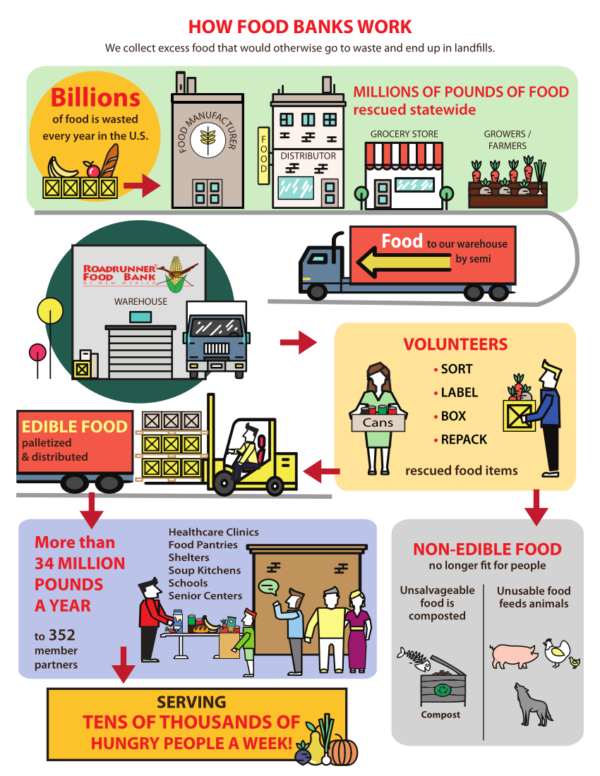
Getting food from a food bank is a structured process that varies depending on the organization and the region. Understanding the landscape of these organizations is essential for efficient resource management.
Identifying Local Resources and Referral Networks
The first step in accessing food assistance is identification. The “food bank” is often the central hub—a large warehouse that stocks and distributes food to smaller, local “food pantries.” To find these resources, individuals can utilize several financial and social service tools:
-
Feeding America Network: This is the largest hunger-relief organization in the United States. Their online database allows users to enter a zip code to find the primary food bank serving their area.
-
2-1-1 Referral Services: Dialing 2-1-1 on a phone or visiting 211.org connects individuals with local community resource specialists who can provide a list of pantries, their hours of operation, and their specific requirements.
-
Religious and Community Centers: Many local churches, mosques, and civic organizations run smaller-scale pantries that may have fewer bureaucratic hurdles than larger state-funded programs.
Understanding Different Types of Distribution
Not all food banks operate the same way, and knowing the format can help you plan your time—another valuable resource.
-
Choice Pantries: These operate like a small grocery store where you can select the items you need. This is the most efficient from a waste-reduction standpoint, as you only take what your family will actually consume.
-
Pre-Packed Boxes: Some organizations provide a standard box of goods. While less flexible, these are often quicker to access during mass distribution events.
-
Mobile Pantries: In rural or underserved areas, food banks often use refrigerated trucks to bring food to specific locations at scheduled times. Following these schedules is vital for those with limited transportation budgets.
Eligibility, Income Thresholds, and Documentation
While food banks aim to help everyone in need, many operate under specific financial guidelines, especially if they receive government funding through programs like The Emergency Food Assistance Program (TEFAP).
Navigating the Means-Testing Process
Most food banks require some form of “means-testing” to ensure resources are going to those who need them most. From a financial planning perspective, you should be prepared to provide a snapshot of your current economic situation. Common requirements include:
-
Proof of Identity: A driver’s license, state ID, or passport.
-
Proof of Residency: A recent utility bill or lease agreement. This ensures that you are seeking help from a pantry designated for your specific geographic area.
-
Income Self-Declaration: Many pantries allow you to self-declare that your income falls below a certain percentage of the Federal Poverty Level (FPL). Others may ask for recent pay stubs or a letter of termination.
It is important to remember that many food banks do not have strict income caps and operate on a “no questions asked” basis for those in immediate crisis. However, having your financial documentation ready ensures you can access the full spectrum of available services, including those that require formal enrollment.
The Relationship Between SNAP and Food Banks
Accessing a food bank should be seen as one part of a multi-tiered financial strategy. For long-term stability, individuals should also look into the Supplemental Nutrition Assistance Program (SNAP), formerly known as food stamps. While food banks provide immediate relief, SNAP provides a monthly electronic benefit that can be used at grocery stores. Many food banks have “SNAP Outreach” coordinators on-site who can help you navigate the application process. Utilizing both resources in tandem is a savvy way to maximize your household’s “food budget” without tapping into your savings or emergency fund.
Integrating Food Assistance into Your Financial Recovery Plan
Once the immediate need for food is met, the focus must shift to long-term financial health. The “savings” generated by using a food bank must be handled with the same discipline as a salary increase or a tax refund.
Reallocating Saved Capital to High-Priority Expenses
If using a food bank saves your household $400 a month, that $400 must be intentionally directed toward your most pressing financial goals. Professional financial advisors often recommend a “waterfall” approach to these found funds:
-
Housing and Utilities: Ensure your shelter is secure.
-
Minimum Debt Payments: Prevent late fees and hits to your credit score.
-
High-Interest Debt: Attack balances on credit cards or personal loans.
-
Emergency Savings: Even $20 a week saved from the grocery budget can start a small fund to prevent future crises.
By documenting exactly how much you are “saving” by visiting a food bank, you can visualize your progress toward financial independence.
Building an Emergency Fund through Strategic Resource Utilization
The ultimate goal of using emergency resources like food banks is to eventually reach a point where they are no longer necessary. This is achieved by building an “emergency fund.” In the world of personal finance, an emergency fund of three to six months of expenses is the gold standard. While this may seem impossible during a period of food insecurity, the psychological shift of viewing the food bank as a strategic tool rather than a charity can empower individuals to take control of their finances. The money not spent at the supermarket is the first “deposit” into your future stability.

Long-Term Financial Health and Community Resources
Food banks are more than just distribution points for canned goods; they are often hubs for holistic financial wellness. Many large-scale organizations have expanded their mission to include programs that address the root causes of poverty.
When visiting a food bank, inquire about additional services such as:
-
Financial Literacy Workshops: Some banks partner with local credit unions to offer classes on budgeting, credit repair, and predatory loan avoidance.
-
Job Training and Placement: Access to employment is the ultimate solution to food insecurity. Many community resources are linked to vocational training programs.
-
Tax Assistance: During tax season, many food banks host VITA (Volunteer Income Tax Assistance) sites, helping low-income individuals claim the Earned Income Tax Credit (EITC), which can result in a significant annual cash infusion.
In conclusion, knowing how to get food from a food bank is a vital skill in the toolkit of personal finance management. By understanding the logistics, preparing the necessary documentation, and strategically reallocating the saved funds, you can transform a moment of crisis into a stepping stone toward long-term financial resilience. Treat the food bank as a specialized financial instrument designed to protect your most valuable asset: your ability to recover and thrive.
aViewFromTheCave is a participant in the Amazon Services LLC Associates Program, an affiliate advertising program designed to provide a means for sites to earn advertising fees by advertising and linking to Amazon.com. Amazon, the Amazon logo, AmazonSupply, and the AmazonSupply logo are trademarks of Amazon.com, Inc. or its affiliates. As an Amazon Associate we earn affiliate commissions from qualifying purchases.