
In the modern financial landscape, your bank account number is a foundational piece of data. It serves as the primary identifier for your specific holdings within a financial institution, distinguishing your funds from millions of other customers. Whether you are setting up a direct deposit for a new job, authorizing an automated bill payment for your mortgage, or linking an external investment platform to your checking account, you will inevitably need to locate this unique string of digits.
While it may seem like a simple piece of information, many consumers find themselves unsure of where to look, especially as banking shifts further away from physical passbooks and toward digital-first interfaces. Understanding how to retrieve your account number securely and efficiently is a core component of financial literacy. This guide explores the various digital, physical, and direct methods for identifying your bank account number, while also clarifying the critical differences between account and routing numbers.
Leveraging Digital Platforms for Immediate Access
In the era of fintech and mobile-first banking, the quickest way to find your account number is usually through your financial institution’s digital ecosystem. Most modern banks have optimized their user interfaces to ensure that essential information is accessible within a few clicks or taps, provided you can pass through the necessary security hurdles.
Mobile Banking Applications
The smartphone has become the primary tool for personal finance management. To find your account number via a mobile app, begin by logging in using your secure credentials, which likely include biometric authentication such as FaceID or a fingerprint scan. Once you are on the main dashboard, look for the specific account you are inquiring about—be it checking, savings, or a money market account.
In many apps, the account number is partially hidden (masked) for security purposes, showing only the last four digits. To view the full number, you typically need to tap on “Account Details,” “Settings,” or a small “eye” icon designed to reveal sensitive information. This ensures that even if someone glances at your screen, your full financial identifiers remain private.
Online Banking Portals
If you prefer using a desktop or laptop, the bank’s official website offers a similar path. After logging into the secure client portal, navigate to the “Accounts” or “Summary” tab. Clicking on an individual account will usually open a submenu that lists the full account number, the current balance, and the routing number. Online portals are also the primary place to find your e-statements, which are legal documents that always contain your full account details.
Downloading Electronic Statements (e-Statements)
Electronic statements are PDF versions of the monthly summaries that banks used to mail to your home. Because these are official records, they contain your full account number, usually located in the top right or left corner of the first page. If you are applying for a loan or setting up a high-stakes transfer, a downloaded e-statement is often required as “proof of account,” as it displays both your name and the account number in a formal format.
Traditional and Physical Documentation
Despite the rise of digital banking, physical documents remain a reliable and sometimes necessary way to verify account details. For many, having a hard copy provides a sense of security that digital screens cannot always replicate.
Deciphering the Information on a Personal Check
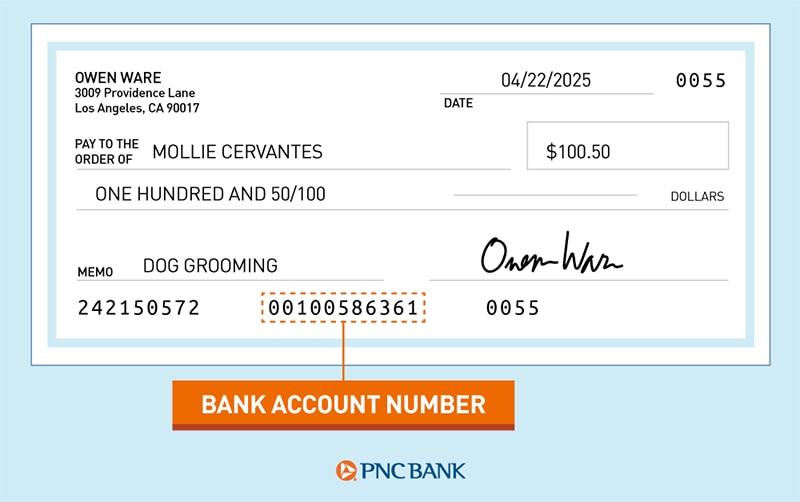
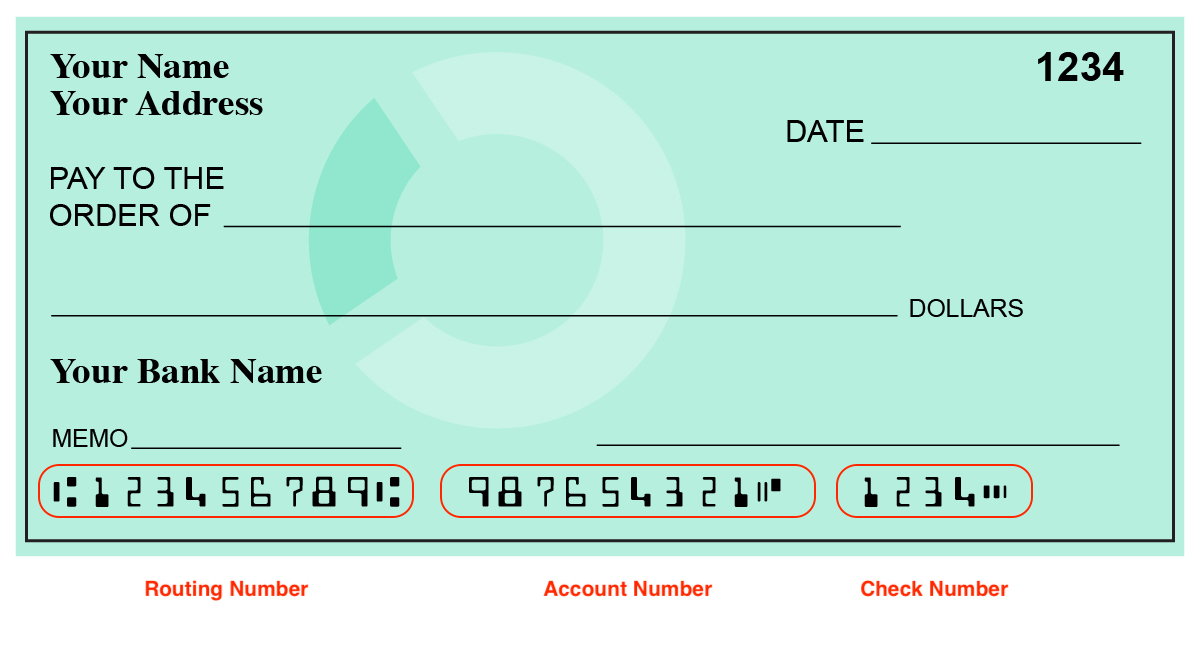
If you still use paper checks, you have a direct “map” to your banking information printed at the bottom of every leaf. Look at the string of numbers printed in specialized Magnetic Ink Character Recognition (MICR) font. There are typically three distinct sets of numbers:
-
The Routing Number: A nine-digit code that identifies your bank.
-
The Account Number: Usually the second set of numbers in the sequence (though the order can vary slightly by bank). It is often followed by a special symbol.
-
The Check Number: A shorter sequence that matches the number in the top right corner of the check.
Knowing how to read a check is a vital skill, as many online payment portals ask you to input these numbers exactly as they appear on the bottom of a check.
Reviewing Printed Monthly Statements
If you have not opted into “paperless” billing, your bank sends a monthly statement through the mail. This document is a comprehensive overview of your financial activity and lists your account number clearly near the top of the document. It is important to store these documents in a secure, locked location or shred them before disposal, as they contain the exact information a fraudster would need to attempt an unauthorized transfer.

Locating Original Account Opening Documents
When you first opened your account, the bank likely provided a “Welcome Packet” or a signed agreement. These documents contain the legal terms of your account along with the specific account and routing numbers assigned to you. If you have kept your original filing, this is an excellent backup source for your information.
Direct Verification Through Your Financial Institution
If you do not have access to a mobile app and do not use paper checks, you can go directly to the source. Financial institutions have protocols in place to provide this information to verified account holders.
Visiting a Local Branch
For those who prefer face-to-face interaction, visiting a local branch is a foolproof method. You will need to bring a valid, government-issued photo ID, such as a driver’s license or passport. A personal banker can verify your identity and provide you with your account number. This is often the safest method if you suspect your online account has been compromised or if you have been locked out of your digital portal.
Contacting Customer Service Hotlines
You can also call the customer service number located on the back of your debit card. Be prepared to navigate an automated phone system and answer several security questions to prove your identity. These questions might include your Social Security number, your mother’s maiden name, or details about your recent transactions. Once verified, the representative can read your account number to you or, in some cases, send it to you via a secure message through the bank’s internal mailing system.
The Critical Distinction: Account Number vs. Routing Number
One of the most common mistakes in personal finance is confusing the account number with the routing number. While they are often found together, they serve two entirely different functions in the global financial system.
What is a Routing Number?
The American Bankers Association (ABA) routing number is a nine-digit sequence that acts as an “address” for the bank itself. It tells the financial system exactly which institution is responsible for the funds. Large national banks may have different routing numbers for different regions or states. If you provide the wrong routing number, a transfer might be sent to the right bank but the wrong branch, or it could be rejected entirely.
How the Account Number Functions
While the routing number identifies the bank, the account number identifies you within that bank. It is the specific “vault” where your money is held. To successfully move money, the system needs both: the routing number to find the building, and the account number to find the specific drawer inside.
Best Practices for Financial Security and Privacy
Because your bank account number is the key to your liquid assets, it must be guarded with extreme care. Financial security is not just about having a strong password; it is about managing how and where your account details are shared.
Protecting Your Account Details Online
Avoid saving your bank account number in unencrypted “notes” apps on your phone or in draft emails. If your phone or email is hacked, these are the first places cybercriminals look. If you must store the number digitally, use a dedicated password manager that offers encrypted “secure notes” functionality.
Avoiding Common Phishing Scams
Be wary of any email or text message that asks you to “verify” your account number by clicking a link. Legitimate banks will never ask you to provide your full account number via an unsolicited text or email. These are almost always phishing attempts designed to harvest your data. Always navigate directly to the bank’s official website or use their verified app rather than clicking on external links.
The Dangers of Public Wi-Fi
Never log into your online banking or access your account details while connected to public Wi-Fi (such as in a coffee shop or airport) without a Virtual Private Network (VPN). Public networks are vulnerable to “man-in-the-middle” attacks, where hackers can intercept the data being sent between your device and the bank’s servers, potentially capturing your account number and login credentials in real-time.
By understanding the various avenues available for retrieving your bank account number—from the convenience of a mobile app to the traditional reliability of a paper check—you empower yourself to manage your finances with confidence. Maintaining a clear distinction between your account and routing numbers, while adhering to strict digital security protocols, ensures that your transactions remain seamless and your wealth remains protected.
aViewFromTheCave is a participant in the Amazon Services LLC Associates Program, an affiliate advertising program designed to provide a means for sites to earn advertising fees by advertising and linking to Amazon.com. Amazon, the Amazon logo, AmazonSupply, and the AmazonSupply logo are trademarks of Amazon.com, Inc. or its affiliates. As an Amazon Associate we earn affiliate commissions from qualifying purchases.