
U.S. Bank, formally U.S. Bancorp (NYSE: USB), stands as a colossal figure in the American financial landscape. When we ask “how big” it is, the answer is far more complex than a simple number. It encompasses its vast financial holdings, extensive operational reach, diverse service offerings, and its strategic influence within the broader economy. More than just a bank where individuals manage their checking accounts, U.S. Bank is a multi-faceted financial institution serving millions of customers across consumer, business, and institutional segments, underpinned by assets that rival the GDP of many nations. Understanding its true scale requires delving into key financial metrics, its operational footprint, the breadth of its services, and its strategic direction, all of which paint a picture of an enduring powerhouse. This article will explore the myriad dimensions that define the immense size and significance of U.S. Bank within the competitive and ever-evolving financial sector.
A Snapshot of U.S. Bank’s Financial Footprint
The primary indicators of a bank’s size are its financial metrics, which reveal the sheer volume of capital it manages, its valuation in the public markets, and its overall profitability. These numbers not only reflect current performance but also its capacity for future growth and resilience. U.S. Bank consistently ranks among the top commercial banks in the United States, a position it maintains through strategic financial management and a broad array of services.
Assets Under Management (AUM) and Total Assets
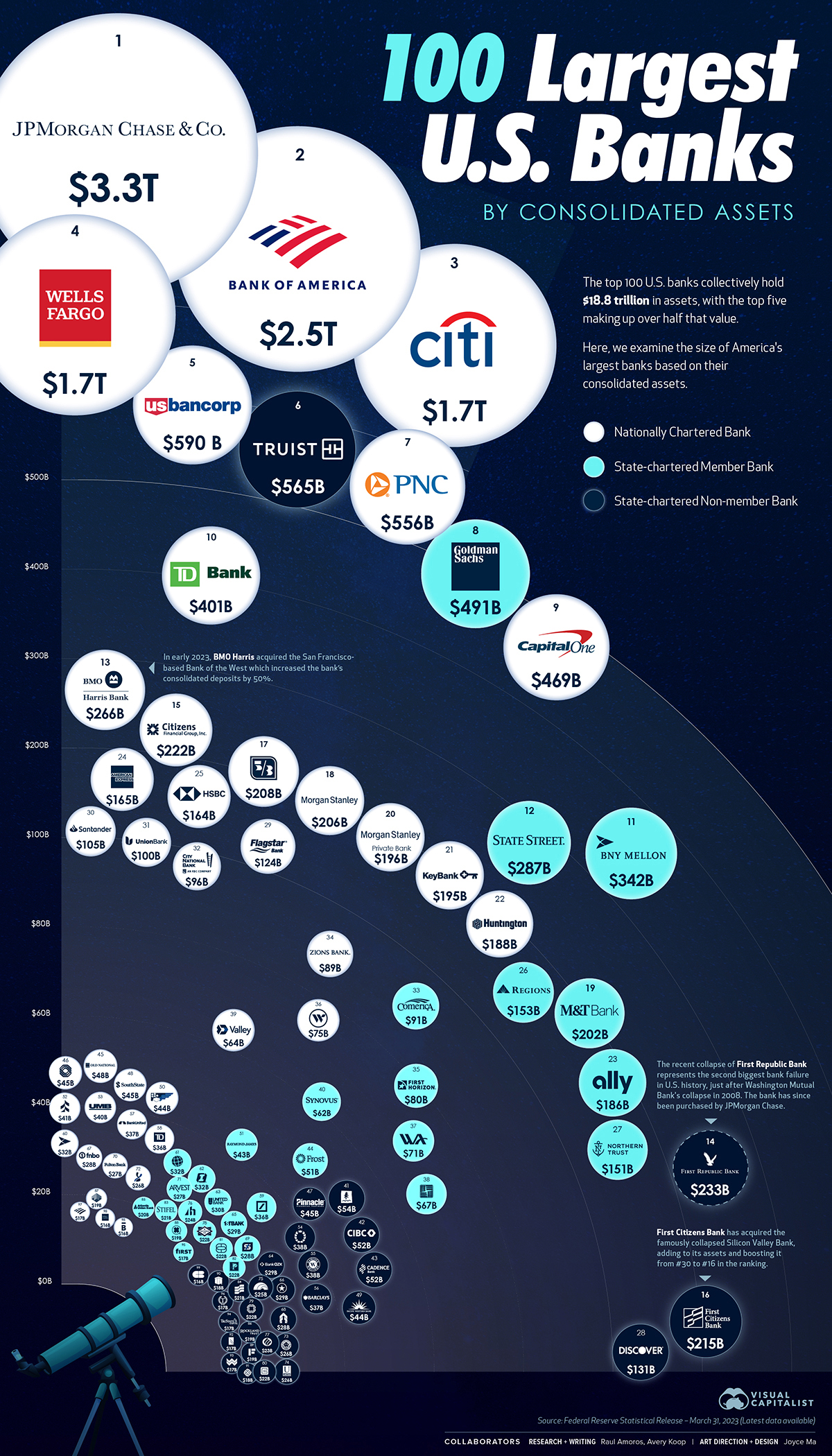
One of the most direct measures of a bank’s size is its total assets. This figure represents everything the bank owns, including loans, investments, cash, and physical property. For a bank like U.S. Bank, total assets typically run into the hundreds of billions of dollars, often approaching or exceeding a trillion dollars, placing it firmly within the ranks of the nation’s largest financial institutions. This colossal asset base enables the bank to fulfill its core function of lending, investing, and providing financial stability. Closely related are Assets Under Management (AUM), which refer to the total market value of the investments that U.S. Bank manages on behalf of its clients, encompassing everything from retirement funds to institutional portfolios. While distinct from the bank’s own balance sheet assets, AUM further illustrates the extensive trust and responsibility placed upon U.S. Bank by its vast client base, reflecting its substantial influence in investment markets. The sheer volume of these assets underscores the critical role the bank plays in capital allocation and economic growth.
Market Capitalization
Beyond its balance sheet, a publicly traded company’s size is also reflected in its market capitalization. This metric is calculated by multiplying the total number of outstanding shares by the current share price. Market capitalization offers a dynamic, market-driven valuation of the company and signifies investor confidence in its future earnings potential and stability. U.S. Bank’s market capitalization typically places it among the highest-valued financial institutions, often ranging in the tens of billions to over one hundred billion dollars. This substantial valuation not only highlights its standing in the equity markets but also reflects its perceived strength, profitability, and competitive advantage in the eyes of investors. A high market cap provides the bank with significant financial flexibility, enabling it to fund strategic initiatives, make acquisitions, and weather economic downturns more effectively than smaller, less capitalized entities.
Revenue and Net Income
The ultimate measure of a business’s success and operational scale lies in its revenue and net income. Revenue represents the total income generated from all its operations, including interest on loans, fees for services, and investment gains. For a bank of U.S. Bank’s magnitude, annual revenues consistently reach tens of billions of dollars. From this extensive revenue stream, after accounting for all operating expenses, taxes, and other costs, the bank generates its net income. U.S. Bank’s net income figures typically run into the billions of dollars annually, showcasing its robust profitability and efficient operations. These substantial earnings are critical for reinvesting in the business, distributing dividends to shareholders, and maintaining the capital reserves required by financial regulators. The consistency and scale of U.S. Bank’s revenue and net income are clear indicators of its substantial market share, effective business strategies, and its profound financial impact on the economy.
Operational Reach and Customer Base
A bank’s size isn’t solely defined by its financial statements; it’s also vividly demonstrated by its physical and digital presence, the sheer number of its employees, and the vast multitude of customers it serves daily. These operational aspects provide a tangible sense of its pervasive influence across communities and industries.
Geographic Presence
U.S. Bank boasts an expansive geographic footprint that extends across a significant portion of the United States. While its origins are deeply rooted in the Midwest, its branch network has grown to include thousands of banking locations and an even greater number of ATMs spread across dozens of states. This widespread physical infrastructure ensures accessibility for a broad customer base, particularly in key metropolitan areas and increasingly, in suburban and rural communities. Beyond traditional brick-and-mortar branches, U.S. Bank has made substantial investments in its digital presence. Its robust online banking platforms and mobile apps provide 24/7 access to financial services, effectively extending its reach far beyond its physical locations. This blended approach ensures that the bank can serve customers wherever they are, enhancing convenience and solidifying its market penetration across various regions.
Employee Count
Operating a financial institution of U.S. Bank’s scale requires a massive workforce. The bank employs tens of thousands of individuals across a wide array of roles, from tellers and loan officers to financial advisors, IT professionals, risk managers, and corporate strategists. This vast employee base makes U.S. Bank a significant employer in many of the communities where it operates, contributing substantially to local economies through salaries, benefits, and related expenditures. The diverse skill sets within its workforce are crucial for managing its complex operations, innovating new services, ensuring regulatory compliance, and delivering high-quality customer service. The sheer number of dedicated professionals reflects the intricate organizational structure and the extensive human capital required to run one of the nation’s largest and most sophisticated banking operations.
Customer Demographics and Volume
The true measure of a financial institution’s integration into the economy is the breadth and depth of its customer relationships. U.S. Bank serves a remarkably diverse and expansive clientele, encompassing millions of individual consumers, small and medium-sized businesses, large corporations, and institutional clients. For consumers, it provides essential services like checking and savings accounts, mortgages, auto loans, credit cards, and personal loans. Small businesses rely on U.S. Bank for everything from working capital loans and payment processing to treasury management solutions. Larger corporations utilize its sophisticated corporate banking services, including syndicated lending, foreign exchange, and complex cash management. Furthermore, its wealth management division caters to high-net-worth individuals and institutional investors, offering personalized financial planning and investment strategies. This vast and varied customer base underscores U.S. Bank’s pivotal role in supporting the financial needs of nearly every segment of the economy, illustrating its profound reach and undeniable economic significance.
Diverse Business Segments Fueling Growth
U.S. Bank’s immense size and sustained growth are not predicated on a single revenue stream but rather on a well-diversified portfolio of business segments. Each segment contributes significantly to its overall financial strength, allowing the bank to cater to a wide range of financial needs and adapt to market shifts.
Retail and Commercial Banking
At the core of U.S. Bank’s operations lies its robust Retail and Commercial Banking segment. This is where the bank interacts with the majority of its individual and business customers. For retail clients, U.S. Bank offers a comprehensive suite of products including checking and savings accounts, certificates of deposit (CDs), and a variety of lending solutions such such as mortgages, home equity loans, auto loans, and personal loans. Its widespread branch network and digital platforms are primarily dedicated to serving these everyday financial needs. On the commercial side, the bank provides essential financial services to small and medium-sized businesses, ranging from business checking and savings accounts to lines of credit, term loans, equipment financing, and treasury management services. These services are crucial for helping businesses manage their cash flow, invest in growth, and meet their operational requirements. The strength of its retail and commercial divisions forms the bedrock of U.S. Bank’s deposit base and lending portfolio, contributing billions in interest income and fees annually.
Wealth Management and Investment Services
Beyond everyday banking, U.S. Bank operates a substantial Wealth Management and Investment Services division. This segment caters to affluent individuals, families, and institutional clients who require sophisticated financial planning, investment advice, and asset management. Offerings include private banking services, brokerage accounts, trust and estate planning, and comprehensive wealth management strategies designed to preserve and grow significant assets. Through its investment services arm, U.S. Bank also provides institutional asset management, managing large portfolios for endowments, foundations, and corporate pension plans. This segment typically generates significant fee-based income, which provides a stable revenue stream less susceptible to interest rate fluctuations than traditional lending. The depth and breadth of these services not only diversify U.S. Bank’s revenue but also solidify its position as a trusted advisor for complex financial needs, attracting and retaining high-value clients who contribute significantly to its overall financial ecosystem.
Payment Services and Technology
In an increasingly cashless world, U.S. Bank’s Payment Services and Technology segment has become an indispensable part of its financial architecture. This division is responsible for processing a massive volume of transactions daily. It encompasses the issuance and servicing of credit and debit cards for both consumers and businesses, playing a critical role in consumer spending. Furthermore, U.S. Bank is a major player in merchant processing services, enabling businesses of all sizes to accept various forms of payment from their customers, whether in-store, online, or via mobile devices. This involves handling vast amounts of transaction data, ensuring security, and facilitating seamless money movement. The bank continually invests in financial technology (FinTech) to enhance these payment solutions, improve efficiency, and develop innovative digital payment products. This segment generates substantial fee income from interchange fees, transaction processing fees, and related services, contributing significantly to the bank’s non-interest revenue. Its robust payment infrastructure reinforces U.S. Bank’s position at the heart of daily commerce, demonstrating its capacity to handle enormous transaction volumes and adapt to technological advancements in the financial sector.
Strategic Growth and Future Outlook
U.S. Bank’s current formidable size is a result of decades of strategic decisions, and its future trajectory will continue to be shaped by its adaptability, expansion efforts, and ability to navigate an evolving economic and regulatory landscape. Understanding these strategic elements is key to appreciating how the bank maintains and potentially expands its substantial footprint.
Mergers, Acquisitions, and Organic Expansion
A significant component of U.S. Bank’s growth has been its disciplined approach to mergers and acquisitions (M&A) combined with consistent organic expansion. Historically, U.S. Bank has strategically acquired smaller regional banks and financial service providers to expand its geographic reach and enhance its service offerings. A recent notable example is its acquisition of Union Bank, which substantially bolstered its presence on the West Coast, particularly in California. Such acquisitions not only increase its asset base and customer count but also provide valuable market share and operational synergies. Alongside M&A, organic expansion through new branch openings in underserved markets, development of new digital products, and growth in existing customer relationships remains a vital strategy. By continuously seeking opportunities to grow both externally and internally, U.S. Bank ensures that its vast size is supported by an ever-expanding operational capability and customer base, positioning it for continued market leadership.
Navigating the Economic Landscape
The size and profitability of any major financial institution, including U.S. Bank, are profoundly influenced by the broader economic landscape. Factors such as interest rate changes, inflation, unemployment rates, and consumer confidence directly impact the demand for loans, the profitability of deposits, and the likelihood of loan defaults. For instance, a rising interest rate environment can boost net interest income from lending, while a recession might increase loan loss provisions. U.S. Bank, given its diversified portfolio and stringent risk management practices, is generally well-positioned to navigate various economic cycles. Its substantial capital reserves and liquidity allow it to absorb shocks more effectively than smaller institutions. Furthermore, regulatory changes—ranging from capital requirements to consumer protection laws—continually shape how the bank operates and invests. The bank’s ability to adapt swiftly and effectively to these macroeconomic shifts and regulatory mandates is crucial for sustaining its large scale and ensuring long-term financial stability.

Digital Transformation and Competitive Edge
In the 21st century, digital transformation is not merely an option but a necessity for large banks like U.S. Bank. Significant investments in technology are paramount for maintaining a competitive edge and meeting evolving customer expectations. The bank continuously enhances its digital banking platforms, mobile apps, and online tools to provide seamless, secure, and convenient access to financial services. This includes leveraging artificial intelligence for personalized customer experiences, improving fraud detection, and streamlining back-office operations. By embracing technologies such as cloud computing, advanced data analytics, and open banking APIs, U.S. Bank aims to increase operational efficiency, reduce costs, and develop innovative products and services at a faster pace. This focus on digital leadership allows the bank to attract and retain tech-savvy customers, compete effectively with FinTech startups, and expand its market share without necessarily relying on physical expansion. These strategic technological investments are not just about convenience; they are about enhancing the bank’s core financial performance and securing its future as a dominant force in the digital age of finance.
U.S. Bank’s “bigness” is a complex tapestry woven from its gargantuan financial figures, its extensive network of operations, the millions of customers it serves across diverse segments, and its forward-thinking strategic initiatives. From its hundreds of billions in assets and market capitalization to its vast employee base and diversified revenue streams, U.S. Bank stands as a pillar of the American financial system. Its continuous evolution through strategic acquisitions, organic growth, and relentless digital transformation ensures its enduring relevance and influence. As it navigates an ever-changing economic and technological landscape, U.S. Bank remains a compelling example of a financial giant, consistently demonstrating its pivotal role in facilitating commerce, fostering wealth, and supporting the economic fabric of the nation.
aViewFromTheCave is a participant in the Amazon Services LLC Associates Program, an affiliate advertising program designed to provide a means for sites to earn advertising fees by advertising and linking to Amazon.com. Amazon, the Amazon logo, AmazonSupply, and the AmazonSupply logo are trademarks of Amazon.com, Inc. or its affiliates. As an Amazon Associate we earn affiliate commissions from qualifying purchases.