
In the modern landscape of personal finance, agility is a significant asset. As consumers seek better interest rates, lower fees, or more robust digital tools, the need to transition between financial institutions has become a common part of a sophisticated money management strategy. Bank of America, as one of the largest financial institutions in the world, offers a wide array of services, but there are numerous reasons why a customer might choose to move their capital elsewhere. Whether you are consolidating your accounts to simplify your financial life or migrating to a high-yield online savings platform, knowing how to efficiently close your account online is essential.

The process of closing a bank account is not merely a matter of clicking a button; it requires a strategic approach to ensure that no pending transactions are disrupted and that your credit standing remains unaffected. By following a structured digital workflow, you can exit your relationship with Bank of America professionally while safeguarding your financial health.
Preparing Your Finances for Account Closure
Before initiating the digital closure process through Bank of America’s portal, you must conduct a thorough audit of your account’s current activity. Financial transitions are most successful when they are planned well in advance. Abruptly closing an account with active links to your daily financial life can result in missed payments, overdraft fees in new accounts, or service interruptions.
Auditing Your Current Activity and Recurring Payments
The first step in a professional exit strategy is to identify every automated transaction tied to your Bank of America account. Most modern consumers have a web of subscriptions, utility payments, and direct deposits linked to their primary checking or savings accounts. Review at least three to six months of bank statements to identify:
-
Direct Deposits: Ensure your employer or any government agency providing benefits has updated your routing and account numbers to your new institution.
-
Automatic Bill Pays: Utilities, insurance premiums, and mortgage payments often pull directly from your balance. These must be redirected at least one full billing cycle before closure.
-
Subscription Services: Digital tools, streaming platforms, and gym memberships often use debit card numbers. Since closing the account invalidates the card, these must be updated to avoid service lapses.
Transferring Remaining Balances and Managing the “Float”
Once you have identified your recurring transactions, the next phase is moving your capital. It is generally advised not to withdraw 100% of your funds immediately. Leave a small “cushion” of approximately $50 to $100 to cover any unexpected trailing transactions or final maintenance fees that might post before the account is finalized.
To move the bulk of your funds, utilize an Electronic Funds Transfer (EFT) to your new bank. This is typically done via the “Transfers” tab in the Bank of America online banking dashboard. By initiating the transfer from the receiving bank’s side, you often ensure a smoother verification process. Once the final balance—minus your cushion—has successfully cleared in your new account, you are ready to proceed with the formal closure.
Handling Outstanding Debts and Pending Charges
An account cannot be closed if it has a negative balance or if there are pending transactions (authorized but not yet posted). If your account is overdrawn, you must deposit enough funds to bring the balance to zero before the system will allow a closure request. Furthermore, if you have an outstanding personal loan or a credit card with Bank of America, closing your checking account does not absolve you of those debts. Ensure that your debt management plan accounts for how you will continue to pay these obligations once the primary deposit account is gone.
Navigating the Bank of America Online Cancellation Process
Bank of America provides several digital avenues for account closure, though they are designed to prioritize security and verification. Unlike opening an account, which is often a streamlined one-click process, closing an account requires a formal communication through the bank’s secure channels to ensure the request is legitimate and that the user understands the implications.
Utilizing the Secure Message Center
The most effective way to close a Bank of America account online is through the Secure Message Center. This is located within the “Help & Support” tab after you have logged into your online banking portal. By sending a secure message, you create a documented digital paper trail of your request, which is vital for your personal records.
To initiate this, select “Contact Us” and choose the “Send a Secure Message” option. In your message, clearly state that you wish to close your specific account (referencing the last four digits of the account number). Explicitly mention that you have confirmed all checks have cleared and that you have redirected all direct deposits. This professional clarity often speeds up the response time from the bank’s back-office specialists.
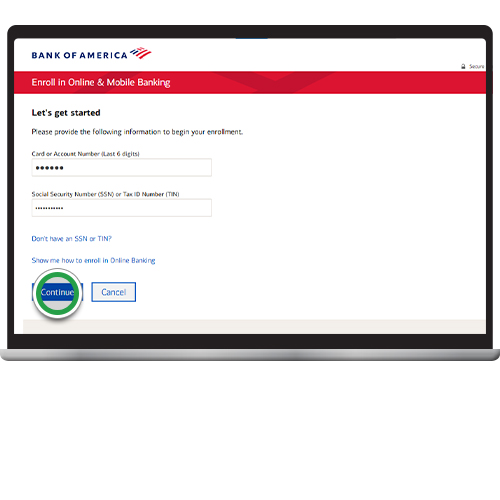
Step-by-Step Guide to Closing via Chat or Mobile App
If you prefer a more interactive digital experience, the live chat feature—often available during standard business hours—can be a powerful tool. When connected with a representative:
-
Identity Verification: Be prepared to answer security questions to prove ownership of the account.
-
State Your Intent: Clearly communicate that you are looking to close the account, not just resolve a technical issue.
-
Confirm Zero Balance: The representative will check if there are any pending items. If the balance is exactly zero, they can often process the closure in real-time.
-
Request Confirmation: Always ask for a reference number for the chat session and a confirmation email regarding the account status.
Requirements for Account Closure Eligibility
Not all accounts can be closed strictly through the online portal. For instance, if you hold a joint account, some institutions require the consent of both parties, which might necessitate a signed document uploaded through the secure portal rather than a simple message. Additionally, if the account has been inactive for an extended period (dormant status), you may need to reactivate it with a small deposit before it can be formally closed. Understanding these nuances prevents the frustration of a rejected closure request.
Post-Closure Steps and Strategic Financial Transitioning
Closing the account is a significant milestone, but your responsibilities do not end once the digital dashboard shows the account as “Closed.” The transition period is a critical time for your personal finance health, requiring diligent monitoring to ensure the legacy of the old account does not haunt your new financial setup.
Documenting the Closure for Your Records
Once Bank of America confirms the closure, you should receive a final statement or a formal letter via mail or your digital document center. Save this document. It serves as proof that the account was closed in good standing. In the rare event that a “zombie charge” (a recurring charge that hits a closed account) occurs, this documentation is your primary defense against the bank reopening the account or charging you an overdraft fee.
Managing the Final Distribution of Funds
If you did not transfer every cent out before closing, Bank of America will typically mail a check for the remaining balance to the address they have on file. It is imperative to ensure your contact information is updated before you hit “submit” on your closure request. Once you receive the check, deposit it immediately into your new account to ensure your capital continues to work for you, whether in a high-yield savings account or a diversified investment portfolio.
Identifying the Best New Financial Tool for Your Needs
Moving away from a traditional “Big Four” bank often opens the door to more lucrative financial tools. When transitioning, consider the following niches:
-
High-Yield Savings Accounts (HYSA): Many online-only banks offer interest rates significantly higher than the national average, allowing your emergency fund to grow at a faster pace.
-
Credit Unions: These member-owned institutions often offer lower loan rates and a more personalized approach to customer service.
-
Fintech Platforms: For those focused on online income or side hustles, specialized business platforms can offer better integration with accounting software and lower international transaction fees.
Common Challenges and Professional Solutions During the Exit Process
Even with a meticulous plan, the process of closing a large-scale bank account can encounter friction. Being aware of potential hurdles allows you to navigate them without emotional or financial stress.
Dealing with Early Account Closure Fees
Some accounts at major banks carry an “early closure fee” if they are shuttered within a short timeframe after being opened (often 90 to 180 days). If you are closing an account shortly after opening it—perhaps because the features did not meet your expectations—check the fee schedule. In some cases, it may be more cost-effective to keep a minimum balance in the account until the fee window expires.
Overcoming Technical Barriers in the App vs. Web Portal
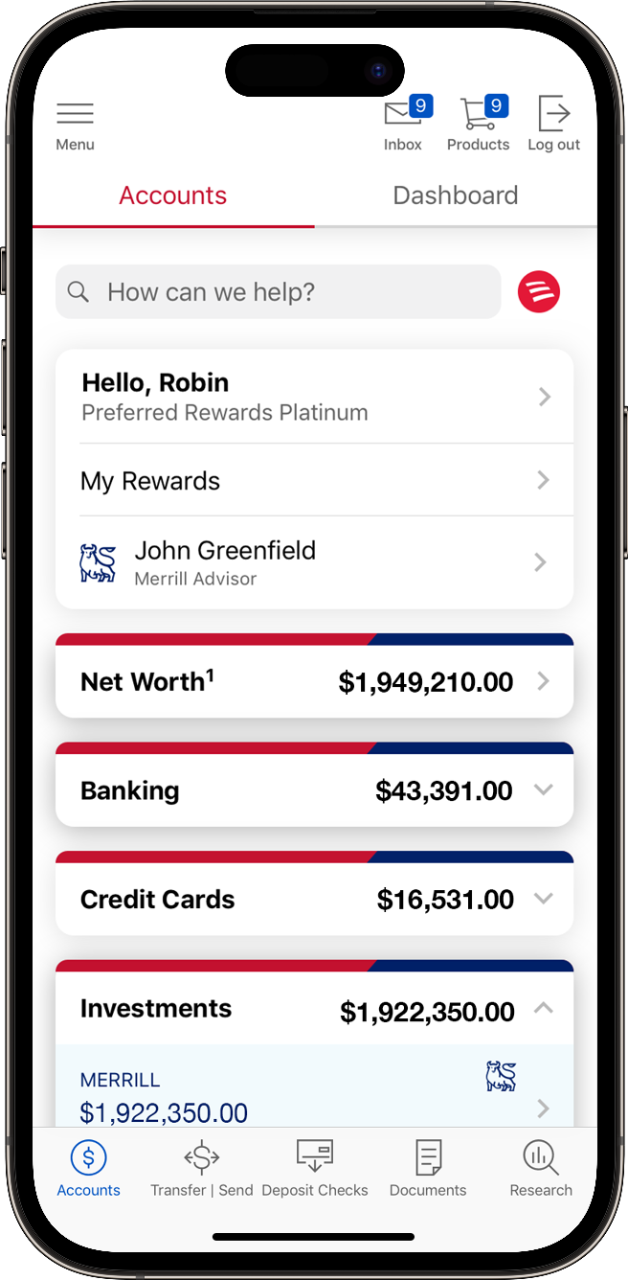
While the Bank of America mobile app is highly functional for daily tasks, the full web portal often provides more robust options for account management and secure messaging. If you find that the mobile app limits your ability to send attachments or access specific help menus, switch to a desktop browser. This ensures you have access to the full suite of “Help & Support” features necessary for account termination.
Protecting Your Credit Score During Bank Transitions
A common misconception is that closing a checking or savings account will negatively impact your credit score. Since these are deposit accounts and not credit lines, closing them does not affect your credit utilization or payment history. However, the caveat is ensuring that no “orphaned” bills are left unpaid. If a utility company attempts to pull from a closed Bank of America account and the payment fails, they may eventually send that debt to a collection agency, which will damage your credit. This highlights the absolute necessity of the “audit” phase mentioned earlier.
By treating the closure of your Bank of America account as a professional administrative task, you ensure that your transition to a new financial partner is seamless. In the world of personal finance, the ability to move your money to where it is treated best is a fundamental right and a savvy business move. With the right digital steps, you can close your account with confidence and focus on your broader financial goals.
aViewFromTheCave is a participant in the Amazon Services LLC Associates Program, an affiliate advertising program designed to provide a means for sites to earn advertising fees by advertising and linking to Amazon.com. Amazon, the Amazon logo, AmazonSupply, and the AmazonSupply logo are trademarks of Amazon.com, Inc. or its affiliates. As an Amazon Associate we earn affiliate commissions from qualifying purchases.