
In an increasingly digital financial landscape, where transactions happen with a tap and statements arrive via email, the concept of a physical bank branch might seem less central than it once was. Yet, for many individuals and businesses, understanding “what is my bank branch” remains a critical piece of financial literacy. Your bank branch is more than just a physical address; it’s a specific operational unit within your financial institution, a hub for personalized service, and a vital touchpoint for numerous financial activities that digital channels alone cannot fully replace. This article delves into the profound importance of your bank branch, how to identify it, and how to leverage its services for robust financial management, all within the context of personal and business finance.
The Indispensable Role of Your Bank Branch in Personal Finance
While mobile apps and online portals offer unparalleled convenience, the specific branch where your primary accounts are held, or even just your nearest operational branch, holds significant weight in your financial journey. It serves as an anchor, providing a physical presence for complex issues, specialized services, and a deeper relationship with your financial institution.
Defining Your Bank Branch: More Than Just a Location
At its core, your bank branch refers to a specific, identifiable office or location of your bank where you can conduct banking transactions and access various services. Each branch typically operates with its own unique identifier, often influencing certain account numbers, routing information, and even the staff assigned to your account. For many, their “bank branch” is the one where they initially opened their account, forming a foundational link to their financial institution. However, it can also refer to the most convenient local branch you frequent, or the main branch of your financial institution in a given region. Understanding this distinction is crucial for effective financial management.
Why Knowing Your Branch Matters: Practical Financial Implications
The importance of knowing your specific bank branch extends far beyond simple geographic awareness. Practically, this information is often required for:
-
Account Opening and Management: While many basic accounts can be opened online, complex accounts, business accounts, or those requiring specific documentation often necessitate a visit to a branch.
-
Loan and Mortgage Applications: Discussing and finalizing significant loans like mortgages, auto loans, or personal loans frequently involves face-to-face meetings with loan officers at a branch.
-
Complex Transactions: Large cash deposits/withdrawals, certified checks, wire transfers, or international remittances often require branch-level authorization or specialized handling.
-
Dispute Resolution: For complicated billing errors, fraudulent activity, or account discrepancies, working directly with a branch manager or customer service representative in person can expedite resolution and provide clarity.
-
Estate Planning and Probate: In the unfortunate event of a family member’s passing, their specific bank branch will be a critical point of contact for managing their estate, accessing accounts, and handling probate matters.
-
Business Banking: Businesses often have dedicated relationship managers at a specific branch who understand their operational needs, cash flow cycles, and financing requirements, offering tailored advice and solutions.
Regulatory and Security Considerations: Essential for Compliance and Safety
Beyond convenience and service, knowing your bank branch is also critical for regulatory compliance and enhancing financial security. Financial institutions are heavily regulated, and specific branches often fall under particular regional or national regulatory frameworks. This can impact certain product offerings, interest rates, and operational procedures.
From a security standpoint, if you ever suspect unauthorized activity on your account, knowing your branch provides a direct, verifiable point of contact. While general customer service lines are available, interacting with staff at your specific branch can sometimes offer a more personalized and secure channel for resolving sensitive issues, as they may have direct access to your account history and can quickly verify your identity. Furthermore, for anti-money laundering (AML) and Know Your Customer (KYC) regulations, branches play a vital role in verifying identities and transactions, making their specific records and operational protocols integral to financial integrity.
Navigating the Modern Landscape: Identifying Your Bank Branch Information
In today’s multi-channel banking environment, finding your bank branch information is typically straightforward, leveraging both traditional and digital avenues. The method you choose might depend on the urgency of your need and your personal banking habits.
Traditional Methods: Account Statements and Passbooks
For many years, the most reliable way to find your bank branch information was through physical documents. Your monthly or quarterly paper account statements almost always list the address and sometimes a specific branch code or routing number associated with your account’s primary branch. Similarly, if you still use a passbook for savings accounts, the branch name and address are usually printed on its initial pages. Even checkbooks often have the branch information (or at least the bank’s main corporate address) subtly printed alongside your account number. Keeping these physical records organized can be a simple, non-digital backup for essential information.
Digital Pathways: Online Banking and Mobile Apps
The most common and convenient methods for identifying your bank branch today are through your bank’s online banking portal or mobile app.
-
Online Banking: After logging into your bank’s website, navigate to your account details. Often, under “Account Summary,” “Account Information,” or “Profile,” you will find details about your primary branch, including its address and sometimes a branch ID or code. Some banks even have a dedicated “Branch Locator” tool that can pinpoint your closest branch or allow you to search for specific locations.
-
Mobile Apps: Most modern banking apps include a similar “Account Details” section where branch information is readily available. Additionally, many apps feature an integrated “Branch/ATM Locator” function that uses your device’s GPS to show nearby branches and their operating hours, contact information, and sometimes even specific services offered. This is particularly useful when you need to find any branch of your bank, not just your primary one.
Direct Contact: Calling Customer Service
If you’re unable to find the information through digital or physical documents, a direct call to your bank’s customer service line is always an option. After verifying your identity (which will typically involve personal questions or verification codes), a representative can provide you with the address and any specific identifying codes for your branch. This method is especially useful if you’re traveling or have lost access to your usual banking methods.
Understanding Branch vs. Routing Numbers: Differentiating Crucial Identifiers
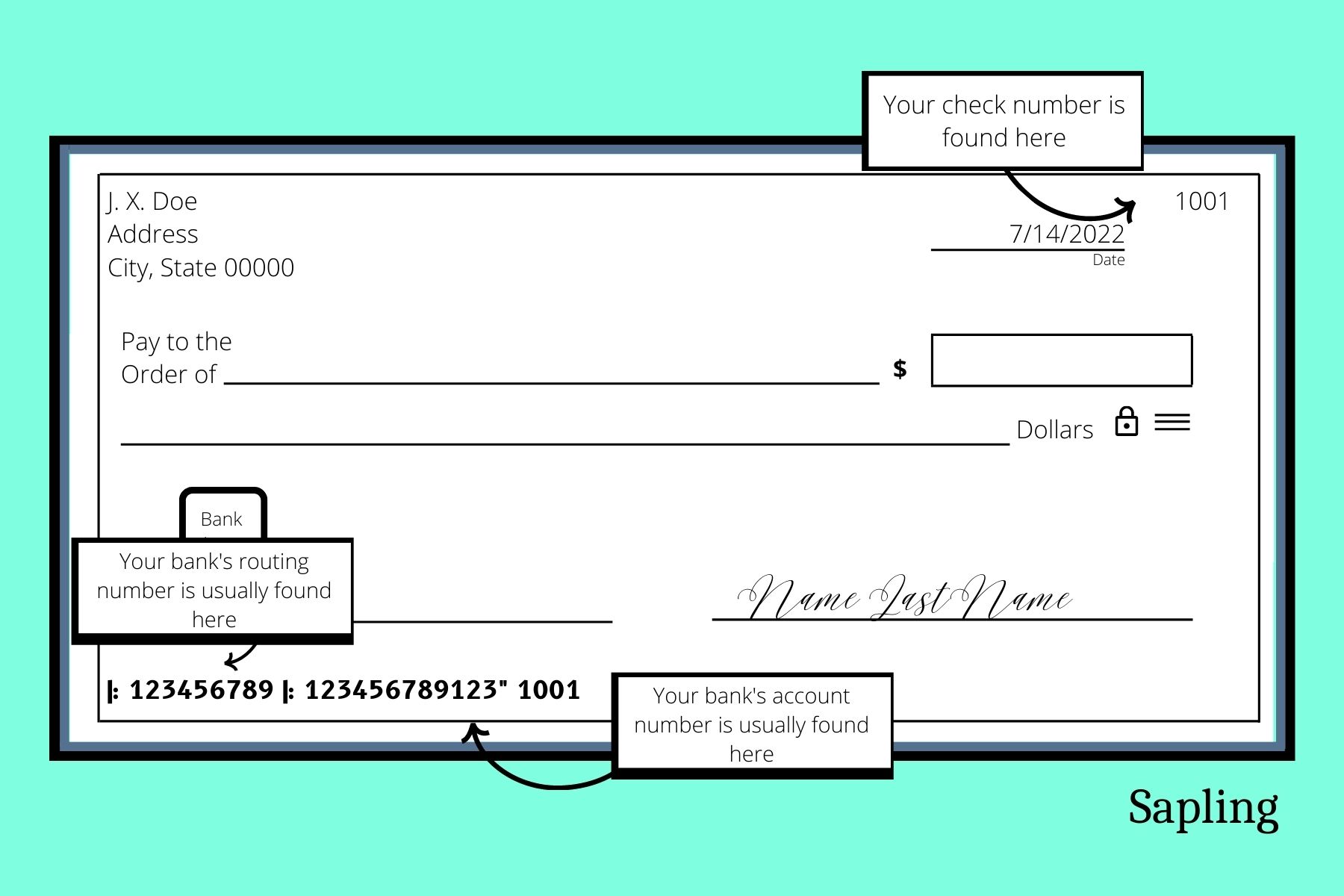
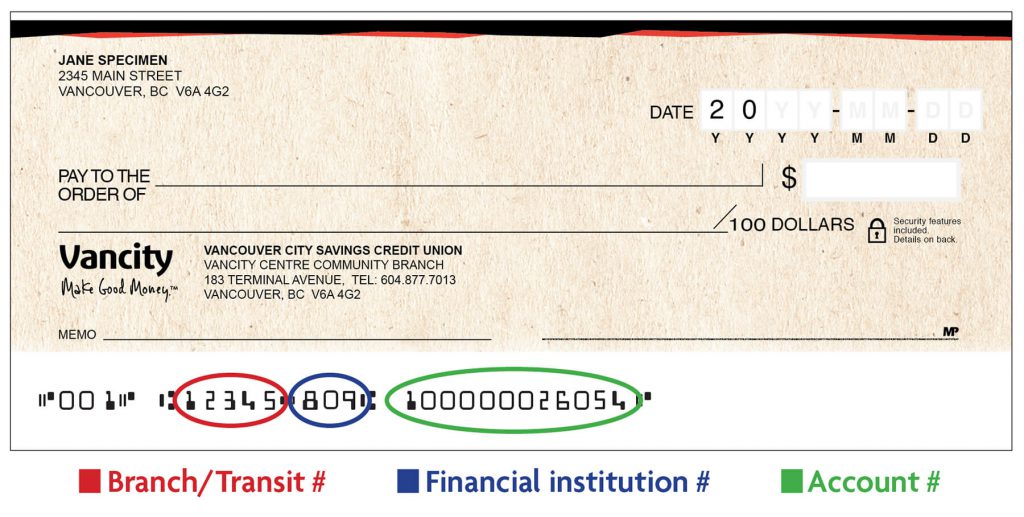
It’s important to distinguish between your bank branch and your bank’s routing number. While your branch is a specific physical location, a routing number (also known as an ABA routing number) is a nine-digit code that identifies your bank or credit union in a financial transaction, particularly for checks, electronic transfers (ACH), and wire transfers. A single bank can have multiple routing numbers, often assigned geographically or to different types of accounts/services. Conversely, a single routing number can cover multiple branches within a region. While your branch information helps locate your physical point of contact, the routing number is critical for directing funds electronically to the correct financial institution. Your account number, along with the routing number, then ensures the funds reach your specific account.
Beyond Basic Transactions: Comprehensive Services Your Branch Offers
While the convenience of digital banking has streamlined routine tasks, bank branches continue to be crucial hubs for a vast array of services that require a personal touch, expert advice, or secure physical infrastructure. Leveraging these services can significantly enhance your financial well-being.
Personalized Financial Guidance: From Loans to Investments
One of the most valuable aspects of a bank branch is access to personalized financial guidance. Branch managers, loan officers, and financial advisors are often available for one-on-one consultations.
-
Loan Counseling: Whether you’re considering a mortgage, a personal loan, or a business loan, speaking with a loan officer at your branch allows you to discuss your specific financial situation, understand different loan products, and get tailored advice. They can help you navigate the application process, explain terms and conditions, and explore options that best fit your budget and goals.
-
Investment Advisory: Many banks offer basic investment services, from setting up retirement accounts (IRAs, 401(k)s) to discussing mutual funds or brokerage services. A branch-based financial advisor can help assess your risk tolerance, investment goals, and time horizon to recommend suitable products.
-
Budgeting and Financial Planning: Some branches provide services to help customers develop budgets, understand credit reports, improve credit scores, or plan for major life events like college education or retirement. This human interaction can be invaluable for those seeking to improve their financial literacy and strategy.
Specialized Account Management: Handling Complex Financial Situations
For situations beyond simple deposits and withdrawals, your branch offers specialized account management capabilities:
-
Estate Accounts: Setting up and managing accounts for an estate after a loved one’s passing requires specific documentation and often in-person guidance from branch staff experienced in probate processes.
-
Trust Accounts: Establishing and administering trust accounts for beneficiaries or specific financial purposes typically involves detailed discussions and legal documentation that are best handled with the direct support of a branch.
-
Business Account Services: Businesses often require more complex services such as merchant services, payroll solutions, lines of credit, and cash management tools. Branch relationship managers specialize in understanding these needs and providing integrated solutions that digital platforms alone might not fully support.
Safe Deposit Boxes and Notary Services: Value-Added Physical Security
Bank branches provide unique physical services that digital banking cannot replicate:
-
Safe Deposit Boxes: For valuable documents (deeds, birth certificates, wills), jewelry, or sentimental items that need secure storage away from home, safe deposit boxes offer a robust, fireproof, and theft-resistant solution available only through a physical branch.
-
Notary Public Services: Many branches offer free or low-cost notary services to customers. A notary public authenticates signatures on legal documents, which is often required for real estate transactions, power of attorney, and other important agreements.
International Transfers and Currency Exchange: Global Financial Reach
While online platforms offer international transfers, the branch provides crucial support for complex cross-border financial needs:
-
Wire Transfers: For large international money transfers that require specific verification and often higher security protocols, initiating a wire transfer at a branch offers an additional layer of assurance and expert guidance on exchange rates and fees.
-
Currency Exchange: If you’re traveling internationally and need foreign currency, your bank branch is often the most convenient and secure place to exchange currency, often at better rates than airport kiosks. For businesses engaged in international trade, a branch can provide more specialized foreign exchange services.
Optimizing Your Financial Journey Through Effective Branch Interaction
Understanding and effectively utilizing your bank branch can significantly enhance your overall financial management, allowing you to bridge the gap between digital convenience and personal expertise.
Building Relationships with Branch Staff: The Human Element in Finance
In an age of automated customer service, cultivating a relationship with the staff at your primary bank branch can be a significant financial asset. When you’re a familiar face, branch employees often go the extra mile to assist you, understand your financial history, and provide more personalized solutions. This human connection is especially beneficial when you face unique financial challenges, need exceptions made, or require urgent assistance that might get lost in a generic call center queue. A good relationship with a branch manager or personal banker can translate into faster service, better advice, and a more comfortable banking experience.
Strategic Use of Branch Visits: When to Go, When to Use Digital
The key to optimal banking lies in strategically choosing between digital channels and branch visits.
-
Use Digital for Routine Tasks: For simple tasks like checking balances, paying bills, transferring funds between your own accounts, depositing checks via mobile, or setting up automated payments, digital banking (online portals and mobile apps) is almost always faster and more convenient.
-
Visit the Branch for Complex or Sensitive Issues: Reserve your branch visits for transactions or discussions that benefit from face-to-face interaction. This includes applying for loans, opening new types of accounts, resolving complex errors, getting notary services, accessing safe deposit boxes, discussing investment strategies, or making large cash transactions. By doing so, you maximize the efficiency of digital tools while preserving the specialized benefits of human interaction at the branch.
Resolving Complex Financial Issues: Branch as a Problem-Solving Hub
When you encounter significant financial hurdles – such as identity theft, major discrepancies in your statements, or needing to modify loan terms due to hardship – your bank branch often serves as the most effective problem-solving hub. Branch managers and specialized staff are equipped to investigate issues, access detailed account histories, and provide immediate, localized support. Unlike a general customer service line that might only offer standardized responses, a branch can often provide a dedicated point of contact who can follow through on complex resolutions, acting as your advocate within the larger institution. This direct, accountable interaction is invaluable during stressful financial situations.
The Evolving Branch: Relevance in a Digital-First Financial World
The role of the bank branch is undoubtedly evolving. Many financial institutions are optimizing their branch networks, reducing the number of purely transactional branches and transforming others into advice-centric hubs. Yet, even in this digital-first era, the physical branch remains remarkably relevant, adapting its purpose rather than disappearing.
The Hybrid Banking Model: Blending Digital Convenience with Physical Presence
The future of banking is increasingly a hybrid model, where digital platforms handle high-volume, low-complexity transactions, and branches focus on higher-value interactions. “Smart branches” are emerging, equipped with advanced ATMs, video tellers, and comfortable spaces for consultations with financial advisors. This model aims to offer the best of both worlds: the speed and accessibility of digital banking for everyday needs, combined with the personalized expertise and physical security of a branch for more significant financial decisions and life events. Customers benefit from choice and flexibility, empowering them to manage their money in the way that best suits their needs at any given moment.
Future-Proofing Your Financial Relationship: Adapting to Change
As banking continues to evolve, understanding the changing role of your branch helps you future-proof your financial relationship. Banks are investing in technology to enhance the branch experience, making appointments easier, providing more interactive tools, and streamlining in-person processes. By staying informed about your bank’s branch strategy – whether they are consolidating, renovating, or introducing new services – you can adapt how you interact with your financial institution and ensure you’re always leveraging the most effective channels for your specific financial tasks. This proactive approach ensures your financial management remains robust and responsive to new innovations.

When a Physical Branch Remains Critical: Scenarios Where Digital Isn’t Enough
Despite the allure of purely digital banking, certain financial scenarios still render the physical branch critical:
-
Large Cash Transactions: Depositing or withdrawing significant sums of cash often requires a teller and specific branch procedures for security and verification.
-
Specialized Documents: Notary services, medallion signatures, or accessing safe deposit boxes inherently require a physical presence.
-
Complex Problem Resolution: For fraud, identity theft, or significant account discrepancies, the nuanced discussion and direct support from a branch manager are often indispensable.
-
Major Life Events: Discussing mortgages, retirement planning, estate management, or complex business financing often benefits from a face-to-face conversation with a trusted advisor.
-
Digital Divide: For individuals who are less technologically inclined or lack reliable internet access, the physical branch remains their primary access point for financial services.
In conclusion, “what is my bank branch” is not a trivial question. It points to a fundamental component of your financial ecosystem. While digital tools have revolutionized daily banking, the bank branch continues to serve as an indispensable pillar for personalized financial guidance, secure specialized services, and critical problem resolution. By understanding its role, knowing how to identify it, and strategically leveraging its offerings, you empower yourself to achieve a more comprehensive, secure, and well-managed financial life.
aViewFromTheCave is a participant in the Amazon Services LLC Associates Program, an affiliate advertising program designed to provide a means for sites to earn advertising fees by advertising and linking to Amazon.com. Amazon, the Amazon logo, AmazonSupply, and the AmazonSupply logo are trademarks of Amazon.com, Inc. or its affiliates. As an Amazon Associate we earn affiliate commissions from qualifying purchases.