
The world of chess, a timeless game of strategy and intellect, has its own intricate system of titles and rankings. For enthusiasts, the abbreviation “CM” is often encountered, sparking curiosity about its meaning. This article delves into what a CM in chess signifies, exploring its origins, the path to achieving it, and its relevance in today’s technologically driven landscape. We’ll also consider how the principles of chess titles can translate into broader concepts within technology, branding, and finance.
Understanding Chess Titles: A Hierarchical System
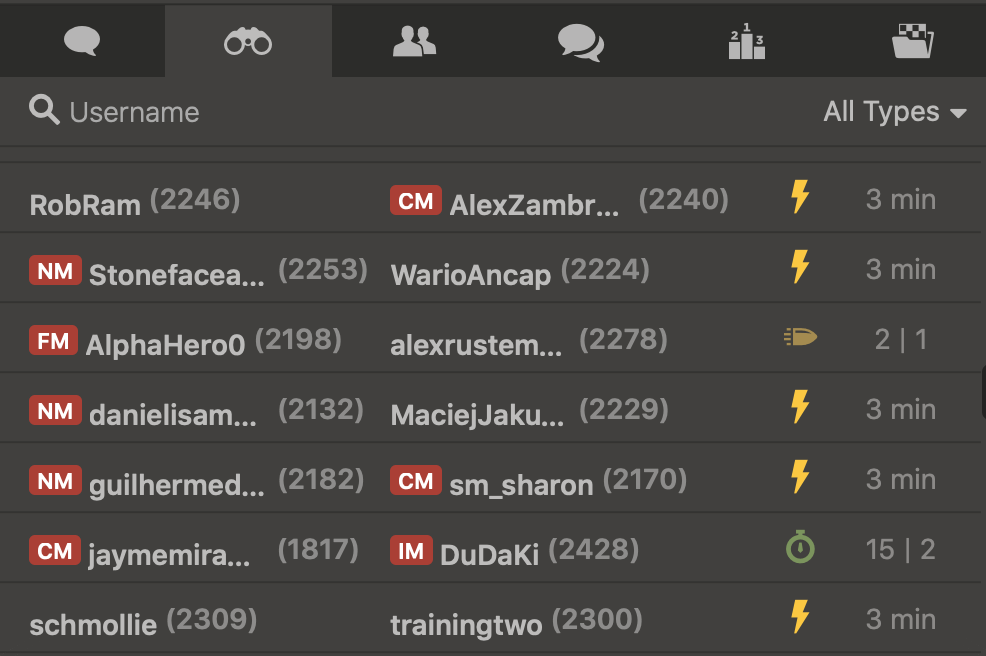
Chess titles are not merely cosmetic accolades; they represent a significant level of skill and dedication. Awarded by the International Chess Federation (FIDE), these titles denote a player’s established mastery over the game. The hierarchy of titles, from highest to lowest, generally includes Grandmaster (GM), International Master (IM), FIDE Master (FM), and Candidate Master (CM).
The Genesis of Chess Titles
The concept of formal chess titles emerged to recognize and standardize the achievements of top players. Before formal titles, players earned prestige through strong tournament performances and public recognition. As chess grew in popularity and organization, the need for a standardized system became apparent. FIDE, established in 1924, eventually became the governing body responsible for awarding these prestigious titles. The introduction of titles like CM provided a stepping stone for aspiring masters and acknowledged a strong, albeit not yet elite, level of play.
Candidate Master (CM): The Entry-Level Master Title
The Candidate Master (CM) title is the lowest of the FIDE-recognized master titles. While it signifies a high level of chess proficiency, it’s often seen as the first rung on the ladder towards more esteemed titles like FM, IM, and GM. To earn the CM title, a player typically needs to achieve a FIDE rating of at least 2200. This rating must be achieved in official FIDE-rated tournaments, and players often need to maintain this rating for a certain period or achieve specific performance standards in multiple tournaments.
The Rating System: The Foundation of Title Attainment
The FIDE rating system is a mathematical engine that quantifies a player’s strength. It’s a dynamic system where wins, losses, and draws against opponents with different ratings influence a player’s score. A higher rating indicates a stronger player. Achieving a rating of 2200 for the CM title means a player consistently performs better than the vast majority of active chess players. This requires a deep understanding of chess openings, middlegame strategy, endgame technique, and tactical calculation. It’s a testament to thousands of hours of study, practice, and competitive play.
Beyond the Rating: Tournament Performance and Norms
While the 2200 rating is a primary requirement, earning a CM title often involves more than just reaching that number. FIDE regulations might also require players to achieve specific “norms” – exceptional performances in designated tournaments where they play against titled players and achieve a certain score. These norms demonstrate a player’s ability to perform at a master level even under pressure and against strong opposition. This ensures that the title is earned through consistent excellence, not just a temporary surge in rating.
The Journey to Becoming a Candidate Master
The path to becoming a Candidate Master is a demanding one, requiring a combination of innate talent, rigorous training, and unwavering dedication. It’s a journey that mirrors the pursuit of excellence in many other fields.
Developing Chess Skills: From Novice to Master
The initial stages of a chess player’s development involve learning the basic rules, piece movements, and fundamental checkmating patterns. As players progress, they delve into tactical motifs, positional understanding, and strategic planning. This requires a systematic approach to learning, often involving:
- Study of Chess Literature: Reading books on openings, middlegames, endgames, and tactical puzzles.
- Analysis of Master Games: Studying the games of strong players to understand their decision-making processes.
- Tactical Training: Solving countless chess puzzles to sharpen calculation and pattern recognition.
- Playing Practice Games: Regularly playing against opponents of varying strengths, both online and over-the-board.
- Coaching and Mentorship: Seeking guidance from experienced coaches who can identify weaknesses and provide tailored training plans.
The journey to a 2200 rating is not linear. It involves overcoming plateaus, learning from defeats, and adapting one’s approach as they encounter different styles of play.

The Competitive Chess Landscape
To achieve a FIDE rating and eventually the CM title, players must participate in FIDE-rated tournaments. These events are held globally and attract players of all levels. The experience of competing in tournaments is invaluable for several reasons:
- Exposure to Strong Opposition: Playing against higher-rated players is crucial for rating improvement and understanding the demands of master-level chess.
- Developing Tournament Experience: Learning to manage time, handle pressure, and maintain focus over multiple games in a tournament setting.
- Earning Rating Points: Every game played in a FIDE-rated tournament contributes to a player’s rating.
- Opportunity for Norms: Certain tournaments are specifically designated for players to achieve title norms.
The competitive chess landscape is a proving ground where dedication is tested, and skill is honed against the best.
The Relevance of Chess Titles in the Digital Age
While chess titles are rooted in a traditional game, their underlying principles and the journey to achieving them have surprising parallels and applications in the modern, digitally-driven world.
Tech: From Algorithm Mastery to AI Expertise
In the realm of technology, titles and certifications often signify expertise. Just as a CM has proven a certain level of chess mastery, individuals in tech can attain recognition through various means:
- Software Development: While there aren’t direct FIDE-like titles, proficiency in coding languages, frameworks, and architectural design is often demonstrated through portfolios, contributions to open-source projects, and rigorous technical interviews. Companies might offer internal certifications or recognize external ones like AWS Certified Solutions Architect or Microsoft Certified: Azure Administrator.
- AI and Machine Learning: The rapid advancement of AI has created a demand for specialized knowledge. Advanced degrees in AI, published research, and successful implementation of machine learning models are akin to achieving master titles in chess. The ability to develop and deploy sophisticated AI tools, understand complex algorithms, and interpret data effectively requires a level of dedication and problem-solving akin to a chess master’s skill.
- Digital Security: Cybersecurity professionals often hold certifications like CISSP (Certified Information Systems Security Professional) or CompTIA Security+. These credentials validate a deep understanding of security principles, threat assessment, and mitigation strategies, mirroring the rigorous training required for chess titles.
The concept of a “rating” also exists in tech, often through peer reviews, contribution scores on platforms like GitHub, or performance metrics in coding challenges. Achieving a high “rating” in any of these technological domains, much like a CM title in chess, signifies a strong command of the subject matter and the ability to tackle complex challenges.
Brand: Building a Reputation and Establishing Authority
The principles behind chess titles—dedication, consistent performance, and established expertise—are directly applicable to branding, both personal and corporate.
- Personal Branding: An individual building a personal brand strives to be recognized as an authority in their field. This is achieved through consistent content creation, thought leadership, speaking engagements, and demonstrable expertise. A well-respected thought leader in marketing or design, for example, has earned a form of “title” through their consistent contributions and the reputation they’ve built, much like a CM has earned their title through consistent high-level play.
- Corporate Identity and Reputation: Companies invest heavily in building a strong brand identity and a positive reputation. This is achieved through delivering quality products or services consistently, effective marketing campaigns, excellent customer service, and ethical business practices. A company known for its innovative software or exceptional customer support has, in essence, earned a “title” of excellence within its industry. This requires strategic planning, consistent execution, and a long-term vision, mirroring the strategic depth required in chess.
- Case Studies and Testimonials: These serve as the “performance metrics” for brands, analogous to tournament results and rating points for chess players. A compelling case study showcasing successful project delivery is a testament to a brand’s capability and can be seen as a step towards earning a recognized “title” of expertise in a specific area.
Money: Investing in Expertise and Financial Acumen
The world of finance also benefits from the concept of earned expertise, often represented by certifications and proven track records.
- Personal Finance and Investing: While there aren’t formal “titles” like CM in personal finance, achieving a high level of financial literacy and investment success is a direct result of diligent learning and practice. Understanding complex investment strategies, managing risk effectively, and achieving consistent returns requires a deep understanding of market dynamics, economic principles, and behavioral finance. Individuals who consistently make sound financial decisions and grow their wealth can be considered “masters” of their financial domain.
- Financial Tools and Certifications: Professionals in finance often pursue certifications like CFA (Chartered Financial Analyst) or CFP (Certified Financial Planner). These are rigorous programs that validate a high level of knowledge and ethical conduct in financial planning and investment management. Earning these certifications is a structured path to establishing credibility and demonstrating expertise, much like a chess player’s journey to a FIDE title.
- Online Income and Side Hustles: For those venturing into online income streams or side hustles, success often hinges on developing specialized skills. Whether it’s mastering SEO for digital marketing, becoming adept at content creation, or developing a unique craft for e-commerce, achieving a consistent and significant income requires a deep dive into a specific area. The “rating” of success here is often measured by profitability, client satisfaction, and the scalability of the venture, all of which are products of honed expertise.
Conclusion: Titles as Milestones in the Pursuit of Mastery
In conclusion, “CM” in chess stands for Candidate Master, an esteemed title awarded by FIDE to players who have demonstrated a high level of chess skill, typically by achieving a FIDE rating of 2200 and meeting other performance criteria. The journey to becoming a CM is one of dedication, study, and competitive engagement, demanding a robust understanding of chess strategy and tactics.
Beyond the chessboard, the concept of earning a “title” or recognized level of expertise through sustained effort and proven ability resonates deeply across technology, branding, and finance. Whether it’s mastering a complex AI algorithm, building a powerful personal brand, or achieving financial independence through astute investment, the underlying principle remains the same: dedication to learning, consistent practice, and the pursuit of excellence pave the way for recognition and mastery. The CM title, in its own right, serves as a powerful symbol of achievement and a stepping stone for future triumphs, both on and off the board.
aViewFromTheCave is a participant in the Amazon Services LLC Associates Program, an affiliate advertising program designed to provide a means for sites to earn advertising fees by advertising and linking to Amazon.com. Amazon, the Amazon logo, AmazonSupply, and the AmazonSupply logo are trademarks of Amazon.com, Inc. or its affiliates. As an Amazon Associate we earn affiliate commissions from qualifying purchases.