
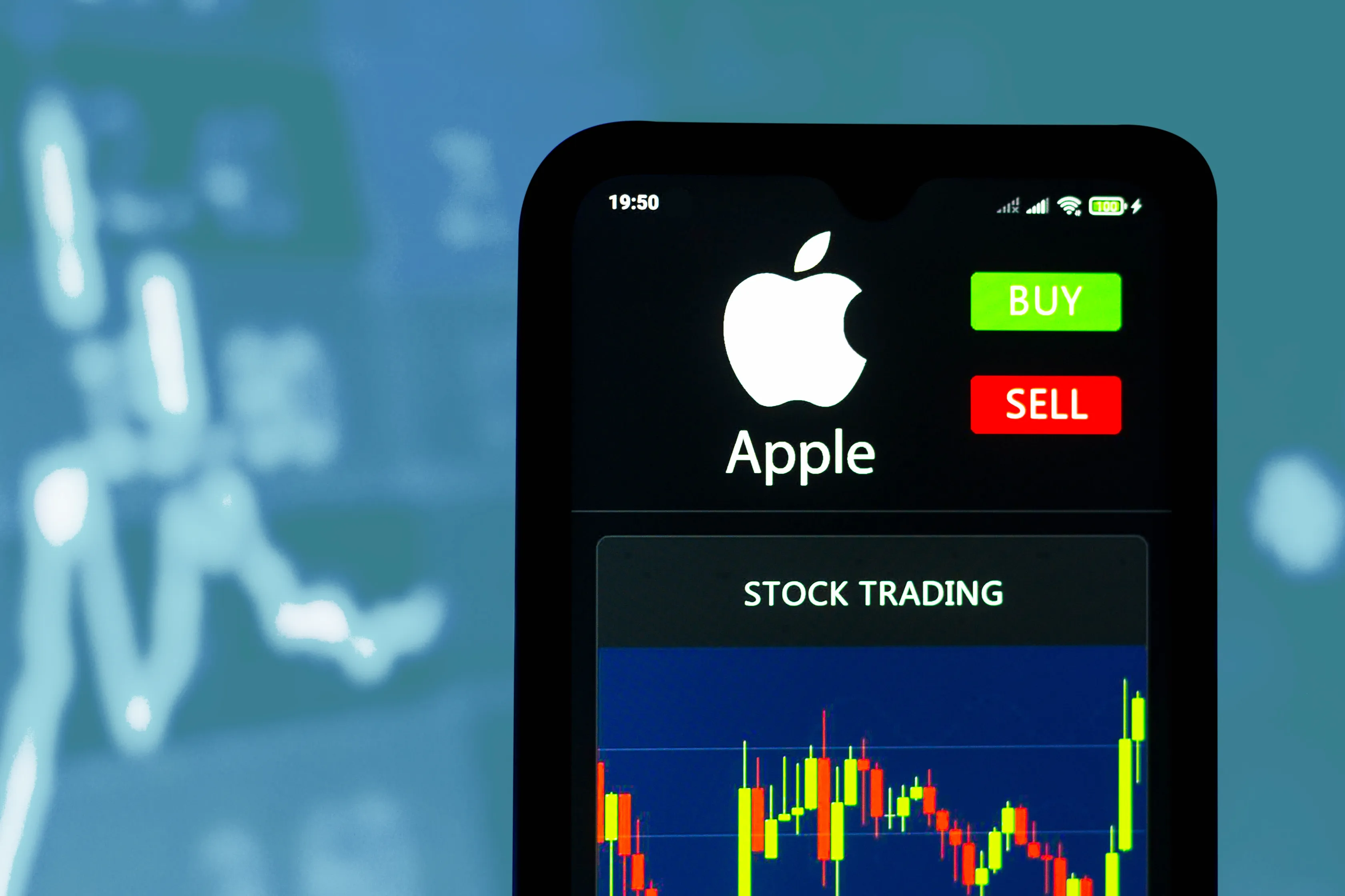
Investing in Apple Inc. (AAPL) represents more than just a bet on a popular smartphone; it is an entry into one of the most sophisticated financial ecosystems in history. As the first company to hit a $3 trillion market capitalization, Apple has evolved from a hardware manufacturer into a dominant force in services, wearables, and financial technology. For the individual investor, the process of buying Apple stocks is straightforward, yet it requires a strategic understanding of market mechanics, brokerage tools, and personal financial goals. This guide outlines the essential steps to transition from a consumer to a shareholder.
Establishing Your Investment Infrastructure
Before you can own a piece of the world’s most valuable brand, you must establish the professional framework necessary to facilitate the transaction. In the modern era, the barrier to entry for the stock market is at an all-time low, but the choice of platform remains a critical decision for your long-term financial health.
Selecting the Right Brokerage Firm
The first step is opening a brokerage account. Your choice should depend on your level of experience and your specific financial needs.
-
Full-Service Brokers: For those seeking personalized financial advice and comprehensive wealth management, firms like Morgan Stanley or Charles Schwab offer human advisors and in-depth research reports. These typically come with higher fees or account minimums.
-
Discount and Online Brokers: Platforms such as Fidelity, Vanguard, and E*TRADE provide robust tools for self-directed investors. They offer zero-commission trades on stocks and ETFs, making them ideal for the cost-conscious investor.
-
Mobile-First Apps: Applications like Robinhood or Public have revolutionized access for retail investors. They are user-friendly and often support fractional shares, which allow you to buy a portion of an Apple share if the full price exceeds your current budget.
Choosing Your Account Type
When you register with a broker, you must decide between a taxable brokerage account and a tax-advantaged retirement account. A standard taxable account offers the most flexibility, allowing you to withdraw funds at any time, though you will owe capital gains taxes on your profits. Conversely, an Individual Retirement Account (IRA) or a Roth IRA offers significant tax benefits but limits your ability to withdraw funds before retirement age. If your goal is long-term wealth accumulation, utilizing a Roth IRA to hold Apple stock can be a powerful move, as qualified withdrawals are tax-free.
Analyzing Apple (AAPL) as a Financial Asset
Buying a stock without understanding the underlying business is speculation, not investing. Before executing a trade, you must evaluate Apple through the lens of fundamental analysis to ensure it aligns with your portfolio’s risk profile.
The Power of the Ecosystem and Cash Flow
Apple’s primary strength lies in its “sticky” ecosystem. Once a consumer enters the iOS environment through an iPhone, the switching costs—both psychological and financial—become high. This creates a recurring revenue stream through the Services segment, which includes the App Store, iCloud, Apple Music, and Apple Pay.
From a financial standpoint, Apple is a “cash cow.” The company consistently generates massive free cash flow, which it uses to fund research and development, pay dividends, and execute aggressive share buyback programs. Share buybacks are particularly beneficial for investors because they reduce the total number of shares outstanding, effectively increasing your ownership stake and earnings per share without you having to spend an extra dime.
Key Metrics to Monitor
When reviewing Apple’s quarterly earnings reports, pay close attention to the following indicators:
-
Price-to-Earnings (P/E) Ratio: This measures the stock’s current share price relative to its per-share earnings. Comparing Apple’s P/E to its historical average and to competitors like Microsoft or Google helps determine if the stock is overvalued or undervalued.
-
Dividend Yield: While Apple is primarily a growth-and-value hybrid, it pays a quarterly dividend. While the yield may be lower than traditional utility stocks, the company has a history of consistently increasing its payout.
-
Gross Margin: Apple’s ability to maintain high margins on its hardware despite inflationary pressures is a testament to its pricing power and brand loyalty.
Executing the Trade: A Step-by-Step Process
Once your account is funded and your research is complete, you are ready to place an order. The mechanics of the trade are simple, but the terminology is vital for ensuring you get the price you want.

Navigating the Order Screen
Log into your brokerage platform and search for the ticker symbol: AAPL. You will be presented with a quote showing the “Bid” (the highest price a buyer is willing to pay) and the “Ask” (the lowest price a seller is willing to accept). To buy the stock, you will choose between several order types:
-
Market Order: this instruction tells the broker to buy the stock immediately at the best available current price. While it guarantees the trade will happen, you might pay slightly more than the last quoted price in a volatile market.
-
Limit Order: This allows you to set a maximum price you are willing to pay. For example, if Apple is trading at $190 but you only want to pay $185, your order will only execute if the price drops to that level. This offers price protection but no guarantee of execution.
-
Fractional Shares: If Apple is trading at $200 per share and you only have $50 to invest, many modern brokers allow you to purchase 0.25 shares. This is an excellent way for beginners to start “dollar-cost averaging” into a position.
Funding and Timing
Ensure your brokerage account has sufficient “settled funds” to cover the purchase. Most brokers allow for instant deposits, but larger transfers via ACH can take 1–3 business days. Regarding timing, many experts suggest avoiding the first and last 30 minutes of the trading day, as these periods often see the highest volatility and widest spreads.
Portfolio Management and Long-Term Strategy
Buying the stock is only the beginning. Successful investing requires a disciplined approach to managing your position over months, years, or even decades.
The Strategy of Dollar-Cost Averaging
Instead of trying to “time the market” and catch the perfect bottom, many successful investors use dollar-cost averaging (DCA). This involves investing a fixed amount of money into Apple stock at regular intervals (e.g., $200 every month), regardless of the share price. When the price is high, your $200 buys fewer shares; when the price is low, it buys more. Over time, this lowers your average cost per share and removes the emotional stress of market fluctuations.
Diversification and Rebalancing
While Apple is a powerhouse, no single stock should dominate your entire portfolio. Financial professionals generally recommend that no more than 5% to 10% of your total investment capital be tied up in a single company. Periodically review your portfolio to ensure that if Apple’s stock price skyrockets, it hasn’t made your portfolio top-heavy. If it has, you might consider selling a small portion to reinvest in other sectors—a process known as rebalancing.
Reinvesting Dividends (DRIP)
Most brokerages offer a Dividend Reinvestment Plan (DRIP). By enabling this feature, any dividends Apple pays you will be automatically used to buy more shares (or fractional shares) of Apple. This creates a compounding effect, where your dividends eventually start earning their own dividends, accelerating your wealth growth over time.
Risk Management and the Competitive Landscape
Every investment carries risk, and Apple is no exception. As a shareholder, you must stay informed about the headwinds that could impact the company’s valuation.
Macroeconomic and Regulatory Hurdles
Apple operates on a global scale, meaning it is susceptible to currency fluctuations, trade tensions, and changes in international tax laws. Furthermore, the company faces ongoing antitrust scrutiny in the United States and Europe. Regulatory rulings that force Apple to open its “walled garden”—such as allowing third-party app stores or alternative payment methods—could potentially compress its high-margin services revenue.
The Innovation Cycle
Apple’s valuation is heavily dependent on its ability to innovate. While the iPhone remains the core driver of profit, the market constantly looks for the “next big thing,” whether it be spatial computing (Vision Pro), artificial intelligence integration, or automotive ventures. If the company fails to capture the next major shift in consumer technology, its growth multiples could contract, leading to a stagnation in share price.

Market Volatility
Even the best companies see their stock prices fall during broader market corrections or recessions. It is essential to have a long-term horizon. If you are buying Apple stock with money you need for a house down payment next year, you are taking a significant risk. If you are buying it with a ten-year outlook, short-term volatility becomes a “noise” rather than a threat.
By following this structured approach—from choosing the right brokerage to implementing a disciplined reinvestment strategy—you can move beyond being a consumer of technology and become an owner of the capital that drives it. Investing in Apple is a commitment to one of the most successful business models in history, but its true value is realized through patience and a rigorous adherence to financial principles.
aViewFromTheCave is a participant in the Amazon Services LLC Associates Program, an affiliate advertising program designed to provide a means for sites to earn advertising fees by advertising and linking to Amazon.com. Amazon, the Amazon logo, AmazonSupply, and the AmazonSupply logo are trademarks of Amazon.com, Inc. or its affiliates. As an Amazon Associate we earn affiliate commissions from qualifying purchases.