
For anyone beginning their journey into the world of retail investing or professional portfolio management, few symbols are as recognizable or as significant as AAPL. This four-letter string is the ticker symbol for Apple Inc., representing one of the most successful and financially robust corporations in human history. Listed on the NASDAQ Stock Market, AAPL is more than just a shortcut for traders; it is a barometer for the technology sector and a cornerstone of the broader financial markets. Understanding what this ticker represents—beyond the hardware and software the company produces—is essential for any investor looking to build a resilient and growth-oriented portfolio.

The Fundamentals of the AAPL Ticker Symbol
A ticker symbol is a unique arrangement of characters used to identify publicly traded shares of a particular stock on a specific stock exchange. In the case of Apple, the ticker “AAPL” has become synonymous with stability, innovation, and massive capital appreciation. Apple officially went public on December 12, 1980, at an initial public offering (IPO) price of $22 per share. However, when adjusted for the numerous stock splits that have occurred over the intervening decades, that initial price represents a mere fraction of a cent in today’s terms.
The Significance of the NASDAQ Listing
Apple is listed on the NASDAQ, an exchange known for its heavy concentration of technology and growth-oriented companies. Unlike the New York Stock Exchange (NYSE), which historically used one-to-three-letter tickers, the NASDAQ traditionally utilized four-letter tickers. While these distinctions have blurred over time, the “AAPL” symbol remains a badge of the company’s tech-heavy heritage. Being part of the NASDAQ-100 index, Apple exerts a disproportionate influence on the index’s performance, meaning that when AAPL moves, the rest of the market often follows.
A History of Stock Splits
For investors tracking the AAPL ticker, understanding the history of stock splits is crucial to evaluating historical price performance. Apple has undergone several splits to keep its share price accessible to individual investors. Notable splits include a 7-for-1 split in 2014 and a 4-for-1 split in 2020. These actions do not change the fundamental value of an investor’s holding; rather, they increase the number of shares while proportionally lowering the price per share. For the long-term investor, these splits have facilitated the accumulation of large positions over time, contributing to the “compounding effect” that is central to wealth creation.
Why Apple Is a Cornerstone of Modern Portfolios
Apple is frequently the largest or second-largest component of the S&P 500 and the Dow Jones Industrial Average. This massive weighting means that whether an individual chooses to buy the AAPL ticker directly or invests in a broad market index fund, they likely have significant exposure to Apple’s financial health. The company’s ability to generate immense amounts of free cash flow has made it a favorite of both growth-seeking retail investors and value-oriented institutional giants like Berkshire Hathaway.
Market Capitalization and Global Influence
Apple was the first U.S. company to hit a $1 trillion market capitalization, and it subsequently broke the $2 trillion and $3 trillion barriers. This valuation is not merely a vanity metric; it reflects the market’s confidence in Apple’s ability to generate consistent profits across different economic cycles. For an investor, the AAPL ticker represents a “mega-cap” stock, which generally offers more stability than small-cap or mid-cap stocks. It serves as a defensive play during market volatility while still providing the upside of a high-tech innovator.
The Power of Share Buybacks and Dividends
One of the most compelling reasons investors flock to the AAPL ticker is the company’s capital return program. Apple is famous for its aggressive share repurchase strategy. By buying back its own stock, Apple reduces the total number of shares outstanding, which increases the earnings per share (EPS) for the remaining stockholders. Additionally, since reintroducing its dividend in 2012, Apple has become a reliable dividend payer. While the yield may appear low compared to traditional utility stocks, the absolute dollar amount Apple pays out is staggering, and the company has a consistent track record of annual dividend increases.
Dissecting Apple’s Financial Engines
To understand the value behind the AAPL ticker, one must look at the diverse revenue streams that fuel the company’s balance sheet. Apple has successfully transitioned from being a pure hardware manufacturer to a diversified giant that leverages a massive “installed base” of devices to sell high-margin services.
From Hardware Dominance to Services Growth
While the iPhone remains the primary driver of revenue, the “Services” segment has become the crown jewel for financial analysts. This category includes the App Store, iCloud, Apple Music, Apple Pay, and advertising. The beauty of the Services segment lies in its recurring nature and high profit margins. Unlike hardware, which requires physical raw materials and complex supply chains, services scale digitally with much lower overhead. For investors, this shift toward a subscription-based model provides more predictable revenue, which often leads to a higher valuation multiple for the stock.
The Ecosystem Lock-in Effect
From a business finance perspective, Apple’s greatest asset is its ecosystem. The seamless integration between iOS, macOS, watchOS, and various hardware components creates high switching costs for consumers. This “moat”—a term popularized by Warren Buffett—ensures customer loyalty and allows Apple to maintain premium pricing power. When an investor buys the AAPL ticker, they are essentially betting on the continued stickiness of this ecosystem and the company’s ability to upsell its user base on new categories like wearables (Apple Watch, AirPods) and emerging spatial computing technologies.
Risk Factors and Strategic Considerations
No investment is without risk, and the AAPL ticker is subject to various macro and microeconomic pressures. Investors must balance the company’s historical performance against future challenges to determine if the stock fits their specific financial goals.
Regulatory Scrutiny and Antitrust Concerns
One of the primary headwinds for Apple is the increasing global scrutiny regarding its App Store policies and market dominance. Governments in the United States, Europe, and Asia have raised concerns about monopolistic practices. Any regulatory action that forces Apple to lower its commission rates on the App Store or allow third-party payment systems could directly impact the high-margin Services revenue that investors prize so highly.
Supply Chain and Geopolitical Exposure
Apple’s manufacturing base is heavily concentrated in certain geographic regions, particularly China. This creates vulnerability to geopolitical tensions, trade disputes, and localized supply chain disruptions. While the company is actively diversifying its production to countries like India and Vietnam, this transition takes time and capital. Investors monitoring the AAPL ticker must stay informed about international relations and global logistics, as these factors can lead to quarterly earnings misses and short-term price volatility.
How to Strategically Invest in the AAPL Ticker
For those convinced of Apple’s long-term value, there are several ways to gain exposure to the AAPL ticker, depending on one’s risk tolerance and capital availability.
Direct Equity Ownership
The most straightforward method is purchasing shares of AAPL through a brokerage account. With the advent of fractional shares, investors no longer need to save up the full price of a single share to start their position. This allows for “dollar-cost averaging,” a strategy where an investor buys a set dollar amount of the stock at regular intervals, regardless of the price. Over time, this can reduce the impact of volatility and lower the average cost per share.
Indirect Exposure through ETFs
For investors who want Apple’s growth but prefer more diversification, many Exchange-Traded Funds (ETFs) carry AAPL as a top holding. Technology-focused ETFs like the QQQ (which tracks the NASDAQ-100) or broad market funds like VOO (which tracks the S&P 500) provide significant exposure to Apple. This approach mitigates the “single-stock risk,” protecting the investor if Apple faces a company-specific setback while still allowing them to benefit from its overall upward trajectory.
The Long-Term Perspective
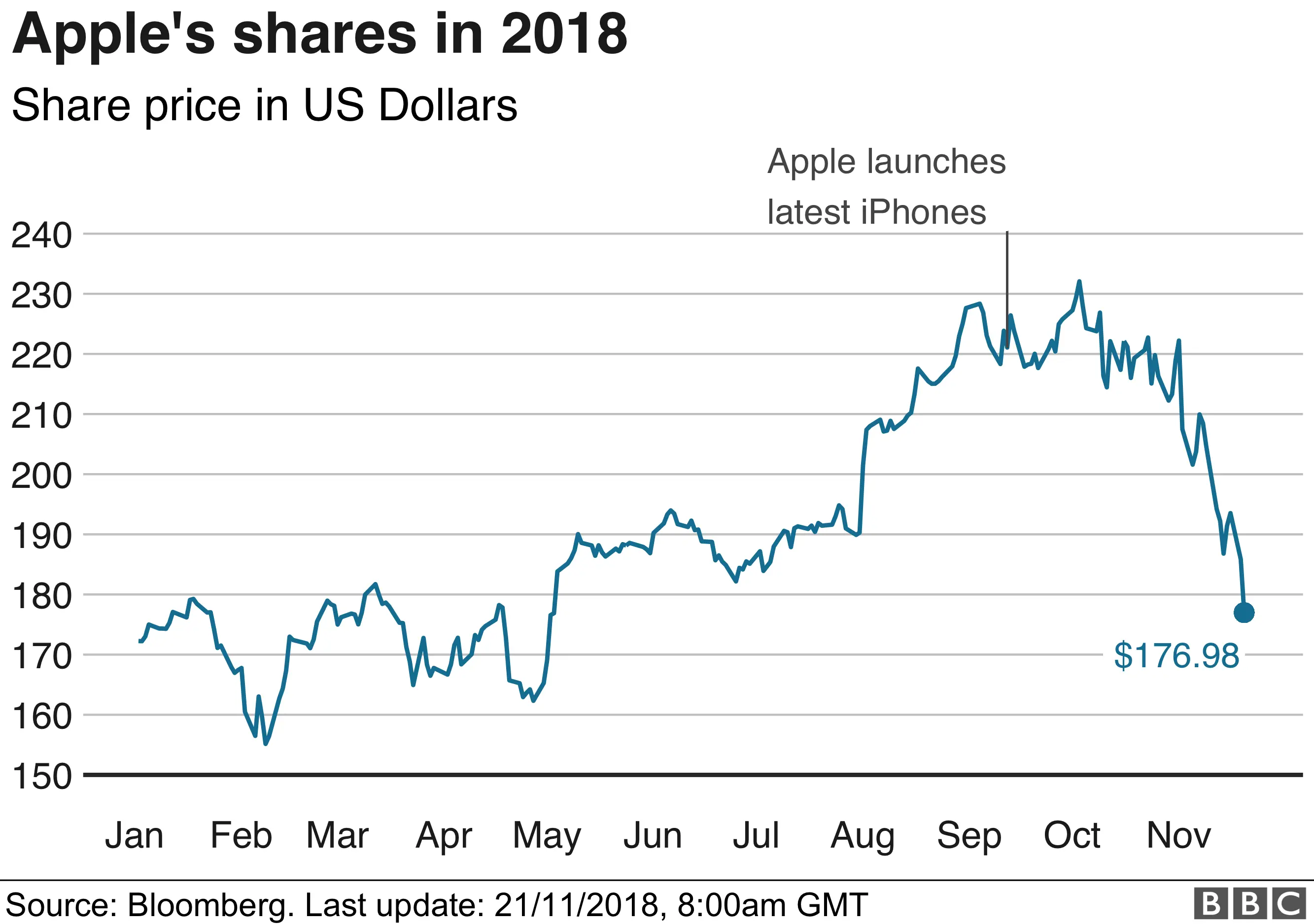
Ultimately, the AAPL ticker represents one of the most successful experiments in corporate capitalism. It is a testament to the power of brand loyalty, operational excellence, and financial discipline. For the disciplined investor, Apple is often viewed not as a trade, but as a long-term holding. By focusing on the company’s fundamental ability to generate cash and innovate, investors can look past the daily “noise” of the stock market and appreciate the AAPL ticker for what it truly is: a premier vehicle for wealth accumulation in the digital age.
aViewFromTheCave is a participant in the Amazon Services LLC Associates Program, an affiliate advertising program designed to provide a means for sites to earn advertising fees by advertising and linking to Amazon.com. Amazon, the Amazon logo, AmazonSupply, and the AmazonSupply logo are trademarks of Amazon.com, Inc. or its affiliates. As an Amazon Associate we earn affiliate commissions from qualifying purchases.