
For many individual investors, owning a piece of the world’s most iconic technology company is a financial milestone. Apple Inc. (ticker: AAPL) has long been a cornerstone of both institutional portfolios and retail brokerage accounts. However, determining exactly how much a share of Apple costs involves more than just looking at a ticker on a screen. The price of Apple stock is a dynamic figure, influenced by market sentiment, macroeconomic trends, and the company’s internal performance. To understand the cost of a share, an investor must look at the historical context of stock splits, the fundamental valuation metrics that justify the price, and the various ways one can acquire ownership in the modern financial landscape.
Deciphering the Market Price of AAPL
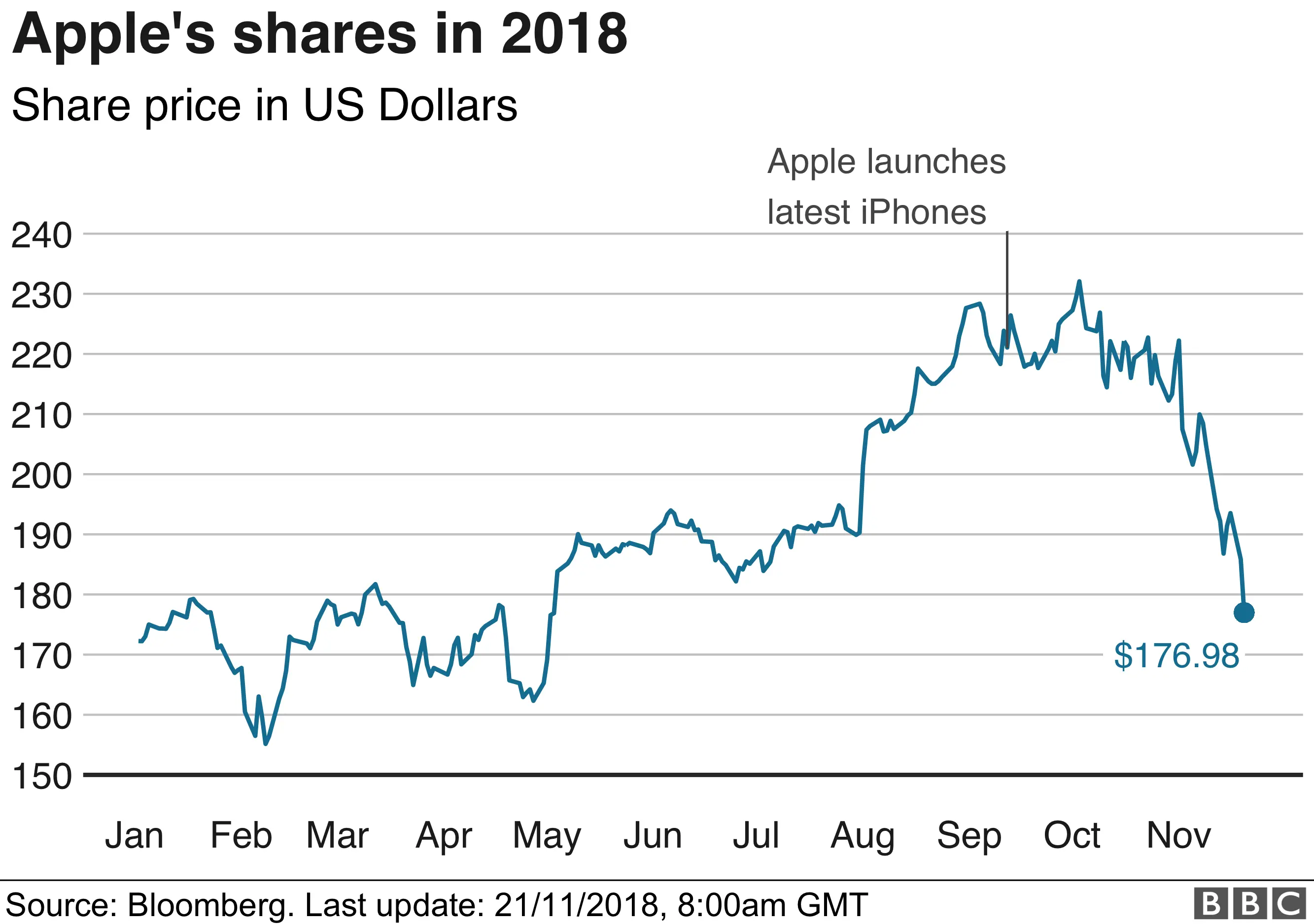
The market price of a single share of Apple is the most visible metric of the company’s health, yet it is often misunderstood. Unlike a fixed-price consumer good, a stock price fluctuates every second during market hours. This price represents the equilibrium point between buyers and sellers on the Nasdaq exchange.
Real-Time Volatility and Market Cap
When asking “how much does a share of Apple cost,” the answer changes from the opening bell at 9:30 AM EST to the closing bell at 4:00 PM EST. These fluctuations are driven by a variety of factors, including interest rate decisions by the Federal Reserve, global supply chain news, and consumer demand reports for the latest iPhone. However, the share price alone does not tell the whole story of Apple’s value. To understand the true cost of the company, investors look at the market capitalization—the total dollar market value of all outstanding shares. Apple frequently cycles through the title of the world’s most valuable company, with a market cap often exceeding $3 trillion.
The Psychology of Share Price
For retail investors, the nominal price of a share (whether it is $150, $200, or $250) often carries psychological weight. A lower share price can make a stock seem “cheaper” or more accessible, even if the underlying valuation is high. Conversely, a high share price can deter small-scale investors. Apple has historically been very conscious of this dynamic, using specific financial maneuvers to keep its share price within a range that remains attractive to the average person.
The History and Logic of Apple Stock Splits
One of the primary reasons Apple shares remain relatively affordable compared to other tech giants—some of which have seen share prices climb into the thousands of dollars—is the company’s frequent use of stock splits. A stock split increases the number of shares outstanding while lowering the price per share proportionally. This does not change the total value of an investor’s holding, but it does change the “cost” of a single entry point.
Major Historical Splits
Apple has executed several stock splits throughout its history as a public company. The most recent occurred in August 2020, which was a 4-for-1 split. Prior to that, in 2014, the company executed a massive 7-for-1 split. There were also 2-for-1 splits in 2005, 2000, and 1987. Without these splits, the cost of a single share of Apple today would be tens of thousands of dollars, making it nearly impossible for the average retail investor to purchase a full share without a massive capital outlay.
Why Apple Splits Its Stock
The primary motivation for a split is liquidity. By lowering the price of a single share, Apple makes its stock more accessible to a broader range of investors, including its own employees who receive stock-based compensation. Furthermore, a lower share price allows the stock to be more easily traded in the options market and helps the company remain a candidate for price-weighted indices like the Dow Jones Industrial Average. When Apple splits its stock, it is essentially signaling confidence that the company will continue to grow, inviting more participants to buy in at a lower nominal price.
Fundamental Drivers: Why the Share Price Moves
To evaluate whether the current cost of an Apple share is a “good deal,” an investor must look beyond the ticker symbol and examine the company’s financial fundamentals. The share price is ultimately a reflection of the market’s expectation of future cash flows.
The Power of the Ecosystem
Apple’s financial strength is rooted in its “walled garden” or ecosystem. This isn’t just about selling hardware; it’s about the recurring revenue generated through services. Every time a share price moves, analysts are often looking at the growth in Apple’s Services division, which includes the App Store, iCloud, Apple Music, and Apple Pay. This high-margin revenue stream provides a cushion that justifies a higher share price even when iPhone sales experience a cyclical plateau.
Earnings Per Share (EPS) and P/E Ratio
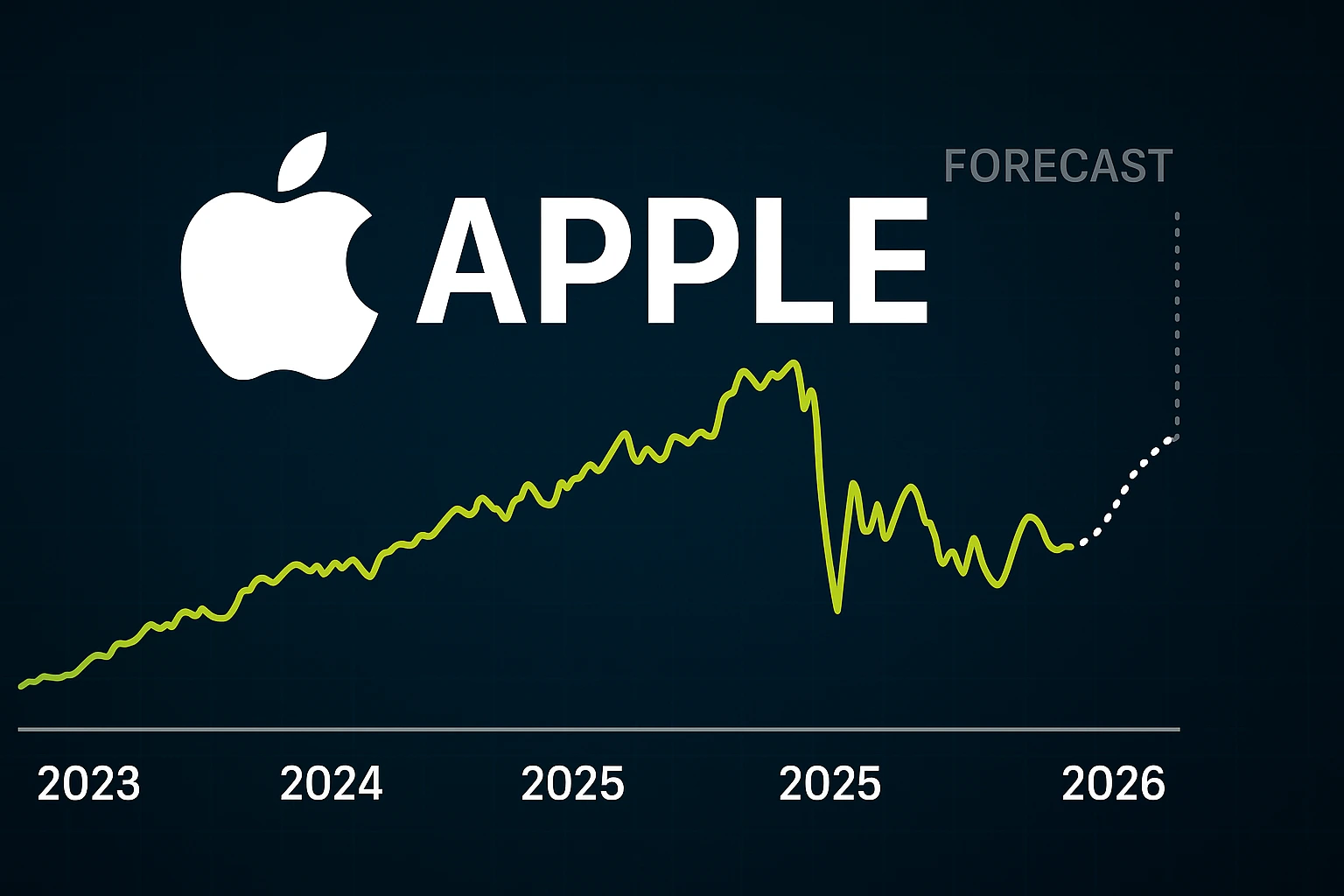
Two critical metrics used to determine if the cost of a share is justified are Earnings Per Share (EPS) and the Price-to-Earnings (P/E) ratio. EPS tells you how much profit the company generates for each share of stock. The P/E ratio compares the share price to those earnings. If Apple is trading at a P/E of 30, it means investors are willing to pay $30 for every $1 of annual profit. Historically, Apple’s P/E ratio has expanded as the market began to view it less as a hardware manufacturer and more as a software and services powerhouse.
Share Buybacks and Dividends
The actual “cost” of owning Apple is offset for many by its shareholder return programs. Apple is famous for its massive share buyback program. When the company buys back its own shares, it reduces the total supply, which can drive up the price of the remaining shares. Additionally, Apple pays a quarterly dividend. While the yield is often modest, it represents a direct return on the cost of the share, providing a steady stream of passive income for long-term holders.
How to Invest: From Full Shares to Fractional Ownership
In the past, the cost of a share was a hard barrier to entry. If a share cost $200 and you only had $50, you simply couldn’t invest. Today, the financial landscape has changed significantly, offering multiple avenues for acquiring Apple stock regardless of the current market price.
Fractional Shares
Most modern brokerage platforms now offer fractional shares. This means if the current cost of a share of Apple is $200, but you only want to invest $20, you can buy 10% of a share. This has revolutionized personal finance, allowing investors to utilize “dollar-cost averaging.” Instead of worrying about whether the share price is at an all-time high, an investor can commit a set amount of money every month, buying more shares when the price is low and fewer when the price is high.
Exchange-Traded Funds (ETFs)
Another way to “own” Apple without directly paying the full price for a single share is through an ETF. Apple is a top holding in many of the world’s largest funds, such as the SPDR S&P 500 ETF Trust (SPY) or the Invesco QQQ Trust (QQQ). When you buy a share of these funds, a significant portion of your money is automatically invested in Apple. This provides diversification while still allowing you to benefit from Apple’s growth.
Brokerage Fees and Expenses
When calculating the cost of a share, don’t forget the “hidden” costs. While most major US-based brokerages (like Fidelity, Schwab, and Vanguard) have moved to zero-commission trading for stocks, international investors or those using specialized platforms may still face transaction fees or currency conversion costs. Always ensure that the platform you choose doesn’t eat into your investment through excessive administrative fees.
The Strategic Outlook: Is Apple Worth the Price?
The question of “how much” a share costs is ultimately secondary to the question of “what is it worth?” Valuation is an art as much as a science, and different investors will see different value in Apple’s current price.
Growth Catalysts: AI and Spatial Computing
Investors looking at the current price of Apple often weigh it against future growth catalysts. The integration of “Apple Intelligence” (AI) across its device lineup and the rollout of the Vision Pro (spatial computing) are two major factors that bulls believe will drive the share price higher in the coming years. If these technologies lead to a massive hardware upgrade cycle, the current share price might look like a bargain in retrospect.
Risks and Market Headwinds
No investment is without risk. When evaluating the cost of Apple shares, one must consider potential headwinds such as regulatory pressure in the EU and US regarding the App Store, geopolitical tensions affecting manufacturing in China, and increasing competition in the smartphone market. A significant regulatory ruling could impact the high-margin Services revenue, which would likely lead to a contraction in the P/E ratio and a lower share price.

The Role of Apple in a Portfolio
For most personal finance experts, the cost of a share of Apple should be viewed through the lens of portfolio allocation. Because Apple is such a large part of the overall market, many investors are already “overweight” in Apple if they own broad market index funds. Deciding to buy individual shares at the current market price should be a deliberate choice based on one’s risk tolerance and long-term financial goals.
In conclusion, while the nominal cost of a share of Apple is a simple number you can find on any financial news site, the true cost involves an understanding of market mechanics, the company’s history of splits, and its fundamental earning power. Whether you are buying a single share, a fractional piece, or an ETF, investing in Apple remains one of the most popular ways for individuals to participate in the growth of the global economy. By focusing on valuation rather than just price, investors can make more informed decisions about when and how to add this tech titan to their financial portfolios.
aViewFromTheCave is a participant in the Amazon Services LLC Associates Program, an affiliate advertising program designed to provide a means for sites to earn advertising fees by advertising and linking to Amazon.com. Amazon, the Amazon logo, AmazonSupply, and the AmazonSupply logo are trademarks of Amazon.com, Inc. or its affiliates. As an Amazon Associate we earn affiliate commissions from qualifying purchases.