
In an increasingly digital economy, the way we manage and spend our money is undergoing a radical transformation. While traditional checking accounts and credit cards remain staples of the financial landscape, prepaid cards have emerged as a versatile, secure, and highly accessible alternative. Whether you are looking to stick to a strict budget, provide a controlled spending tool for a teenager, or find a secure way to shop online without exposing your primary bank account, knowing where to source the right prepaid card is essential.
Prepaid cards operate on a simple premise: you load funds onto the card in advance, and you can only spend what is available. Unlike credit cards, they do not require a credit check or a line of credit, and unlike debit cards, they are not necessarily linked to a traditional bank account. This flexibility has led to a massive expansion in where these cards can be acquired, ranging from the checkout aisle of your local grocery store to the sophisticated digital interfaces of modern fintech apps.
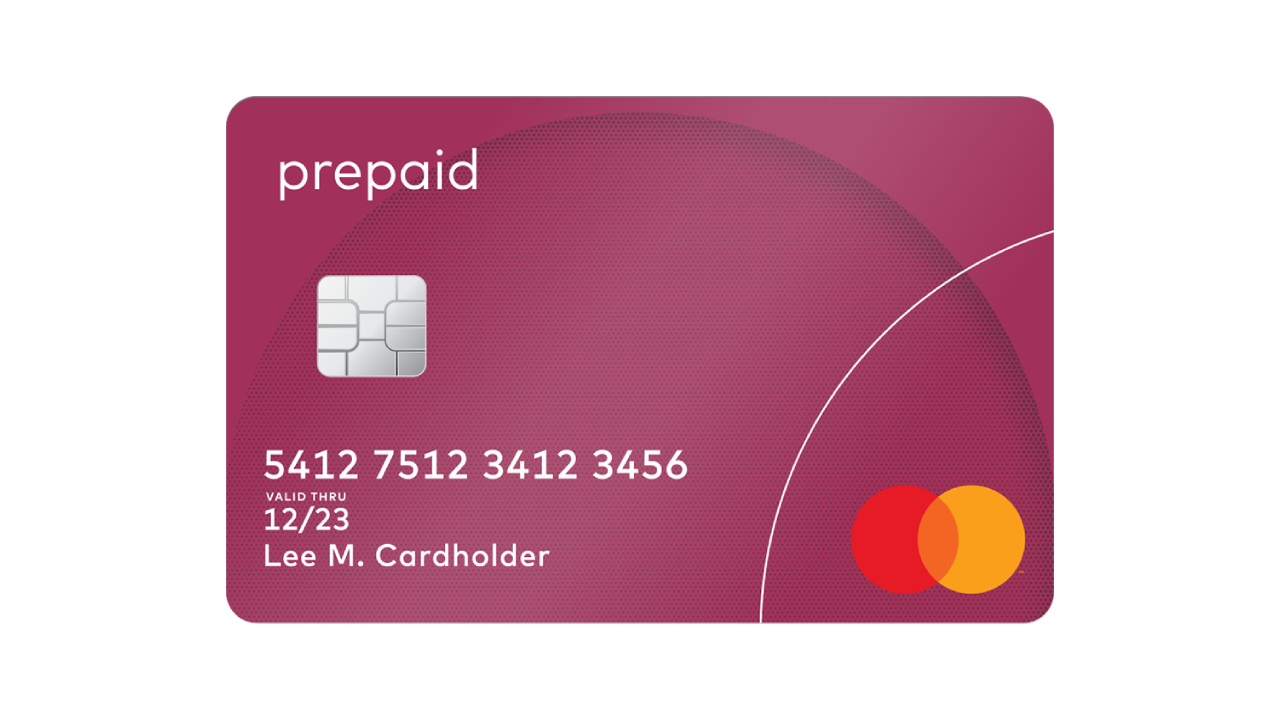
The Retail Landscape: Finding Prepaid Cards in Physical Stores
For many consumers, the most convenient way to obtain a prepaid card is during a routine shopping trip. Retailers have embraced prepaid cards as a high-demand product, often dedicating entire sections—frequently referred to as “Gift Card Malls”—to various financial products.
Major Retailers and Big-Box Stores
Large-scale retailers like Walmart, Target, and Costco are among the most common locations to find reloadable prepaid cards. Walmart, in particular, has positioned itself as a hub for alternative financial services. Through its partnership with Green Dot, it offers the Walmart MoneyCard, which functions much like a traditional checking account with rewards for shopping at the store.
When purchasing a card at these locations, the process is straightforward: you select a starter kit from the rack, take it to the cashier, and load your initial funds. It is important to note that these “temporary” cards purchased in-store usually require online registration to activate full features, such as ATM access and the ability to receive a personalized card with your name on it in the mail.
Pharmacies and Convenience Stores
If you need a prepaid card outside of standard business hours or prefer a smaller storefront, pharmacies like CVS, Walgreens, and Rite Aid are reliable sources. These locations typically carry cards from major networks like Visa, Mastercard, and American Express. Convenience stores and gas stations, such as 7-Eleven or Speedway, also stock these cards, making them accessible even in rural areas.
These locations are particularly useful for “reloading” existing cards. Many prepaid cards utilize networks like Green Dot “Reload at the Register” or Vanilla Direct, allowing you to hand cash to a cashier to have it instantly added to your card balance for a small convenience fee.
Dedicated Financial Centers and Check-Cashing Outlets
For individuals who may not use traditional banks, check-cashing stores and dedicated financial service centers (like Western Union or MoneyGram locations) offer a wide variety of prepaid options. These outlets often cater to the “unbanked” or “underbanked” population, providing cards that can be used for direct deposit of payroll or government benefits. Because these locations specialize in financial transactions, the staff is often well-versed in the specific fee structures and activation processes of the cards they sell.
Digital and Online Issuers: The Rise of Virtual Prepaid Solutions
The digital revolution has shifted the prepaid card market from physical plastic to virtual credentials. While many people still prefer a physical card for in-person shopping, online-first providers offer a level of speed and technological integration that traditional retail cards often lack.
Neobanks and Fintech Platforms
The rise of “neobanks”—financial institutions that operate exclusively online—has blurred the line between prepaid cards and traditional checking accounts. Companies like Chime, Netspend, and Revolut offer accounts that function on a prepaid basis. When you sign up for these services via a smartphone app, you are often issued a virtual card immediately, which can be added to Apple Pay or Google Wallet.
These digital platforms often offer superior features compared to store-bought cards. For example, they may include automated savings tools, early access to direct deposit funds, and robust mobile apps that allow you to “freeze” your card instantly if it is lost or stolen.
Online Retail Marketplaces
Major online platforms have also entered the prepaid space. Amazon, for instance, offers the Amazon Reload service, which essentially turns your Amazon account into a prepaid spending vehicle. While not a traditional “card” in every sense, it serves the same purpose of budgeting and securing transactions. Additionally, many prepaid card issuers allow you to order a card directly from their website. After providing your personal information for identity verification, the card is mailed to your home within five to ten business days.
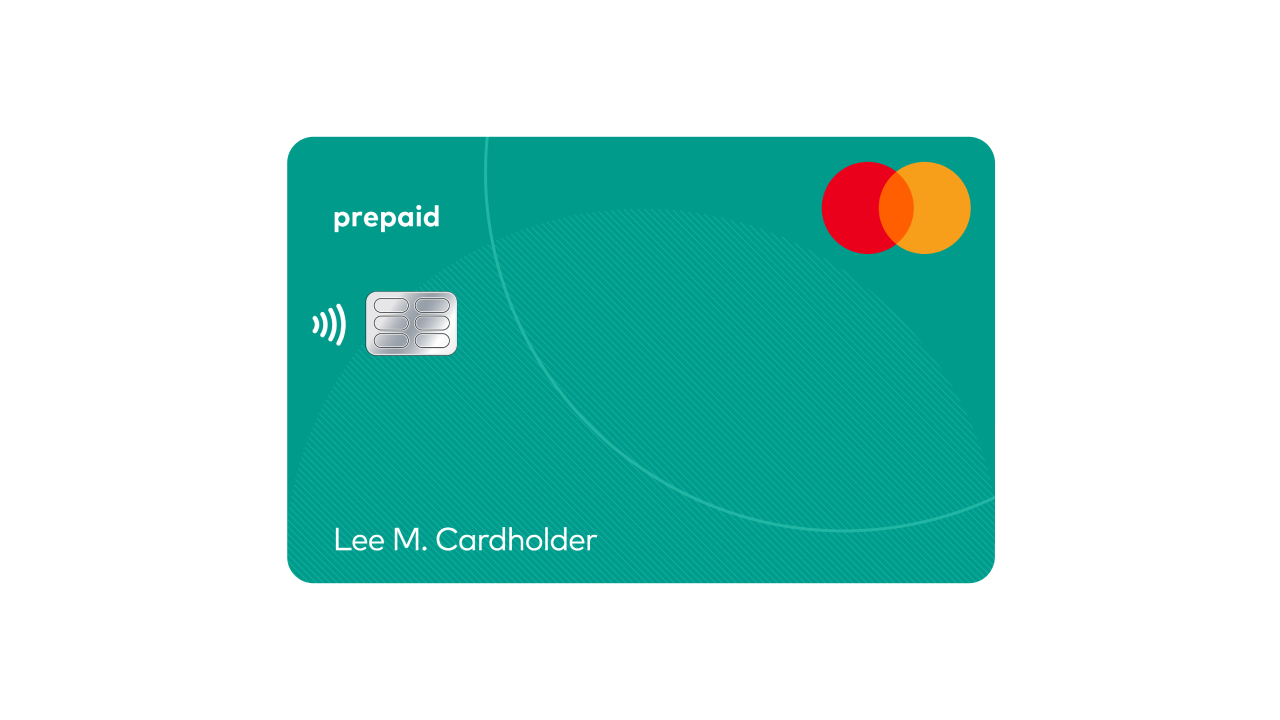
Peer-to-Peer Payment Apps
Apps that began as simple ways to split a lunch bill, such as Venmo and Cash App, now offer their own branded prepaid debit cards. These cards are linked directly to the balance in your app. This is an incredibly convenient way to “get” a prepaid card if you already receive money through these platforms. By requesting a physical card through the app, you can spend your digital balance at any merchant that accepts the network (usually Visa or Mastercard) without having to transfer the money to a traditional bank first.
Traditional Banking Institutions and Credit Unions
While it may seem counterintuitive to go to a bank for a card that is often used as a bank alternative, many traditional financial institutions have recognized the demand for prepaid products. These are often marketed as “prepaid debit cards” or “low-fee checking alternatives.”
Standard Prepaid Offerings
Banks like Chase (with its Secure Banking account) and Wells Fargo (with the Clear Access Account) offer products that function identically to prepaid cards. They do not allow overdrafts, meaning you can only spend what you have deposited. While these are technically “accounts,” they are marketed to the same demographic that seeks out prepaid cards: students, people rebuilding their credit, and those who want to avoid the risks of accidental overspending.
The Benefits of Bank-Linked Prepaid Cards
Choosing a prepaid card through a traditional bank or credit union often provides a higher level of consumer protection. These cards are typically FDIC-insured, meaning your balance is protected by the federal government up to $250,000. Furthermore, if you already have a relationship with the bank, transferring funds from a standard account to your prepaid card is often instantaneous and free, making it an excellent tool for managing a “discretionary spending” budget.
Specialized Prepaid Options: Payroll, Travel, and Government Benefits
Not all prepaid cards are purchased by the consumer; many are issued by organizations for specific purposes. Understanding these sources can help you manage funds that come from employers or the government.
Corporate and Payroll Cards
Many employers, particularly in the retail, hospitality, and gig economy sectors, offer payroll cards as an alternative to paper checks or direct deposit. These are prepaid cards that are loaded every payday. If you are an employee looking for an easier way to receive your wages, you can ask your HR department if a payroll card option is available. These cards often have the advantage of no-fee ATM withdrawals at specific networks associated with the issuer.
Travel-Specific Prepaid Cards
For international travelers, specialized travel prepaid cards are available through companies like Travelex or through major automobile associations like AAA. These cards allow you to “lock in” an exchange rate by loading the card with a specific foreign currency before you depart. This protects you from fluctuating exchange rates and provides a safer alternative to carrying large amounts of foreign cash.
Government-Issued Cards for Public Benefits
State and federal agencies use prepaid cards to distribute benefits such as Social Security, unemployment insurance, and SNAP (Supplemental Nutrition Assistance Program). The Direct Express Debit Mastercard is a prime example of a government-issued prepaid card. While you cannot “buy” these at a store, they are a primary way millions of people access their financial resources.
Selecting the Right Provider: Fees, Security, and Accessibility
Knowing where to get a prepaid card is only half the battle; knowing which one to choose requires a keen eye for detail. Because prepaid cards are not as strictly regulated as traditional credit cards in terms of fee caps, the costs can vary wildly between providers.
Understanding the Fee Structure
When you pick up a card at a retail store or sign up online, you must read the ” Schumer Box” or the fee schedule. Common fees include:
-
Activation/Purchase Fee: A one-time fee paid at the time of purchase (usually $3.00 to $9.95).
-
Monthly Maintenance Fee: A recurring charge for keeping the account open. Some providers waive this if you deposit a certain amount each month.
-
Reload Fees: The cost of adding cash to the card at a retail location.
-
ATM Fees: Charges for withdrawing cash, often in addition to the fee charged by the ATM owner.
-
Inactivity Fees: Charges applied if the card is not used for a specific period (e.g., 90 days).

Security Features and Consumer Protection
One of the primary reasons to use a prepaid card is security. When shopping online at unfamiliar websites, using a prepaid card ensures that even if the card data is compromised, the hacker only has access to the limited funds on that card, not your entire life savings.
However, you should ensure the card you choose offers “Zero Liability” protection from the payment network (Visa or Mastercard). This protects you from unauthorized transactions. Additionally, check if the card issuer requires identity verification. While “anonymous” cards exist (usually non-reloadable gift cards), reloadable cards require “Know Your Customer” (KYC) documentation, which actually provides a higher level of security and allows you to recover your funds if the physical card is lost.
In conclusion, the question of where to get a prepaid card has many answers depending on your immediate needs. From the convenience of a local CVS to the high-tech features of a neobank app, there is a prepaid solution for every financial strategy. By understanding the different sources and carefully evaluating the associated fees, you can utilize these cards as a powerful tool for budgeting, security, and financial independence.
aViewFromTheCave is a participant in the Amazon Services LLC Associates Program, an affiliate advertising program designed to provide a means for sites to earn advertising fees by advertising and linking to Amazon.com. Amazon, the Amazon logo, AmazonSupply, and the AmazonSupply logo are trademarks of Amazon.com, Inc. or its affiliates. As an Amazon Associate we earn affiliate commissions from qualifying purchases.