
In the global landscape of personal finance, the Visa network stands as one of the most recognized and widely accepted payment systems in existence. Whether you are looking to build your credit score, manage daily expenses, or facilitate international travel, obtaining a Visa card is a foundational step in establishing a robust financial toolkit. However, because Visa is a payment technology company and not a direct issuer of cards, the process of getting one involves navigating a variety of financial institutions, fintech platforms, and retail partners.

Finding the right Visa card requires an understanding of your specific financial needs, your credit profile, and the various channels through which these cards are distributed. From traditional high-street banks to the latest neobank startups, the options are more diverse today than ever before.
Traditional Banking Institutions: The Foundation of Credit and Debit
The most common way to obtain a Visa card is through a traditional financial institution. These entities act as the “issuers,” meaning they provide the line of credit or the link to your checking account, manage your balance, and provide customer service, while utilizing Visa’s global processing network to handle transactions.
High-Street Banks and National Lenders
Large national and international banks are the primary sources for Visa products. When you open a standard checking account at a major bank, you are typically issued a Visa debit card automatically. This card allows you to spend funds directly from your account. For those looking for credit rather than debit, these same institutions offer a tiered range of credit cards.
National lenders often provide specialized Visa products such as “Signature” or “Infinite” cards, which come with higher credit limits and premium perks like concierge services and travel insurance. The application process usually involves a review of your income, employment history, and a hard credit inquiry.
Credit Unions and Community Banks
For those who prefer a more localized or member-focused banking experience, credit unions and community banks are excellent alternatives. Because credit unions are non-profit cooperatives, they often offer Visa cards with lower interest rates and fewer fees compared to large commercial banks.
Getting a Visa card from a credit union usually requires membership, which may be based on your location, employer, or association with specific organizations. Once a member, you can apply for various Visa products, ranging from basic no-frills credit cards to those that offer modest rewards programs.
The Application Process for Traditional Cards
Applying through a traditional bank typically requires a formal application. In the modern era, this can be done via a mobile app, a website, or in person at a branch. You will need to provide your Social Security number (or equivalent tax ID), proof of address, and financial disclosures. The advantage of this route is the ability to build a multi-product relationship with a single institution, which can be beneficial when applying for mortgages or auto loans later in life.
The Fintech Revolution: Digital Banks and Neobanks
The rise of financial technology (fintech) has revolutionized how consumers access Visa cards. Digital banks—often called neobanks—operate without physical branches, passing the overhead savings onto the consumer in the form of lower fees and more intuitive digital tools.
Direct-to-Consumer Digital Platforms
Companies like Chime, Revolut, and Monzo have streamlined the process of getting a Visa card. For many of these platforms, the barrier to entry is lower than that of traditional banks. You can often open an account and request a Visa debit card in minutes using only a smartphone. These platforms are particularly popular among younger consumers and those who prioritize a seamless user interface and real-time spending notifications.
Speed and Accessibility of Virtual Visa Cards
One of the primary advantages of the fintech route is the immediate availability of “virtual” Visa cards. While you wait for a physical card to arrive in the mail, many digital banks provide you with a virtual card number, CVV, and expiration date within their app. This allows you to add the card to digital wallets like Apple Pay or Google Pay and begin making purchases immediately. This instant gratification is a significant shift from the traditional ten-day waiting period for physical mail.
International Use and Currency Exchange Benefits
Fintech-issued Visa cards are often tailored for the modern traveler. Many digital-first institutions offer mid-market exchange rates and waive foreign transaction fees, which are common with traditional bank-issued cards. If you are looking for a Visa card specifically for international travel or for managing multiple currencies, the fintech sector is often the most cost-effective place to look.
Retailers and Co-Branded Visa Partnerships
Beyond banks and fintechs, many consumers obtain Visa cards through their favorite retail brands. These are known as co-branded credit cards, where a retailer partners with an issuing bank (like Synchrony, Comenity, or Chase) to offer a card that carries both the retailer’s name and the Visa logo.
Department Stores and Big-Box Retailers
Major retailers such as Amazon, Costco, and Target (in some regions) offer Visa cards that provide enhanced rewards when shopping at their locations. The primary draw of these cards is the “closed-loop to open-loop” transition. While some store cards can only be used at that specific store, a co-branded Visa card can be used anywhere Visa is accepted worldwide.
Airline and Travel Loyalty Programs
Travelers often seek out Visa cards through airline and hotel partnerships. For example, an airline might offer a Visa Signature card that grants the holder free checked bags, priority boarding, and accelerated point accumulation for every dollar spent. These cards are ideal for consumers who have high brand loyalty and want their everyday spending to subsidize their future travel costs.
Maximizing Rewards and Cash Back
The retail and co-branded path is best for those who want to optimize their “spend-to-reward” ratio. If you spend a significant portion of your budget at a specific retailer or on a specific airline, a co-branded Visa can offer a higher return on investment than a generic bank card. However, these cards often come with slightly higher interest rates, so they are best utilized by those who plan to pay off their balance in full each month.
Specialized Options: Prepaid and Secured Visa Cards
Not everyone is eligible for a traditional credit card, and not everyone wants a card linked to a bank account. For these individuals, prepaid and secured Visa cards offer a vital entry point into the financial system.
Prepaid Cards for Budgeting and Gifting
Visa prepaid cards are available at thousands of retail locations, including grocery stores, pharmacies, and convenience stores. These cards are not linked to a bank account and do not require a credit check. You simply load a specific amount of cash onto the card and use it until the balance is depleted. They are excellent tools for budgeting specific expenses, such as holiday shopping, or for providing a secure way for teenagers to manage an allowance.
Secured Cards for Credit Reconstruction
For individuals with a limited credit history or a poor credit score, a secured Visa card is often the best “bridge” to financial stability. To get a secured card, you provide a cash deposit to the issuer (for example, $500), which then serves as your credit limit. Because the card is “secured” by your deposit, the risk to the bank is minimized. Over time, as you make on-time payments, your activity is reported to credit bureaus, helping you build the score necessary to graduate to a traditional “unsecured” Visa card.
Payroll and Government Benefit Cards
In some cases, you may receive a Visa card through your employer or a government agency. Payroll cards are an alternative to paper checks or direct deposit for unbanked workers. Similarly, many government benefits, such as unemployment or child support payments, are now distributed via branded Visa debit cards. These cards provide the recipient with the security and convenience of electronic payments without the need for a pre-existing banking relationship.
Selecting the Right Visa Card for Your Financial Goals
With so many avenues available, the final step in getting a Visa card is evaluating which one aligns with your long-term financial health. Not all Visa cards are created equal, and the “best” card is entirely subjective.
Analyzing Interest Rates and Annual Fees
The first metrics to compare are the Annual Percentage Rate (APR) and the annual fee. If you intend to carry a balance from month to month, a low-APR card from a credit union is likely your best bet. If you plan to pay your balance in full, you can afford to look at cards with higher APRs but better reward structures. Similarly, ensure that the benefits of a card—such as travel credits or cash back—outweigh any annual fee the issuer charges.
Security Features and Fraud Protection
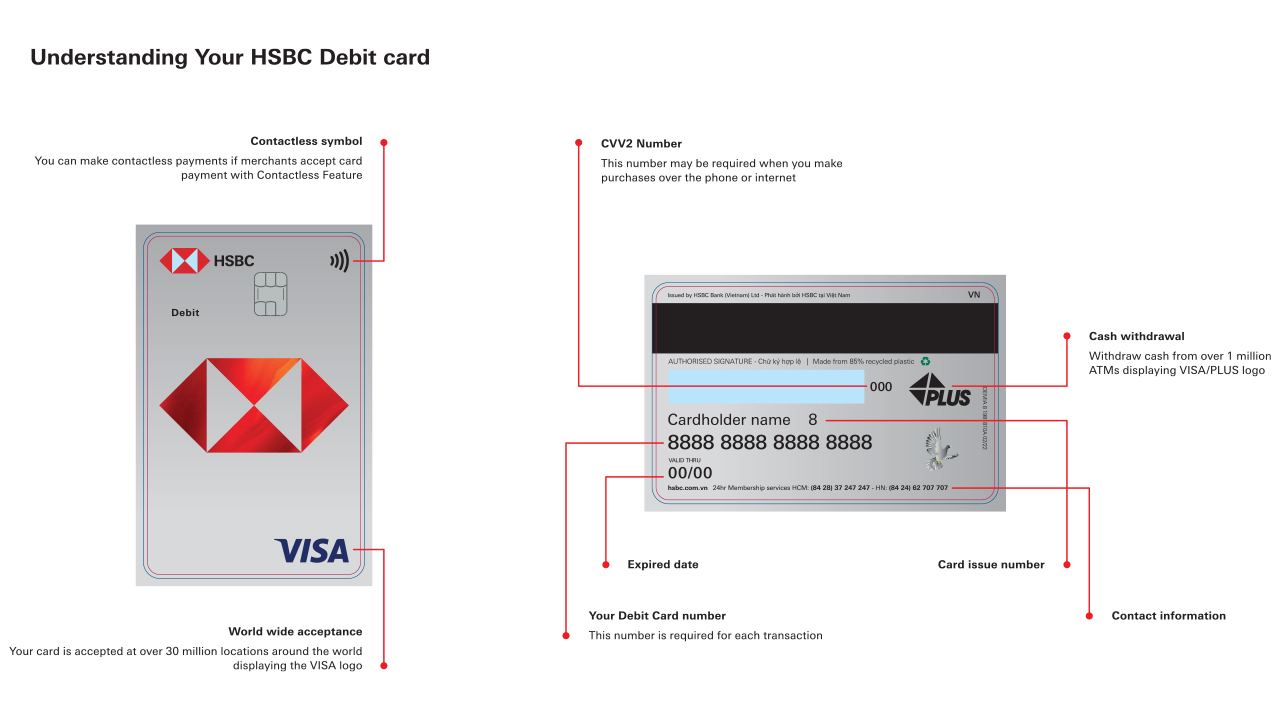
One of the major benefits of any Visa card is the underlying security. When choosing an issuer, look for additional layers of protection such as “zero liability” policies, the ability to “freeze” your card instantly via a mobile app, and two-factor authentication for online purchases. Most modern Visa cards also come equipped with EMV chip technology and contactless payment capabilities, which significantly reduce the risk of card-present fraud.
Long-term Credit Health Considerations
Finally, consider how the card will affect your credit report. If your goal is to increase your credit score, ensure the issuer reports to all three major credit bureaus (Equifax, Experian, and TransUnion). Most traditional banks and neobanks do this, but some prepaid cards do not.
Getting a Visa card is more than just obtaining a piece of plastic or a digital number; it is about choosing a financial partner that will facilitate your lifestyle and support your economic growth. By evaluating traditional banks, fintech innovators, retail partners, and secured options, you can find the specific Visa product that fits your current reality while paving the way for your financial future.
aViewFromTheCave is a participant in the Amazon Services LLC Associates Program, an affiliate advertising program designed to provide a means for sites to earn advertising fees by advertising and linking to Amazon.com. Amazon, the Amazon logo, AmazonSupply, and the AmazonSupply logo are trademarks of Amazon.com, Inc. or its affiliates. As an Amazon Associate we earn affiliate commissions from qualifying purchases.