
For many credit card enthusiasts and high-net-worth individuals, the American Express (Amex) card is a staple of the wallet. Known for its premium rewards, robust purchase protections, and elite travel perks, it represents a certain level of financial discipline and consumer power. However, the one phrase that can halt a transaction in its tracks is: “We don’t take American Express.”
While American Express has made massive strides in closing the acceptance gap—reaching 99% parity with Visa and Mastercard in the United States—it still faces hurdles, particularly with small businesses and specific low-margin retailers. Understanding which stores don’t accept the card, and more importantly, the financial reasoning behind these decisions, is essential for any consumer looking to optimize their personal finance strategy.
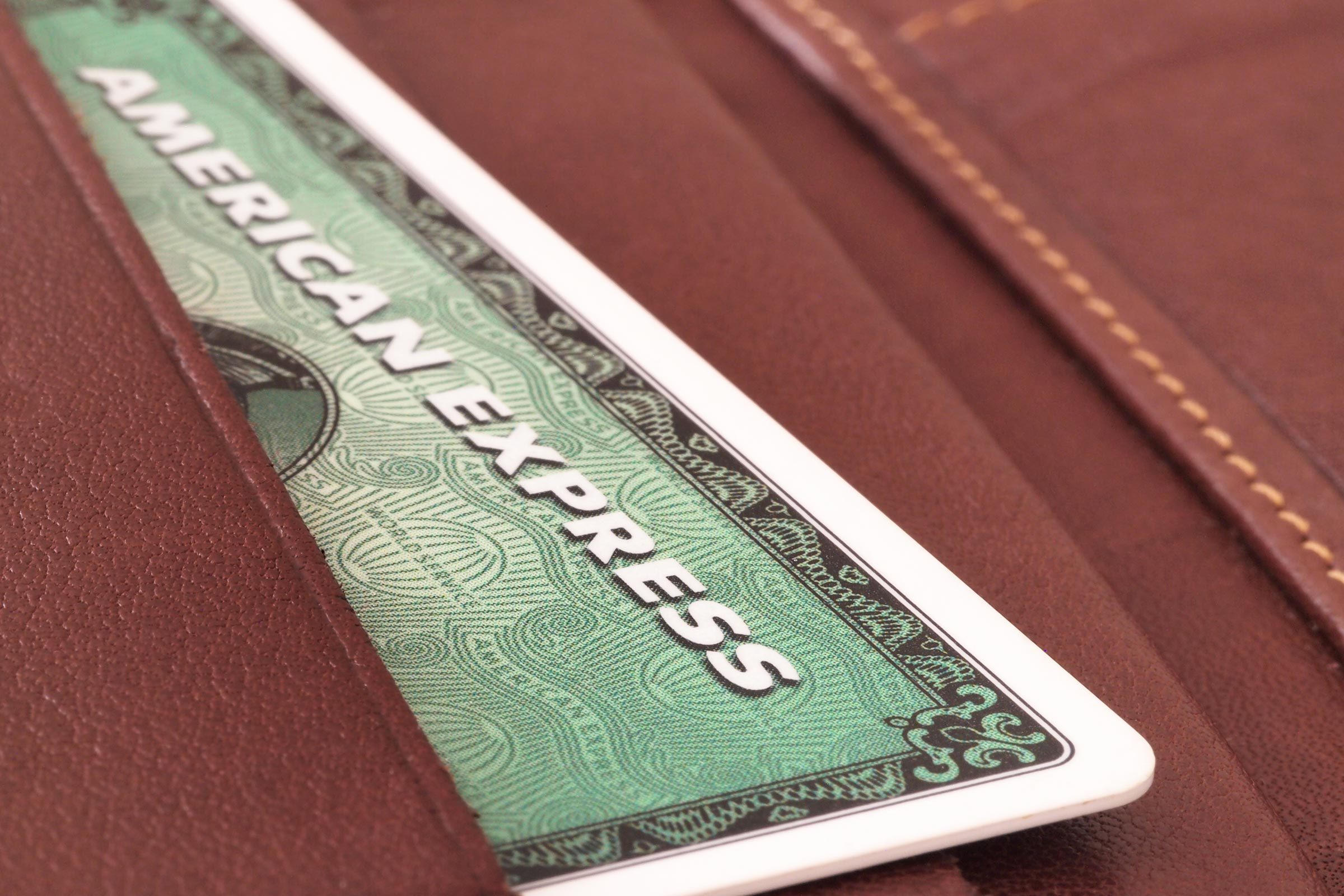
The Economics of Acceptance: Why Some Merchants Say No
To understand why a store would turn away a customer ready to spend, one must look at the underlying mechanics of payment processing. In the world of business finance, every swipe comes with a cost known as the Merchant Discount Rate (MDR) or interchange fee.
The Merchant Fee Disparity
Historically, American Express has charged merchants higher fees than its competitors, Visa and Mastercard. While a Visa transaction might cost a merchant 1.5% to 2.5% of the total sale, an American Express transaction has historically hovered between 2.5% and 3.5%. For a small business operating on thin margins—such as a local grocery store or a family-owned cafe—that 1% difference can represent a significant portion of their net profit.
The reasoning behind Amex’s higher fees is rooted in its business model. Unlike Visa or Mastercard, which are primarily payment networks, American Express is both a network and an issuer. They cater to a “spend-centric” demographic. Amex argues that their cardholders spend significantly more on average than those using other cards, thus “earning” the higher fee by delivering high-value customers to the merchant.
The Low-Margin Business Model
Retailers that operate on high volume and low margins are the most likely to exclude American Express. If a discount grocer makes only a 2% or 3% profit margin on a gallon of milk, paying a 3% transaction fee to a credit card company effectively eliminates the profit on that item. This is the primary driver for the “No Amex” policy found in specific retail sectors.
Major Retailers and Categories Where Amex is Often Declined
While most national big-box retailers accept American Express, there are notable exceptions and specific categories where you are likely to encounter resistance.
Warehouse Clubs: The Costco Factor
The most famous example of a major retailer rejecting American Express is Costco. For many years, American Express was the exclusive card accepted at Costco. However, in 2016, that partnership ended. Today, Costco only accepts Visa cards for in-store purchases.
This shift was a calculated financial move by Costco to lower its overall transaction costs. By switching to Visa and partnering with Citi for their co-branded card, Costco negotiated significantly lower merchant fees. For an Amex cardholder, this means you must keep a Visa card in your back pocket specifically for your bulk-buying trips.
Discount Grocery Chains
Several regional and national discount grocers maintain strict payment policies to keep their shelf prices as low as possible.
-
WinCo Foods: This employee-owned chain is famous for not accepting credit cards at all, let alone American Express. They primarily accept debit cards, cash, and checks to avoid interchange fees entirely.
-
Woodman’s Markets: Similar to WinCo, this Midwest favorite focuses on a low-cost model and typically avoids high-fee credit cards.
-
Aldi: While Aldi now accepts American Express in the U.S. and many other regions, it was a long-time holdout, illustrating the friction between discount models and premium payment networks.
Small Businesses and Local Services
The “Mom and Pop” shop is the most common place to find an Amex-free zone. Independent restaurants, local hardware stores, and specialized service providers (like dry cleaners or independent auto shops) often view Amex as a luxury they cannot afford.
In these environments, the business owner is often the one reviewing the monthly merchant statements. When they see a $3.50 charge on a $100 purchase for Amex versus a $1.80 charge for a basic Visa, the choice to cut the higher-cost option becomes a simple matter of protecting the bottom line.

International Merchants
When traveling outside the United States, Amex acceptance drops significantly. In Europe, Australia, and parts of Asia, the merchant fees for American Express can be even higher relative to local debit schemes and low-interchange Visa/Mastercard options. In many European countries, interchange fees for domestic cards are capped by law at very low levels (often 0.2% to 0.3%), making the premium cost of American Express look astronomical to local shopkeepers.
The “OptBlue” Revolution and Closing the Gap
It is important to note that the landscape is changing. American Express has been aggressive in its quest for “universal acceptance.” The centerpiece of this strategy is a program called OptBlue.
How OptBlue Works
Launched several years ago, OptBlue changed how small businesses sign up for American Express. Previously, a business had to set up a separate contract directly with Amex. Under OptBlue, small businesses can bundle Amex acceptance with their existing Visa and Mastercard processing through providers like Square, Clover, or Stripe.
This program also allows the payment processors to set the rates for smaller merchants, often making the cost of accepting Amex much more competitive. This is why you will now see small coffee shops using Square readers that happily accept your Amex Gold or Platinum card; the friction of separate billing and high outlier fees has been significantly mitigated.
The Value Proposition to Merchants
Amex continues to market the “Amex Cardmember” as a more lucrative customer. Data suggests that American Express cardholders have higher average household incomes and spend nearly 60% more per year than non-cardholders. For many businesses, accepting the card isn’t just about the fee; it’s about not turning away a customer who is statistically likely to spend more.
Strategic Financial Management for the Amex User
If you are an Amex-first consumer, the occasional “No” shouldn’t deter you from using the card, but it should inform your financial strategy. To maximize rewards and ensure you are never stranded at the checkout, consider the following tactics.
The “Backpocket Visa” Strategy
No matter how loyal you are to the American Express ecosystem, it is a financial mistake to carry only an Amex. Every savvy consumer should have a “Backpocket Visa” or Mastercard. Ideally, this should be a card that offers a high “catch-all” reward rate (such as 2% cash back) and has no foreign transaction fees. This ensures that when Amex is declined, you are still earning a return on your spending rather than resorting to cash or a low-reward debit card.
Evaluating Transaction Value
From a personal finance perspective, use American Express for high-ticket items where purchase protection, extended warranty, or return protection are most valuable. Even if a small merchant accepts Amex, you might choose to use it there specifically for the insurance-like benefits it provides on electronics or appliances. Conversely, for a $5 cup of coffee at a local shop, using a different card or cash is a small gesture that helps the local business owner save on fees.
Leveraging Mobile Wallets
Interestingly, Apple Pay, Google Pay, and Samsung Pay can sometimes act as a bridge. While the merchant still pays the Amex fee if you have an Amex loaded into your digital wallet, many merchants who use modern point-of-sale systems (like Square or Toast) have Amex acceptance “turned on” by default. Sometimes, a merchant who thinks they don’t take Amex actually does via their contactless reader, as it is integrated into their standard processing package.

The Future of Payment Interoperability
As we move toward a more digital economy, the lines between different credit card networks are blurring. The rise of FinTech has commoditized payment processing, making it easier for even the smallest vendor to accept every form of payment.
However, the fundamental tension of business finance remains: the cost of the transaction versus the value of the customer. While American Express will likely never achieve 100% global acceptance due to its premium fee structure, the gap is now small enough that it can serve as a primary financial tool for most consumers.
For the cardholder, the goal is not to find a single card that works everywhere, but to build a “wallet architecture” that balances high-yield rewards with universal reliability. By understanding which stores don’t take American Express and why, you can navigate the retail landscape with greater financial intelligence, ensuring that your capital—and your rewards—are always working in your favor.
aViewFromTheCave is a participant in the Amazon Services LLC Associates Program, an affiliate advertising program designed to provide a means for sites to earn advertising fees by advertising and linking to Amazon.com. Amazon, the Amazon logo, AmazonSupply, and the AmazonSupply logo are trademarks of Amazon.com, Inc. or its affiliates. As an Amazon Associate we earn affiliate commissions from qualifying purchases.