
For decades, a common narrative persisted in the world of personal finance: American Express (Amex) was the card of the elite, prestigious and reward-heavy, but notoriously difficult to use at the local corner store or the average merchant. However, the financial landscape has shifted dramatically over the last decade. Today, the question of which merchants accept American Express is no longer a matter of searching for a needle in a haystack, but rather understanding the vast network that now rivals the reach of Visa and Mastercard.
As of recent years, American Express has achieved nearly 99% merchant parity with Visa and Mastercard in the United States. This means that for the average consumer, the “Amex gap” has largely closed. Yet, understanding the nuances of where your card works—and why some merchants might still hesitate—is essential for any savvy cardholder looking to maximize rewards and manage their business or personal finances effectively.

The Evolution of the American Express Merchant Network
To understand where Amex is accepted today, one must first understand why it was once excluded. Historically, American Express operated on a different business model than its competitors. While Visa and Mastercard are open-loop networks that partner with thousands of banks to issue cards, American Express traditionally acted as both the card issuer and the payment processor.
Because Amex focused on a high-spending demographic, they charged merchants higher “interchange fees” or merchant discount rates. The justification was simple: Amex cardholders spend more on average than those using other cards, so merchants should pay a premium to access that lucrative customer base. While this worked for luxury retailers and travel providers, small businesses often found the fees prohibitive.
The Shift Toward Universal Acceptance
The turning point came with the introduction of programs like “OptBlue.” Launched to bridge the gap with small-to-medium-sized enterprises (SMEs), OptBlue allowed third-party payment processors (like Square, Clover, or Toast) to set their own rates for Amex transactions. This significantly lowered the barrier to entry for small shops, cafes, and service providers.
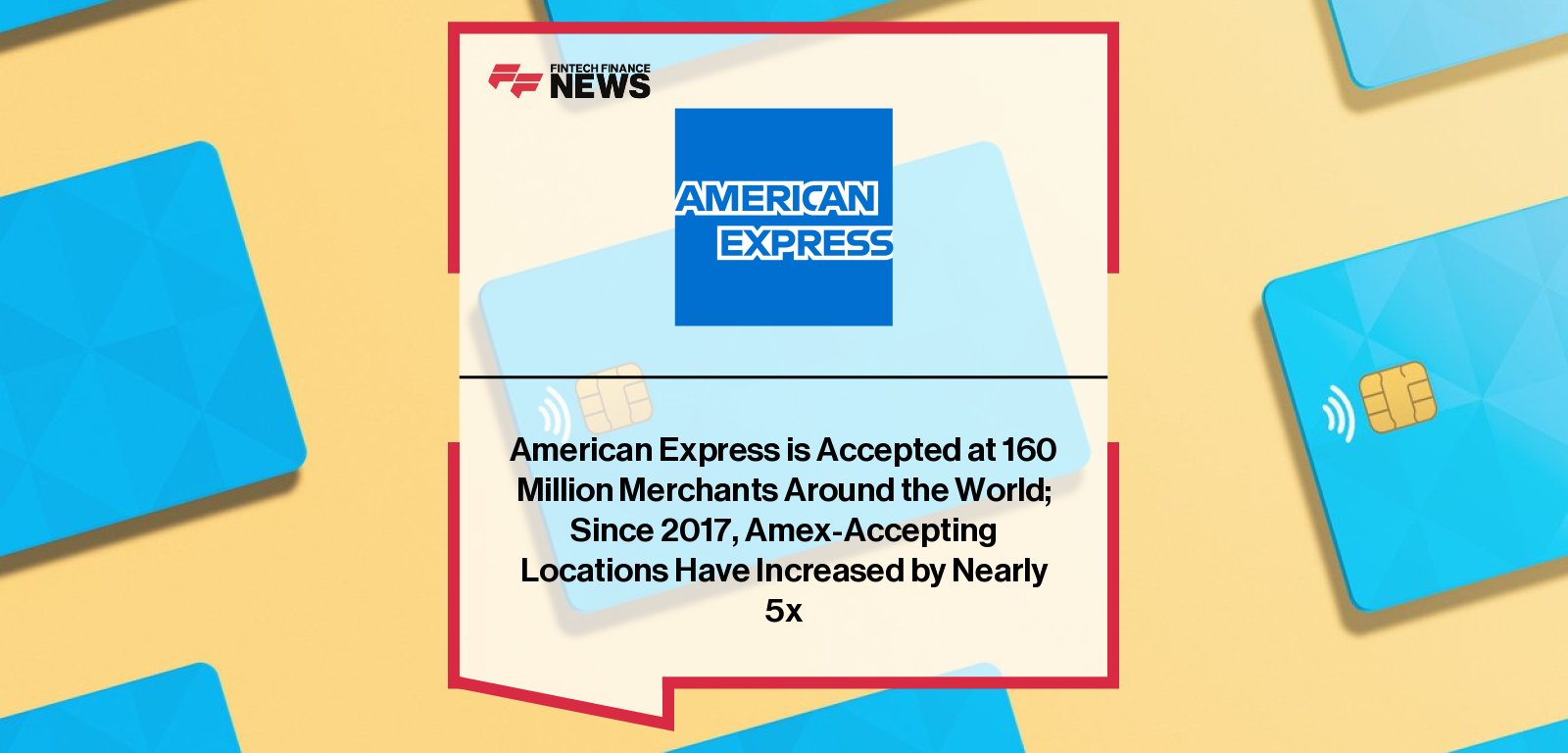
Today, the result is a network that covers millions of locations globally. In the United States alone, over 10 million merchants accept the card, ranging from multinational corporations to local boutiques.
Major National and Global Retailers
When shopping at major national chains, you can almost guarantee that your American Express card will be welcomed. These large-scale operations prioritize customer convenience and recognize that a significant portion of their high-value customers prefer using Amex for the purchase protection and rewards points.
Grocery Stores and Supermarkets
For many families, the grocery bill is one of the largest monthly expenditures. Fortunately, Amex acceptance in this sector is nearly universal. Major players like Kroger, Whole Foods Market, Publix, Safeway, Wegmans, Meijer, and Aldi all accept American Express.
This is particularly beneficial for holders of cards like the American Express® Gold Card or the Blue Cash Preferred® Card, which offer high-percentage cash back or point multipliers on US supermarket purchases. It is worth noting, however, that “wholesale clubs” like Costco remain an exception; Costco famously has an exclusive partnership with Visa, meaning Amex is not accepted at their registers or gas stations.
E-commerce and Online Marketplaces
The digital economy is perhaps the most Amex-friendly environment. Online giants such as Amazon, eBay, Etsy, and Wayfair have long accepted American Express. Furthermore, digital payment gateways like PayPal, Apple Pay, and Google Pay allow you to link your Amex card, effectively bypassing many merchant-level restrictions. If a small online vendor accepts PayPal, you can usually use your Amex card through that interface even if the vendor doesn’t process Amex directly.
Travel and Hospitality
As a brand that built its reputation on “Travel & Entertainment,” American Express remains the gold standard in this industry. Every major airline—including Delta, United, American Airlines, and Southwest—accepts Amex. The same applies to global hotel chains like Marriott, Hilton, Hyatt, and InterContinental Hotels Group (IHG). Rental car agencies and cruise lines are also nearly 100% compliant with the Amex network.
Small Businesses and the “Shop Small” Movement
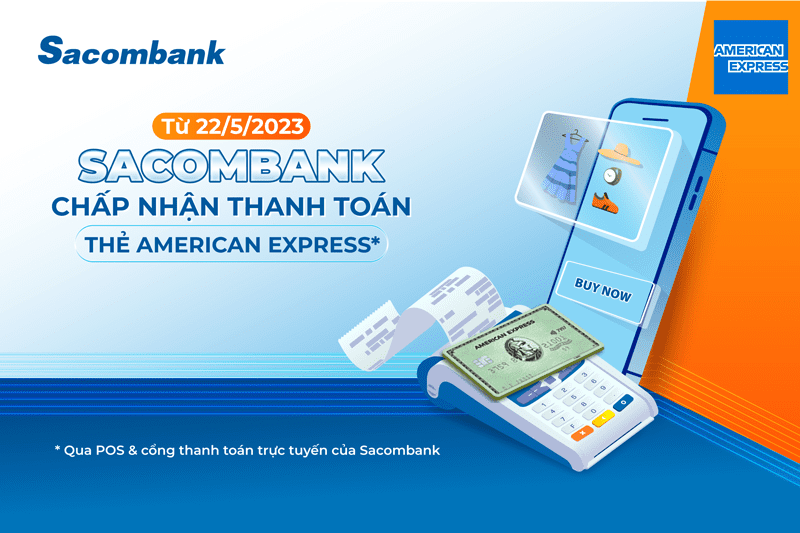
One of the most successful marketing and financial initiatives in the credit card industry has been Amex’s “Shop Small” campaign and Small Business Saturday. By incentivizing cardholders to spend at local independent retailers, American Express has actively worked to change the perception that they are only for “big business.”
The Role of Modern Point-of-Sale (POS) Systems
The rise of fintech has been a boon for Amex acceptance. In the past, a small business owner had to negotiate a specific contract to accept Amex. Now, when a business signs up for a modern POS system like Square, Shopify, or Stripe, American Express acceptance is typically bundled in automatically with Visa and Mastercard.
As a result, you will find that a vast majority of:
-
Local coffee shops and bakeries
-
Independent bookstores
-
Boutique clothing stores
-
Professional services (Lawyers, Accountants, Consultants)
-
Local contractors (Plumbers, Electricians, Landscapers)
Now accept the card without hesitation. If you see a digital screen at the checkout (like a Square terminal), there is a nearly 100% chance your Amex will be accepted.
Why Some Merchants Still Decline Amex
Despite the progress, you may still encounter the occasional “No Amex” sign. This usually occurs in businesses with extremely thin profit margins, such as certain discount “mom-and-pop” convenience stores or specific low-cost ethnic restaurants. For these owners, even a 0.5% difference in transaction fees can impact their bottom line. However, as the cost of processing Amex has become more competitive through programs like OptBlue, these holdouts are becoming increasingly rare.
International Acceptance: A Growing Frontier
While Amex acceptance in the US is at near-parity with its peers, international acceptance is a more complex story. The level of acceptance varies significantly depending on the region and the local financial infrastructure.
Highly Compatible Regions
In major international hubs and tourist-heavy regions, Amex is widely accepted.
-
United Kingdom and Canada: Acceptance is very high in urban centers and major retail chains.
-
Australia: Most major retailers accept Amex, though some smaller merchants may apply a “surcharge” to offset the higher processing fees (a practice more common in Australia than in the US).
-
Japan: Through a long-standing partnership with the local JCB network, American Express has surprisingly high acceptance rates in Japan, even in areas where you might expect it to be limited.
Regions with Limited Acceptance
In parts of Continental Europe (particularly Germany and the Netherlands), there is still a cultural preference for debit cards or “Girocards.” While luxury hotels and high-end retailers in Paris or Berlin will accept Amex, smaller cafes and local shops may only accept local debit cards or cash. Similarly, in many developing economies across Southeast Asia, Africa, and South America, Visa and Mastercard maintain a much larger footprint due to their lower-cost entry points for local banks.
Strategic Tips for Amex Cardholders
To navigate the merchant landscape effectively and ensure you never miss out on earning points or managing your business expenses, consider the following strategies:
-
Use Digital Wallets: Link your Amex to Apple Pay, Google Pay, or Samsung Pay. Often, a merchant’s contactless reader will accept an Amex transaction through a digital wallet even if the physical card isn’t explicitly listed on their storefront.
-
Look for the “Shop Small” Map: American Express provides an interactive “Shop Small” map on their website and mobile app. This is an invaluable tool for finding local merchants, restaurants, and service providers in your area that are confirmed to accept the card.
-
The “Back-up” Rule: Despite 99% acceptance in the US, the 1% can still catch you off guard (most notably at Costco or some government offices/utilities). It is always a sound financial practice to carry one “No Foreign Transaction Fee” Visa or Mastercard as a backup, especially when traveling abroad.
-
Leverage Business Payments: For business owners, many B2B vendors and suppliers now accept Amex. If you are paying for inventory or digital advertising (like Google or Meta ads), using a Business Gold or Business Platinum card can yield massive rewards on high-volume spend. If a vendor doesn’t accept credit cards at all, services like Plastiq allow you to pay via Amex for a fee, while the vendor receives a check or ACH transfer.
Conclusion
The question “what merchants accept American Express?” no longer requires a short list of exclusive partners. Instead, the answer covers the vast majority of the modern economy. From the supermarket down the street to the biggest e-commerce platforms in the world, the Amex logo is more ubiquitous than ever.
While the occasional small business or international kiosk might still present a challenge, the gap has effectively closed for the American consumer. By understanding the network’s strengths in the travel, grocery, and online sectors—and utilizing tools like digital wallets and the Shop Small map—cardholders can confidently use American Express as their primary financial tool for almost every transaction. The shift from an “exclusive” card to an “everyday” card is complete, offering users the best of both worlds: premium rewards and universal utility.
aViewFromTheCave is a participant in the Amazon Services LLC Associates Program, an affiliate advertising program designed to provide a means for sites to earn advertising fees by advertising and linking to Amazon.com. Amazon, the Amazon logo, AmazonSupply, and the AmazonSupply logo are trademarks of Amazon.com, Inc. or its affiliates. As an Amazon Associate we earn affiliate commissions from qualifying purchases.