
In the evolving landscape of personal finance, the prepaid card has transitioned from a niche product for the “unbanked” to a sophisticated strategic tool used by a wide demographic of consumers. Once associated with high fees and limited functionality, the modern prepaid card now rivals traditional checking accounts in terms of utility, security, and digital integration. However, as the market becomes saturated with options from traditional banks, fintech startups, and retail giants, the definition of a “good” prepaid card has become more nuanced.
A good prepaid card is no longer just a piece of plastic that holds a balance; it is a financial instrument that provides transparency, cost-efficiency, and a suite of features designed to help users manage their money more effectively. To identify a high-quality prepaid card, one must look beyond the surface-level marketing and evaluate the underlying fee structures, the robustness of the digital ecosystem, and the specific protections offered to the cardholder.
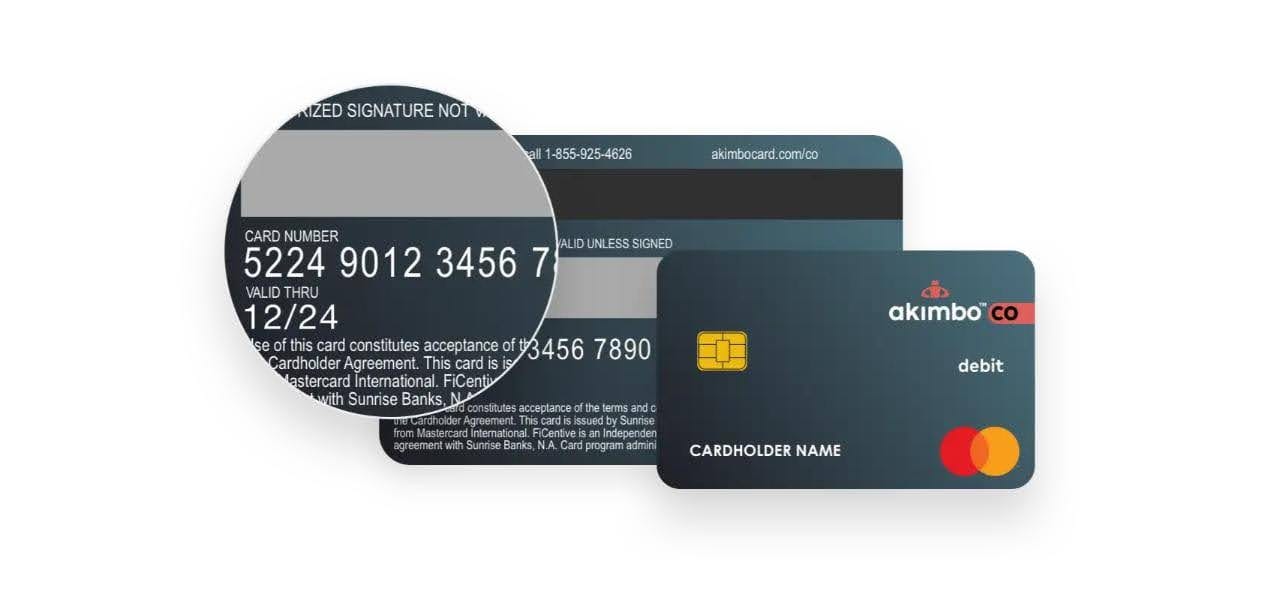
The Core Fundamentals of a High-Quality Prepaid Card
To understand what constitutes a “good” prepaid card, it is essential to first define its role within the broader financial system. Unlike a credit card, which allows you to borrow money up to a certain limit, or a traditional debit card, which is linked directly to a liquid checking account, a prepaid card requires you to load funds onto the card before use. This fundamental difference creates a unique set of benefits and challenges.
Fee Transparency and Minimalism
The most critical hallmark of a good prepaid card is a transparent and low-cost fee structure. In the past, prepaid cards were notorious for “hidden” costs, including activation fees, monthly maintenance fees, inactivity fees, and even fees for checking your balance at an ATM.
A top-tier prepaid card today should ideally have no monthly fee, or at the very least, a fee that is easily waivable through a minimum monthly deposit. Furthermore, a quality card will offer free reloads via direct deposit and a large network of surcharge-free ATMs. When a financial tool eats away at your principal balance through predatory micro-transactions, it ceases to be an effective money management tool.
Extensive Accessibility and Network Reliability
A prepaid card is only as useful as the places that accept it. Therefore, a “good” card must be issued on a major payment network, such as Visa, Mastercard, or American Express. This ensures that the card can be used globally for online shopping, bill payments, and in-person transactions.
Beyond merchant acceptance, accessibility also refers to how easily a user can add money to the card. The best providers offer multiple reload channels, including mobile check capture, bank transfers, and “green-dot” retail locations. While digital transfers are standard, the ability to deposit physical cash at a local pharmacy or grocery store remains a vital feature for many users.
Tactical Applications: Why Sophisticated Consumers Choose Prepaid
While some use prepaid cards out of necessity, many financially savvy individuals use them as tactical supplements to their primary banking setup. The quality of a card is often measured by how well it serves these specific use cases.
Budgeting and Controlled Spending
One of the primary reasons to utilize a prepaid card is the “envelope method” of budgeting brought into the digital age. By loading a specific amount of “discretionary” money onto a prepaid card—such as for dining out or entertainment—users can create a hard ceiling on their spending.
A good prepaid card facilitates this by providing real-time transaction alerts and categorization tools within its mobile app. When you see exactly how much is left in your “entertainment” bucket after every purchase, you are less likely to overspend. This separation of funds also ensures that even if you exhaust your prepaid balance, your primary funds for rent and utilities remain untouched in your main bank account.
Financial Education and Teen Banking
Prepaid cards have become the premier tool for teaching financial literacy to the next generation. A high-quality “family” prepaid card allows parents to automate allowances, set spending limits, and monitor their children’s transactions in real-time.
In this niche, a “good” card is defined by its educational interface. It shouldn’t just be a payment tool; it should include features that encourage saving, such as “round-up” tools that put spare change into a digital savings vault. By providing a safe environment with “training wheels,” these cards help teens understand the consequences of spending without the risk of overdraft fees or credit card debt.
Privacy and Secure Online Shopping
In an era of frequent data breaches, many consumers are hesitant to use their primary debit card for online transactions or recurring subscriptions. A good prepaid card acts as a firewall. By using a prepaid card for online marketplaces or unfamiliar websites, you limit your exposure. If the card details are compromised, the potential loss is restricted to the balance on the card, rather than the entire contents of your life savings. Some of the best prepaid cards even offer “virtual” card numbers that can be changed or deleted after a single use, providing an extra layer of digital security.
Evaluating Security and Regulatory Protections
A common misconception is that all cards with a Visa or Mastercard logo offer the same protections. In reality, the regulatory framework for prepaid cards is slightly different from that of traditional bank accounts, making it imperative to choose a card from a reputable issuer.
FDIC Insurance and Fund Protection
The most important security feature of any financial tool is the protection of the principal balance. A good prepaid card must offer FDIC insurance through its partner bank. This ensures that if the issuing company goes bankrupt, your funds are insured by the federal government up to $250,000. Without this guarantee, your money is essentially an unsecured loan to the card issuer. Always check the fine print to ensure that “pass-through” FDIC insurance is active on the account.
Fraud Liability and Zero-Liability Policies
Standard debit cards are protected by the Electronic Fund Transfer Act (Regulation E), but the level of protection can vary based on how quickly you report a loss. A high-quality prepaid card provider often goes beyond the legal minimum, offering “Zero Liability” policies that mirror those of high-end credit cards. This means if your card is stolen or used fraudulently, you are not held responsible for the unauthorized charges. Additionally, the ability to instantly “lock” or “freeze” the card via a mobile app is a non-negotiable feature for any card considered “good” in the current market.
The Role of the Digital Ecosystem
In 2024 and beyond, the physical card is only half of the equation. The digital experience provided by the issuer often determines the true value of the tool.
Mobile App Functionality and UX
A clunky, slow, or unintuitive mobile app can ruin the experience of using an otherwise great prepaid card. A good provider invests heavily in user experience (UX). Features such as instant peer-to-peer (P2P) transfers, bill pay integration, and detailed spending analytics are standard for top-tier cards. Furthermore, integration with mobile wallets like Apple Pay, Google Pay, and Samsung Pay is essential for contactless payments and added security.
Rewards and Value-Added Services
As the prepaid market has matured, issuers have begun competing with credit cards by offering rewards. While you shouldn’t expect the high cashback rates of a premium credit card, a “good” prepaid card might offer 1% to 5% cashback on specific categories like groceries or gas. Some cards also offer “early direct deposit,” allowing users to access their paychecks up to two days earlier than they would with a traditional bank. These value-added services can turn a simple spending tool into a wealth-building asset.

Final Considerations: How to Choose the Right Card
Identifying a good prepaid card requires a clear-eyed assessment of your personal financial goals. There is no one-size-fits-all solution; the “best” card for a traveler will differ from the “best” card for a parent or a budget-conscious student.
When evaluating your options, use the following checklist:
-
Does it have a monthly fee? If yes, is the fee justified by the rewards or easily waivable?
-
Is the money FDIC insured? Never compromise on the safety of your principal.
-
What is the ATM network? Ensure there are free withdrawal points near where you live and work.
-
Does the app support my needs? Look for features like card locking, real-time alerts, and budgeting tools.
-
How easy is it to load money? If you deal with cash, retail reload availability is paramount.
In conclusion, a good prepaid card is a transparent, secure, and digitally-integrated financial tool that empowers the user rather than taxing them. By focusing on low fees, high security, and functional utility, consumers can leverage these cards to master their budgets, protect their privacy, and navigate the digital economy with confidence. As the line between traditional banking and fintech continues to blur, the prepaid card remains a versatile and essential component of a modern personal finance toolkit.
aViewFromTheCave is a participant in the Amazon Services LLC Associates Program, an affiliate advertising program designed to provide a means for sites to earn advertising fees by advertising and linking to Amazon.com. Amazon, the Amazon logo, AmazonSupply, and the AmazonSupply logo are trademarks of Amazon.com, Inc. or its affiliates. As an Amazon Associate we earn affiliate commissions from qualifying purchases.