
Gift cards have evolved from simple last-minute presents into a massive sub-sector of the global financial ecosystem. Every year, billions of dollars are loaded onto these plastic and digital tokens, yet a staggering percentage of that value remains unspent. From a personal finance perspective, a gift card is more than just a gesture of goodwill; it is a non-interest-bearing asset that represents real purchasing power. Knowing exactly how much money is on your gift card is the first step in effective asset management, ensuring that your capital does not become “breakage”—the industry term for the billions of dollars in gift card value that go unredeemed and eventually pad the bottom lines of major corporations.
Managing these balances requires a disciplined approach to financial tracking. When you ask, “how much money is in my gift card,” you are essentially performing an audit of your personal liquidity. This guide explores the sophisticated methods for tracking these balances, the economic implications of unused funds, and strategic ways to integrate gift cards into your broader financial planning.
The Economic Reality of Gift Card Balances
To understand why tracking your gift card balance is vital, one must look at the macroeconomics of the prepaid industry. Gift cards are essentially interest-free loans provided by consumers to retailers. When a card is purchased, the retailer receives the cash immediately, while the consumer holds a promise of future goods or services.
Understanding the Concept of Breakage
In the world of corporate finance, “breakage” refers to the percentage of gift card value that is never redeemed. Estimates suggest that nearly $3 billion in gift card balances go unused every year in the United States alone. For the consumer, this is a direct loss of wealth. For the corporation, it is a significant source of pure profit, often recognized on balance sheets after a certain period of inactivity. By maintaining a strict awareness of your balances, you are actively preventing your personal wealth from contributing to corporate breakage.
Gift Cards as Budgeting Tools
Beyond their role as gifts, these cards can serve as strategic tools for personal budgeting. Many savvy financial planners use “closed-loop” cards (cards restricted to a specific merchant) to cap spending in specific categories, such as groceries or entertainment. If you have allocated $200 to a specific store via a gift card, knowing your remaining balance to the penny allows you to stick to a zero-based budget. This transformation of a gift into a budgetary instrument requires constant vigilance over the remaining funds.
Professional Methods for Verifying Your Balance
Determining the exact value remaining on a gift card varies depending on whether the card is “open-loop” (issued by a major credit processor like Visa or Mastercard) or “closed-loop” (issued by a specific brand). Each requires a different approach to financial verification.
Utilizing Official Merchant Portals
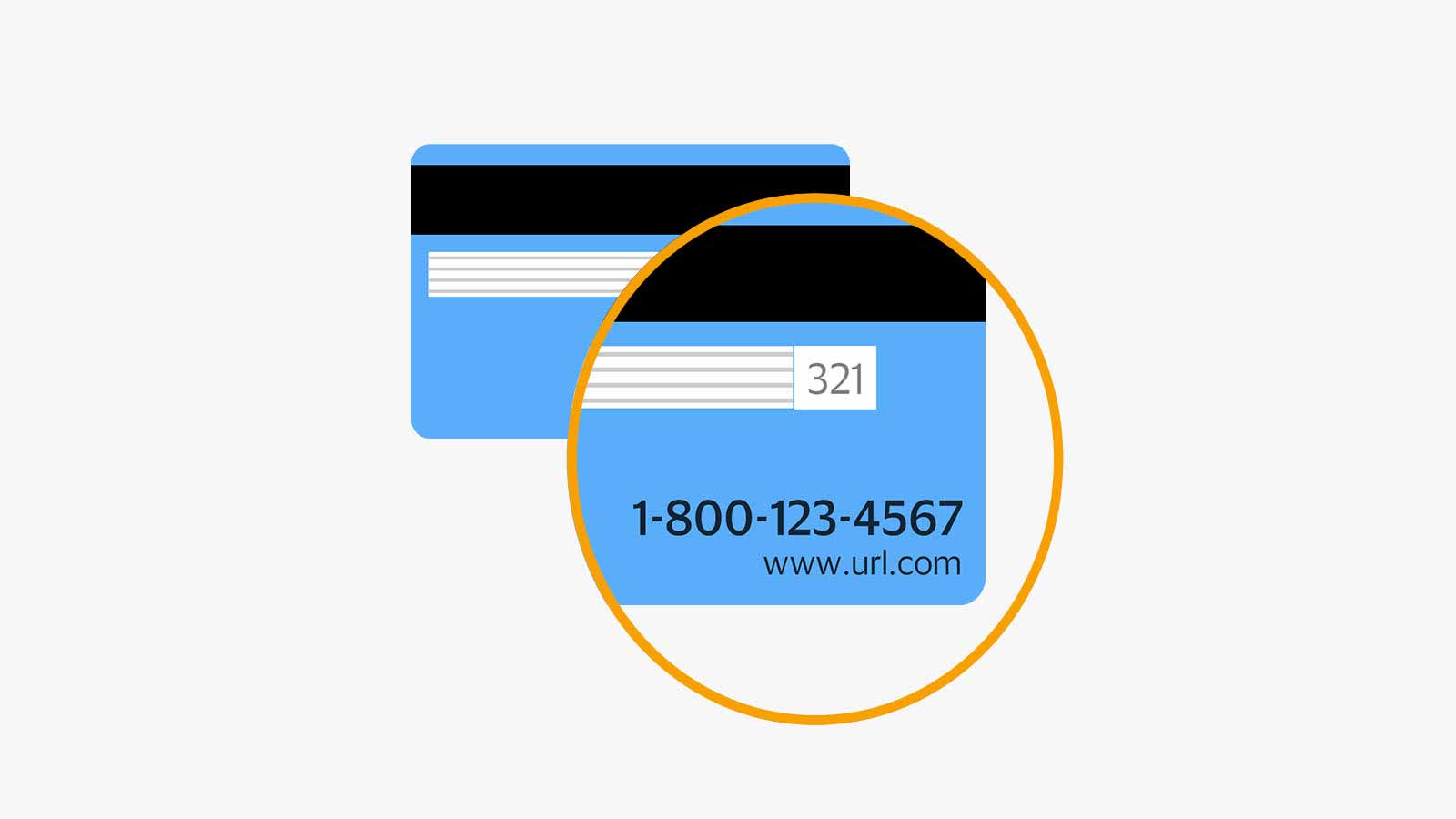
The most secure method to check a balance is through the issuer’s official digital infrastructure. Most major retailers provide a dedicated “Balance Checker” page on their website. To use these, you typically need the 16-digit card number and the Security Code (CVV or PIN), often hidden behind a scratch-off coating.
- Pro-tip for Financial Security: Always ensure you are on the legitimate website of the retailer. Phishing sites often mimic gift card balance checkers to steal card data. Look for the “https” protocol and verified domain names before entering any sensitive financial information.
Leveraging Integrated Mobile Wallets
In the modern digital economy, manual tracking is becoming obsolete. Platforms like Apple Wallet and Google Pay allow users to store digital versions of their gift cards. In many cases, these wallets sync directly with the merchant’s database to provide real-time balance updates. This provides a “dashboard” view of your prepaid assets, making it much easier to include them in your overall net worth calculations.
In-Store Verification and Point-of-Sale Receipts
For those who prefer physical retail environments, the most accurate balance often appears at the bottom of your last transaction receipt. If you have lost the receipt, any cashier can perform a “balance inquiry” at the Point-of-Sale (POS) terminal. This provides a definitive record of the funds available, which you should immediately note on the card itself using a permanent marker to avoid future confusion.

Strategic Management of Low-Balance Cards
A common financial leak occurs when a gift card falls below a certain threshold—typically $5 or $10. Many consumers view these small amounts as “too small to bother with,” leading to millions in aggregate lost value. However, from an investment mindset, every dollar counts.
Consolidation and “Draining” the Balance
Most major online retailers allow you to “reload” your account balance using a gift card. If you have a Visa gift card with $2.37 remaining, you can often apply that exact amount to your Amazon or Target account. This “drains” the card completely, transferring the value into a more usable digital ledger. This ensures that no fraction of your capital is left dormant.
Converting Gift Cards to Liquid Cash
If you find yourself holding a high-value gift card for a merchant you do not frequent, it may be financially prudent to liquidate the asset. While you will rarely get 100% of the face value, several reputable secondary markets allow you to sell gift cards for cash.
- The Math of Resale: If you sell a $100 gift card for $85 in cash, you are taking a 15% loss. However, if that $100 card was going to sit in a drawer for two years, the immediate $85 can be placed into a high-yield savings account or an index fund, where it can begin earning compound interest. In many cases, the liquidity and potential for investment outweigh the loss taken during the sale.
Legal Protections and Expiration Dates
Financial regulations, such as the Credit CARD Act of 2009 in the U.S., have significantly limited the ability of issuers to expire gift cards or charge “inactivity fees.” Generally, gift cards cannot expire for at least five years from the date of purchase. Understanding these legal protections is a key component of financial literacy, ensuring you don’t discard a card simply because it is old.
Protecting Your Prepaid Assets from Fraud
As gift cards are effectively cash, they are primary targets for sophisticated financial scams. Protecting the “money in your gift card” is just as important as protecting the money in your bank account.
The Dangers of Public Gift Card Racks
A common scam involves fraudsters recording the numbers and PINs of cards on public display in grocery stores, then waiting for a consumer to purchase and activate them. To mitigate this risk, always inspect the silver security coating on the back of the card. If it looks tampered with, do not purchase it. Whenever possible, purchase digital gift cards directly from the merchant’s website to bypass the physical supply chain entirely.
Avoiding “Gift Card for Payment” Scams
It is a fundamental rule of personal finance: no legitimate government agency or utility company will ever ask for payment via gift card. If someone asks you to pay a debt, a fine, or a fee using a gift card, it is a guaranteed scam. Once the numbers are shared, the money is gone instantly, and unlike credit card transactions, gift card payments are rarely reversible.
Auditing Your Digital Portfolio
Just as you would review a monthly bank statement, you should perform a quarterly audit of your gift cards. List every card you own, check the balances using the methods described above, and decide on a “spend-down” plan. Financial health is often the result of managing the small details, and a forgotten $50 gift card is a missed opportunity for a debt payment, an investment, or a necessary purchase.
The Role of Gift Cards in a Modern Financial Strategy
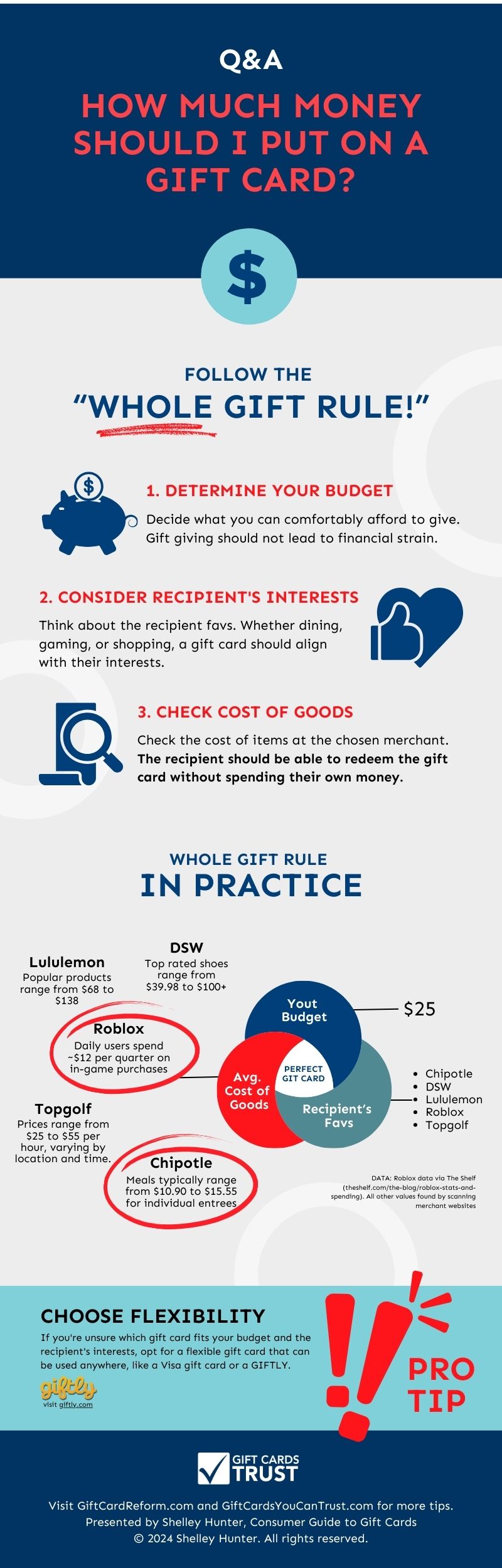
Ultimately, the money in your gift card is a part of your total financial picture. Whether you are using them to hedge against inflation by prepaying for future goods, using them as a disciplined spending tool, or liquidating them to bolster your savings, these cards represent real value.
The transition from “How much money is in my gift card?” to “How can I best utilize this asset?” marks a significant step in financial maturity. By refusing to let these balances expire or be forgotten, you reclaim your portion of the billions of dollars that currently sit idle in the retail economy. Treat every gift card with the same respect you would a hundred-dollar bill; track it, protect it, and spend it strategically. In the quest for financial independence, every cent—especially the ones sitting on a piece of plastic in your wallet—matters.
aViewFromTheCave is a participant in the Amazon Services LLC Associates Program, an affiliate advertising program designed to provide a means for sites to earn advertising fees by advertising and linking to Amazon.com. Amazon, the Amazon logo, AmazonSupply, and the AmazonSupply logo are trademarks of Amazon.com, Inc. or its affiliates. As an Amazon Associate we earn affiliate commissions from qualifying purchases.