
Deciding to sell your Bitcoin is a significant financial milestone. Whether you are liquidating to lock in profits after a bull run, diversifying your investment portfolio, or needing liquidity for a major life purchase, the process of converting digital gold into fiat currency requires careful planning. Unlike traditional stock markets, the cryptocurrency ecosystem operates 24/7 and involves a unique set of technical and financial considerations. To maximize your returns and minimize your risks, you must navigate the complexities of exchange platforms, fee structures, and tax obligations with precision.

This guide explores the strategic avenues for selling Bitcoin, the logistical steps involved in cashing out, and the financial implications of your exit strategy.
Choosing the Right Platform for Your Financial Goals
The first step in selling Bitcoin is determining which platform best aligns with your needs for speed, security, and cost-effectiveness. The cryptocurrency market offers several distinct methods for cashing out, each catering to different types of investors.
Centralized Exchanges (CEX)
Centralized exchanges like Coinbase, Kraken, and Binance remain the most popular choice for individual investors. These platforms function similarly to traditional brokerage firms. They offer high liquidity, meaning you can sell large amounts of Bitcoin without significantly impacting the market price. The primary advantage of a CEX is the “fiat gateway”—the ability to link your bank account directly to the exchange for seamless transfers.
Peer-to-Peer (P2P) Marketplaces
P2P platforms allow you to sell Bitcoin directly to another individual. On these sites, you can set your own price and choose from a variety of payment methods, including bank transfers, digital payment apps, or even cash in person. While P2P selling can offer more privacy and potentially higher prices, it carries a higher risk of fraud. Success in P2P selling requires using platforms with robust escrow services that hold the Bitcoin until the buyer’s payment is confirmed.
Bitcoin ATMs and Direct Brokerages
For those who prioritize speed and physical accessibility, Bitcoin ATMs allow you to sell BTC and receive cash on the spot. However, these machines are notorious for high transaction fees—often ranging from 7% to 15%—and less favorable exchange rates. Direct brokerages, on the other hand, offer a simplified “buy/sell” interface for a premium fee, catering to users who want to avoid the complexity of an order book.
The Step-by-Step Process of Converting BTC to Fiat
Once you have selected a platform, the actual execution of the sale involves a series of technical and regulatory steps. Following a disciplined workflow ensures that your funds remain secure and that your bank does not flag the incoming transfer as suspicious.
Verifying Your Identity (KYC)
Virtually all reputable platforms that deal with fiat currency (USD, EUR, GBP) require Know Your Customer (KYC) verification. This involves uploading a government-issued ID and sometimes providing proof of residence. From a financial perspective, completing KYC is essential for legal compliance and ensures that your capital gains are properly documented. It is advisable to complete this process well in advance of when you actually need to sell, as verification can take several days.
Transferring Assets from Cold Storage
If you have been practicing good digital hygiene, your Bitcoin is likely stored in a hardware wallet (cold storage). To sell, you must transfer the desired amount to the exchange’s “hot wallet.” During this step, you must be meticulous about wallet addresses. A single character error can lead to the permanent loss of funds. Furthermore, be mindful of network congestion; during periods of high volatility, Bitcoin transaction fees can spike, and confirmation times can slow down.
Executing the Trade: Limit vs. Market Orders
When you are ready to sell on an exchange, you generally have two options:
-
Market Order: This sells your Bitcoin instantly at the current best available price. It is ideal for those who need liquidity immediately and are selling smaller amounts.
-
Limit Order: This allows you to set a specific price at which you are willing to sell. The trade only executes if the market reaches that price. Limit orders give you more control over your exit price and often come with lower “maker” fees compared to the “taker” fees of market orders.
Managing Tax Implications and Financial Reporting

Selling Bitcoin is not just a technical transaction; it is a taxable event in most jurisdictions. Failure to account for the fiscal responsibilities associated with cryptocurrency sales can lead to significant penalties and legal complications.
Understanding Capital Gains
In the eyes of most tax authorities, Bitcoin is treated as property rather than currency. When you sell Bitcoin for a price higher than what you paid for it, you realize a capital gain. Most regions differentiate between short-term capital gains (assets held for less than a year) and long-term capital gains (assets held for over a year). Long-term gains are typically taxed at a lower rate, making the timing of your sale a critical component of your overall financial strategy.
Calculating the Cost Basis
To determine your tax liability, you must calculate your “cost basis”—the original value of the Bitcoin when you acquired it, including any transaction fees. This can become complex if you acquired Bitcoin at various times and prices. Common accounting methods include:
-
FIFO (First-In, First-Out): Selling the oldest coins first.
-
LIFO (Last-In, First-Out): Selling the most recently acquired coins first.
-
HIFO (Highest-In, First-Out): Selling the coins with the highest cost basis first to minimize immediate tax liability.
Consulting with a tax professional who specializes in digital assets is highly recommended to ensure compliance with local laws.
Optimizing for Lower Fees and Better Exchange Rates
Maximizing the “cash-in-pocket” amount requires a keen eye for the hidden costs associated with liquidating crypto assets. Fees can erode your profits if you are not careful about where and when you trade.
Identifying Spread and Transaction Fees
The “spread” is the difference between the buy and sell price on an exchange. On low-liquidity platforms, a wide spread can mean you receive significantly less than the “market price” seen on tracking sites. Beyond the spread, exchanges charge a percentage-based trading fee. High-volume traders can often access lower fee tiers, but for the average investor, it is worth comparing different exchanges to find the most competitive rates.
Minimizing Withdrawal Charges
Once your Bitcoin is sold for fiat, you must transfer that money to your bank account. Exchanges often charge a flat fee or a percentage for Wire transfers or ACH withdrawals. Some modern fintech-friendly exchanges offer free transfers to specific banks. Always calculate the total cost—from the initial network fee to move the BTC to the final withdrawal fee—before committing to a platform.
Timing Market Liquidity
Bitcoin’s price is influenced by liquidity. Selling during peak market hours in major financial hubs (such as the New York or London sessions) often results in tighter spreads and more stable pricing. Avoid selling during extreme “flash crashes” or periods of intense network upgrades unless absolutely necessary, as these times are often accompanied by erratic exchange behavior and elevated fees.
Strategic Reinvestment and Cash Management
Cashing out your Bitcoin is rarely the end of a financial journey. Once the fiat currency hits your bank account, you must decide how to integrate those funds into your broader financial plan.
Rebalancing Your Portfolio
For many, selling Bitcoin is an act of portfolio rebalancing. If Bitcoin’s explosive growth has caused it to represent a disproportionately large percentage of your net worth, selling a portion allows you to move that capital into more stable assets, such as index funds, real estate, or high-yield savings accounts. This reduces your overall risk profile while still maintaining exposure to the upside of digital assets.
Protecting Your Remaining Holdings
If you are only selling a portion of your Bitcoin, use the opportunity to review the security of your remaining assets. Ensure your hardware wallet firmware is updated and that your recovery seeds are stored in a fireproof, secure location. The peace of mind that comes with secure storage allows you to hold your remaining position with greater confidence.
Establishing a “Cash Out” Strategy
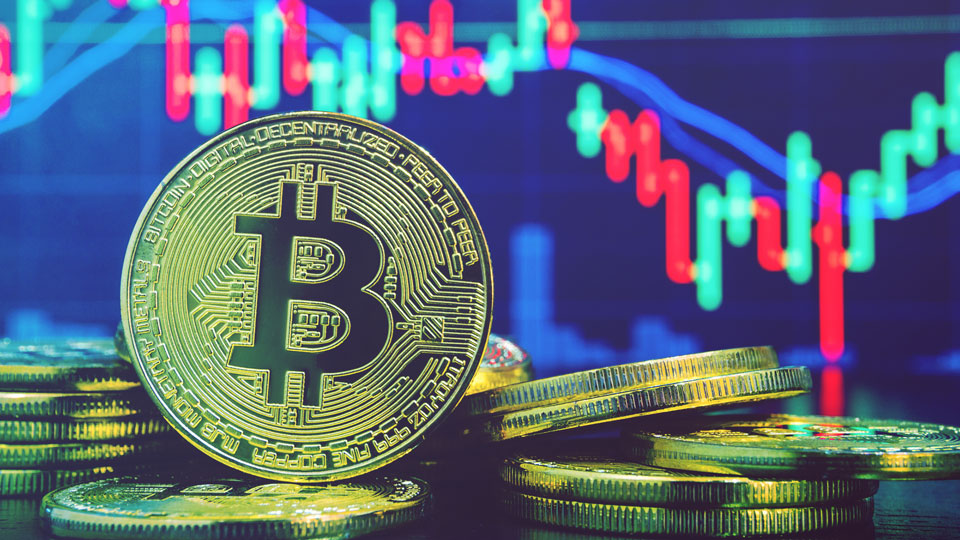
Rather than selling your entire position in a single transaction, consider a “Laddering” or “Dollar-Cost Averaging Out” strategy. By selling fixed amounts at regular intervals or at specific price targets, you mitigate the risk of selling everything right before a massive price surge. This disciplined approach removes the emotional volatility associated with market timing and ensures a more consistent average exit price.
Selling Bitcoin is a sophisticated financial maneuver that demands attention to detail. By selecting the right platform, understanding the tax consequences, and minimizing fees, you can ensure that the transition from digital asset to liquid capital is smooth, profitable, and compliant. Whether you are exiting the market entirely or simply taking some “chips off the table,” a professional approach to cashing out is the final step in a successful investment cycle.
aViewFromTheCave is a participant in the Amazon Services LLC Associates Program, an affiliate advertising program designed to provide a means for sites to earn advertising fees by advertising and linking to Amazon.com. Amazon, the Amazon logo, AmazonSupply, and the AmazonSupply logo are trademarks of Amazon.com, Inc. or its affiliates. As an Amazon Associate we earn affiliate commissions from qualifying purchases.