
In the world of digital finance, the ability to verify and track your assets is a fundamental skill. Unlike traditional banking, where a wire transfer or a credit card payment is managed by a centralized institution, Bitcoin operates on a decentralized ledger. This shift in responsibility means that the investor is their own bank. Understanding how to confirm a Bitcoin transaction is not merely a technical hurdle; it is a critical component of financial literacy in the age of digital assets. Whether you are moving funds to cold storage, paying for a service, or receiving payment for a side hustle, knowing exactly where your money is and when it is officially yours is paramount.

Understanding the Lifecycle of a Bitcoin Transaction
To effectively confirm a transaction, one must first understand what happens from the moment you click “send” to the moment the funds are considered settled. In traditional finance, a transaction might appear “pending” on your mobile app for days. In the Bitcoin ecosystem, the process is more transparent but involves several distinct stages that every investor should recognize.
The Mempool: The Waiting Room of Digital Finance
When you initiate a Bitcoin transaction, it does not immediately jump onto the blockchain. Instead, it is broadcast to a network of nodes and enters the “Mempool” (short for Memory Pool). Think of the mempool as a digital waiting room or a clearinghouse. Thousands of transactions sit here simultaneously, waiting to be picked up by miners.
From a financial perspective, this is a competitive marketplace. Because block space is limited—Bitcoin produces a new block approximately every ten minutes—miners prioritize transactions that offer higher fees. If your transaction is sitting in the mempool for an extended period, it usually means the fee attached was too low relative to the current market demand. Monitoring the mempool is the first step in confirming that your transaction has at least been recognized by the network.
The Role of Miners in Financial Validation
Bitcoin miners are the auditors of the network. Their job is to take a group of transactions from the mempool, verify their validity (ensuring the sender has the funds and hasn’t spent them twice), and bundle them into a block. Once a miner successfully solves the cryptographic puzzle required to add a block to the chain, your transaction receives its first “confirmation.”
For an investor, the first confirmation is the most significant milestone. It means your transaction is now a permanent part of the public ledger. However, in the realm of high-value investing, one confirmation is often not enough to be considered “final.”
Step-by-Step: How to Verify Your Transaction Status
Confirming a transaction requires a few specific pieces of information and access to a block explorer. A block explorer is essentially a search engine for the blockchain, allowing you to audit the movement of funds in real-time.
Locating Your Transaction ID (TXID)
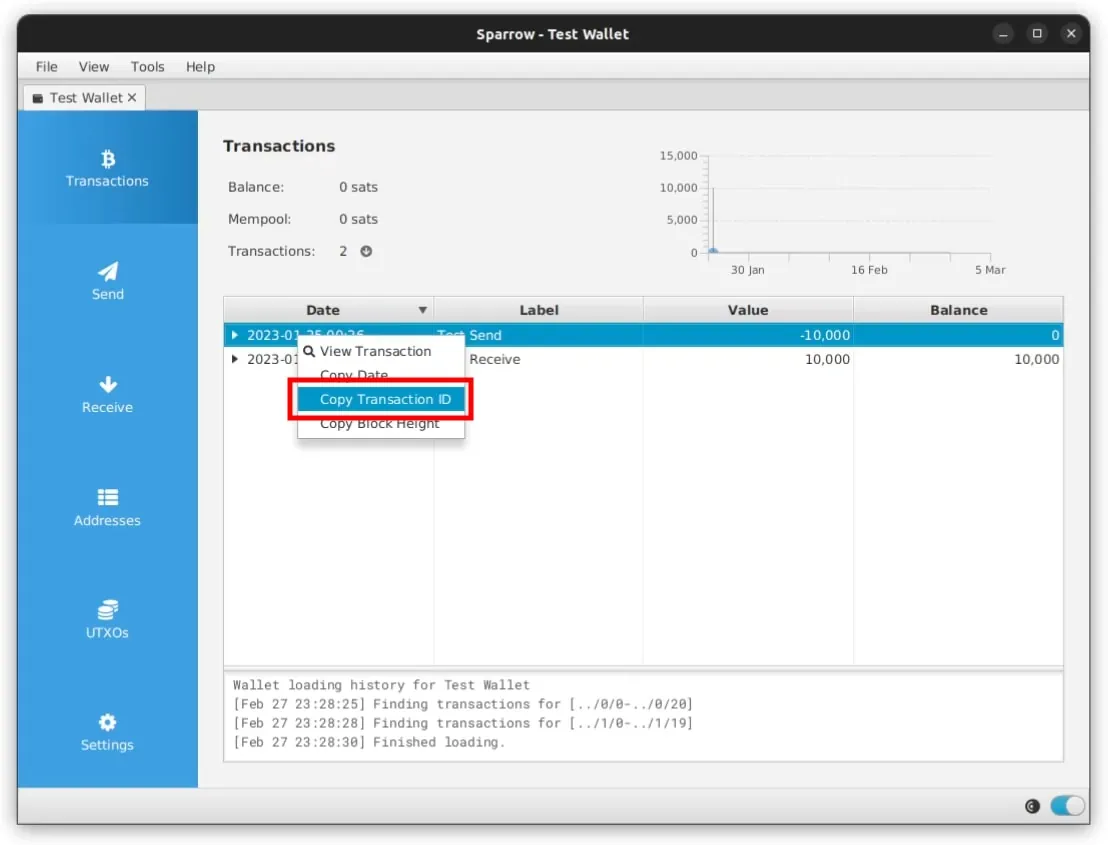
Every Bitcoin transaction is assigned a unique string of alphanumeric characters known as a Transaction ID or Hash (TXID). This ID is your digital receipt. You can find this in the “Activity” or “History” section of your software, hardware, or exchange wallet. It typically looks like a long string of random letters and numbers. Without this ID, tracking a specific transaction becomes significantly more difficult, though you can also search using the sending or receiving Bitcoin address.
Using Block Explorers as Financial Auditing Tools
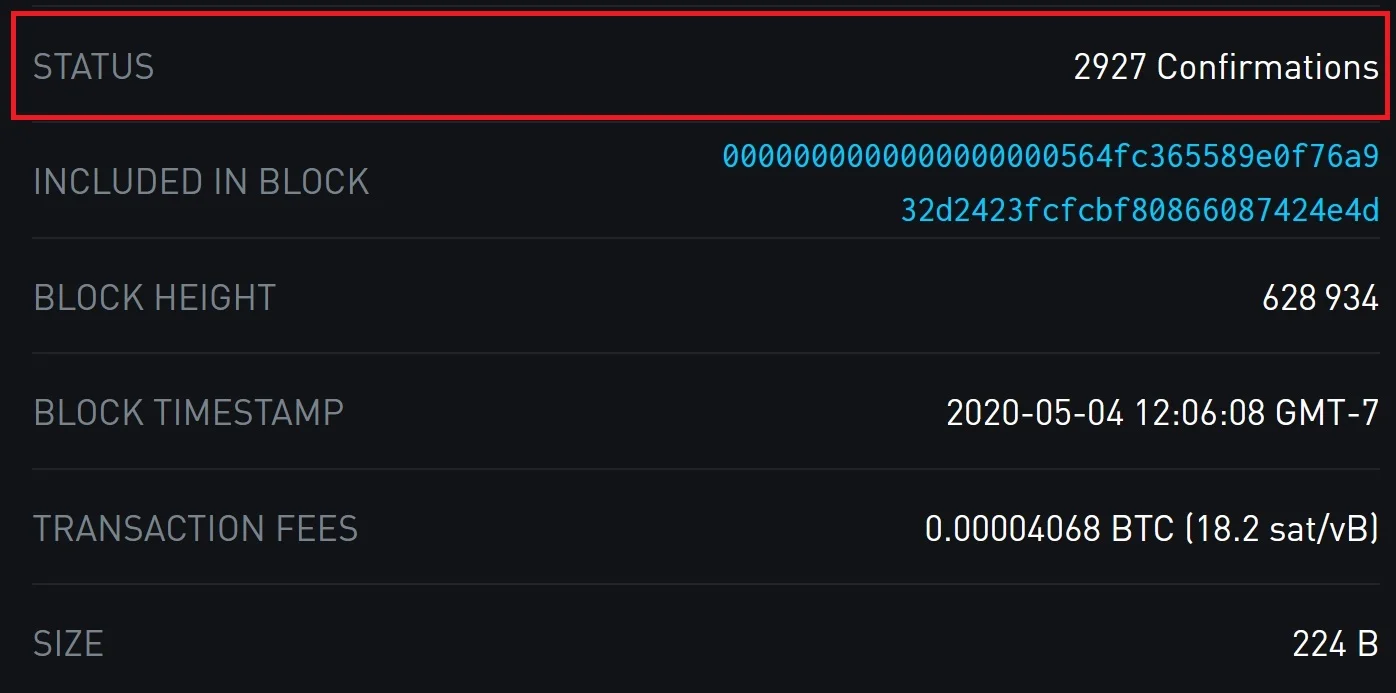
Once you have your TXID, you can use any reputable block explorer—such as Mempool.space, Blockchain.com, or Blockstream.info. By pasting your TXID into the search bar of these tools, you are presented with a wealth of financial data:
-
Status: Whether the transaction is “Unconfirmed” or has a specific number of confirmations.
-
Timestamp: When the transaction was first seen by the network.
-
Fees: Exactly how much you paid in Satoshis per virtual byte (sat/vB).
-
Inputs and Outputs: Which addresses sent the money and where it was distributed.
For the modern investor, the block explorer is the ultimate tool for transparency. It eliminates the need to “trust” a third party; you are looking directly at the ledger of record.
Reading the Data: What “Confirmed” Actually Means
When you look at your transaction on an explorer, you will see a number next to “Confirmations.”
-
0 Confirmations: The transaction is in the mempool. It is reversible (in theory) and not yet settled.
-
1 Confirmation: The transaction is included in the most recent block. For small amounts, this is usually sufficient.
-
3 Confirmations: Often required by exchanges for mid-sized deposits. This level of confirmation makes it statistically nearly impossible for the transaction to be reversed via a “chain reorganization.”
-
6 Confirmations: The industry standard for high-security settlements. After six blocks (roughly one hour), the transaction is considered “final.”
Factors Affecting Confirmation Speed and Cost
One of the most common frustrations for new Bitcoin users is a transaction that remains “unconfirmed” for hours or even days. Understanding the economic variables at play can help you avoid these delays and manage your personal finances more efficiently.
Transaction Fees and Market Demand
Bitcoin’s fee structure is not based on the amount of money sent, but on the amount of data the transaction consumes on the blockchain. A transaction moving $1 million can cost the same as one moving $10, if they occupy the same amount of data.
Fees are calculated in sat/vB. During periods of high market volatility, many investors rush to move funds to or from exchanges, causing “traffic jams” in the mempool. If you set a fee of 10 sat/vB but the market average jumps to 50 sat/vB, your transaction will be pushed to the back of the line. For time-sensitive investing, always check current fee rates on a mempool aggregator before sending.
Network Congestion and Timing Your Transfers
Financial efficiency often comes down to timing. Historically, the Bitcoin network is most congested during the middle of the workweek and during major price fluctuations. If you are performing non-urgent maintenance on your portfolio—such as consolidating small UTXOs (Unspent Transaction Outputs) or moving funds to long-term storage—doing so on a weekend or during a market lull can save you a significant percentage in transaction costs.
Best Practices for Secure Financial Management
Navigating Bitcoin transactions requires a balance of patience and proactive management. To protect your capital and ensure smooth operations, consider the following strategies used by professional digital asset managers.
The “Three-Confirmation Rule” for Large Transfers
If you are selling a high-value asset, such as a car or real estate, and accepting Bitcoin, never hand over the keys or sign the title until you see at least three to six confirmations. While a “pending” transaction in a wallet might look official, it is not legally or technically settled until it is buried under several blocks of work. This discipline is the cornerstone of avoiding “double-spend” scams and ensuring your financial security.
Dealing with Unconfirmed Transactions (RBF and CPFP)
If you find yourself in a situation where your transaction is stuck because of a low fee, don’t panic. The Bitcoin protocol offers two primary financial tools to “speed up” a transaction:
-
Replace-By-Fee (RBF): If your wallet supports RBF, you can essentially resend the transaction with a higher fee. The network will replace the old, low-fee transaction with the new, higher-fee one.
-
Child Pays For Parent (CPFP): If you are the receiver of a stuck transaction, you can “pull” the transaction through by sending the pending funds to yourself again with a very high fee. Miners will want the high fee from the new transaction (the child), but to get it, they must also process the old transaction (the parent).
These tools are essential for anyone using Bitcoin for business or active investing, as they provide a “way out” when network conditions change unexpectedly.
Verifying the Destination: The “Address Check”
Before you even worry about confirmations, you must ensure the destination is correct. Bitcoin transactions are irreversible. A common mistake is sending funds to an incorrect address or falling victim to “clipboard hijacking” malware. Always verify the first and last six characters of the Bitcoin address on the confirmation screen of your hardware wallet. Once the network provides that first confirmation, there is no “customer support” line to call to get your money back.
In summary, confirming a Bitcoin transaction is the process of watching a financial contract move from a proposal (mempool) to a verified record (blockchain). By mastering the use of block explorers, understanding the economics of fees, and adhering to strict confirmation rules, you empower yourself to navigate the digital economy with the confidence of a professional financier. In this decentralized landscape, knowledge is not just power—it is the security of your wealth.
aViewFromTheCave is a participant in the Amazon Services LLC Associates Program, an affiliate advertising program designed to provide a means for sites to earn advertising fees by advertising and linking to Amazon.com. Amazon, the Amazon logo, AmazonSupply, and the AmazonSupply logo are trademarks of Amazon.com, Inc. or its affiliates. As an Amazon Associate we earn affiliate commissions from qualifying purchases.