
The concept of “digital” at AMC Theatres has evolved far beyond a simple website for checking showtimes. In the modern landscape of entertainment, digital transformation at AMC represents a comprehensive ecosystem of software, hardware, and data analytics designed to bridge the gap between the physical theater and the digital lives of millions of patrons. As the world’s largest movie exhibition company, AMC has been forced to reinvent its technological stack to compete with streaming giants and meet the rising expectations of tech-savvy audiences. To understand what digital is at AMC, one must look at the convergence of mobile software architecture, cutting-edge projection technology, and the backend data systems that power a seamless cinematic experience.

The Digital Gateway: Mobile Architecture and User Interface
The cornerstone of AMC’s digital presence is its mobile application and web interface. For the modern moviegoer, the experience begins long before they enter the lobby. The “digital” at AMC starts with a robust, cloud-based ticketing infrastructure capable of handling massive spikes in traffic during major blockbuster releases.
Frictionless Ticketing and Reserved Seating Algorithms
At the heart of the AMC app is a sophisticated reserved seating system. This is not merely a visual map; it is a real-time database interface that must synchronize across thousands of screens simultaneously. The digital architecture ensures that once a seat is selected, it is temporarily “locked” across all platforms to prevent double-booking, utilizing low-latency API calls to ensure a smooth user experience. This system has been refined to handle “event-style” traffic—think the launch of tickets for a Marvel or Taylor Swift film—where millions of requests hit the servers in a single minute.
The AMC Stubs Integration
Digital at AMC is also synonymous with its loyalty program, AMC Stubs. The integration of this program into the digital ecosystem allows for automated reward tracking, tier-based pricing logic, and personalized offer delivery. From a software perspective, this requires a deep integration between the customer relationship management (CRM) software and the point-of-sale (POS) systems. By digitizing the loyalty experience, AMC has turned a traditional punch-card system into a data-rich environment that fuels their marketing automation engines.
Mobile Ordering for Concessions
Perhaps the most significant recent shift in AMC’s digital strategy is the expansion of mobile ordering for food and beverage. This feature utilizes a complex backend orchestration that connects the user’s mobile device to the specific kitchen display systems (KDS) at a local theater. The software calculates “make times” and pickup windows, ensuring that a patron’s popcorn and soda are ready precisely when they arrive. This digitizes the inventory management process, allowing managers to see real-time stock levels and adjust digital menus on the fly to reflect out-of-stock items.
The Projection Revolution: Hardware and Digital Mastering
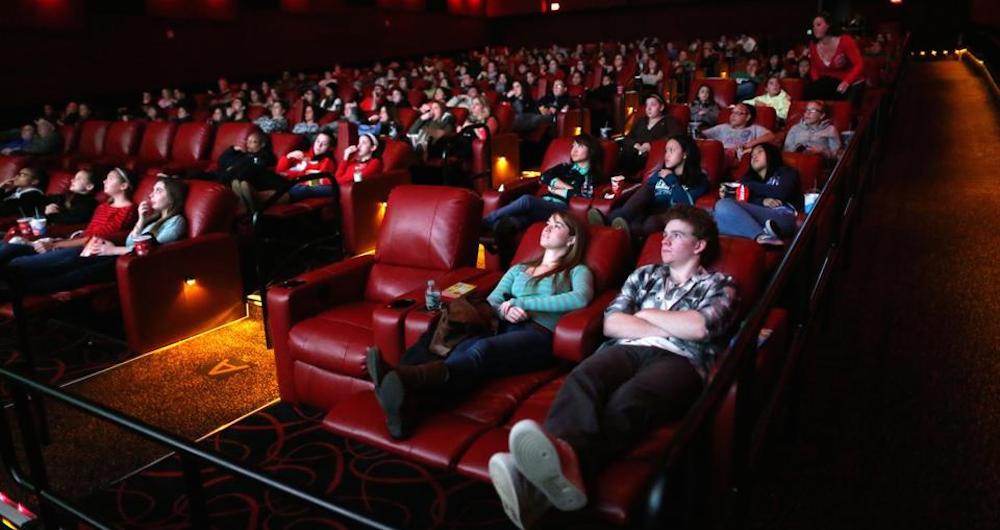
While the app handles the “pre-show,” the most critical digital components are found inside the auditorium. The transition from physical film reels to digital cinema packages (DCP) was only the beginning. Today, digital at AMC refers to a high-tech array of projection and sound hardware that defines the premium large format (PLF) experience.
Laser at AMC: The New Standard
AMC is currently undergoing a massive multi-year rollout of “Laser at AMC” technology in partnership with Cinionic. This is a shift from traditional xenon bulb projectors to laser-based light sources. From a technical standpoint, laser projection offers significantly higher brightness levels, increased contrast ratios, and a wider color gamut. Digital cinema at this level involves complex light-engine cooling systems and precision optics that ensure 4K resolution remains crisp across massive screens. This technology is not just about image quality; it is also a digital sustainability play, as laser projectors are more energy-efficient and have a longer operational lifespan than their lamp-based predecessors.
Dolby Cinema and Digital Sound Processing
The digital experience is incomplete without the audio component. Dolby Cinema at AMC represents the pinnacle of digital audio-visual integration. This involves a proprietary combination of Dolby Vision (high dynamic range) and Dolby Atmos (object-based audio). In an Atmos-enabled theater, sound is no longer restricted to channels (left, right, center). Instead, sound “objects” are digitally rendered in a three-dimensional space by an audio processor that manages dozens of individual speakers. This requires immense processing power and a specialized digital file format that contains the spatial metadata for the audio.
The Digital Cinema Package (DCP)
The “media” itself is a marvel of digital engineering. Movies are delivered to AMC locations as DCPs—essentially high-end digital hard drives or encrypted satellite downloads. These files are massive, often exceeding several hundred gigabytes, and are protected by sophisticated digital rights management (DRM). Each DCP requires a digital “Key Delivery Message” (KDM) to unlock the content for a specific projector at a specific time. This digital security layer ensures that high-value intellectual property remains protected from piracy while allowing for flexible scheduling across thousands of screens.

Backend Infrastructure: Data Analytics and Personalization
Beyond what the consumer sees, “digital at AMC” encompasses the invisible world of data science and cloud computing. The company leverages the massive amounts of data generated by its digital platforms to optimize every facet of the business, from film scheduling to labor management.
Predictive Analytics for Programming
AMC uses sophisticated data models to determine which movies should play on which screens and at what times. By analyzing historical ticket sales, digital engagement metrics, and social media sentiment, AMC’s programmers can use predictive analytics to maximize theater capacity. This digital approach to “showmanship” allows the company to pivot quickly, adding more screenings for a viral hit or adjusting the mix of genres based on local demographic data harvested from the AMC Stubs platform.
Personalization and AI-Driven Marketing
The digital team at AMC utilizes machine learning algorithms to personalize the user experience. If a user frequently buys tickets for horror movies through the app, the digital ecosystem automatically prioritizes horror trailers in their feed and sends targeted push notifications for upcoming genre releases. This level of personalization is powered by a robust data warehouse that aggregates touchpoints from the app, website, and in-theater kiosks to create a 360-degree view of the customer.
Cloud Scalability and Infrastructure
To manage its global operations, AMC relies heavily on cloud infrastructure (such as AWS or Azure). This allows for “elasticity”—the ability to scale server capacity up or down based on demand. During the holiday season or during the release of a “once-in-a-decade” film event, the digital infrastructure must expand to prevent site crashes. This cloud-centric approach also facilitates faster deployment of new features, such as the integration of third-party digital wallets or the expansion of the AMC Theatres On Demand streaming service.
Emerging Digital Horizons: Blockchain and Beyond
In recent years, AMC has pushed the boundaries of what a traditional cinema chain looks like by venturing into the world of web3 and digital assets. This move signaled a desire to align with the “digital-first” mindset of younger investors and moviegoers.
Digital Collectibles and NFTs
AMC has experimented extensively with non-fungible tokens (NFTs). By offering digital collectibles to “Investor Connect” members or as a bonus for pre-ordering tickets to specific films (like Spider-Man: No Way Home), AMC successfully bridged the gap between physical cinema attendance and digital ownership. This required the development of a digital wallet interface and partnerships with blockchain platforms to mint and distribute these assets, marking a significant departure from traditional movie marketing.
Cryptocurrency and Modern Payments
Part of the digital evolution at AMC involved the integration of cryptocurrency as a valid form of payment. By updating their digital payment gateway, AMC began accepting Bitcoin, Ethereum, and other digital currencies for online ticket and concession purchases. This required a complex integration with third-party payment processors to handle real-time currency conversion and ensure secure transactions, positioning AMC as a leader in the adoption of decentralized finance within the retail entertainment sector.
AMC Theatres On Demand
To compete in an era defined by the “streaming wars,” AMC launched its own Video on Demand (VOD) platform. This digital extension allows patrons to rent or buy movies directly from AMC, even after they have left theaters. The platform is a complete digital storefront, requiring high-definition streaming technology, robust content delivery networks (CDNs), and an interface that mirrors the ease of use found on the AMC mobile app. This move effectively turned AMC into a 24/7 digital entertainment provider, rather than just a physical destination.
The Future of Digital at AMC
As we look forward, the definition of digital at AMC will likely expand into augmented reality (AR) lobby experiences, AI-driven virtual assistants for customer service, and even deeper integrations between gaming and cinema. The technological transformation of AMC demonstrates that for a legacy brand to survive, “digital” cannot be an afterthought; it must be the very foundation upon which the physical experience is built. From the laser that hits the screen to the algorithm that suggests your next favorite movie, digital at AMC is a high-stakes, high-tech operation aimed at perfecting the art of the moviegoing experience in the 21st century.
aViewFromTheCave is a participant in the Amazon Services LLC Associates Program, an affiliate advertising program designed to provide a means for sites to earn advertising fees by advertising and linking to Amazon.com. Amazon, the Amazon logo, AmazonSupply, and the AmazonSupply logo are trademarks of Amazon.com, Inc. or its affiliates. As an Amazon Associate we earn affiliate commissions from qualifying purchases.