
In the opening moments of Mad Men, we are introduced to a man who seems to possess an almost preternatural sense of self-assurance. Don Draper, the creative director at Sterling Cooper, moves through the smoke-filled offices of 1960 Manhattan with the grace of a seasoned veteran and the hunger of a rising star. This leads to a common question among enthusiasts of corporate history and marketing lore: How old is Don Draper in Season 1?
According to the series’ internal chronology, Don Draper is 36 years old in 1960. While this might seem like a mere biographical detail, it is, in fact, the cornerstone of his personal brand and his efficacy as a marketing strategist. At 36, Draper occupies the “Golden Mean” of brand authority. He is old enough to have witnessed the shift from post-war industrialism to the consumerist explosion, yet young enough to understand the emerging desires of a new generation.
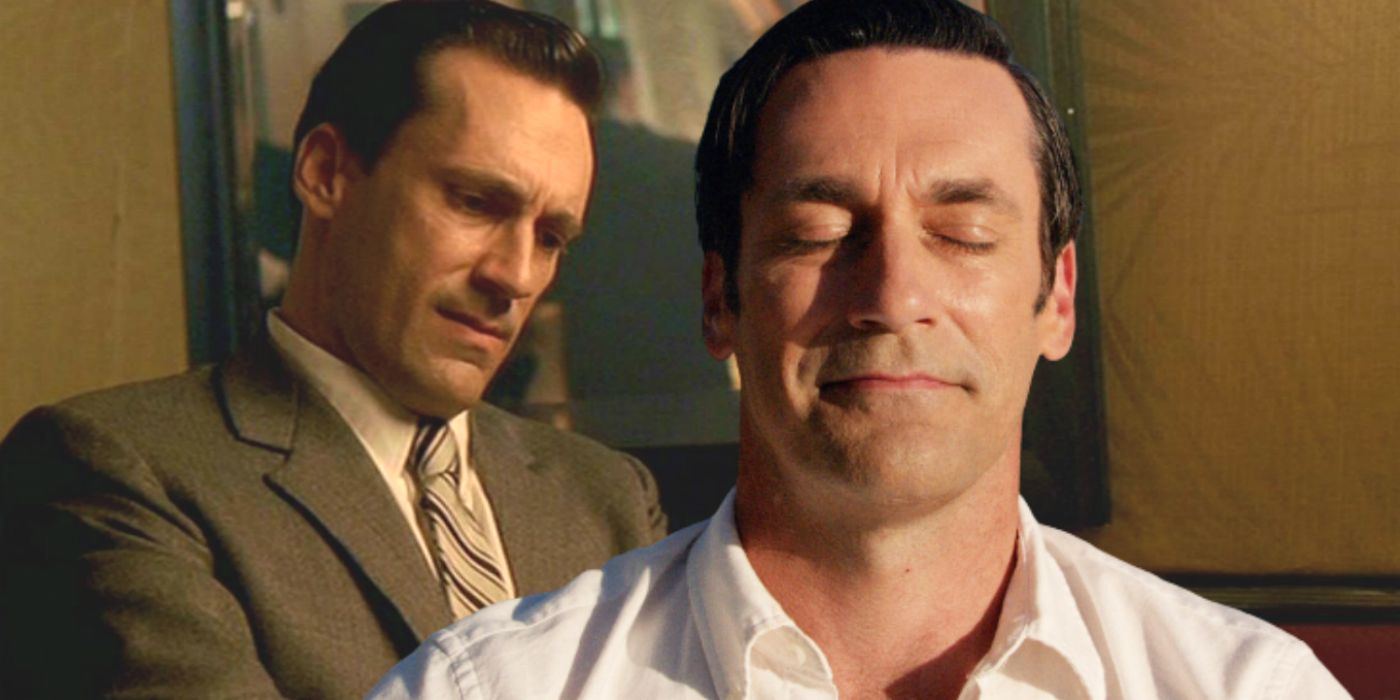
For professionals in the realm of brand strategy, Draper’s age is a masterclass in positioning. It represents the perfect intersection of experience, mystery, and cultural relevance. To understand why Don Draper is the ultimate brand architect, we must look beyond the fictional narrative and examine the structural elements of his identity that reflect the core principles of corporate and personal branding.
The Chronology of Excellence: Defining Authority Through Maturity
The age of 36 in the mid-20th century was fundamentally different from the same age today. In 1960, a 36-year-old man was expected to be at the peak of his professional powers. Don Draper’s age provides him with a level of “earned authority” that a younger creative would lack and an older executive might have lost through stagnation.
The Sweet Spot of Market Intuition
A brand’s success often depends on its ability to resonate with its target audience. In Season 1, Draper is positioned as someone who understands the “American Dream” because he is actively living it. At 36, he is the demographic he is selling to. He understands the suburban anxieties of the house with a white picket fence, the pressure of corporate climbing, and the quiet desperation of the modern consumer. This proximity to the target market allows him to craft narratives that feel authentic rather than manufactured.
Strategic Experience vs. Creative Vigor
In brand strategy, there is often a tension between the “old guard,” who rely on established data and tradition, and the “new guard,” who seek to disrupt. Draper, at 36, bridges this gap. He has the technical discipline of the older generation—honed during his time at the Fur Company and his early days in advertising—but he retains a creative flexibility that allows him to pivot. This balance is a vital lesson for modern brand managers: authority is not just about years on the job; it is about the ability to translate those years into relevant, forward-thinking strategies.
Building the “Draper” Identity: Personal Branding as a Corporate Asset
If we analyze Don Draper as a brand itself, we see a sophisticated exercise in identity construction. The revelation that Don Draper is actually Dick Whitman is perhaps the most significant “rebranding” effort in television history. By discarding his past and adopting a new persona, he created a brand that was sleek, mysterious, and high-value.
The Value of Mystery in Branding
One of the core tenets of Draper’s personal brand is the controlled release of information. In the world of corporate identity, over-exposure can lead to brand fatigue. Draper’s colleagues know very little about his background, which allows them to project their own ideals of success onto him. This is a powerful branding tool known as “aspirational projection.” When a brand maintains a level of sophisticated mystery, it increases its perceived value. It moves from being a commodity to being an enigma that people want to solve and, more importantly, be associated with.
Consistency as a Brand Pillar
From his perfectly tailored suits to his stoic demeanor, Don Draper’s personal brand is characterized by unwavering consistency. In Season 1, we see that regardless of the chaos in his personal life, his professional “packaging” remains intact. For a brand to be successful, it must be reliable. Consumers (or, in Draper’s case, clients like Lucky Strike) need to know exactly what they are getting. Draper’s 36-year-old persona is built on the foundation of being the “coolest head in the room,” a brand promise he delivers on in every high-stakes pitch.

The Evolution of Market Perception: From 1960s Manhattan to Digital Dominance
While the tools of marketing have changed since Don Draper’s 36th year, the psychological triggers he pulled remain the same. The transition from the “Golden Age” of advertising to the modern digital era has only reinforced the importance of the principles Draper championed in Season 1.
Emotional Resonance over Functional Benefits
In the pilot episode, “Smoke Gets in Your Eyes,” Draper is faced with a branding crisis: the medical link between cigarettes and cancer has become public knowledge. His solution is not to argue the health benefits—a functional impossibility—but to focus on a brand feeling: “It’s Toasted.”
This shift from the what to the how is the essence of brand strategy. It focuses on the emotional connection a consumer has with a product. At 36, Draper has the emotional intelligence to realize that people don’t buy products; they buy versions of themselves. This insight is why his age is so critical; he has lived long enough to understand that human desire is the most powerful currency in the marketplace.
The Architecture of the Pitch
The “Carousel” pitch at the end of Season 1 is often cited as the pinnacle of brand storytelling. Draper uses his age and his perceived role as a family man to sell a slide projector not as a piece of technology, but as a “time machine.” He taps into nostalgia—a pain from an old wound—to create an unbreakable bond between the consumer and the product.
Modern brand architects can learn from this by recognizing that storytelling is the most effective way to cut through market noise. Whether a brand is 36 years old or a six-month-old startup, its longevity depends on its ability to weave a narrative that transcends the physical features of what it is selling.
Strategy Over Aesthetic: The Draper Approach to Brand Longevity
Many mistakenly believe that branding is simply about logos, colors, and slogans. Don Draper’s career in Season 1 proves that true branding is an exercise in deep strategy. His age serves as a reminder that the best brand strategists are those who have a deep understanding of the human condition.
Identifying the “Problem” Before the “Solution”
Draper’s brilliance lies in his ability to identify the unspoken problems of his clients’ customers. He doesn’t just look at market research; he looks at life. He understands that a 36-year-old executive in 1960 isn’t just looking for a car; he’s looking for status, freedom, and an escape from the mundane. By identifying these psychological needs, he develops brand strategies that are “bulletproof” because they are rooted in fundamental truths.
The Dangers of Brand Stagnation
Throughout Season 1, we see the friction between Draper’s innovative approach and the stagnant, safe strategies of his competitors. His age places him at a crossroads where he must constantly fight to stay ahead of the curve. This is a cautionary tale for modern corporate identity: even the most successful brand will fail if it becomes complacent. Draper’s relentless pursuit of the “next great idea” is what keeps Sterling Cooper relevant. He understands that a brand is a living entity that must evolve to survive.

Conclusion: The Legacy of a 36-Year-Old Visionary
How old is Don Draper in Season 1? He is 36—an age that symbolizes the peak of professional influence and the perfect vantage point for observing the world. But more than a number, his age represents the maturity of a brand that has been refined through experience and protected by a carefully crafted identity.
For brand strategists, marketing professionals, and corporate leaders, the lessons of Don Draper’s 36th year are timeless. They remind us that branding is not an aesthetic veneer, but a strategic imperative. It requires an understanding of the market, a commitment to consistency, and the courage to tell stories that resonate on a primal level. Don Draper may be a fictional character, but the brand he built—both for his clients and for himself—remains the gold standard for anyone looking to master the art of influence in the modern world.
aViewFromTheCave is a participant in the Amazon Services LLC Associates Program, an affiliate advertising program designed to provide a means for sites to earn advertising fees by advertising and linking to Amazon.com. Amazon, the Amazon logo, AmazonSupply, and the AmazonSupply logo are trademarks of Amazon.com, Inc. or its affiliates. As an Amazon Associate we earn affiliate commissions from qualifying purchases.