
The cinematic experience has long been a staple of global culture, offering a temporary escape into different worlds. However, for the modern consumer, the cost of this escape has become a significant variable in the monthly household budget. As we navigate 2024, the question of “how much does a movie ticket cost?” no longer has a single, simple answer. Instead, it involves a complex interplay of geography, technology, timing, and consumer loyalty programs.
In 2024, the average price of a standard movie ticket in the United States hovers between $11.00 and $13.50. However, this national average serves as a mere baseline. Depending on where you live and how you choose to watch, a single trip to the theater can range from $5.00 on a discount Tuesday to over $30.00 for a premium, large-format experience in a major metropolitan area. Understanding these costs is essential for any savvy consumer looking to balance entertainment with financial responsibility.
The Current Landscape of Movie Pricing in 2024
To understand ticket pricing today, one must look at the divergence between standard screenings and the “experience-based” economy. The film industry has shifted its strategy to prioritize high-margin experiences that cannot be replicated at home, which has directly influenced the price tags seen at the box office.
National Averages and Regional Disparities
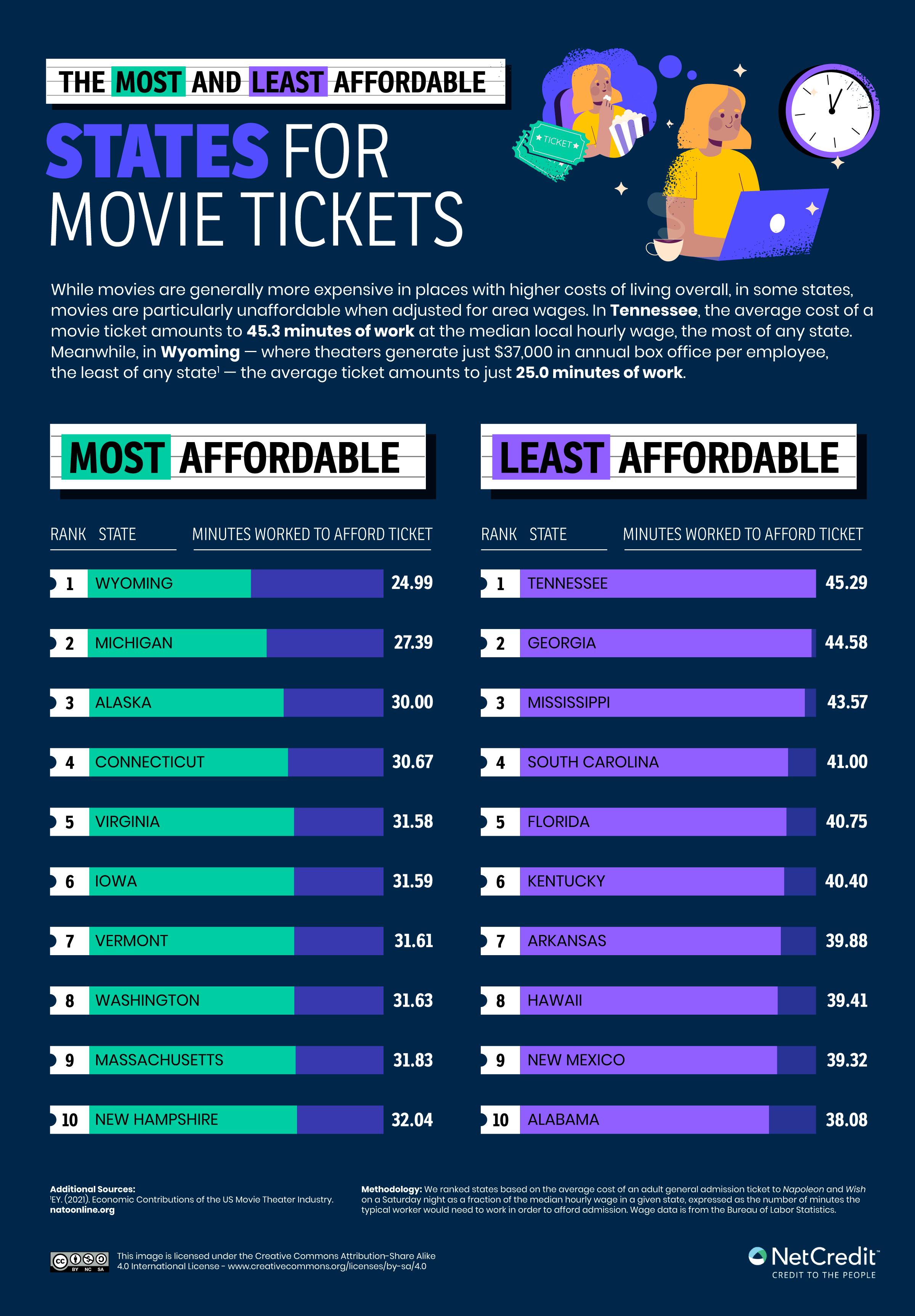
Geography remains the most significant factor in ticket pricing. In mid-sized Midwestern cities, a standard evening ticket might still be found for $10.50 or $12.00. In contrast, urban centers like New York City, Los Angeles, and San Francisco see standard prices starting at $18.00 and climbing quickly. This regional variance is driven primarily by the “Cost of Living” index, which impacts the theater’s overhead, including commercial real estate leases, utility costs, and local minimum wage requirements.
Premium Formats: The Rise of the $25 Ticket
The 2024 movie-going market is dominated by “Premium Large Format” (PLF) screens. Formats such as IMAX, Dolby Cinema, and 4DX have become the primary revenue drivers for major chains like AMC, Regal, and Cinemark. For these screenings, consumers can expect to pay a premium of 30% to 75% over the base ticket price.
For example, a ticket to an IMAX 3D showing of a summer blockbuster in a major city can easily reach $26.00 to $28.00. While the cost is high, many consumers view this as a justified discretionary expense for “event” films—those with high production values that demand superior sound and visual fidelity. From a personal finance perspective, this represents a shift from “frequent low-cost entertainment” to “infrequent high-cost experiences.”
Factors Influencing the Cost of Your Movie Ticket
The price on the screen at the kiosk is the result of sophisticated pricing algorithms and economic pressures. In 2024, the industry has fully embraced dynamic and tiered pricing models.
Dynamic Pricing and Time-Based Fluctuations
Much like the airline and hotel industries, cinema chains are increasingly experimenting with dynamic pricing. This means that a ticket for a Friday night premiere may cost more than a ticket for the same movie on a Monday afternoon.
Matinee pricing remains the most common form of time-based discounting. Typically, screenings before 4:00 PM are priced 20% to 30% lower than evening shows. For the budget-conscious consumer, shifting a viewing window by just two hours can result in significant savings over the course of a year. Additionally, “Discount Tuesdays” have become an industry standard, with many chains offering tickets for as low as $5.00 to $7.00 to bolster attendance during the traditionally slow mid-week period.
The Impact of Inflation and Operational Overheads
The film industry has not been immune to the inflationary pressures that have characterized the global economy over the last few years. The cost of labor, cinema-grade electricity, and maintenance for laser projectors has risen. To maintain profit margins, theaters have passed these costs onto the consumer.
Furthermore, the shift toward “luxury” seating—replacing traditional folding chairs with motorized recliners—has decreased the total seating capacity of many auditoriums. To compensate for having fewer seats to sell, theaters must increase the price per seat. This is a classic example of the “quality over quantity” business model where the consumer pays more for increased physical comfort.

Amenities and the Luxury Cinema Experience
2024 has seen a surge in “dine-in” cinema concepts. Locations like Alamo Drafthouse or AMC Dine-In offer full-service menus and at-seat service. While the base ticket price for these theaters is often comparable to standard PLF screens, the “true cost” of the ticket is significantly higher when factoring in the expectation of food and beverage consumption. In these environments, a night at the movies for two can easily exceed $100.00, placing it in the same financial category as a high-end dinner or a live theater performance.
Financial Strategies to Save on Cinema Visits
As prices rise, consumers are looking for ways to optimize their spending. Fortunately, the “subscription economy” has provided several avenues for reducing the per-movie cost for frequent viewers.
Subscription Models vs. Individual Purchases
The most effective way to lower movie costs in 2024 is through theater-specific subscription services.
-
AMC Stubs A-List: For a monthly fee (ranging from roughly $20 to $25 depending on the state), members can see up to three movies per week in any format, including IMAX and Dolby. For someone who sees just two premium movies a month, the subscription pays for itself.
-
Regal Unlimited: This model allows for truly unlimited movies for a monthly fee. It is particularly attractive for “power users” who watch several films a month.
-
Cinemark Movie Club: A more conservative model, providing one ticket per month that rolls over, along with concession discounts.
From a financial planning standpoint, these subscriptions transform a variable “entertainment” expense into a fixed monthly cost, which can be easier to manage within a strict budget.
Rewards Programs and Credit Card Perks
Beyond subscriptions, nearly every major chain offers a free tier of their loyalty program. These programs often waive online booking fees—which can add $1.50 to $2.50 per ticket—and provide points that eventually lead to free tickets or snacks. Furthermore, many credit card issuers categorize movie theaters under “Entertainment” or “Streaming and Media,” offering 3% to 5% cash back. Combining a loyalty program with a high-yield rewards card is an easy way to shave a few percentage points off the annual cost of cinema.
The Hidden Cost: Online Convenience Fees
One of the most frustrating aspects of modern movie pricing is the “convenience fee” applied to third-party booking sites and theater apps. In 2024, these fees often range from $1.80 to $2.50 per ticket. For a family of four, this adds nearly $10.00 to the total bill without providing any additional value. Most theater loyalty programs waive these fees for members, making even the free tiers of these programs financially beneficial.
The Business Side: Where Does Your Money Go?
To understand why a ticket costs $15.00, it is helpful to look at the revenue split between the theater and the movie studio.
Studio Splits and Revenue Sharing
When you buy a ticket, the theater does not keep the full amount. During the opening weeks of a major blockbuster, the film studio may take as much as 60% to 70% of the ticket revenue. This is known as the “film rental” fee. As the weeks go by, the percentage the theater keeps increases. This explains why theaters are so desperate for you to visit the concession stand; they keep nearly 100% of the profit from popcorn and soda, whereas their margin on the actual ticket is relatively slim, especially in the first fortnight of a film’s release.
The Role of Concessions in Theater Survival
In the world of business finance, movie theaters are essentially snack bars that happen to show movies to get people in the door. The “cost” of a movie ticket is often subsidized by the high price of concessions. If theaters were to lower concession prices to “street” levels, ticket prices would likely need to double to keep the business viable. For the consumer, the most effective way to save money is not necessarily finding the cheapest ticket, but rather practicing the discipline of avoiding the concession stand.

Conclusion: Balancing Entertainment and Personal Finance
In 2024, movie-going has evolved from a casual, low-cost activity into a tiered luxury experience. While the average ticket price of $11.00 to $13.50 remains accessible for many, the “true cost”—factoring in premium formats, convenience fees, and regional inflation—can be much higher.
For the consumer, the key to managing this expense lies in intentionality. By utilizing subscription models, taking advantage of discount days, and understanding the regional and format-based pricing structures, it is still possible to enjoy the magic of the big screen without compromising one’s financial health. As the industry continues to navigate the post-streaming era, prices will likely continue to rise, making these budgeting strategies more vital than ever for the average household.
aViewFromTheCave is a participant in the Amazon Services LLC Associates Program, an affiliate advertising program designed to provide a means for sites to earn advertising fees by advertising and linking to Amazon.com. Amazon, the Amazon logo, AmazonSupply, and the AmazonSupply logo are trademarks of Amazon.com, Inc. or its affiliates. As an Amazon Associate we earn affiliate commissions from qualifying purchases.