
When you hear the word “buttercup,” a bright, cheerful image likely springs to mind: a small, golden-yellow flower, often found dotting meadows and fields. But what exactly is a buttercup flower, and what makes it so recognizable? While its charm is undeniable, understanding the buttercup can extend beyond its simple beauty, touching upon themes relevant to our modern world – from the intricate design and branding of nature to the resourceful ways we can learn from and even leverage its characteristics.
While seemingly far removed from the realms of technology, branding, and finance, the humble buttercup, like any complex natural system, offers lessons and parallels that can be surprisingly insightful. Let’s delve into the essence of the buttercup, exploring its botanical identity, its role in various ecosystems, and how its story can resonate with the principles of innovation, strategic design, and even efficient resource utilization.
The Botanical Blueprint: Defining the Buttercup
At its core, the buttercup flower belongs to the genus Ranunculus. This genus encompasses a diverse group of over 600 species, found across the globe, primarily in temperate and subtropical regions. While the iconic image is that of a small, yellow flower, the reality of the Ranunculus genus is far more varied.
Anatomy of a Buttercup
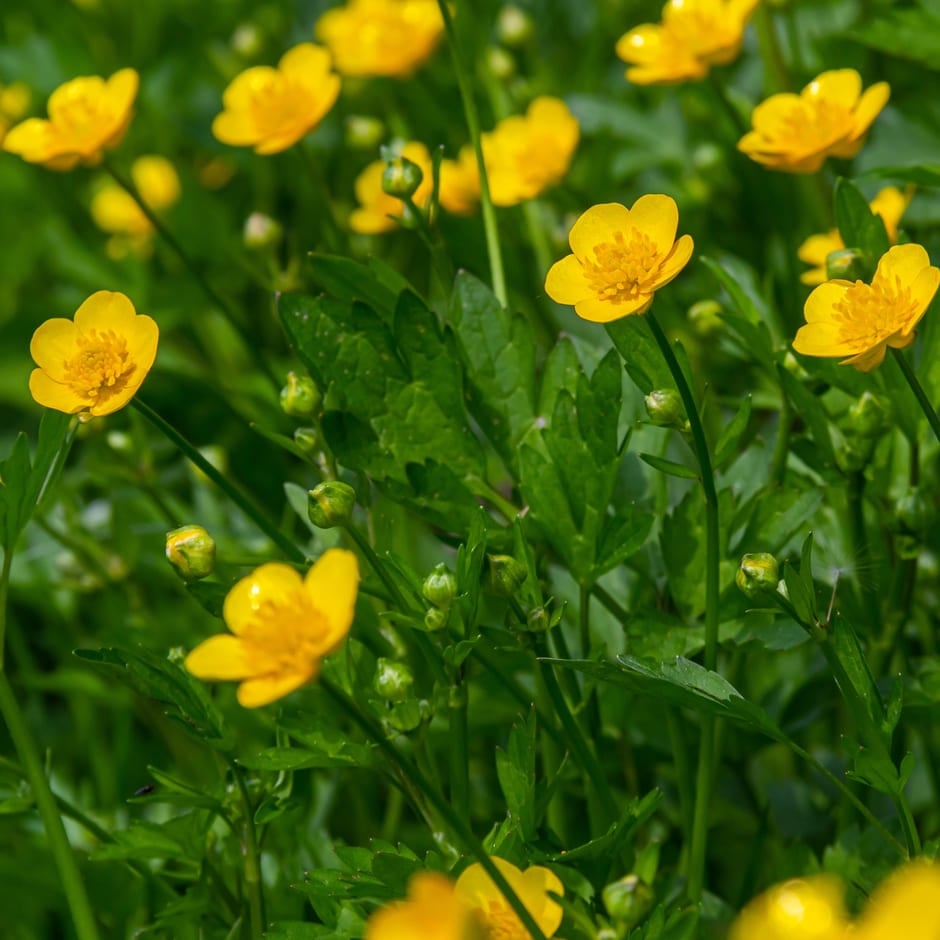
The most striking feature of a typical buttercup is its petals. Usually numbering five, though this can vary between species, these petals are often a vibrant, glossy yellow. This glossiness isn’t just for show; it’s a clever adaptation. The waxy cuticle on the surface of the petals reflects sunlight, not only making the flower appear brighter and more attractive to pollinators but also helping to protect the delicate reproductive parts within from excessive heat and UV radiation. This is a prime example of nature’s inherent design principles, akin to how we approach product development in the tech world, focusing on both aesthetics and functional resilience.
Beyond the petals, the buttercup possesses sepals, typically green and leaf-like, which enclose the bud before it opens. Inside the petals lie the stamens, numerous and often forming a prominent central disc, and the pistils, which develop into the fruit after fertilization. The fruit itself is usually an aggregate of small, dry seeds called achenes.
The leaves of buttercups are also distinctive. They are often deeply lobed or divided, with some species featuring simple, heart-shaped leaves. This variation in leaf structure is a key characteristic used by botanists to differentiate between the numerous Ranunculus species.
Diversity Within the Genus
While the “classic” buttercup is a vibrant yellow, it’s crucial to understand that the Ranunculus genus boasts a spectrum of colors. Some species feature white, pink, or even reddish petals. Furthermore, their size and growth habit vary considerably. Some are low-growing, creeping plants, while others are more upright and robust. This diversity highlights a core principle in both biology and business: adaptation and specialization within a broader framework. Just as a tech company might offer a range of products tailored to different market segments, nature has produced a multitude of buttercup forms to thrive in diverse environments.
The Buttercup’s Role: An Ecological Networker
The buttercup is more than just a pretty face; it plays a vital role in its natural environment, acting as a crucial link in a complex ecological network.
Pollinator Partnerships
The bright colors and abundant nectar of buttercups make them irresistible to a variety of pollinators, including bees, flies, and beetles. This symbiotic relationship is fundamental to the survival of many plant species, including the buttercup itself, and also supports the populations of these crucial insect helpers. The success of a buttercup in attracting pollinators is a testament to its effective “branding” in the natural world – its visual cues are instantly recognizable and signal a valuable resource. This mirrors how effective branding in the corporate world creates immediate recognition and draws in customers.
A Staple in the Food Web
While generally considered toxic to humans and livestock due to a chemical called protoanemonin, which can irritate the skin and mucous membranes, buttercups are not entirely without their place in the food web. Some herbivores, particularly those with more robust digestive systems, can tolerate them in small quantities. Furthermore, the seeds and flowers can be a food source for certain insects. This inherent defense mechanism, while making them unpalatable to some, also ensures their survival and allows them to establish themselves in a competitive environment. This is a fascinating parallel to the concept of competitive advantage and unique selling propositions in business.

Environmental Indicators
The presence and abundance of certain buttercup species can also serve as indicators of environmental health. For instance, some Ranunculus species thrive in damp, nutrient-rich soils, making them common in meadows and alongside watercourses. Their health can reflect the quality of the soil and water in an area. In a way, they act as natural diagnostic tools, much like monitoring key performance indicators (KPIs) in business or system health checks in technology.
Learning from the Buttercup: Parallels in Innovation and Strategy
The seemingly simple buttercup offers a surprising wealth of lessons that can be applied to the dynamic fields of technology, branding, and finance.
Design Principles: Nature’s UI/UX
The glossy petals of the buttercup are a masterclass in natural user interface (UI) and user experience (UX) design. The vibrant color acts as a clear visual cue, drawing attention and signaling value. The waxy texture, beyond its aesthetic appeal, serves a functional purpose, protecting the flower’s core. This focus on both form and function is precisely what drives innovation in the tech industry. Think about the intuitive design of a well-loved app or the elegant functionality of a new gadget. These are direct descendants of nature’s own elegant solutions. The iterative process of developing and refining these designs mirrors the evolutionary process of species, where successful traits are selected and amplified over time.
Branding in Nature: Recognition and Resource Signaling
The iconic yellow hue of the buttercup is its most powerful branding element. It’s instantly recognizable, a signal of a specific type of flower within a vast botanical landscape. This, combined with its consistent structure (typically five petals), creates a strong and memorable brand identity. For pollinators, this consistent branding means they can quickly identify a reliable source of nectar, saving energy and time. In the corporate world, a strong brand identity is paramount for cutting through the noise and connecting with consumers. Just as a well-designed logo and consistent messaging build recognition for a company, the buttercup’s inherent characteristics build its “brand” in the ecosystem.
Resourcefulness and Resilience: Financial Analogies
While not directly financial, the buttercup’s strategy for survival offers insights into resourcefulness. Its toxicity, while a defense mechanism, also reduces competition for its resources. It thrives in environments where other plants might struggle. This can be likened to a business that identifies a niche market and develops a unique product or service that competitors find difficult to replicate.
Furthermore, the ability of Ranunculus species to adapt to different soil conditions and habitats speaks to a form of “financial resilience.” They find ways to thrive and propagate, effectively maximizing their “return on investment” in terms of survival and reproduction, even in challenging conditions. In personal finance, this translates to smart budgeting, diversified investments, and building an emergency fund – strategies that allow individuals to weather financial storms.
Digital Security and Natural Defenses
The protoanemonin that makes buttercups toxic is a form of natural defense, a chemical barrier that deters many potential threats. This has parallels in the realm of digital security. Just as a plant develops its defenses against herbivores, individuals and organizations implement security protocols, firewalls, and encryption to protect their digital assets from malicious actors. The constant evolution of these digital defenses mirrors the ongoing arms race between predators and prey in nature.
Productivity Through Simplicity
Many buttercup species are relatively simple in their design and reproductive strategy, yet highly effective at spreading. This can inspire a “less is more” approach to productivity in technology and business. Streamlined workflows, intuitive software interfaces, and focused business strategies can often lead to greater efficiency and output. Instead of overcomplicating systems, understanding the core function and optimizing for that, much like the buttercup optimizes for pollination and survival, can be a powerful productivity hack.

Conclusion: The Enduring Appeal of the Buttercup
From its vibrant petals to its essential role in the ecosystem, the buttercup flower is far more than just a simple bloom. It’s a testament to the power of effective design, the importance of strong branding, and the remarkable resilience of nature. By looking beyond its superficial beauty, we can uncover valuable lessons that resonate across diverse fields, from cutting-edge technology and strategic brand building to the fundamental principles of personal and business finance. The buttercup, in its unassuming glory, reminds us that even the most familiar elements of our world can offer profound insights into the strategies that drive success and sustainability.
aViewFromTheCave is a participant in the Amazon Services LLC Associates Program, an affiliate advertising program designed to provide a means for sites to earn advertising fees by advertising and linking to Amazon.com. Amazon, the Amazon logo, AmazonSupply, and the AmazonSupply logo are trademarks of Amazon.com, Inc. or its affiliates. As an Amazon Associate we earn affiliate commissions from qualifying purchases.