
The cinematic experience remains a cornerstone of modern leisure, yet for the financially conscious consumer, the cost of entry has become a complex variable. Gone are the days of a flat-rate ticket price that applied to every screening in a multiplex. Today, determining how much cinema tickets are requires an understanding of tiered pricing, geographic location, viewing technology, and strategic membership models. As entertainment costs continue to outpace general inflation—a phenomenon often referred to as “funflation”—mastering the economics of movie-going is essential for maintaining a balanced personal budget without sacrificing cultural engagement.
The Financial Landscape of Modern Cinema Attendance
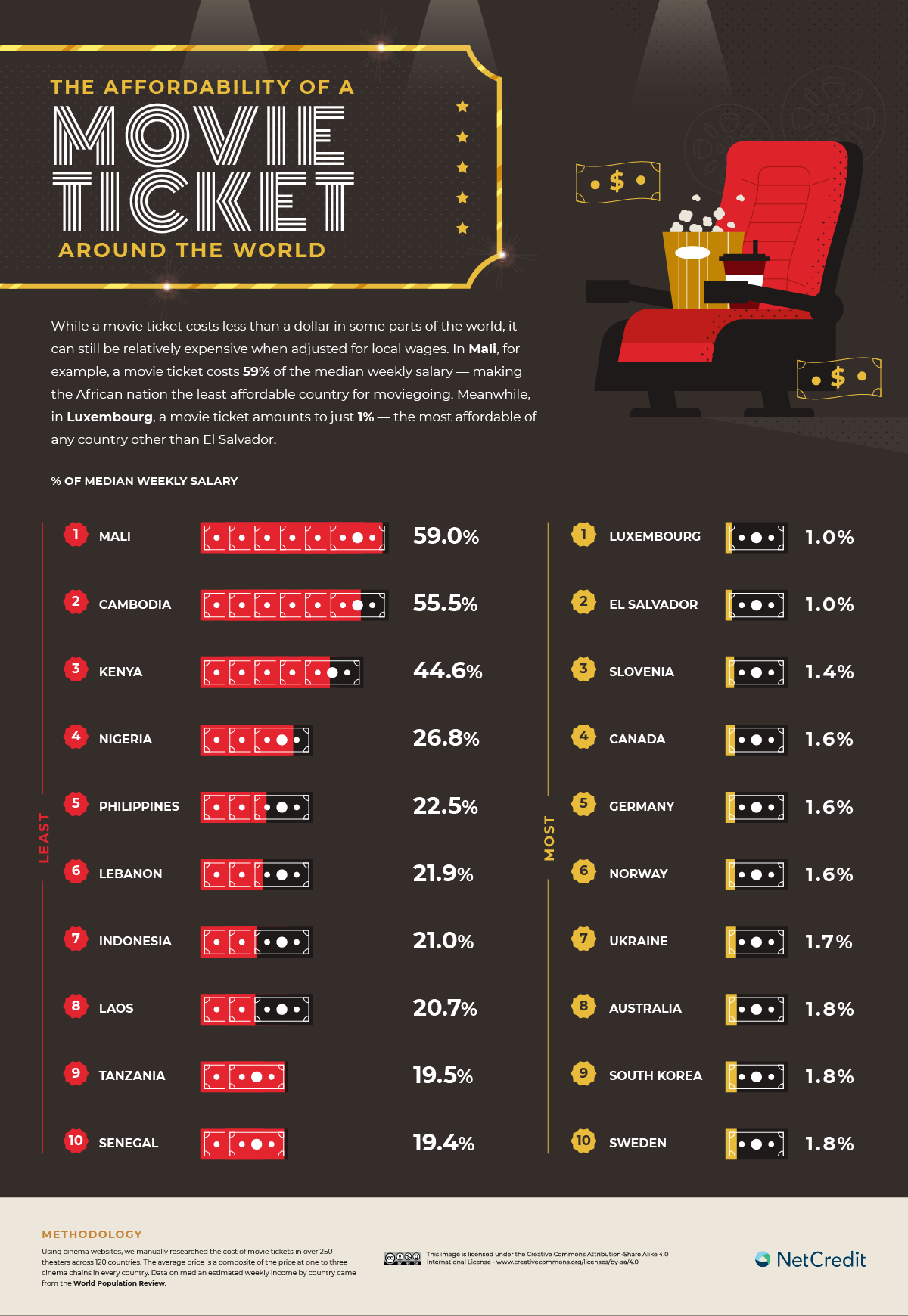
When evaluating the cost of a movie ticket, one must first look at the national and global averages, which serve as a baseline for financial planning. In the United States, the average price of a movie ticket hovered around $10 to $11 for several years, but this figure is often misleading. In major metropolitan hubs like New York City, Los Angeles, or London, a standard adult ticket for a prime-time weekend showing can easily exceed $20. Conversely, in smaller suburban or rural markets, prices may still sit comfortably between $9 and $12.
The Impact of Geographic Economics
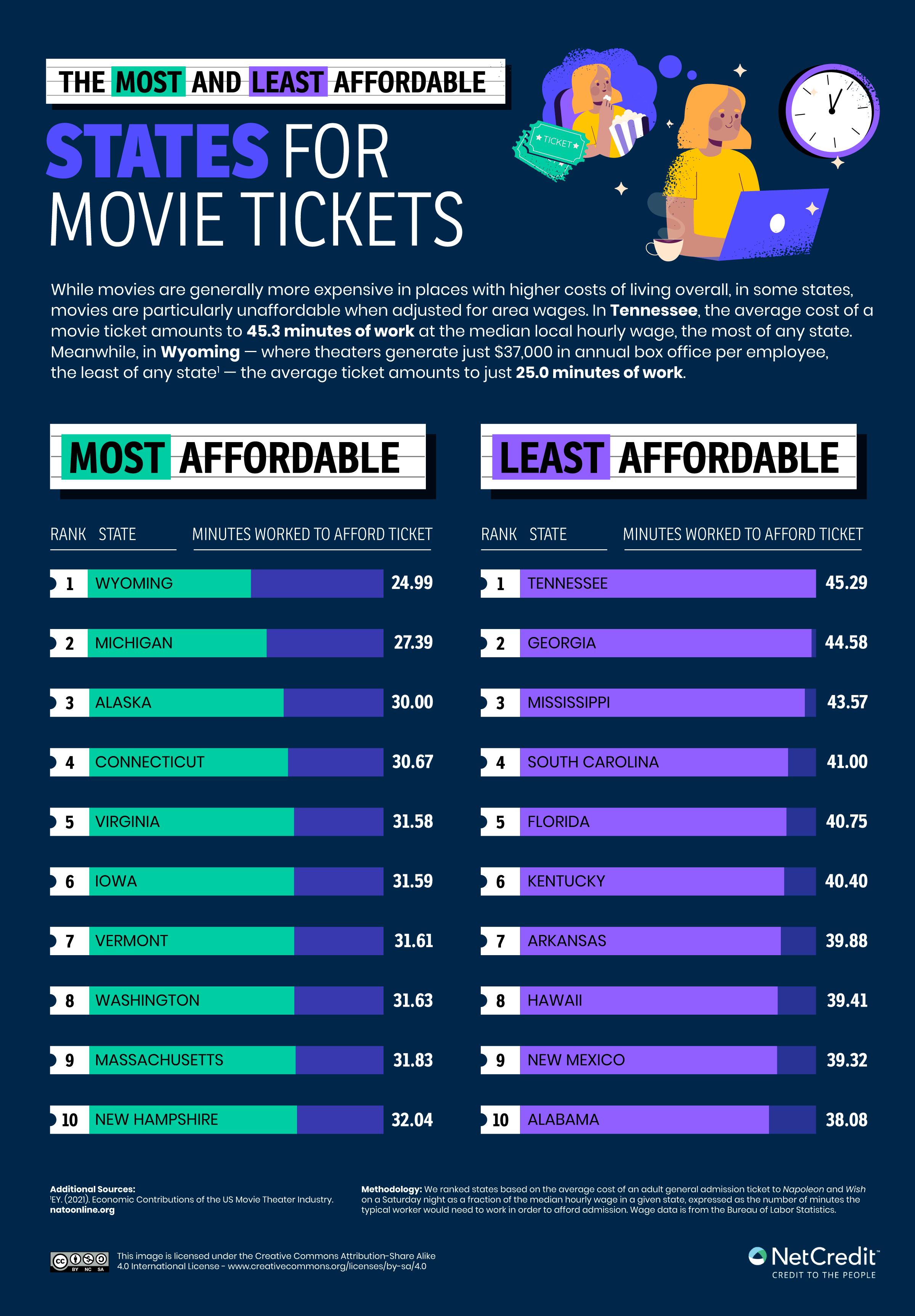
Regional pricing is the most significant factor in ticket variance. Cinema chains utilize sophisticated demographic data to set prices that the local market can bear. High-rent districts necessitate higher ticket prices to cover the theater’s operational overhead, including commercial real estate leases and higher minimum wages for staff. For the consumer, this means that “how much” a ticket costs is entirely dependent on their zip code. Travelers or those living on the borders of different counties can often save 15-20% simply by driving ten miles to a theater in a lower-cost-of-living area.
Inflation and the “Funflation” Trend
The rise in ticket prices is not merely a result of corporate greed but a reflection of broader economic shifts. Since 2020, the cost of theater operations—ranging from electricity for high-powered projectors to the raw ingredients for concessions—has risen sharply. Cinemas have responded by implementing dynamic pricing models, similar to those used by airlines and hotels. This means that a ticket for a blockbuster opening weekend may cost more than a ticket for a mid-tier indie film three weeks after its release. Understanding this trend allows moviegoers to time their purchases to coincide with lower demand periods.
Dissecting the Pricing Tiers: From Standard to Premium Formats
The modern multiplex is no longer a collection of identical rooms. It is a tiered marketplace where the price of admission is directly tied to the level of technology and luxury provided. When asking how much cinema tickets are, one must first decide which “class” of service they desire.
Standard 2D vs. Premium Large Formats (PLF)
The baseline price usually refers to a standard 2D digital screening. However, many theaters now prioritize Premium Large Formats (PLF) such as IMAX, Dolby Cinema, or Cinemark XD. These formats typically command a premium of $5 to $10 over the standard ticket price. For a family of four, choosing IMAX over standard can increase the total cost of the outing by $40 before a single kernel of popcorn is purchased. From a value-investing perspective, consumers must decide if the technical fidelity justifies a 50% increase in the unit cost of entertainment.
The Rise of Luxury and Dine-In Experiences
A significant shift in the industry has been the move toward “luxury” cinema. This includes heated motorized recliners, reserved seating, and in-theater dining services. While these features enhance comfort, they also serve as a justification for higher base prices. Some “Gold Class” or “Director’s Suite” experiences can cost upwards of $30 to $45 per ticket. In these instances, the cinema is no longer just selling a movie; it is selling a high-end hospitality service.
Age-Based Discounts and Timing
Most chains maintain a traditional tier for seniors (usually 60+ or 65+), students, and children. These discounts typically range from 10% to 25% off the adult price. Furthermore, the “matinee” remains a powerful tool for the budget-conscious. Showings before 4:00 PM are often priced significantly lower, providing a window for retirees, students, and remote workers to access the same content at a fraction of the evening cost.
Strategic Entertainment Planning: Subscriptions and Loyalty Programs
In response to the rising cost of individual tickets, the industry has pivoted toward subscription-based models. For frequent moviegoers, these programs represent the most effective way to lower the “cost per use” of their entertainment budget.
The Math of Movie Subscriptions
Major chains have launched proprietary subscription services that have revolutionized how consumers calculate their spending:
-
AMC Stubs A-List: For a monthly fee (ranging from $19.95 to $24.95 depending on the state), members can see up to three movies per week in any format, including IMAX and Dolby.
-
Regal Unlimited: This program offers truly unlimited movies for a monthly fee starting around $18.99, though it often excludes premium formats unless a surcharge is paid.
-
Cinemark Movie Club: A “roll-over” model where a monthly fee (approx. $10) grants one ticket per month and 20% off concessions.
For a consumer who attends at least two movies a month, an “unlimited” subscription often pays for itself, effectively bringing the per-ticket cost down to under $10. For those attending weekly, the cost can drop to as low as $2 or $3 per movie, representing a massive win for personal finance management.
Loyalty Points and Hidden Rebates
Even for those who do not want a monthly commitment, free loyalty programs are essential. These programs often provide “points” for every dollar spent, which eventually translate into free tickets or concessions. Additionally, many credit card companies offer “Entertainment” as a high-reward category, providing 3% to 5% cash back on cinema purchases. When combined with a theater’s internal loyalty program, the effective discount on a cinema ticket can reach 10-15% over the long term.
The Hidden Economics of the Multiplex
To truly understand how much a cinema ticket costs, one must look at the ancillary expenses that accompany the ticket itself. For many, the “ticket” is only the first of several transactions.
Concessions: The High-Margin Driver
It is a well-known industry secret that theaters make very little profit on the tickets themselves, especially during the first few weeks of a film’s release, as a high percentage of the gate goes back to the movie studios. The real profit is in the concessions. Popcorn and soda carry profit margins that often exceed 800%. When a consumer spends $15 on a ticket, they frequently spend another $15 to $20 on snacks. For a family, the “concession tax” can double the cost of the evening. Budgeting for the cinema requires either a strict “no-snack” policy or the allocation of a “concession fund” that is separate from the ticket price.
Transportation and Parking Fees
In urban environments, the cost of getting to the theater can rival the cost of the ticket. Paid parking in city centers can add $10 to $25 to the total expense. Alternatively, rideshare services for a night out can fluctuate based on surge pricing. When calculating the “total cost of attendance,” these logistics must be factored into the entertainment line item of a monthly budget.
Value Analysis: Theater vs. Streaming and Home Media
The final consideration in the “how much” equation is the value proposition relative to other forms of media. With the average streaming service costing between $10 and $20 per month for thousands of titles, the $15 single-use cinema ticket faces stiff competition.
The Cost-Per-Hour Metric
From a purely fiscal standpoint, a $15 ticket for a two-hour movie results in a cost of $7.50 per hour of entertainment. In contrast, a $15 streaming subscription utilized for 30 hours a month results in a cost of $0.50 per hour. However, this quantitative analysis ignores the qualitative value of the theater: the lack of distractions, the superior sound and visual equipment, and the social experience.
Opportunity Cost and Release Windows
The decision of whether a ticket is “worth it” also depends on the theatrical window. If a film will be available on a streaming service the consumer already pays for within 45 days, the $15 ticket represents a premium paid for “early access.” For high-impact visual spectacles, this premium is often justified. For smaller dramas or comedies, a patient consumer can save significant capital by waiting for the home release, effectively “investing” that $15 elsewhere.

Conclusion: Mastering the Cinema Budget
Determining how much cinema tickets are is no longer a simple question with a single answer. It is a calculation involving geography, timing, membership status, and personal preferences regarding technology and comfort. By utilizing subscription models, seeking out matinee pricing, and being mindful of the high-margin costs of concessions, consumers can continue to enjoy the magic of the big screen without compromising their financial health. In the modern economy, the savvy moviegoer is not just a fan of film, but a strategist of their own entertainment spending.
aViewFromTheCave is a participant in the Amazon Services LLC Associates Program, an affiliate advertising program designed to provide a means for sites to earn advertising fees by advertising and linking to Amazon.com. Amazon, the Amazon logo, AmazonSupply, and the AmazonSupply logo are trademarks of Amazon.com, Inc. or its affiliates. As an Amazon Associate we earn affiliate commissions from qualifying purchases.