
In the landscape of modern entertainment, few names carry as much weight or evoke as much nostalgic sentiment as AMC Theatres. While many perceive an AMC Theater simply as a physical location to view the latest Hollywood blockbusters, from a brand strategy perspective, it represents one of the most successful examples of corporate identity evolution in the 21st century. AMC, or American Multi-Cinema, has transitioned from a traditional chain of movie houses into a global symbol of the “theatrical experience,” leveraging technology, luxury, and a unique relationship with its audience to maintain market dominance in an era of digital disruption.

To understand what an AMC Theater truly is, one must look beyond the silver screen. It is a masterclass in brand positioning, a study in how a legacy company can pivot its value proposition to compete with the convenience of streaming services, and a blueprint for building customer loyalty in a fractured media market.
The Evolution of the AMC Brand Identity
The identity of AMC is rooted in a history of disruption. Founded in 1920 by the Durwood family, the brand was built on the innovation of the “multiplex”—a concept that fundamentally changed how audiences consumed film. This spirit of innovation remains the core of the brand’s identity today.
From Suburban Circuits to Global Dominance
The AMC brand was the first to recognize that variety and choice were the keys to capturing the suburban market. By pioneering the multi-screen theater, AMC moved away from the single-screen “movie palace” model and toward a consumer-centric approach. This historical foundation established AMC as a brand that prioritizes the viewer’s schedule and preferences above all else. In the decades that followed, through strategic acquisitions—most notably the purchase of Odeon Cinemas and Carmike Cinemas—AMC solidified its brand as the world’s largest theatrical exhibitor. This scale is a vital part of its brand equity, signaling reliability and premium access to global audiences.
The Visual Identity and the “Magic” of Cinema
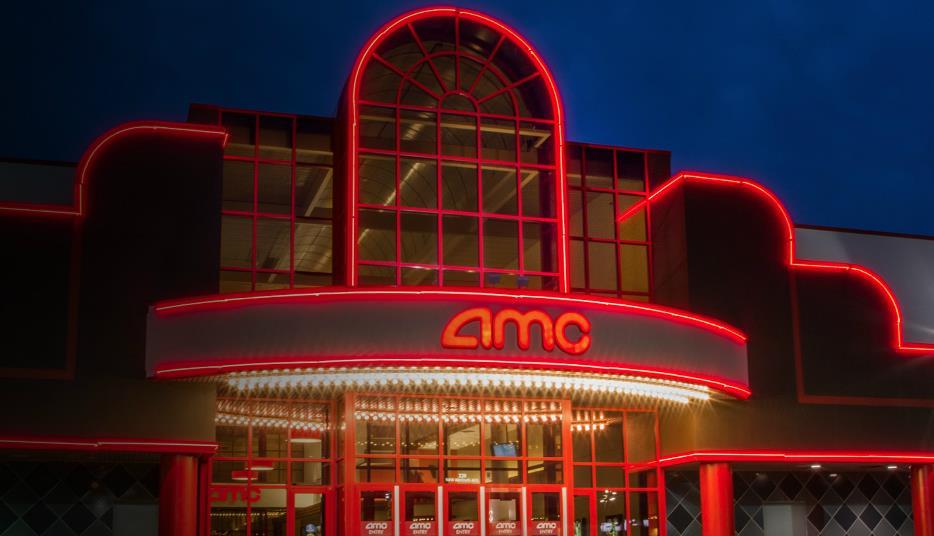
Every brand requires a visual and emotional anchor. For AMC, this is encapsulated in their “AMC Amazing” tagline and their sleek, high-contrast red and black color palette. These design choices are intentional; they evoke a sense of professional-grade entertainment and theatrical drama. Unlike smaller independent theaters that may lean into “indie” or “shabby chic” aesthetics, AMC’s brand identity is unapologetically modern and high-tech. When a consumer sees the AMC logo, the brand promise is clear: consistency, high-fidelity audio-visuals, and a standardized level of comfort that home setups struggle to replicate.
Brand Strategy: Redefining the Moviegoing Experience
In the mid-2010s, AMC faced a significant brand crisis: the rise of high-definition home streaming. To survive, the brand had to redefine its value proposition. It stopped selling “access to movies” and started selling “the premium experience.” This shift in strategy is what separates AMC from its competitors.
Luxury Amenities as a Competitive Moat
The centerpiece of the modern AMC brand is the “PowerPoint” recliner. By aggressively renovating its fleet of theaters to include plush, heated, power-reclining seats, AMC repositioned the theater as a destination for luxury rather than just a place to sit. This was a risky move that reduced total seating capacity, but it increased the “perceived value” of the brand. This strategy transformed the theater into a “third space”—a location between home and work where consumers feel pampered.
Furthermore, the integration of the “MacGuffins” bar and lounge areas within theater lobbies serves a dual purpose. It expands the brand’s revenue streams into high-margin food and beverage while simultaneously shifting the brand identity toward an “all-evening entertainment” destination. This keeps the brand relevant to adult demographics who seek a more sophisticated night out than the traditional popcorn-and-soda model offers.
The AMC Stubs Ecosystem and Customer Loyalty
A brand is only as strong as its community, and AMC has utilized its “Stubs” loyalty program to create a data-driven relationship with its audience. The AMC Stubs A-List tier, in particular, was a brilliant defensive marketing move against third-party subscription services. By offering a proprietary subscription model, AMC gained direct access to consumer behavior data, allowing for personalized marketing and dynamic pricing strategies. This ecosystem fosters “brand stickiness,” making it more economically logical for a frequent moviegoer to remain loyal to AMC than to shop around at competing chains.

Marketing Innovation and the Cult of Community
In recent years, the AMC brand has undergone a transformation that few corporate strategists could have predicted. It has moved from a traditional corporate entity to a “cultural brand” that interacts with its audience in highly unconventional ways.
Embracing the “Meme Brand” Status
Perhaps the most fascinating chapter in the AMC brand story is its embrace of the retail investor community, often referred to as “the Apes.” During the financial volatility of 2021, AMC found itself at the center of a social media-driven investment surge. While many traditional CEOs would have distanced the brand from such volatility, AMC leadership leaned in.
By directly communicating with retail shareholders on platforms like X (formerly Twitter) and offering “Investor Connect” perks (such as free popcorn for shareholders), the brand cultivated a level of grassroots loyalty that is nearly unheard of in the corporate world. This move transformed AMC from a faceless corporation into a protagonist in a David-vs-Goliath narrative, significantly boosting its brand sentiment among younger demographics.
Nicole Kidman and the Power of Brand Ambassadors
To reinforce its premium positioning, AMC launched a massive national ad campaign featuring Academy Award winner Nicole Kidman. The “We Make Movies Better” campaign is a masterclass in brand storytelling. The advertisement does not focus on specific films; instead, it focuses on the feeling of being in an AMC theater—the silver screen, the sound, and the communal experience. The campaign became a viral sensation, not just because of the celebrity attachment, but because it articulated the brand’s core philosophy: that cinema is a sacred, transformative experience. By leaning into this high-brow, emotional messaging, AMC successfully differentiated its “theatrical” brand from the “content” brand of streaming platforms.
Future-Proofing the AMC Brand in a Digital-First World
As the landscape of entertainment continues to shift, the AMC brand is focused on “horizontal integration”—finding new ways to bring the AMC name into the daily lives of consumers outside of the theater walls.
Diversification and the AMC Perfectly Popcorn Strategy
One of the most notable brand extensions in recent years is the launch of “AMC Perfectly Popcorn” in retail grocery stores. This move is a textbook example of brand equity leverage. By packaging and selling its signature theater popcorn, AMC is attempting to capture a share of the home-snacking market. The strategy is simple: if the brand cannot always bring the person to the theater, it will bring a piece of the theater experience to the person’s home. This keeps the brand top-of-mind even when consumers are choosing to stream.
Maintaining Relevance in the Streaming Era
AMC’s long-term brand strategy involves becoming an essential partner to the very streaming services that once threatened its existence. By positioning AMC theaters as the premier “launchpad” for high-budget streaming content (such as limited theatrical releases for Netflix or Apple TV+ films), the brand has carved out a niche as the “gold standard” for distribution. The brand message is clear: a movie isn’t truly a “film” until it has played at an AMC. This gatekeeper status ensures that as long as directors and studios crave prestige, the AMC brand will remain at the center of the industry.
Conclusion
So, what is an AMC Theater? It is far more than a collection of projectors and seats. It is a resilient, multi-faceted brand that has survived a century of technological change by constantly reinventing its value proposition. Through a combination of luxury positioning, technological superiority, and innovative community engagement, AMC has successfully defended its territory as the world’s leading cinema brand.
In a world where digital convenience often trumps physical experience, AMC has doubled down on the “physical,” betting that the human desire for communal, high-fidelity storytelling is a permanent fixture of our culture. Whether through its “A-List” loyalty program, its retail popcorn expansion, or its status as a social media phenomenon, AMC continues to prove that a strong brand identity is the ultimate survival tool in a volatile market. The AMC brand doesn’t just show movies; it sells the “magic of the movies,” and in doing so, it has made itself indispensable to the modern entertainment landscape.
aViewFromTheCave is a participant in the Amazon Services LLC Associates Program, an affiliate advertising program designed to provide a means for sites to earn advertising fees by advertising and linking to Amazon.com. Amazon, the Amazon logo, AmazonSupply, and the AmazonSupply logo are trademarks of Amazon.com, Inc. or its affiliates. As an Amazon Associate we earn affiliate commissions from qualifying purchases.