
For many households, a vehicle is the second-largest monthly expense after housing. As the automotive market evolves, understanding the average monthly car payment is no longer just about knowing a single number; it is about understanding the macroeconomic shifts, lending trends, and personal finance strategies that dictate what you pay at the dealership.
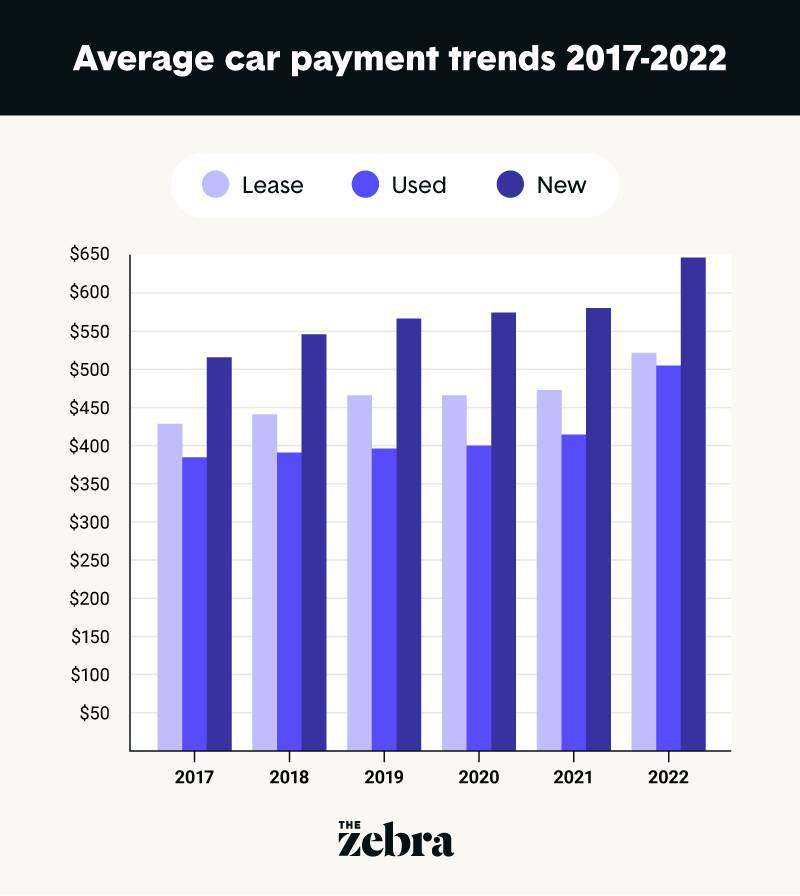
In recent years, the average monthly payment for both new and used vehicles has reached record highs. For a new vehicle, the average monthly payment now frequently hovers between $725 and $750. For used vehicles, while more affordable, the average has climbed to approximately $525 to $550. These figures represent a significant portion of the average consumer’s take-home pay, making it essential to dissect the factors driving these costs and how they impact your overall financial health.

Understanding the Current Landscape of Auto Financing
The “average” payment is a moving target influenced by several variables, including vehicle inventory, consumer demand, and the Federal Reserve’s interest rate policies. To understand why payments are where they are today, we must look at the shift in consumer preference toward larger, more expensive vehicles like SUVs and trucks, which naturally command higher monthly installments.
The Rise of the New Car Premium
The era of the $300 new car payment has largely vanished. Several factors have contributed to the rise in new car costs. Manufacturers have increasingly phased out smaller, budget-friendly sedans in favor of high-margin crossovers and electric vehicles (EVs). Additionally, the integration of advanced technology—such as autonomous driving aids and massive infotainment screens—has driven up the base MSRP (Manufacturer’s Suggested Retail Price) of entry-level models.
The Used Car Market Reality
Historically, used cars were the primary escape hatch for budget-conscious consumers. However, the used car market has seen unprecedented volatility. While prices have stabilized somewhat compared to the post-pandemic spikes, the average payment remains high because the supply of “gently used” 3-year-old off-lease vehicles remains tight. When supply is low and demand is high, lenders often tighten their requirements, leading to higher interest rates for used car loans compared to their new car counterparts.
Key Factors That Dictate Your Monthly Outlay
Your monthly car payment is the result of a mathematical formula involving four primary levers: the loan amount, the interest rate (APR), the loan term, and your down payment. Understanding how these levers interact is the first step in mastering your personal cash flow.
Credit Scores and Interest Rates
Your credit score is perhaps the most significant determinant of your monthly payment. Lenders categorize borrowers into tiers, such as Super Prime (780+), Prime (660–780), and Subprime (below 600).
-
Super Prime Borrowers: Often qualify for promotional 0% to 3.9% APRs, which keeps the interest portion of the payment minimal.
-
Subprime Borrowers: May face interest rates ranging from 15% to 20% or higher. On a $30,000 loan, the difference between a 4% and a 18% interest rate can mean an additional $200 per month and thousands of dollars in total interest over the life of the loan.
The “Long-Term Loan” Trap
To make expensive cars appear more affordable, the industry has shifted toward longer loan terms. While the traditional loan lasted 48 or 60 months, 72-month and 84-month loans are now commonplace.
While a longer term lowers the monthly payment, it increases the total cost of the vehicle significantly due to interest accumulation. Furthermore, long-term loans increase the risk of “negative equity,” where you owe more on the car than it is worth (being “underwater”). From a wealth-building perspective, long-term auto loans are often detrimental as they keep consumers in a cycle of perpetual debt.
The Role of Down Payments and Trade-ins
The most effective way to lower a monthly payment is to reduce the principal balance from day one. A substantial down payment—ideally 20%—serves as a buffer against depreciation. Similarly, a trade-in with positive equity acts as “found money” that reduces the amount you need to finance. If you can cover the taxes, tags, and title fees with cash rather than rolling them into the loan, you further protect your monthly budget.
The Hidden Costs of Car Ownership

When calculating what you can afford, the monthly loan payment is only part of the story. A professional approach to personal finance requires looking at the Total Cost of Ownership (TCO). If your “average” car payment is $700, your actual monthly out-of-pocket cost for that vehicle could easily exceed $1,100 when other factors are included.
Insurance Premiums and Registration
Higher vehicle values lead to higher insurance premiums. Additionally, many lenders require “gap insurance” if you have a low down payment, which covers the difference between the car’s value and the loan balance in the event of a total loss. Annual registration fees and property taxes on vehicles also vary by state but can add hundreds of dollars to your annual expenses.
Fuel, Maintenance, and Repairs
As vehicles become more complex, maintenance costs rise. Even “routine” services like oil changes for high-end synthetic engines or tire replacements for large-diameter wheels are more expensive than they were a decade ago. For those looking to optimize their monthly budget, switching to an EV might lower fuel and maintenance costs, but this is often offset by a higher initial monthly loan payment.
Depreciation: The Invisible Expense
While not a monthly “bill” you pay to a company, depreciation is a real financial loss. Most new cars lose 15% to 20% of their value in the first year. If you are paying $750 a month for a car that is losing $1,000 a month in value, your net worth is taking a significant hit. Understanding the depreciation curve of specific brands and models is vital for long-term financial planning.
Strategic Frameworks for a Healthier Car Payment
To avoid becoming “car poor”—a state where your vehicle expenses prevent you from hitting other financial goals like retirement or homeownership—it is helpful to follow established financial guidelines.
The 20/4/10 Rule
A gold standard in personal finance is the 20/4/10 rule:
-
20% Down: Put at least 20% down to avoid negative equity.
-
4 Years: Finance the vehicle for no more than four years (48 months).
-
10% of Income: Ensure your total transportation costs (loan, insurance, fuel) do not exceed 10% of your gross monthly income.
If a $700 monthly payment represents 20% of your take-home pay, you are likely overextended. Adhering to these ratios ensures that your car remains a tool for mobility rather than a barrier to wealth.
Choosing Used Over New
The most effective way to secure a payment below the national average is to target the “sweet spot” of the used market: vehicles that are 3 to 5 years old. By this point, the original owner has absorbed the steepest part of the depreciation curve, yet the vehicle likely still has modern safety features and many years of reliable life left. Financing a $20,000 used car over 48 months will almost always result in a more favorable financial outcome than financing a $45,000 new car over 84 months.
Leasing vs. Buying: A Cash Flow Analysis
Leasing often offers a lower monthly payment than purchasing because you are only paying for the vehicle’s depreciation during the lease term, plus interest and fees. For business owners or those who must drive a new car for professional reasons, leasing can offer tax advantages and predictable cash flow. However, for the average consumer, leasing is often the most expensive way to operate a vehicle long-term because you never gain an asset; you are simply paying for the most expensive years of a car’s life in perpetuity.
Integrating the Car Payment into a Holistic Financial Plan
Ultimately, the “average” car payment is irrelevant if it doesn’t fit into your specific financial plan. Before signing a loan agreement, evaluate your Debt-to-Income (DTI) ratio. Lenders look at this to determine your creditworthiness, but you should look at it to determine your peace of mind.
A high car payment can prevent you from maximizing your 401(k) contributions, building an emergency fund, or saving for a down payment on a home. If you find yourself lured by a luxury vehicle with a payment that stretches your budget, consider the opportunity cost. That extra $300 a month invested in a low-cost index fund over the course of a five-year loan could grow significantly, whereas the car will only continue to lose value.
By focusing on the total cost of ownership, maintaining a strong credit profile, and adhering to conservative financing rules, you can ensure that your monthly car payment is an investment in your lifestyle that doesn’t compromise your financial future. Whether you pay the average, more, or less, the goal is to drive a vehicle that fits your life without stalling your path to financial independence.
aViewFromTheCave is a participant in the Amazon Services LLC Associates Program, an affiliate advertising program designed to provide a means for sites to earn advertising fees by advertising and linking to Amazon.com. Amazon, the Amazon logo, AmazonSupply, and the AmazonSupply logo are trademarks of Amazon.com, Inc. or its affiliates. As an Amazon Associate we earn affiliate commissions from qualifying purchases.