
Securing a vehicle is often one of the most significant financial commitments an individual will make, second only to housing. However, the process of purchasing the car is merely the beginning of a long-term financial relationship with a lender. Understanding how to make a car payment effectively involves more than just sending money once a month; it requires a strategic approach to debt management, an understanding of interest accrual, and the utilization of modern financial tools to ensure that your credit remains healthy and your path to full ownership is as short as possible.

Managing an auto loan is a cornerstone of personal finance. Whether you are dealing with a traditional bank, a credit union, or captive financing through a dealership, the mechanics of how you deliver your payment can impact your liquid cash flow, your interest costs over time, and your overall financial stability.
Choosing the Right Payment Method for Your Budget
The modern financial landscape offers a multitude of ways to satisfy your monthly obligation. Choosing the right method is about balancing convenience, security, and financial discipline. Each method has distinct advantages and potential drawbacks that can affect your budgeting process.
Direct Debit and Autopay
Automated Clearing House (ACH) transfers, commonly known as autopay, are the gold standard for most consumers. By linking your checking account directly to your lender’s portal, you ensure that the payment is deducted automatically on a specific date.
The primary benefit of autopay is the elimination of late fees. In the world of personal finance, a single late payment (usually 30 days past due) can cause a significant drop in your credit score, sometimes by 100 points or more. Many lenders also offer a small interest rate reduction—often 0.25%—as an incentive for setting up automatic payments. This small percentage can save you hundreds of dollars over the life of a five-year loan. However, the risk of autopay is the potential for overdraft fees if you do not maintain a sufficient buffer in your account.
Online Portals and Mobile Apps
For those who prefer a more hands-on approach to their finances, making manual payments through a lender’s website or mobile application provides maximum control. This method allows you to verify your balance in real-time and choose exactly when the funds leave your account. Most modern lenders provide robust digital interfaces that show a breakdown of how much of your payment goes toward the principal versus the interest. This visibility is crucial for anyone looking to optimize their debt-to-income ratio.
Traditional Check and Mail-in Options
While increasingly rare, some consumers still prefer the paper trail provided by physical checks. Mailing a payment requires a higher degree of organization. You must account for mail delivery times—typically five to seven business days—to ensure the payment arrives by the due date. The risk here is the “lost in the mail” scenario, which can lead to disputes with your lender. If you choose this route, it is often advisable to use a tracking service for larger payments or when paying off the loan entirely.
Third-Party Bill Pay Services
Many retail banks offer a “Bill Pay” feature within their own online banking ecosystem. Instead of logging into the car lender’s site, you instruct your bank to send the funds. This centralizes your financial management, allowing you to see all your liabilities in one place. It is a powerful tool for holistic budgeting, though you must ensure that the bank’s processing time aligns with your lender’s grace period.
Strategic Timing and Frequency
The “how” of making a car payment is not just about the medium used; it is also about the timing and frequency. By understanding the mathematics of simple interest—which is how most auto loans are structured—you can use payment timing to your advantage.
The Power of Bi-Weekly Payments
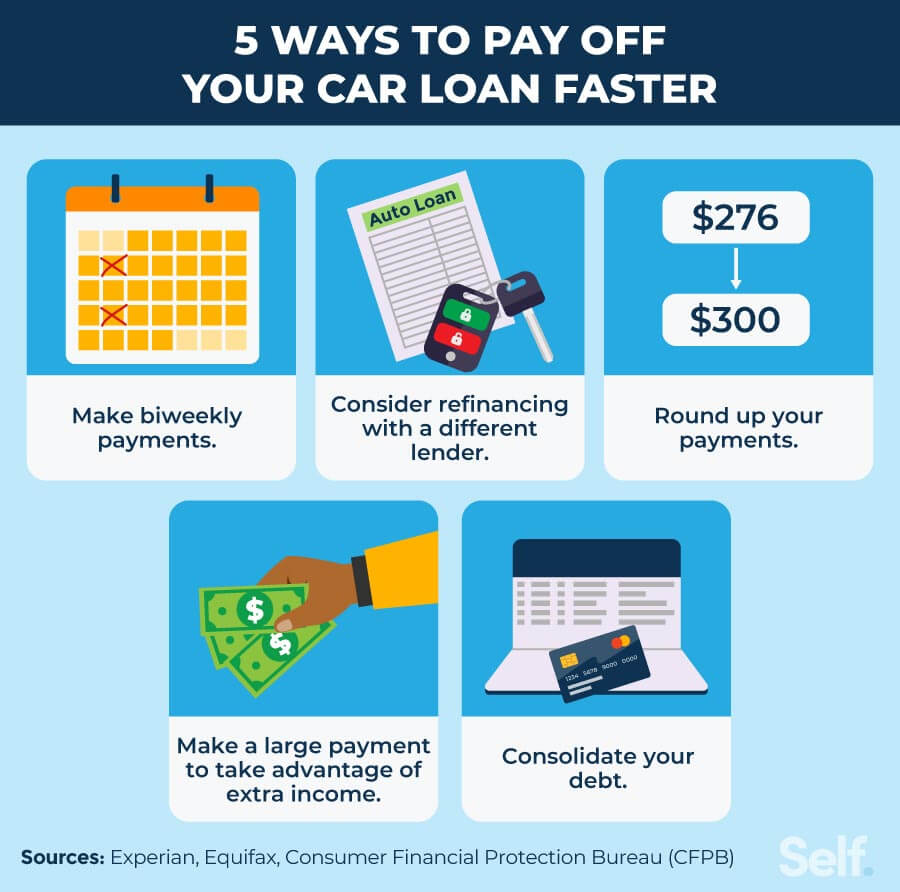
Most car loans are designed for a single monthly payment. However, if your budget allows, switching to a bi-weekly payment schedule can be a game-changer. By paying half of your monthly obligation every two weeks, you end up making 26 half-payments in a year. This equals 13 full monthly payments instead of 12.
This strategy does two things: it reduces the total amount of interest that accrues between payments, and it effectively adds one extra full payment to the principal every year. Over a 60-month loan, this can shave several months off the back end of the term and save significant amounts in interest costs.
Understanding Grace Periods and Due Dates
It is a common misconception that a grace period is an extension of the due date. Most lenders offer a 10-to-15-day grace period before a late fee is assessed. However, interest typically continues to accrue during this time. If you consistently pay at the end of the grace period, more of your money goes toward interest and less toward the principal compared to paying on or before the actual due date. Professional financial management dictates that you treat the due date as the absolute deadline to minimize interest expense.
Making Extra Principal-Only Payments
If you receive a tax refund, a work bonus, or a gift, applying that “found money” to your car loan can drastically alter your financial trajectory. When making a large additional payment, it is imperative to specify that the funds should be applied to the principal only.
Without this instruction, some lenders may treat the extra money as an “advance payment,” simply pushing your next due date forward. While this provides a safety net for the following month, it does not reduce the interest-bearing balance. A principal-only payment immediately reduces the base amount upon which interest is calculated, providing an immediate return on your investment in the form of interest savings.
Leveraging Financial Tools to Streamline the Process
In the digital age, managing a car payment should not be a manual chore. A variety of tools can help you integrate this obligation into your broader financial plan.
Budgeting Apps for Debt Tracking
Applications like YNAB (You Need A Budget) or Mint allow you to categorize your car payment and track its impact on your net worth. By seeing your car loan as a decreasing liability, you stay motivated to pay it off early. These tools can also help you “sinking fund” your car payment—setting aside a small amount from every paycheck so that the full payment is ready to go by the time the bill arrives.
Setting Up Reminders and Alerts
Even if you use autopay, setting up digital reminders is a vital fail-safe. Many banks allow you to set “low balance” alerts. If your account falls below the amount needed for your car payment, you receive a push notification, giving you time to transfer funds and avoid a missed payment or overdraft fee.
Credit Monitoring Tools
Services that provide real-time credit score updates can show you the direct correlation between your car payments and your credit health. As you make on-time payments, you will see your “payment history” and “credit mix” scores improve. This is particularly useful if you plan to refinance your loan in the future for a lower interest rate.
Navigating Financial Hardships and Payment Flexibility
Life is unpredictable, and there may be times when making a full car payment becomes a challenge due to job loss, medical emergencies, or other unforeseen expenses. Understanding how to handle these situations is a critical part of financial literacy.
Deferment and Forbearance Options
If you anticipate being unable to make a payment, the worst thing you can do is stay silent. Many lenders have “hardship programs” that allow for a one-month deferment or extension. In this scenario, the lender moves the missed payment to the very end of the loan term. While interest will still accrue, this prevents a “late” mark from hitting your credit report and keeps the vehicle from being at risk of repossession.
Loan Refinancing for Better Terms
If your credit score has improved significantly since you first took out the loan, or if market interest rates have dropped, you might consider “making a payment” through a refinance. By taking out a new loan with better terms to pay off the old one, you can lower your monthly obligation, making the payment more manageable within your current budget. This is a strategic move to free up cash flow for other investments or high-interest debt.
Communicating with Lenders
Lenders are generally in the business of collecting interest, not repossessing and selling used cars. If you communicate proactively, they may offer a loan modification—permanently lowering the interest rate or extending the term to make the payment more affordable. Professionalism and transparency are key when negotiating these terms.
Long-term Financial Health and the Impact on Your Credit Score
Making a car payment is more than a monthly expense; it is an investment in your financial reputation. Your auto loan is a “secured” installment loan, which is a vital component of a healthy credit profile.
How Payment History Affects Your Rating
Payment history accounts for approximately 35% of your FICO score. Consistently making your car payment on time is one of the most effective ways to build a high credit score. This, in turn, lowers the cost of borrowing for everything else in your life, from credit cards to mortgages.

The Path to Ownership and Equity
The ultimate goal of making car payments is to reach the point of 100% equity. Once the loan is paid off, the “payment” you were making can be redirected into an investment account or a high-yield savings account. This shift from paying interest to earning interest is the fundamental transition from managing debt to building wealth.
Furthermore, by maintaining a consistent payment schedule, you avoid “negative equity” (being underwater on your loan), where you owe more than the car is worth. This ensures that when the time comes to sell or trade in the vehicle, you have a tangible asset that contributes to your next financial move rather than a liability that requires further payment to settle.
In conclusion, making a car payment is a multifaceted process that requires more than just capital. It requires a strategic choice of payment method, an understanding of how interest works, and the disciplined use of technology to ensure consistency. By treating your auto loan as a strategic part of your financial portfolio, you can minimize costs, maximize your credit score, and move efficiently toward a debt-free future.
aViewFromTheCave is a participant in the Amazon Services LLC Associates Program, an affiliate advertising program designed to provide a means for sites to earn advertising fees by advertising and linking to Amazon.com. Amazon, the Amazon logo, AmazonSupply, and the AmazonSupply logo are trademarks of Amazon.com, Inc. or its affiliates. As an Amazon Associate we earn affiliate commissions from qualifying purchases.